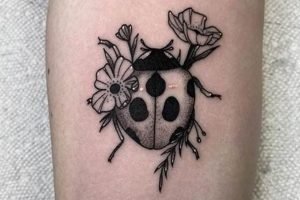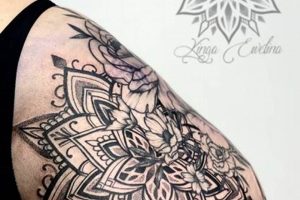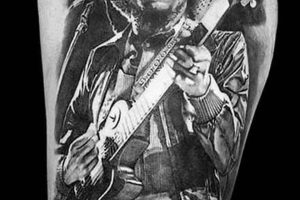



Body art on the gluteal region offers a unique canvas for self-expression. Designs can range from small, discreet symbols to large, intricate pieces encompassing a variety of styles, from traditional to modern. Examples include floral motifs, geometric patterns, mandalas, or depictions of animals.
Placement on this area provides an element of privacy, allowing individuals to control visibility. The larger surface area of the buttocks also accommodates more complex and detailed designs, offering artistic flexibility. Historically, body art in this location held cultural significance in some societies, symbolizing status, affiliation, or spirituality. In contemporary culture, it often represents personal aesthetics, commemoration, or a form of storytelling.
Further exploration into this art form will cover design considerations, the tattoo process, aftercare, and responsible decision-making.
1. Placement

Strategic placement is paramount in maximizing the aesthetic impact of gluteal body art. Consideration of anatomical contours, visibility preferences, and design flow are crucial for achieving desired results. This section explores the nuances of placement options and their implications.
- Upper Buttocks Placement
Designs positioned on the upper buttocks offer a balance between visibility and discretion. This location accommodates larger, more intricate artwork that can flow with the natural curves of the body. Examples include sprawling floral designs, elaborate mandalas, or narrative scenes. Upper placement allows for greater artistic expression and can create a visually striking impression.
- Lower Buttocks Placement
The lower buttocks provide a more discreet canvas for smaller, minimalist designs. This placement is ideal for symbols, short quotes, or delicate patterns. It offers greater privacy and allows for easier concealment when desired. Examples include small butterflies, geometric shapes, or single words. Lower placement emphasizes subtlety and offers a personalized touch.
- Side Buttocks Placement
Utilizing the sides of the buttocks creates a unique, contoured effect. This placement can accentuate body shape and allows for designs that wrap around the curves. Examples include trailing vines, flowing scripts, or abstract patterns. Side placement offers a dynamic visual element and adds an intriguing dimension to the artwork.
- Full Buttocks Placement
For individuals seeking a bold statement, full buttocks placement provides a large canvas for elaborate, interconnected designs. This option allows for seamless integration of various elements and can create a powerful visual narrative. Examples include large-scale murals, intricate tapestries, or extensive landscapes. Full buttocks placement requires significant commitment and offers maximum artistic freedom.
Careful selection of placement enhances the overall aesthetic appeal and personal significance of gluteal body art. Choosing the right location ensures the design harmonizes with the body’s contours and complements the individual’s style, creating a cohesive and impactful piece of art.
2. Style
Style significantly influences the overall aesthetic and personal expression of gluteal body art. Selecting a style that complements both individual preferences and anatomical contours is crucial for achieving a harmonious and impactful result. Various styles offer unique characteristics and lend themselves to different visual narratives.
Realism, known for its lifelike depictions, can translate photographs or portraits onto the skin, creating highly detailed and personalized artwork. Illustrative styles, inspired by comic books or graphic novels, offer bold lines, vibrant colors, and dynamic compositions. Geometric patterns, utilizing precise lines and shapes, create a sense of symmetry and order, while tribal designs, often rooted in cultural heritage, incorporate bold, symbolic imagery. Watercolor styles mimic the fluidity and translucent effects of watercolor paintings, adding a soft, artistic touch. The choice of style significantly impacts the final result, influencing the overall mood, message, and visual impact of the piece. For instance, a realistic depiction of a loved one’s portrait contrasts sharply with a bold, geometric pattern or a delicate watercolor floral design. Careful consideration of stylistic choices ensures the artwork reflects individual preferences and aligns with desired aesthetics.
Understanding the interplay between style and body contours ensures a cohesive and flattering final product. Fluid, organic styles, like watercolor or floral designs, often complement the curves of the buttocks, enhancing the natural shape. Geometric or tribal designs can create a sense of structure and definition. Ultimately, style selection should prioritize personal expression while considering the unique canvas presented by the gluteal region. This understanding leads to informed decisions and contributes to successful, personalized body art.
3. Size

Size plays a crucial role in the overall impact and feasibility of gluteal body art. The scale of a design must harmonize with the available canvas and the desired level of detail. Careful consideration of size impacts not only the aesthetic outcome but also the duration and complexity of the tattooing process. A larger design affords greater detail and complexity but requires multiple sessions and a higher pain tolerance. Smaller designs offer a more manageable approach, particularly for first-time recipients, allowing for quicker completion and potentially lower costs. Scale influences the visual impact; a large-scale piece creates a bold statement, while a smaller, more discreet design offers subtle personalization. For example, a large phoenix spanning across both buttocks necessitates a different approach compared to a small hummingbird positioned on the lower side.
Practical implications extend beyond aesthetics. Larger designs typically require longer healing times and more diligent aftercare. Size also influences placement options; larger pieces may necessitate full or upper buttocks placement, while smaller designs offer greater flexibility in location. Furthermore, size considerations should account for potential changes in body shape over time. Larger designs may distort more significantly with weight fluctuations compared to smaller, strategically placed artwork. Understanding the interplay of size and body contours is essential for achieving a successful and enduring outcome. For instance, a small, intricate design on the lower buttocks might be less affected by future changes than a large, elaborate piece covering the entire area.
Effective size selection involves a balanced assessment of artistic vision, pain tolerance, budget, and lifestyle factors. Understanding the relationship between size, placement, and body contours is paramount for achieving a harmonious and aesthetically pleasing outcome. Appropriate scaling ensures the design complements the gluteal region, maximizing its visual impact and personal significance. Careful consideration of these elements ensures the longevity and satisfaction of the final artwork.
4. Pain Level

Pain level is a significant consideration for gluteal body art. The buttocks, while offering a large, relatively flat canvas, present varying sensitivities due to nerve distribution and proximity to bone. Generally, areas with more padding, such as the upper, fleshy portions, tend to be less painful than areas closer to the hip bone or tailbone. Similarly, areas with thinner skin or denser nerve concentrations, like the crease between the buttocks, can be more sensitive. Understanding these variations allows individuals to make informed decisions and manage expectations regarding discomfort during the procedure. For example, a large design incorporating both the upper, fleshier area and the area closer to the hip bone will likely involve a range of pain sensations.
Pain tolerance varies significantly among individuals. Factors such as previous tattoo experience, overall health, and individual pain thresholds influence perceived discomfort. Open communication with the tattoo artist regarding pain management strategies is essential. Techniques such as deep breathing exercises, topical numbing creams (with artist approval), and breaks during the session can contribute to a more comfortable experience. Additionally, choosing a smaller design or breaking a larger piece into multiple sessions can help manage pain levels over time. Understanding one’s own pain tolerance and implementing appropriate strategies allows for a more positive and manageable experience. Choosing a design that avoids particularly sensitive areas or opting for a finer-lined style over heavy shading can also minimize discomfort.
Managing expectations regarding pain is crucial for a successful tattoo experience. While discomfort is inherent in the process, understanding anatomical variations in sensitivity, employing appropriate pain management techniques, and engaging in open communication with the tattoo artist contributes to a more positive and manageable outcome. Realistic expectations, coupled with informed decision-making, allow individuals to approach the process with confidence and achieve desired artistic results while minimizing discomfort. This awareness promotes a more comfortable experience and facilitates a stronger artist-client relationship, ultimately leading to a more successful and fulfilling outcome.
5. Aftercare

Aftercare is crucial for preserving the vibrancy, longevity, and health of gluteal body art. Diligent adherence to proper aftercare practices minimizes the risk of infection, promotes optimal healing, and ensures the tattooed area retains its intended aesthetic. This involves a multifaceted approach encompassing hygiene, moisturizing, clothing choices, and activity restrictions during the healing period. Neglecting aftercare can compromise the artwork, potentially leading to infection, fading, or scarring. Understanding and implementing these practices is essential for preserving the integrity of the tattoo.
- Hygiene
Maintaining meticulous hygiene is paramount during the healing process. This involves gentle washing of the tattooed area with unscented, antibacterial soap and lukewarm water. Avoid scrubbing or using harsh chemicals, as these can irritate the sensitive skin and disrupt the healing process. Patting the area dry with a clean towel prevents further irritation and minimizes the risk of bacterial contamination. Proper hygiene creates a clean environment conducive to optimal healing and minimizes the risk of infection. For example, using a fragrance-free, hypoallergenic soap helps prevent allergic reactions and irritation, promoting a smoother healing process.
- Moisturization
Regular moisturization is essential for maintaining skin hydration and promoting healthy tissue regeneration. Applying a thin layer of fragrance-free, tattoo-specific ointment or lotion keeps the skin supple and prevents excessive dryness, itching, and scabbing. Over-moisturizing, however, can create an overly moist environment that can impede healing and increase the risk of infection. Finding the right balance is key to supporting healthy skin regeneration and preserving the vibrancy of the tattoo. For instance, using a specialized tattoo aftercare ointment, as recommended by the artist, provides optimal hydration and promotes healthy healing.
- Clothing
Clothing choices significantly impact the healing process, particularly in the gluteal region. Opting for loose-fitting, breathable fabrics, such as cotton, allows for adequate air circulation and minimizes friction against the tattooed area. Avoiding tight-fitting clothing, particularly during the initial healing phase, prevents irritation, chafing, and potential disruption of the healing skin. Appropriate clothing choices create a comfortable and protective environment that supports optimal healing. For example, wearing loose-fitting cotton underwear or shorts minimizes friction and allows the tattooed area to breathe, promoting faster and healthier healing.
- Activity Restriction
Certain activities should be restricted during the healing period to minimize the risk of complications. Avoiding prolonged exposure to direct sunlight, submerging the tattooed area in water (such as swimming or bathing), and excessive sweating can compromise the healing process and increase the risk of infection. Modifying activities during this period protects the vulnerable skin and allows for uninterrupted healing. For instance, postponing strenuous workouts or activities that cause excessive sweating prevents irritation and potential infection of the tattooed area.
Adhering to these aftercare practices ensures the longevity and vibrancy of gluteal body art. Proper hygiene, moisturization, clothing choices, and activity restrictions contribute significantly to a healthy healing process, minimizing the risk of complications and preserving the intended aesthetic of the tattoo. Diligent aftercare is an investment in the long-term health and appearance of the artwork, ensuring its vibrancy and clarity for years to come. By prioritizing these practices, individuals protect their investment and maintain the artistic integrity of their chosen design.
Tips for Gluteal Tattoo Designs
Careful planning ensures a successful outcome for body art in the gluteal region. These tips offer guidance for navigating design choices, placement, and the tattooing process.
Tip 1: Research Artists Specializing in Gluteal Tattoos:
Seek artists with demonstrated experience and a portfolio showcasing successful gluteal tattoos. Their expertise ensures proper placement and design adaptation to body contours. For instance, an artist specializing in this area understands how to create a design that complements the natural curves and musculature.
Tip 2: Consider Design Longevity:
Recognize that body changes over time can affect tattoo appearance. Choose designs less susceptible to distortion from weight fluctuations or aging. Simple lines and geometric patterns often age better than intricate details or portraits.
Tip 3: Prioritize Hygiene and Aftercare:
Diligent aftercare is paramount for preventing infection and preserving vibrancy. Follow artist instructions meticulously, including hygiene practices, moisturizing, and activity restrictions. Neglecting aftercare can compromise the artwork and lead to complications.
Tip 4: Account for Pain Variations:
Recognize that pain levels vary across the gluteal region. Discuss pain management strategies with the artist, including potential numbing options and breaks during the session. Understanding pain variations allows for realistic expectations.
Tip 5: Choose Appropriate Clothing:
During healing, opt for loose, breathable fabrics to minimize friction and irritation. Tight clothing can disrupt the healing process and potentially damage the tattoo. Proper clothing choices promote optimal healing and protect the artwork.
Tip 6: Balance Detail and Scale:
Intricate details may not translate well in larger designs due to skin stretching. Balance detail with scale, opting for simpler designs if covering a larger area. This ensures clarity and visual impact over time.
Tip 7: Plan for Multiple Sessions:
Larger, more complex designs often require multiple sessions. Discuss a realistic timeframe and budget with the artist beforehand. Planning for multiple sessions allows for proper healing between sessions and a less strenuous experience.
Careful consideration of these factors contributes significantly to the success and longevity of gluteal body art. Informed decision-making empowers individuals to make choices that align with their aesthetic vision and ensure a positive experience.
By following these guidelines, individuals can approach the process with confidence and achieve desired aesthetic results. The next section offers a conclusion to the discussion on gluteal body art.
Frequently Asked Questions
This section addresses common inquiries regarding gluteal body art, providing factual information and dispelling potential misconceptions.
Question 1: How does healing time compare to other body areas?
Healing time for gluteal tattoos is generally comparable to other areas, typically taking 2-4 weeks for the outer layers to heal and several months for complete internal healing. However, the location presents unique challenges due to friction from clothing and sitting, which can prolong the process. Diligent aftercare is essential.
Question 2: Are certain design styles better suited for this area?
While stylistic choices are ultimately personal, certain styles may complement the gluteal contours more effectively. Larger designs, like tribal patterns, mandalas, or floral motifs, can adapt well to the curved surface. Smaller, simpler designs are equally viable but may require strategic placement for optimal visibility and impact.
Question 3: Does weight fluctuation significantly impact the tattoo’s appearance?
Significant weight fluctuations can potentially affect the appearance of any tattoo. On the buttocks, extreme weight gain or loss might cause stretching or distortion. Maintaining a stable weight after the tattoo has fully healed helps preserve its intended appearance. Choosing designs with clean lines and less intricate detail may also minimize the impact of future body changes.
Question 4: What specific aftercare considerations apply to this area?
Aftercare for gluteal tattoos requires special attention due to the area’s tendency for moisture and friction. Keeping the area clean and dry is paramount. Loose-fitting clothing is crucial to avoid irritation and chafing. Additionally, taking care when sitting and avoiding prolonged pressure on the newly tattooed area promotes optimal healing.
Question 5: Is the pain level significantly higher in this area compared to others?
Pain perception is subjective. However, the buttocks generally have more padding than areas like the ribs or ankles, potentially resulting in a less painful experience. The area near the hip bones and tailbone may be more sensitive due to bone proximity and nerve endings. Individual pain tolerance also plays a significant role.
Question 6: How can one choose a reputable artist for this specific placement?
Selecting a reputable artist is paramount. Seek artists with a portfolio demonstrating expertise in gluteal tattoos. Examine their work for clean lines, smooth shading, and designs that complement body contours. Client testimonials and reviews can offer valuable insights into their professionalism and hygiene practices.
Careful consideration of these frequently asked questions equips individuals with the knowledge necessary to make informed decisions and ensures a positive experience with gluteal body art.
The following section provides concluding insights into the world of gluteal body art and its significance as a form of self-expression.
Conclusion
Exploration of body art in the gluteal region reveals a unique canvas offering both challenges and opportunities. Placement, style, size, pain management, and aftercare are crucial considerations for achieving desired aesthetic outcomes. Understanding anatomical nuances, stylistic variations, and practical implications empowers informed decision-making, ensuring successful, personalized artwork.
Body art serves as a powerful medium for self-expression. Careful consideration of design choices, coupled with responsible artistic execution, transforms the gluteal region into a canvas reflecting individuality and personal narratives. This exploration emphasizes the importance of informed choices and highlights the potential for impactful artistic expression through this distinctive form of body art.