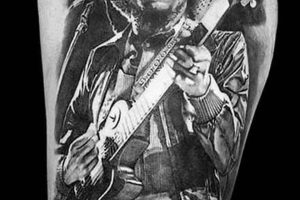



Permanent body art offers a unique canvas for expressing personal passions. For individuals deeply connected to literature, tattoos can serve as a powerful medium to showcase this love. These designs can range from simple textual representations of beloved quotes or titles to intricate depictions of iconic characters, objects, or scenes from literature. Examples include minimalist outlines of stacked books, detailed portraits of authors, or symbolic imagery like open books with birds taking flight.
Choosing literary-themed body art allows individuals to carry a piece of their favorite stories with them always. This permanent connection can serve as a constant reminder of cherished narratives, inspiring characters, and impactful themes. Historically, tattoos have served as markers of identity and belonging. In the modern context, literary tattoos can signify membership within a community of readers and writers, sparking conversations and forging connections based on shared literary passions. This form of expression can also represent personal growth and transformation inspired by specific works or authors.
The following sections will explore various design options, including popular motifs, stylistic choices, and practical considerations for selecting and maintaining literary-themed tattoos.
1. Quotes

Quotes hold a significant position within the realm of literary tattoos, offering a concise yet powerful way to encapsulate the essence of a beloved book. They serve as a direct link to the source material, carrying the weight of the author’s words and resonating deeply with those who connect with the text. The selection of a quote often reflects a personal philosophy, a pivotal moment within a narrative, or a specific theme that holds individual significance. For example, a line from “To Kill a Mockingbird” such as “You never really understand a person until you consider things from his point of view” can represent a commitment to empathy. Similarly, “It is a far, far better thing that I do, than I have ever done” from “A Tale of Two Cities” can embody self-sacrifice and redemption. The impact of these chosen words extends beyond mere aesthetics, transforming the tattoo into a personal statement.
Practical considerations for quote tattoos include font selection, placement, and length. Legibility is paramount, requiring careful consideration of typeface and size in relation to the chosen body part. Curved placements can follow the natural contours of the body, while linear placements offer a more traditional approach. Lengthier quotes may necessitate larger areas, such as the back or ribcage, while shorter excerpts can be subtly placed on wrists, ankles, or behind the ear. Thoughtful planning ensures the chosen quote remains visually appealing and easily deciphered, maintaining its power and impact over time.
The enduring popularity of quote tattoos within the literary sphere underscores their ability to capture the heart of a narrative in a concise and meaningful way. They serve as a constant source of inspiration, reflection, and connection to cherished literary works, adding depth and significance to the individual’s personal narrative.
2. Characters

Character depictions represent a significant portion of literary-inspired tattoos. These visual representations embody the connection readers forge with fictional personas, serving as a tribute to their admired qualities, complex narratives, or symbolic significance within a story. Choosing a specific character often reflects a deep appreciation for their role in the narrative and the impact they have had on the reader’s personal understanding of the work.
- Iconic Figures:
Iconic figures from classic literature frequently appear in tattoo designs. Characters such as Sherlock Holmes, Elizabeth Bennet, or Jay Gatsby represent enduring archetypes and literary movements. These choices can signify an appreciation for specific genres, time periods, or literary styles, and often resonate with individuals who identify with the character’s traits or struggles.
- Symbolic Representations:
Certain characters transcend their narrative roles, becoming symbols of broader concepts. For instance, Atticus Finch from “To Kill a Mockingbird” represents moral courage and integrity, while Hermione Granger from the “Harry Potter” series symbolizes intelligence and resilience. These symbolic representations translate well into visual art, allowing individuals to embody these values through their chosen tattoos.
- Stylistic Interpretations:
Character depictions can be rendered in various artistic styles, ranging from realistic portraits to minimalist line drawings or abstract interpretations. The chosen style further personalizes the tattoo, reflecting individual aesthetic preferences and enhancing the character’s representation. A silhouette of Gandalf might convey mystery, while a vibrant, colorful depiction of Alice in Wonderland could express whimsy.
- Narrative Scenes:
Rather than focusing solely on a single character, some individuals opt for depictions of pivotal scenes or interactions between characters. This approach allows for a more comprehensive portrayal of the narrative, capturing key moments and relationships within the story. Examples include the duel between Hamlet and Laertes or the meeting of Romeo and Juliet under the balcony.
Ultimately, the selection of a character for a literary tattoo reflects a profound connection to the narrative and the chosen character’s significance within it. The enduring power of these fictional figures resonates with readers on a personal level, making them ideal subjects for permanent body art that commemorates the impact of literature on individual lives. Whether iconic figures or symbolic representations, these tattoos serve as a visual testament to the enduring influence of storytelling.
3. Book Covers

Book covers hold a unique position in the world of literary tattoos, bridging the gap between visual art and the written word. They represent the initial point of contact with a story, often influencing a reader’s first impressions and sparking curiosity. Reproducing a beloved book cover as a tattoo allows individuals to capture the essence of a cherished narrative, serving as a visual reminder of the story’s impact and the emotional connection forged with its pages. The cover art, typography, and overall design encapsulate the book’s atmosphere and themes, offering a rich source of inspiration for meaningful tattoo designs.
- Vintage Editions:
Vintage book covers, with their intricate details, nostalgic color palettes, and classic typography, hold a particular appeal for literary enthusiasts. Replicating these designs as tattoos evokes a sense of timeless elegance and appreciation for literary history. Examples include Penguin Classics editions with their iconic tri-band design or ornate Art Deco covers from the early 20th century. These choices can showcase a love for specific literary periods or a connection to the historical context of the book.
- Modern Interpretations:
Contemporary book covers offer a diverse range of styles, from minimalist designs to bold, graphic illustrations. These modern interpretations provide ample inspiration for tattoos that reflect current artistic trends and individual aesthetic preferences. The vibrant colors and abstract imagery found on many modern covers translate well into tattoo art, offering a striking visual statement.
- Personalized Adaptations:
While replicating an existing cover design offers a direct connection to the source material, some individuals opt for personalized adaptations. This approach allows for creative interpretations, incorporating elements from the cover while adding personal touches or merging it with other literary symbols. For example, a favorite quote from the book might be incorporated into the cover design or a significant object from the narrative could be added to the composition.
- Placement and Composition:
The size and shape of a book cover design naturally lend themselves to specific placements on the body. Larger covers can be adapted for areas like the back or thigh, while smaller, more compact designs suit the forearm or calf. The composition of the cover art should be carefully considered to complement the contours of the chosen body part, ensuring a harmonious and aesthetically pleasing result.
Book cover tattoos offer a compelling way to showcase literary passions. Whether vintage editions, modern interpretations, or personalized adaptations, these designs celebrate the visual language of storytelling. They serve as a permanent reminder of the impact of literature and the emotional connection readers develop with their favorite books. The careful selection of a cover and its thoughtful adaptation into tattoo art creates a powerful visual statement that speaks volumes about an individual’s literary tastes and appreciation for the art of book design.
4. Open Books

Open book imagery holds symbolic weight within the realm of literary tattoos. Representing the act of reading itself, these designs signify a deep engagement with literature and the transformative power of stories. An open book symbolizes a portal to other worlds, a source of knowledge, and a lifelong journey of learning and exploration. This visual metaphor resonates deeply with individuals who find solace, inspiration, and personal growth within the pages of books.
- Visual Representation of Reading:
The image of an open book directly evokes the act of reading. It represents the moment of immersion in a narrative, the absorption of ideas, and the connection forged between reader and text. This visual cue can be particularly powerful for individuals who identify strongly with reading as a core aspect of their identity.
- Symbol of Knowledge and Learning:
Open books have long been associated with knowledge, learning, and the pursuit of wisdom. They represent access to information, the expansion of intellectual horizons, and the continuous process of self-discovery through literature. This symbolic meaning can be particularly relevant for individuals who value education and personal growth.
- Gateway to Imagination and Escape:
An open book can symbolize a gateway to other worlds, offering an escape from reality and an opportunity to explore different perspectives and experiences. This resonates with readers who find solace and inspiration within the pages of books, using literature as a means of transcending the everyday.
- Design Versatility and Customization:
Open book imagery provides a versatile foundation for tattoo designs. The pages can be filled with quotes, illustrations, or symbolic imagery related to specific books, authors, or literary themes. This allows for a high degree of personalization, enabling individuals to create unique designs that reflect their individual reading journeys and literary preferences.
The open book tattoo serves as a constant reminder of the power and importance of literature in shaping personal narratives. Whether depicted realistically or abstractly, the image carries symbolic weight, representing knowledge, imagination, and the transformative potential of reading. Its versatility allows for endless customization, making it a powerful choice for individuals seeking a visual representation of their deep connection to the world of books.
5. Stacked Books

Stacked books, a prevalent motif in literary-themed tattoos, symbolize a collection of cherished narratives, representing a reader’s continuous journey through the world of literature. This visual representation of accumulated knowledge, diverse interests, and the ever-growing personal library resonates deeply with book lovers. The stacked book design offers a versatile canvas for personalization, allowing individuals to showcase their literary tastes and celebrate the enriching experience of reading.
- Visual Representation of a Personal Library:
Stacked books visually represent a curated collection of literary works, symbolizing the individual’s personal library and reading history. The image evokes the comforting presence of books, the accumulation of knowledge, and the ongoing exploration of different genres and authors. A tall stack can represent a voracious reader, while a smaller, carefully curated stack might signify a selective approach to literature.
- Symbol of Continuous Learning and Growth:
The ever-growing nature of a book stack symbolizes continuous learning and personal development through reading. Each book represents a new journey, a new set of ideas, and a new opportunity for intellectual growth. The image of stacked books suggests a lifelong commitment to learning and the pursuit of knowledge through literature.
- Versatility in Design and Personalization:
Stacked book designs offer ample opportunity for personalization. Individual titles can be subtly incorporated into the spines, favorite genres can be represented through color schemes, or specific authors can be alluded to through symbolic imagery woven into the design. The size and arrangement of the stack can also be adjusted to suit individual preferences and placement considerations.
- Connection to Physical Books and Reading Spaces:
The image of stacked books evokes the comforting presence of physical books and the spaces associated with reading, such as libraries, bookstores, or cozy reading nooks. This connection to the tangible aspects of reading resonates with individuals who appreciate the tactile experience of holding a book and the atmosphere of spaces dedicated to literature.
The stacked book tattoo serves as a powerful symbol of an individual’s relationship with literature. It encapsulates the joy of collecting, the pursuit of knowledge, and the ongoing journey of exploration that reading provides. The versatility of the design allows for a high degree of personalization, ensuring each tattoo reflects the unique literary landscape of its wearer. This visual representation of a personal library serves as a constant reminder of the enriching power of books and the profound impact they have on shaping individual perspectives and understanding.
6. Symbolic Imagery

Symbolic imagery plays a crucial role in literary tattoos, offering a nuanced approach to expressing a love for books and storytelling. Beyond literal representations of books or characters, symbolic imagery delves into the deeper themes, motifs, and emotions evoked by literature. These symbols can be drawn directly from specific texts or represent broader concepts associated with reading and the power of storytelling. This approach allows for highly personalized and evocative tattoos that resonate with individual experiences and interpretations of literature.
- Mythical Creatures:
Mythical creatures often appear in literature, representing various archetypes and symbolic meanings. Dragons, phoenixes, and griffins, for example, can symbolize strength, transformation, and guardianship, respectively. Incorporating these creatures into a tattoo can represent a connection to fantastical narratives and the imaginative power of storytelling. A phoenix could signify a love for fantasy literature and a belief in renewal, while a dragon might represent strength and wisdom gleaned from epic poems.
- Flora and Fauna:
Specific plants and animals hold symbolic meaning in literature, often representing key themes or character traits. Ravens, for example, can symbolize wisdom or prophecy, while roses can represent love or loss. Incorporating these elements into a tattoo can subtly allude to specific literary works or broader themes explored in literature. A raven tattoo could signify an affinity for Edgar Allan Poe’s works, while a willow tree might represent the themes of sorrow and resilience found in many classic novels.
- Objects and Artifacts:
Objects and artifacts, such as keys, compasses, or anchors, frequently carry symbolic weight within literary narratives. Keys can represent knowledge or opportunity, compasses symbolize guidance and direction, and anchors represent stability and hope. These objects can be incorporated into tattoo designs to represent personal values, significant themes from favorite books, or the transformative power of literature. A key tattoo could symbolize unlocking the mysteries found within books, while a compass might represent the journey of self-discovery facilitated by reading.
- Celestial Bodies:
Celestial bodies like stars, moons, and constellations often hold symbolic meaning in literature, representing vastness, mystery, and the cyclical nature of time. Incorporating these elements into a tattoo can express a connection to the cosmos, a fascination with the unknown, or the enduring power of storytelling across generations. A constellation tattoo could symbolize a love for mythology and ancient narratives, while a crescent moon might represent the magical and transformative power of literature.
Symbolic imagery allows for a deeper exploration of literary themes and personal connections to specific works. These symbols, drawn from a vast repertoire of literary and cultural references, offer a nuanced way to express a love for books and the profound impact they have on shaping individual perspectives and understanding. By incorporating these symbolic elements, literary tattoos transcend mere aesthetics, becoming powerful visual metaphors that capture the essence of individual reading journeys and the transformative power of storytelling.
Tips for Choosing Literary Tattoos
Selecting a design for permanent body art requires careful consideration. The following tips offer guidance for individuals seeking literary-themed tattoos.
Tip 1: Research Thoroughly: Explore various designs and artistic styles before committing to a specific concept. Consider the symbolism associated with different literary elements and choose imagery that resonates personally. Consult with experienced tattoo artists specializing in the desired style.
Tip 2: Prioritize Placement: Consider visibility, size, and the natural contours of the body when selecting placement. Larger designs suit larger areas like the back or thigh, while smaller elements work well on wrists, ankles, or behind the ear. Placement impacts overall aesthetics and should complement the chosen design.
Tip 3: Choose a Reputable Artist: Research portfolios and reviews to find a reputable artist experienced in literary-themed tattoos. A skilled artist can bring a vision to life with precision and artistry, ensuring a high-quality, long-lasting result.
Tip 4: Consider Long-Term Impact: Tattoos are permanent. Reflect on the chosen design’s long-term significance and ensure it remains meaningful over time. Avoid impulsive decisions based on fleeting trends and prioritize designs that hold enduring personal value.
Tip 5: Plan for Aftercare: Proper aftercare is essential for preserving the vibrancy and longevity of a tattoo. Follow the artist’s instructions diligently and maintain a consistent skincare routine to ensure the tattooed area heals properly and the design remains vibrant.
Tip 6: Think Beyond the Literal: Explore symbolic imagery and metaphorical representations of literary themes to add depth and nuance to the design. Consider incorporating elements that represent personal connections to specific narratives, characters, or literary movements.
Tip 7: Balance Aesthetics and Meaning: Strive for a design that balances aesthetic appeal with personal meaning. A visually striking tattoo that also holds deep personal significance creates a powerful and enduring piece of body art.
Careful planning and thoughtful consideration are crucial for achieving a satisfying and meaningful result. These tips empower individuals to make informed decisions, ensuring the chosen design reflects their literary passions and remains a cherished piece of personal expression for years to come.
The subsequent conclusion will summarize the key aspects discussed and offer final recommendations for embarking on the literary tattoo journey.
Frequently Asked Questions
This section addresses common inquiries regarding literary-themed tattoos, offering practical insights and guidance for individuals considering this form of artistic expression.
Question 1: How does one choose a quote that will remain meaningful over time?
Selecting a quote requires introspection and consideration of its long-term resonance. Choosing excerpts that reflect deeply held values, personal philosophies, or pivotal life lessons ensures enduring meaning.
Question 2: What factors influence the cost of a literary tattoo?
Several factors influence cost, including size, complexity, the artist’s experience, and geographic location. Detailed, intricate designs typically require more time and skill, resulting in higher costs. Consulting with multiple artists allows for comparison and informed budget planning.
Question 3: What are the best placement options for different types of literary tattoos?
Placement depends on design size and individual preferences regarding visibility. Larger designs, such as character portraits or book covers, suit larger areas like the back or thigh. Smaller elements, like quotes or symbolic imagery, work well on wrists, ankles, or behind the ear.
Question 4: How can individuals ensure their chosen tattoo artist possesses the necessary expertise?
Thorough research, including reviewing portfolios and testimonials, is crucial. Seeking recommendations from other literary enthusiasts or within online tattoo communities can provide valuable insights. Directly communicating with potential artists and discussing design concepts helps assess their understanding and suitability.
Question 5: What are the crucial aftercare steps for maintaining a literary tattoo’s vibrancy?
Diligent aftercare is essential. Following the artist’s instructions meticulously, including cleaning, moisturizing, and avoiding sun exposure, promotes proper healing and preserves color vibrancy. Consistent skincare routines contribute to the tattoo’s longevity.
Question 6: How can individuals adapt existing literary imagery while respecting copyright and intellectual property?
Drawing inspiration from existing imagery is permissible, but directly replicating copyrighted artwork requires permission from the copyright holder. Collaborating with a skilled artist to create original interpretations or personalized adaptations ensures legal compliance and respects intellectual property rights.
Careful consideration of these frequently asked questions empowers individuals to make informed decisions, ensuring a positive and fulfilling experience in acquiring a literary tattoo that reflects their unique connection to the world of books.
The following conclusion summarizes key considerations and offers final thoughts on expressing literary passions through body art.
Conclusion
Literary tattoos offer a powerful medium for expressing a deep connection to the written word. From concise quotes to intricate character portraits, symbolic imagery to evocative book covers, the options for showcasing literary passions through body art are diverse and highly personal. Careful consideration of design elements, placement, and artistic style ensures a meaningful and aesthetically pleasing result. Thorough research and collaboration with a skilled tattoo artist are essential for bringing a vision to life with precision and artistry. Proper aftercare preserves the vibrancy and longevity of the chosen design, ensuring it remains a cherished piece of personal expression.
The exploration of literary themes through body art represents a celebration of the enduring power of storytelling. These permanent markings serve as a constant reminder of the transformative impact of literature, the profound connection forged with fictional worlds, and the ongoing journey of learning and self-discovery facilitated by reading. Ultimately, literary tattoos embody the fusion of personal narrative and artistic expression, allowing individuals to carry cherished stories and their enduring influence etched upon their skin.