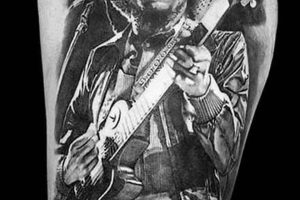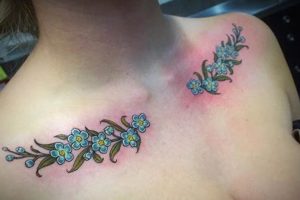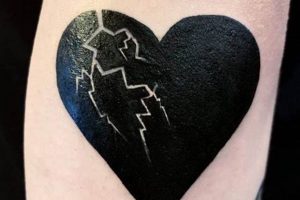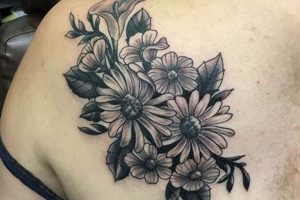



Tattoos related to borderline personality disorder (BPD) often serve as personal reminders of strength, recovery, or coping mechanisms. These designs can range from symbolic imagery, such as a semicolon representing survival and perseverance, to abstract art reflecting emotional intensity and inner turmoil. More literal representations might include text from meaningful quotes or imagery associated with dialectical behavior therapy (DBT), a common treatment modality.
For individuals living with BPD, body art can offer a tangible expression of their experiences, fostering a sense of self-validation and control. The permanence of a tattoo can symbolize commitment to recovery and provide a source of comfort during challenging times. Historically, tattoos have been used across cultures for self-expression and marking significant life events, and this personal significance holds true for those using tattoos to represent their mental health journey.
The following sections will delve into specific design concepts, placement considerations, and the potential therapeutic value of expressing oneself through this art form. Additionally, resources for finding reputable tattoo artists experienced in working with sensitive subject matter will be provided.
1. Symbolic Representation

Symbolic representation plays a crucial role in tattoos related to borderline personality disorder (BPD). These symbols offer a visual language for expressing complex emotions, experiences, and aspects of the recovery journey often difficult to articulate verbally. They can serve as personal reminders of strength, resilience, and hope.
- Recovery and Resilience
Symbols like the semicolon, the phoenix, or a blossoming lotus flower represent overcoming challenges, resilience, and growth. The semicolon, particularly, has become widely recognized as a symbol of suicide survival and continuing one’s story. These symbols can offer a powerful message of hope and perseverance.
- Emotional Regulation and Stability
Images of anchors, mountains, or balanced scales can symbolize grounding, stability, and emotional regulation. These designs can serve as visual reminders of the importance of staying grounded during emotional fluctuations. They reflect the ongoing work individuals with BPD undertake to manage their emotional responses.
- Interpersonal Connections and Self-Love
Intertwined hearts, clasped hands, or representations of significant relationships can symbolize the importance of connection and support. Similarly, self-love and acceptance can be represented through symbols like hearts, butterflies, or unalome designs. These designs emphasize the significance of both interpersonal and intrapersonal relationships in healing.
- Dialectical Behavior Therapy (DBT) Skills
Specific imagery related to DBT, such as spirals representing mindfulness or a wave representing emotional regulation, can serve as discreet reminders of learned coping skills. These symbols provide a personal connection to the therapeutic process and offer a visual cue for utilizing these skills in daily life.
By carefully selecting symbols that resonate with their personal experiences, individuals with BPD can create tattoos that serve as powerful reminders of their strength, progress, and ongoing journey toward recovery and well-being. These symbolic representations offer a unique and deeply personal way to express and process complex emotions associated with BPD.
2. Recovery Imagery

Recovery imagery within the context of borderline personality disorder (BPD) tattoos provides a powerful visual representation of healing, progress, and hope. These images serve as personal affirmations of resilience and offer a tangible reminder of the ongoing journey toward well-being. The choice of imagery often reflects individual experiences and milestones within the recovery process. A common theme revolves around transformation and growth, signifying overcoming challenges and embracing a more positive future.
Several symbolic representations hold particular significance. The phoenix, rising from ashes, embodies rebirth and overcoming adversity. Similarly, a blossoming lotus flower signifies growth and purity emerging from murky waters, mirroring the journey from emotional turmoil to stability. The image of a semicolon represents choosing to continue one’s story despite past struggles, particularly relevant for individuals who have experienced suicidal ideation. Geometric patterns, such as the unalome, symbolize the winding path of life and the acceptance of imperfections, reflecting the self-acceptance central to BPD recovery. Incorporating these images into tattoos allows individuals to carry a constant reminder of their strength and commitment to healing.
Choosing recovery-focused imagery provides not only aesthetic value but also serves a therapeutic function. These tattoos can offer comfort during challenging times, serving as a visual anchor to the progress made. They can also foster a sense of community and shared experience among individuals with BPD, facilitating connection and understanding. While the specific imagery chosen remains a deeply personal decision, the underlying message of hope and resilience resonates universally within the BPD community. These tattoos ultimately symbolize the ongoing journey of recovery and the continuous striving for a healthier, more fulfilling life.
3. Personal Affirmations

Personal affirmations, integrated into tattoo designs, offer a powerful tool for individuals managing borderline personality disorder (BPD). These affirmations serve as constant, visible reminders of self-worth, resilience, and coping strategies. The connection between personal affirmations and BPD tattoo ideas lies in the potential for these tattoos to reinforce positive self-talk and counteract negative thought patterns, a core challenge in BPD. Individuals frequently choose phrases reflecting self-acceptance, emotional regulation, or specific DBT skills. Examples include “I am enough,” “Breathe,” or “Radical acceptance.” These short, impactful statements etched onto the skin can become integrated into daily coping mechanisms, offering immediate access to a source of strength and encouragement during moments of emotional distress.
The effectiveness of personal affirmation tattoos stems from their constant visibility and personal significance. Unlike external reminders, a tattoo remains a permanent fixture, accessible at all times. This constant presence can contribute to a gradual shift in internal narratives, promoting self-compassion and reducing the impact of negative self-perception. Consider an individual struggling with feelings of worthlessness. A tattoo bearing the affirmation “I am worthy” serves as a direct counterpoint to these negative thoughts, offering a tangible reminder of inherent value. Over time, repeated exposure to this affirmation can contribute to a more positive self-image. This integration of positive self-talk into a physical, permanent form distinguishes affirmation tattoos from other forms of motivational reminders.
Incorporating personal affirmations into BPD-related tattoos offers a unique approach to managing the emotional challenges associated with the disorder. While tattoos alone do not constitute treatment, they can complement therapeutic interventions by providing accessible and personalized coping tools. The selection of meaningful affirmations, coupled with thoughtful placement, transforms body art into a source of strength, resilience, and self-acceptance. The practice reinforces positive self-talk, promoting emotional regulation and contributing to a more positive sense of self. It represents a tangible commitment to personal growth and the ongoing journey of recovery.
4. Subtle Designs
Subtle designs offer a discreet approach to borderline personality disorder (BPD) related tattoos, allowing individuals to express personal meaning without overt visibility. This approach holds particular appeal for those navigating personal or professional environments where more visible tattoos might be undesirable or carry stigma. The subtlety allows for deeply personal symbolism without drawing unwanted attention, fostering a sense of privacy and control over self-expression. A small geometric pattern representing DBT skills or a single word embodying a core affirmation can hold significant meaning for the individual while remaining inconspicuous to others. This subtle approach enables individuals to benefit from the therapeutic aspects of BPD-related tattoos without the potential burden of public scrutiny. It allows the tattoo to serve primarily as a personal reminder and source of strength rather than a public statement.
The choice of a subtle design often reflects the individual’s journey and comfort level with self-expression. A small semicolon on the wrist, for instance, carries deep meaning for those who have experienced suicidal ideation, serving as a personal reminder of resilience without necessarily broadcasting this experience to the world. Similarly, a minimalist design representing a favorite coping mechanism can offer discreet comfort and encouragement during challenging times. The effectiveness of subtle designs lies in their ability to balance personal meaning with discretion. This balance allows individuals to integrate meaningful symbols into their lives without compromising personal or professional boundaries. It emphasizes the individual’s ownership of their experience and recovery journey.
Subtlety in BPD-related tattoos offers a powerful means of personal expression while respecting individual preferences for privacy. This approach acknowledges the multifaceted nature of living with BPD and the varying comfort levels surrounding public disclosure. The focus shifts from external display to internal significance, emphasizing the tattoo’s role as a personal reminder, coping mechanism, and symbol of resilience. The discreet nature of these designs does not diminish their profound meaning; rather, it enhances their personal significance by prioritizing individual needs and preferences. Subtle designs ultimately provide a valuable avenue for self-expression and support within the context of BPD, offering a balance between personal meaning and discreet representation.
5. Placement Considerations

Placement considerations play a significant role in the design process of tattoos related to borderline personality disorder (BPD). The location of a tattoo can influence its visibility, accessibility, and personal meaning. Thoughtful placement allows individuals to balance the desire for personal expression with practical considerations and individual preferences regarding privacy. Factors influencing placement decisions include the tattoo’s symbolic meaning, desired level of visibility, and potential impact on professional or social contexts. The chosen location can further enhance the tattoo’s significance as a personal reminder, coping mechanism, or source of strength.
- Visibility and Privacy
The visibility of a tattoo directly impacts its function as a personal reminder or a form of public self-expression. Highly visible locations, such as the wrist or forearm, offer readily accessible reminders of affirmations or coping skills. Less visible areas, like the ribcage or inner thigh, provide a sense of privacy, allowing the tattoo to serve primarily as a personal source of strength. This consideration allows individuals to tailor the placement to their comfort levels regarding public disclosure and personal expression. Choosing a discreet location prioritizes the tattoo’s personal significance over its public visibility.
- Accessibility for Self-Soothing
Placement can also influence the accessibility of a tattoo for self-soothing purposes. Individuals may choose locations that allow easy access for touch, enabling them to physically connect with the tattoo’s message during moments of distress. A tattoo placed on the inner wrist, for example, allows for easy self-soothing through touch, providing a tangible reminder of affirmations or coping skills when needed. This consideration emphasizes the tattoo’s functional role as a coping mechanism integrated into daily life.
- Symbolic Significance of Body Areas
Specific body areas hold symbolic meaning that can further enhance the tattoo’s message. A tattoo placed over the heart, for example, might emphasize themes of self-love or emotional vulnerability. Placement on the wrist can symbolize strength and resilience, associating the tattoo with actions and coping mechanisms. Considering the symbolic connotations of different body areas adds another layer of depth and personal significance to the tattoo’s design and placement.
- Practical and Professional Considerations
Practical considerations, such as clothing requirements or professional dress codes, also factor into placement decisions. Individuals in professions requiring more conservative attire may choose less visible locations to avoid potential conflicts with workplace policies. Similarly, anticipated lifestyle changes, like future pregnancies or medical procedures, may influence placement choices. Considering these practical aspects ensures the tattoo remains a source of comfort and personal meaning without creating unintended challenges in other life domains.
Careful consideration of placement elevates a BPD-related tattoo beyond mere aesthetics. The chosen location becomes an integral part of the tattoo’s meaning and function, enhancing its personal significance and effectiveness as a tool for self-expression, coping, and healing. Placement transforms the tattoo into a thoughtfully integrated part of the individual’s journey, reflecting their unique needs and preferences. Ultimately, placement considerations contribute to a more powerful and meaningful connection between the individual and their chosen body art, aligning the tattoo’s placement with its intended purpose and personal significance within the context of BPD.
Tips for Borderline Personality Disorder (BPD) Tattoo Ideas
Careful planning ensures a tattoo resonates deeply and provides long-term satisfaction. The following tips offer guidance for individuals exploring body art related to borderline personality disorder (BPD).
Tip 1: Research Symbolism Thoroughly: Deeply research potential symbols to ensure accurate representation and personal relevance. A misunderstood symbol can detract from the intended message. Consider consulting resources specific to BPD and recovery symbolism.
Tip 2: Prioritize Meaningful Designs: Focus on designs holding personal significance connected to individual experiences with BPD. Generic imagery may lack the emotional depth required for long-term satisfaction. Prioritizing personal meaning strengthens the tattoo’s connection to the individual’s journey.
Tip 3: Choose a Reputable Artist: Seek artists experienced in creating meaningful and intricate designs. Discuss the tattoo’s significance with the artist to ensure they understand the desired message. A skilled artist can translate personal experiences into impactful visual representations.
Tip 4: Consider Placement Carefully: Tattoo placement impacts visibility, accessibility for self-soothing, and potential professional implications. Thoughtful placement enhances the tattoo’s functionality and personal meaning. Consider factors such as clothing requirements and desired level of privacy.
Tip 5: Plan for Long-Term Care: Tattoos require ongoing care to maintain vibrancy and prevent complications. Follow aftercare instructions diligently and protect the tattoo from excessive sun exposure. Proper care preserves the tattoo’s aesthetic appeal and longevity.
Tip 6: Reflect and Take Your Time: Avoid impulsive decisions. Allow ample time for reflection and ensure the design aligns with long-term goals and values. Consider potential future implications and personal growth trajectories.
Tip 7: Explore Temporary Tattoos: Experiment with temporary tattoos to visualize the design and placement before committing to a permanent piece. This allows individuals to assess comfort levels and make adjustments as needed. Temporary tattoos provide a valuable trial period before permanent application.
By following these tips, individuals can ensure their BPD-related tattoos serve as powerful, meaningful representations of their personal journeys. Careful planning and thoughtful execution contribute to a tattoo’s long-term significance and its effectiveness as a tool for self-expression, coping, and healing.
The following conclusion summarizes key takeaways and offers final recommendations for approaching BPD-related tattoos with intention and care.
Frequently Asked Questions about BPD Tattoo Ideas
This section addresses common questions and concerns regarding tattoos related to borderline personality disorder (BPD), offering clarity and guidance for individuals considering this form of expression.
Question 1: Do tattoos help with BPD?
While tattoos do not constitute a treatment for BPD, they can serve as a personal reminder of strength, coping skills, or recovery milestones. They can complement therapeutic interventions but should not be considered a replacement for professional help.
Question 2: What is a good symbol for BPD?
Symbolism varies greatly depending on individual experiences. Common symbols include the semicolon for overcoming suicidal ideation, the phoenix for rebirth, or anchors/mountains for stability. The most effective symbol resonates deeply with the individual’s personal journey.
Question 3: Should I get a BPD tattoo?
The decision to get a tattoo is deeply personal. Careful consideration of motivations, design choices, and potential implications is crucial. Consulting with a mental health professional and a reputable tattoo artist is recommended.
Question 4: What are some discreet BPD tattoos?
Discreet tattoos often involve minimalist designs, small symbols, or single words placed in less visible locations. These allow for personal meaning without drawing unwanted attention. Examples include a small semicolon on the wrist or a simple wave representing emotional regulation.
Question 5: Can a BPD tattoo be triggering?
While tattoos can offer comfort and support, certain designs or placements might be triggering for some individuals. Careful consideration of potential triggers and open communication with the tattoo artist are essential for minimizing this risk.
Question 6: How can I find a tattoo artist who understands BPD?
Research tattoo artists specializing in mental health-related designs or those demonstrating sensitivity to mental health themes. Review portfolios and client testimonials to assess their experience and understanding. Open communication with potential artists about the tattoo’s significance is vital.
Careful consideration of these frequently asked questions empowers individuals to approach BPD-related tattoos with intention and understanding, maximizing their potential as tools for self-expression, coping, and healing.
For further information and support related to borderline personality disorder, please consult the resources provided in the following section.
Conclusion
Exploring body art related to borderline personality disorder (BPD) reveals the potential for tattoos to serve as powerful tools for self-expression, coping, and healing. Careful consideration of symbolic representation, placement, and design ensures the chosen tattoo resonates deeply with individual experiences. Subtle designs offer discreet options, while recovery-focused imagery and personal affirmations provide visual reminders of strength and resilience. The decision to get a BPD-related tattoo warrants thoughtful reflection and emphasizes the importance of selecting meaningful designs and reputable artists experienced in handling sensitive subject matter.
Ultimately, BPD-related tattoos offer a tangible connection to personal journeys of recovery and self-discovery. These designs provide a unique form of expression and a source of comfort, strength, and ongoing encouragement. By approaching these tattoos with intention and understanding, individuals can harness their potential to support emotional well-being and foster a deeper sense of self-acceptance. Further exploration of available resources and open communication with mental health professionals can provide additional guidance and support throughout this process.