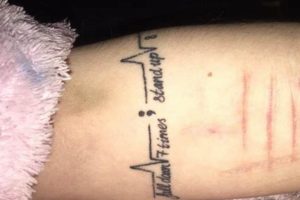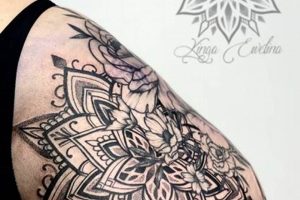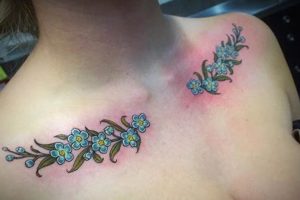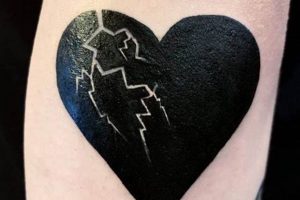



Tattoos symbolizing respiration represent a powerful reminder of life’s essential nature. These designs can range from simple text-based inhalations and exhalations to intricate depictions of lungs, rib cages, or air currents. Floral motifs, such as dandelions or cherry blossoms dispersing seeds on the wind, can also evoke the concept of breath and its life-giving properties. Abstract imagery like swirling smoke or geometric patterns mirroring the cyclical nature of breathing are other popular choices.
The act of breathing is often associated with mindfulness, resilience, and overcoming challenges. Choosing a tattoo that represents this vital function can serve as a personal symbol of strength, a reminder to stay present, or a commemoration of overcoming a difficult period. Historically, breath has held significant spiritual meaning across various cultures, symbolizing the soul, spirit, or life force. This historical significance adds another layer of depth and meaning to respiration-themed body art.
This exploration will delve further into specific design elements, placement considerations, and artistic styles associated with respiration-themed tattoos, providing a comprehensive guide for those seeking inspiration and information.
1. Visual Representation

Visual representation forms the core of effective “breathe” tattoos, translating an abstract concept into a tangible image. The choice of imagery significantly impacts the tattoo’s meaning and aesthetic. Representations range from literal depictions, such as anatomical lungs or rib cages, to more symbolic imagery like feathers, dandelions, or waves. A single word, “Breathe,” rendered in a specific typeface, can also serve as a powerful visual reminder. The selection should align with the individual’s personal interpretation of breath and its significance.
For example, a realistic depiction of lungs might symbolize overcoming respiratory illness or valuing physical health. A feather, on the other hand, could represent lightness, freedom, and the ephemeral nature of breath. Waves might evoke the rhythmic ebb and flow of respiration, connecting it to the natural world. The visual representation acts as the primary communicator of the tattoo’s intended message, making its careful consideration crucial. The chosen imagery can also influence the tattoo’s placement and overall composition.
Ultimately, successful visual representation hinges on the clarity and resonance of the chosen imagery. Challenges lie in balancing aesthetic appeal with symbolic depth. A well-chosen visual element transforms a simple concept into a powerful and personal statement, etched permanently onto the skin. This careful selection ensures the tattoo effectively embodies the individual’s unique relationship with the act of breathing and its associated meaning.
2. Placement on Body

Placement significantly influences the impact and personal meaning of a breath-themed tattoo. The body serves as a canvas, and choosing the right location enhances the design’s symbolism and visibility. Areas associated with respiration, such as the rib cage, sternum, or near the lungs, offer a direct anatomical connection, emphasizing the physical act of breathing. These placements can create a sense of intimacy and personal significance, as the tattoo rests directly over the organs it represents. A tattoo encircling the wrist, like a bracelet, can serve as a constant, subtle reminder to breathe deeply and stay present. The wrist’s frequent visibility makes it an ideal location for a personal mantra or affirmation.
Consideration of the tattoo’s size and complexity also plays a role in placement decisions. Larger, more detailed designs, like anatomical lungs or expansive landscapes, might be better suited for the back, chest, or thigh, offering ample space for intricate details. Smaller, minimalist designs, such as a single word or a small feather, can be placed discreetly on the wrist, ankle, or behind the ear. Practical considerations, like clothing coverage and sun exposure, should also inform placement choices. A tattoo in a frequently exposed area may require more diligent sun protection to prevent fading.
Strategic placement maximizes a breath-themed tattoo’s impact, transforming it from a simple image into a powerful personal symbol. Choosing a location that resonates with the individual’s intended meaning and lifestyle amplifies the tattoo’s message. The body’s natural contours further enhance the design, creating a harmonious integration of art and anatomy. Ultimately, careful consideration of placement ensures the tattoo remains a meaningful and visually appealing expression of personal significance for years to come.
3. Incorporation of Text

Incorporating text into breath-themed tattoos adds a layer of literal meaning and personalization. Words like “Inhale,” “Exhale,” “Breathe,” or short phrases such as “Just Breathe” or “Find Your Breath” directly reinforce the tattoo’s core message. The typeface chosen contributes significantly to the overall aesthetic and can further enhance the intended meaning. A flowing script might evoke a sense of calm and tranquility, while a bolder, more geometric font could represent strength and resilience. Text can also be incorporated in other languages, adding a cultural or personal dimension. For example, the Sanskrit word “Prana,” meaning “life force” or “breath,” adds a spiritual element.
The placement of text relative to other design elements, such as feathers, waves, or anatomical imagery, creates a visual hierarchy and guides the viewer’s interpretation. Intertwining text with imagery can create a cohesive and symbolic narrative. For instance, the words “Inhale” and “Exhale” placed along the trajectory of a feather or wave visually depict the cyclical nature of breath. Including significant dates, names, or short, meaningful quotes further personalizes the tattoo, transforming it into a unique narrative or memorial. A quote from a loved one or a lyric from a meaningful song can add a powerful emotional dimension to the design.
Thoughtful text incorporation elevates breath-themed tattoos beyond purely visual representations. The chosen words, typeface, and placement work synergistically with other design elements to convey a deeper, more personalized message. This integration of text allows for a nuanced expression of the wearer’s relationship with breath, transforming a simple concept into a powerful statement of personal meaning and resilience. The careful selection and integration of text ensure the tattoo remains a source of inspiration and personal reflection.
4. Symbolic elements
Symbolic elements enrich breath-themed tattoos, imbuing them with layers of meaning beyond the literal representation of respiration. These elements draw upon cultural and personal associations, transforming a simple image into a powerful personal narrative. Careful selection of symbolic imagery enhances the tattoo’s resonance and allows for a more nuanced expression of the wearer’s connection to the concept of breath.
- Floral Motifs
Flowers, particularly those associated with airiness or the dispersal of seeds, frequently symbolize breath and the ephemeral nature of life. Dandelions, cherry blossoms, and lotus flowers represent resilience, rebirth, and spiritual awakening, respectively. Their delicate forms and connection to natural cycles align with the cyclical nature of breathing and its life-sustaining properties.
- Feathers
Feathers embody lightness, freedom, and the transient nature of breath. They symbolize ascension, spiritual connection, and the release of burdens. Different feather types carry unique meanings; for example, eagle feathers symbolize strength and courage, while dove feathers represent peace and tranquility. The feather’s gentle movement in the wind further connects it to the invisible yet essential element of air.
- Geometric Patterns
Geometric patterns, especially those incorporating spirals or cyclical designs, can represent the continuous flow of breath and the interconnectedness of life. These patterns often hold spiritual significance, symbolizing balance, harmony, and the universe’s underlying order. Incorporating geometric elements adds a layer of visual complexity and allows for abstract interpretations of breath and its role in the cosmos.
- Waves and Water
The rhythmic ebb and flow of waves mirror the cyclical nature of breathing. Water, as a life-sustaining element, further reinforces the connection between breath and survival. Waves can also symbolize the emotional tides of life, representing the ability to navigate challenges and find inner peace through mindful breathing. The fluidity and adaptability of water mirror the resilience associated with the act of breathing.
These symbolic elements, when thoughtfully integrated into a breath-themed tattoo design, elevate the piece from a simple image to a complex and deeply personal statement. The chosen symbols resonate with the individual’s unique understanding of breath and its significance in their life, creating a lasting reminder of resilience, mindfulness, and the interconnectedness of all things. The careful selection of symbolic imagery imbues the tattoo with a narrative that extends far beyond its visual representation.
5. Artistic Style

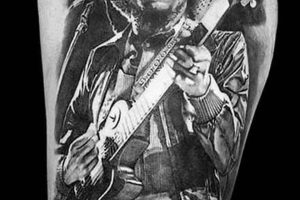
Artistic style significantly impacts the final presentation and overall effect of breathe tattoo ideas. Style dictates the visual language used to translate the concept of breath into a tangible image, influencing its emotional impact and aesthetic appeal. The chosen style should align with the individual’s personal preferences and the specific symbolism they wish to convey. A minimalist style, characterized by clean lines and simple forms, can effectively communicate a sense of clarity, focus, and intentionality, reflecting the meditative aspect of breathing. Conversely, a more intricate and detailed style, such as realism or watercolor, can capture the dynamic and complex nature of breath, emphasizing its life-giving properties. For example, a realistic depiction of lungs surrounded by botanical elements might symbolize the interconnectedness of life and breath, while a simple outline of the word “Breathe” rendered in a minimalist font could represent a commitment to mindfulness.
Specific artistic styles offer unique possibilities for expressing the concept of breath. Geometric patterns lend themselves to representing the cyclical nature of inhalation and exhalation, while watercolor’s fluidity can evoke the ephemeral quality of air. Realism allows for detailed anatomical representations of the respiratory system, emphasizing the physical act of breathing. Dotwork, a technique using small dots to create shading and texture, can create an ethereal effect, suggesting the invisible yet powerful force of breath. Similarly, illustrative styles offer flexibility in depicting symbolic elements, like feathers or dandelions, allowing artists to imbue the tattoo with personalized meaning. Choosing the appropriate artistic style ensures the tattoo effectively communicates its intended message and resonates with the individual on a personal level.
Careful consideration of artistic style is crucial for effectively translating breathe tattoo ideas into compelling visual representations. The chosen style significantly impacts the tattoo’s aesthetic appeal, symbolic depth, and overall impact. Selecting a style that aligns with the individual’s personal preferences and the intended message ensures the tattoo remains a powerful and meaningful expression of their relationship with breath. The artistic style serves as the conduit through which the abstract concept of breath is transformed into a tangible and enduring work of art.
Tips for Breathe Tattoo Ideas
Careful planning ensures a breathe tattoo effectively embodies its intended meaning. Consider these tips to create a meaningful and aesthetically pleasing design.
Tip 1: Research Symbolism: Thoroughly research potential symbolic elements. A feather may represent freedom, while a dandelion signifies resilience. Understanding these nuances prevents misinterpretations and ensures the chosen symbolism aligns with personal values.
Tip 2: Consider Placement Carefully: Placement impacts visibility and symbolism. Rib cage placement emphasizes the physical act of breathing, while a wrist tattoo serves as a constant reminder. Placement should complement the design and personal preferences.
Tip 3: Choose a Suitable Artistic Style: Artistic style dictates the tattoo’s overall aesthetic. Minimalism emphasizes simplicity, while realism portrays intricate detail. The chosen style should harmonize with the symbolism and desired visual impact.
Tip 4: Prioritize Quality: Seek a reputable and skilled tattoo artist specializing in the chosen style. A skilled artist ensures the tattoo’s longevity and effectively translates the concept into a visually appealing piece.
Tip 5: Reflect on Personal Meaning: A breath tattoo should resonate deeply with personal experiences and values. Reflect on what breath symbolizes individually, whether it’s resilience, mindfulness, or overcoming challenges, to create a truly meaningful design.
Tip 6: Explore Different Visual Representations: Don’t limit design ideas to common imagery. Explore less conventional representations, such as geometric patterns or abstract designs, to create a unique and personalized tattoo.
Tip 7: Plan for Long-Term Care: Tattoos require ongoing care to maintain vibrancy and prevent fading. Consult with the tattoo artist about aftercare procedures and commit to a proper care routine.
Following these tips helps ensure a breathe tattoo becomes a powerful and enduring symbol of personal meaning. Careful planning and consideration of these factors contribute to a successful and fulfilling tattoo experience.
By understanding the importance of symbolism, placement, artistic style, and personal meaning, individuals can create breathe tattoos that serve as lasting reminders of resilience, mindfulness, and the importance of each breath.
Frequently Asked Questions
This section addresses common queries regarding breath-themed tattoos, providing clarity and guidance for those considering such a design.
Question 1: What is the typical cost of a breath tattoo?
Tattoo costs vary based on size, complexity, artist’s experience, and studio location. Small, minimalist designs may cost less than larger, more intricate pieces. Consulting with a chosen artist provides a personalized quote.
Question 2: How painful is a breath tattoo, particularly on the ribs or chest?
Pain levels differ based on individual pain tolerance and tattoo location. Ribs and chest are generally considered more sensitive areas. Discussing pain management options with the tattoo artist can alleviate discomfort during the process.
Question 3: What are the best aftercare practices for breath tattoos?
Proper aftercare is crucial for healing and longevity. Following the artist’s specific instructions is essential. General aftercare involves keeping the tattoo clean, moisturized, and protected from sun exposure during the healing period. This ensures optimal healing and color retention.
Question 4: Can breath tattoos be incorporated into existing tattoos?
Incorporating a breath-themed design into existing tattoos requires careful planning and consultation with a skilled artist. The artist assesses the existing tattoo’s design, placement, and color palette to ensure seamless integration of the new elements. Compatibility between existing and new ink ensures a cohesive final result.
Question 5: What if the meaning of my breath tattoo changes over time?
Tattoos are permanent, but their meaning can evolve alongside personal growth. While complete removal is possible, it can be costly and time-consuming. Alternatively, adding new elements or adapting the existing design can reflect evolving perspectives. Careful consideration of the design’s long-term significance minimizes potential regret.
Question 6: Are there cultural or spiritual considerations associated with breath tattoos?
Breath holds significant meaning across various cultures and spiritual traditions. Researching the cultural and spiritual connotations associated with specific symbols, like the Sanskrit word “Prana,” ensures the chosen design aligns with personal beliefs and avoids unintended misinterpretations.
Careful consideration of these frequently asked questions assists individuals in making informed decisions about their breath-themed tattoo. Consulting with experienced tattoo artists further clarifies any remaining concerns and ensures a positive and meaningful tattooing experience.
For further exploration, consult with a reputable tattoo artist to discuss design options and personalize your breath tattoo concept.
Breathe Tattoo Ideas
Exploration of “breathe tattoo ideas” reveals the multifaceted nature of these designs. Considerations encompass visual representation, placement, textual incorporation, symbolic elements, and artistic style. Each facet contributes to a tattoo’s overall impact, transforming a simple concept into a powerful statement of personal meaning. Careful selection of imagery, informed placement decisions, and appropriate stylistic choices ensure the tattoo resonates with individual values and aesthetic preferences. Meaningful integration of symbolic elements further enhances the design’s depth and personal significance.
Ultimately, “breathe tattoo ideas” offer a potent reminder of life’s essential nature. These tattoos serve as enduring symbols of resilience, mindfulness, and the continuous cycle of breath. Thoughtful consideration of the elements discussed empowers individuals to create deeply personal and visually compelling tattoos that resonate with their unique experiences and aspirations. The permanence of these designs underscores the importance of deliberate choices, transforming a fleeting concept into a lasting embodiment of personal significance.