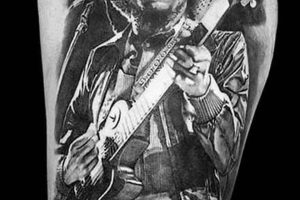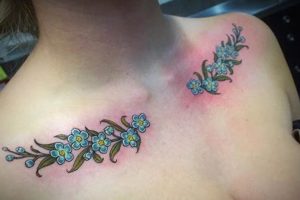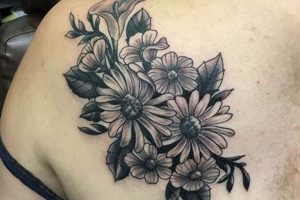



Lower back tattoos, frequently referred to as “tramp stamps” in earlier decades, represent a form of self-expression localized to the gluteal region. Designs range from small, minimalist symbols to large, intricate compositions, often incorporating elements of nature, spirituality, or personal narratives. Examples include floral patterns, mandalas, quotes, or depictions of animals.
The placement offers a unique canvas for body art, allowing for designs that can be easily concealed or prominently displayed depending on attire. Historically, lower back tattoos held cultural significance in various societies, sometimes symbolizing fertility or belonging to a specific group. Contemporary interpretations emphasize personal aesthetics and the desire for a distinctive form of body modification. Choosing this location allows for a relatively large and flat surface area suitable for diverse artistic styles.
Factors to consider before selecting a design for this area include pain tolerance (as the area can be sensitive), aftercare procedures specific to the location, and the potential impact on clothing choices. Exploring various artistic styles and consulting with experienced tattoo artists are vital steps in ensuring a satisfying and aesthetically pleasing result.
1. Placement

Placement is a crucial factor in lower back tattoo design, influencing both the aesthetic impact and the practicality of the tattoo. Careful consideration of the natural curves and musculature of this area is essential for a visually appealing and well-integrated design. Placement options create different visual effects and offer varying levels of discretion.
- Upper Booty/Lower Back
This classic placement centers the design just above the buttocks, following the natural curve of the lower back. It allows for larger designs and offers versatility in terms of visibility. Tribal patterns, mandalas, and floral designs are frequently chosen for this location.
- Hip/Side Booty
Positioning the tattoo on the hip or the side of the buttocks creates a more subtle and suggestive look. Smaller designs, such as single flowers, quotes, or delicate patterns, work well in this area. This placement can flow seamlessly into other tattoo work on the leg or hip.
- Center of the Booty
This bold placement draws attention directly to the center of the buttocks. Designs often incorporate symmetry and can range from small, minimalist symbols to more elaborate compositions. This option requires careful consideration of body proportions and how the design will interact with movement.
- Tailbone
The tailbone area offers a smaller, discreet canvas. Small, delicate designs, such as stars, hearts, or simple geometric shapes, are common choices. This placement is often considered more intimate and can be easily concealed.
Ultimately, the best placement depends on individual preferences, the chosen design, and desired level of visibility. Consulting with a skilled tattoo artist is crucial for determining the optimal placement to enhance both the aesthetics and longevity of the tattoo, ensuring a balanced and harmonious composition that complements the body’s natural contours.
2. Size and Scale

Size and scale are critical determinants of a gluteal tattoo’s overall aesthetic impact. The chosen dimensions must harmonize with both the design’s intricacies and the individual’s body contours. A design too small might appear lost or insignificant, while an excessively large one can overwhelm the area, appearing disproportionate or cluttered. Consideration of the interplay between these elements is essential for achieving a visually balanced and aesthetically pleasing outcome. For instance, a detailed portrait requires sufficient space to capture nuances of expression, whereas a simple symbolic design may benefit from smaller dimensions to maintain elegance and subtlety. The curvature of the body also plays a role; larger designs can effectively utilize the broader expanse of the upper buttocks, while smaller, more delicate designs may be better suited to the hip or tailbone area.
Proportionality is key. The scale of a design should complement the available canvas. A sprawling, intricate design might appear cramped on a smaller area, losing detail and impact. Conversely, a small, minimalist design might appear lost on a larger area, lacking visual presence. Achieving visual harmony relies on the appropriate scaling of the design to fit the chosen location. For example, a large mandala would be well-suited to the upper back, while a delicate floral motif might be more appropriately scaled for the hip. Effective use of size and scale can create an illusion of depth or enhance the three-dimensionality of the design, adding another layer of visual interest.
Careful selection of size and scale ensures the design integrates seamlessly with the body’s natural contours. This consideration contributes significantly to the tattoo’s long-term aesthetic appeal. Consultation with an experienced tattoo artist is highly recommended. Professional guidance ensures informed decisions regarding appropriate dimensions, taking into account individual body shape, the chosen design, and its intended placement. This collaboration leads to a balanced composition, maximizing visual impact and ensuring the tattoo remains aesthetically pleasing over time.
3. Design Style
Design style significantly influences the aesthetic impact of gluteal tattoos. Careful selection of a style that complements both individual preferences and the body’s natural contours is paramount. Various styles, each with unique characteristics, offer diverse possibilities for artistic expression in this specific location. Understanding these styles and their implications is crucial for achieving a visually harmonious and personally meaningful result.
- Tribal
Tribal designs, often characterized by bold black lines, geometric patterns, and symbolic imagery, offer a powerful and visually striking aesthetic. Inspired by traditional tribal art from various cultures, these designs can represent heritage, spirituality, or personal values. Their strong lines and symmetrical forms often complement the curves of the lower back, creating a visually dynamic composition.
- Floral
Floral designs, ranging from delicate single blossoms to intricate botanical arrangements, introduce an element of natural beauty and femininity. Specific flowers can carry symbolic meaning, representing concepts like love, growth, or resilience. The flowing lines and organic shapes of floral designs can gracefully follow the body’s contours, creating a soft and elegant aesthetic.
- Mandala
Mandalas, intricate circular designs representing the universe in various spiritual traditions, offer a visually captivating and symbolic choice. Their symmetrical patterns and intricate details create a sense of balance and harmony. The circular form of mandalas can be effectively integrated into the curves of the lower back, resulting in a visually striking and spiritually resonant tattoo.
- Realism
Realistic designs, characterized by detailed depictions of people, animals, or objects, offer a powerful means of capturing personal narratives or expressing admiration for specific subjects. This style demands a high level of artistic skill to achieve lifelike representation. Realistic tattoos on the lower back can create a visually stunning and deeply personal statement.
Ultimately, the chosen design style should reflect individual preferences and the desired message or aesthetic. Consultation with a skilled tattoo artist experienced in various styles is essential for selecting the most suitable approach. This collaboration ensures a cohesive and visually impactful result that harmonizes with the body’s natural contours and remains aesthetically pleasing for years to come.
4. Pain Management

Pain management is a crucial consideration for gluteal tattoos due to the area’s heightened sensitivity. The skin here is relatively thin and lies close to bone in certain areas, increasing potential discomfort. Effective pain management strategies are essential for a positive tattooing experience, enabling individuals to endure the process and ensuring the artist can execute the design with precision.
- Numbing Creams
Topical anesthetic creams, applied prior to the procedure, can significantly reduce discomfort. These creams numb the skin’s surface, minimizing pain signals sent to the brain. Effective use requires proper application and sufficient time for the cream to take effect. While numbing creams can significantly alleviate pain, individual experiences vary, and complete numbness is not always guaranteed.
- Deep Breathing Techniques
Controlled deep breathing techniques can serve as a non-pharmacological pain management tool. Deep breaths help regulate heart rate, reduce muscle tension, and promote relaxation, thereby minimizing the perception of pain. Practicing these techniques before and during the tattooing process can improve comfort levels.
- Over-the-Counter Pain Relievers
Over-the-counter pain relievers, such as ibuprofen or acetaminophen, can be taken before the procedure to minimize discomfort. These medications help reduce inflammation and alleviate pain signals. However, it’s essential to consult a healthcare professional before taking any medication, especially if pre-existing medical conditions exist. Aspirin and other blood-thinning medications should be avoided as they can increase bleeding.
- Communication with the Artist
Open communication with the tattoo artist is crucial for effective pain management. Artists experienced in working on this area understand the varying levels of sensitivity and can adjust their technique or offer breaks as needed. Clear communication about pain thresholds and any discomfort experienced ensures a more comfortable and collaborative tattooing process. This collaborative approach allows the artist to work efficiently while minimizing client discomfort.
Implementing these strategies can contribute significantly to a more positive and manageable tattooing experience. Proactive pain management not only reduces discomfort but also enables greater focus and collaboration with the artist, ultimately enhancing the quality and precision of the final result. Prioritizing pain management demonstrates a commitment to both personal well-being and the artistic integrity of the tattoo.
5. Aftercare

Proper aftercare is paramount for preserving the vibrancy and longevity of gluteal tattoos. This area presents unique challenges due to its location and frequent contact with clothing. Diligent adherence to specific aftercare practices is crucial for minimizing complications, promoting efficient healing, and ensuring the tattoo retains its intended aesthetic appeal over time. Neglecting these practices can lead to infection, ink fading, or scarring, compromising the tattoo’s appearance and potentially causing health issues.
- Cleaning
Gentle cleansing with a mild, fragrance-free soap is essential to remove excess ink, plasma, and potential contaminants. Harsh scrubbing or the use of scented products can irritate the sensitive skin, hindering the healing process and potentially affecting ink retention. Thorough rinsing and gentle patting dry with a clean towel are essential steps in maintaining hygiene and promoting healthy skin regeneration.
- Moisturizing
Regular application of a fragrance-free, hypoallergenic moisturizer is crucial for maintaining skin hydration and promoting healing. Dry skin can impede the healing process, increase the risk of infection, and potentially cause ink fading. Applying a thin layer of moisturizer several times a day helps maintain optimal skin health and preserves the vibrancy of the tattoo’s colors.
- Clothing
Loose-fitting, breathable clothing is essential to minimize friction and irritation during the healing process. Tight-fitting clothing can rub against the tattoo, causing discomfort, increasing the risk of infection, and potentially damaging the ink. Opting for soft, natural fabrics allows for better air circulation, promoting faster healing and minimizing potential complications. For optimal healing, it is advisable to avoid tight clothing, especially jeans and other restrictive garments, for at least the initial healing period of several weeks.
- Sun Protection
Protecting the tattooed area from direct sunlight is crucial, especially during the initial healing phase. Sun exposure can fade the ink and irritate the sensitive skin. Applying a high-SPF sunscreen to the healed tattoo, once the initial healing phase is complete, helps maintain color vibrancy and prevent premature aging of the tattoo. Consistent sun protection is essential for preserving the long-term aesthetic quality of the tattoo.
Consistent adherence to these aftercare practices demonstrates a commitment to preserving the quality and longevity of the gluteal tattoo. Proper aftercare not only minimizes potential complications but also ensures the tattoo retains its intended artistic expression for years to come, maximizing the investment in both the artistry and the personal expression it represents.
Tips for Gluteal Tattoo Selection and Placement
Careful planning is essential for a successful gluteal tattoo. These tips offer guidance for navigating the decision-making process, ensuring a satisfying and aesthetically pleasing result.
Tip 1: Research Artists Thoroughly: Expertise in various tattoo styles is crucial. Review portfolios, focusing on experience with gluteal tattoos. Seek artists known for clean linework, precise shading, and effective color saturation in this specific location.
Tip 2: Consider Body Shape and Proportions: Design placement and size should complement individual body contours. A design that appears balanced on one body type may not translate well to another. Discuss placement options with the chosen artist to ensure harmonious integration with the body’s natural curves.
Tip 3: Prioritize Timeless Design Choices: Trends fluctuate. Opt for designs with personal significance and enduring appeal. Classic imagery, symbolic representations, or personalized artwork maintain relevance over time, minimizing potential regret.
Tip 4: Plan for Long-Term Maintenance: Gluteal tattoos require ongoing care. Sun exposure, weight fluctuations, and skin aging can impact appearance over time. Commit to regular moisturizing, sun protection, and potential touch-ups to maintain the tattoo’s vibrancy and clarity.
Tip 5: Evaluate Pain Tolerance Realistically: The gluteal area can be sensitive. Consider individual pain thresholds when selecting design size and complexity. Discuss pain management options with the artist to ensure a comfortable experience. Mental preparation and relaxation techniques can also contribute to pain management during the procedure.
Tip 6: Understand Aftercare Requirements: Proper aftercare is essential for optimal healing and ink retention. Follow artist instructions diligently, including cleaning, moisturizing, and clothing considerations. Adherence to aftercare protocols minimizes the risk of infection and preserves the tattoo’s long-term aesthetic appeal.
Tip 7: Budget Appropriately: High-quality tattoos require investment. Factor in artist fees, aftercare products, and potential touch-up costs. Prioritizing quality over cost ensures a satisfying result and minimizes potential complications. View the tattoo as an investment in personal expression and artistic skill.
Careful consideration of these tips contributes to a successful gluteal tattoo experience, ensuring a result that embodies personal expression and aesthetic satisfaction for years to come. A well-chosen design, executed by a skilled artist, and maintained with diligent aftercare becomes a lasting testament to personal style and artistic appreciation.
By following these guidelines, individuals can embark on the journey of acquiring a gluteal tattoo with confidence and clarity, ensuring a positive experience and a result that reflects their individual aesthetic vision.
Frequently Asked Questions about Gluteal Tattoos
This section addresses common inquiries regarding gluteal tattoos, providing factual information to facilitate informed decision-making.
Question 1: How much do gluteal tattoos typically cost?
Cost varies based on design complexity, size, artist experience, and geographic location. Larger, more intricate designs require more time and skill, thus increasing cost. Researching local artists and requesting quotes provides a realistic budget estimate.
Question 2: What is the typical healing time for a gluteal tattoo?
Healing typically takes several weeks, with complete healing requiring up to two months. Individual healing rates vary depending on factors such as overall health, aftercare diligence, and design specifics. Strict adherence to aftercare instructions promotes efficient healing and minimizes complications.
Question 3: Are gluteal tattoos more painful than tattoos in other locations?
The gluteal region’s sensitivity varies depending on specific placement. Areas with thinner skin or proximity to bone may experience greater sensitivity. Individual pain tolerance also plays a significant role. Effective pain management strategies can mitigate discomfort during the procedure.
Question 4: How does weight fluctuation affect gluteal tattoos?
Significant weight fluctuations can distort or stretch the tattoo’s design. Maintaining a stable weight helps preserve the tattoo’s intended appearance. Minor weight changes may have minimal impact, but significant gains or losses can necessitate touch-ups to restore the design’s integrity.
Question 5: What design styles are most suitable for gluteal tattoos?
Suitable design styles vary depending on individual preferences and aesthetic goals. Larger designs, such as mandalas, tribal patterns, or floral compositions, often complement the area’s contours effectively. Smaller, minimalist designs can also be aesthetically pleasing, particularly when strategically placed.
Question 6: How does one find a reputable and experienced tattoo artist for gluteal tattoos?
Thorough research is essential. Reviewing artist portfolios, seeking recommendations from trusted sources, and verifying certifications and licenses helps ensure selection of a qualified and experienced professional. Consultation with multiple artists allows comparison of styles and expertise before making a final decision.
Careful consideration of these frequently asked questions provides valuable insights and facilitates informed decision-making regarding gluteal tattoos. Understanding the process, potential risks, and aftercare requirements empowers individuals to embark on the journey with realistic expectations and a commitment to achieving a satisfying and aesthetically pleasing result.
Further exploration of specific design ideas and consultations with experienced tattoo artists can further personalize the decision-making process, ensuring the chosen design aligns with individual preferences and aesthetic goals.
Conclusion
Exploring the nuances of lower back tattoo design reveals a complex interplay of artistic expression, personal aesthetics, and practical considerations. Placement, size and scale, design style, pain management, and aftercare each play a crucial role in the final outcome. Careful consideration of these elements is essential for achieving a visually harmonious and personally meaningful result. From the bold statements of tribal designs to the delicate beauty of floral motifs, the lower back offers a unique canvas for diverse artistic styles. Understanding the anatomical considerations of this area and collaborating with a skilled artist ensures a design that complements the body’s natural contours and stands the test of time.
Ultimately, a successful lower back tattoo represents a harmonious fusion of artistic vision and informed decision-making. Thorough research, realistic expectations, and diligent aftercare are crucial for ensuring a positive experience and a result that embodies personal style and artistic appreciation for years to come. The decision to acquire a lower back tattoo represents a commitment to personal expression, demanding careful consideration and informed choices at every stage of the process.