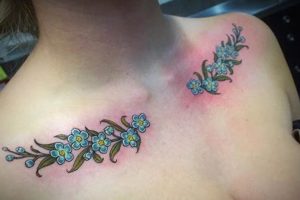



Entomological designs for body art encompass a vast range of styles and symbolic meanings. From delicate butterfly wings to intricate beetle carapaces, these designs can be realistic, stylized, or abstract. A small, simple ladybug might represent good luck, while a large, detailed praying mantis could symbolize patience and precision.
The enduring appeal of insect-inspired tattoos stems from the diversity and beauty of the insect world. These designs offer opportunities for intricate detail, vibrant colors, and powerful symbolism. Historically, various cultures have attributed spiritual or mythological significance to specific insects, further enriching their potential meaning in body art. Choosing an insect for a tattoo allows individuals to express personal connections to nature, specific traits, or symbolic representations.
Exploring the breadth of available options requires consideration of factors such as insect species, artistic style, size, placement, and color palette. Researching different artists specializing in this genre can also ensure a well-executed and meaningful piece.
1. Insect Species

The choice of insect species profoundly influences the aesthetic and symbolic meaning of entomological tattoos. Each species carries unique visual characteristics and cultural associations, shaping the design’s overall impact. Butterflies, for instance, often represent transformation and beauty, while moths symbolize mystery and the nocturnal world. Beetles, with their armored exoskeletons, can evoke strength and resilience. Dragonflies, known for their agility and vibrant colors, may represent change and adaptability. Ants symbolize industriousness and community, while spiders often embody patience and creativity, despite sometimes being associated with darker themes. The selection of a particular species thus serves as the foundation upon which the entire tattoo concept is built.
Consideration of the insect’s natural habitat and behavior can further enrich the design’s narrative. A scarab beetle, revered in ancient Egypt, might be depicted amidst hieroglyphs or desert motifs, reinforcing its symbolic connection to rebirth and protection. A honeybee surrounded by flowers could represent industriousness and the interconnectedness of nature. A praying mantis poised for attack can symbolize precision and focus. By integrating these elements, the tattoo becomes more than just an image; it becomes a story, a personal statement reflecting the wearer’s affinity for a particular species and its associated attributes.
Careful species selection is therefore paramount. It establishes the visual centerpiece, informs the stylistic choices, and imbues the tattoo with symbolic weight. Thorough research into the chosen insect’s natural history and cultural significance ensures a design that is both visually compelling and deeply meaningful. This meticulous approach elevates the tattoo from a simple image to a complex and personal work of art, reflecting the wearer’s appreciation for the natural world and their chosen symbolic representation.
2. Style (realistic, abstract)

Artistic style significantly impacts the visual representation of entomological themes in tattoos. A realistic approach emphasizes anatomical accuracy and intricate detail, striving to replicate the insect’s appearance as faithfully as possible. This style often utilizes fine lines, shading, and a nuanced color palette to capture the creature’s texture, iridescence, and intricate markings. A realistic rendering of a butterfly, for example, might showcase the delicate veins in its wings and the subtle gradations of color, while a realistic beetle tattoo could emphasize the sheen of its carapace and the segmented structure of its legs.
Conversely, abstract styles offer greater creative freedom, prioritizing symbolic representation over precise anatomical detail. Geometric patterns, simplified forms, and bold colors can be employed to capture the essence of the insect rather than its literal appearance. An abstract butterfly tattoo might focus on the graceful curves of its wings, represented by flowing lines and vibrant splashes of color. An abstract bee could be symbolized by a stylized hexagon, referencing the honeycomb structure central to its life cycle. This approach allows for greater personalization and artistic interpretation, enabling the wearer to convey a specific emotion or concept associated with the chosen insect.
The chosen style ultimately depends on individual preferences and the desired aesthetic. Realistic styles appeal to those seeking a visually accurate representation of the insect, celebrating its natural beauty and intricate form. Abstract styles offer a platform for greater artistic expression and symbolic representation, allowing the wearer to imbue the tattoo with deeper personal meaning. Consideration of both approaches, and their potential variations, ensures a design that effectively reflects the wearer’s vision and appreciation for the chosen entomological subject.
3. Size and Placement

Size and placement are crucial considerations in entomological tattoo design, impacting both the visual composition and the overall effect. These factors influence how the design interacts with the body’s contours, its visibility, and the level of detail that can be achieved. Careful planning ensures the chosen insect is represented effectively and harmoniously integrates with the individual’s physique.
- Scale and Detail
The size of the tattoo directly affects the level of detail that can be incorporated. Larger designs allow for intricate features like wing veining, textured carapaces, and subtle color gradations. Smaller tattoos necessitate simplification, focusing on essential lines and shapes to maintain clarity. A large, detailed praying mantis on the back can showcase its intricate anatomy, while a small, stylized ladybug on the wrist might emphasize its symbolic meaning of luck.
- Body Contours and Flow
Placement should complement the body’s natural curves and musculature. Elongated insects like stick insects or butterflies can be positioned to accentuate the length of a limb or the curve of the spine. Rounded insects like beetles or spiders might be better suited to areas like the shoulder or calf muscle. A dragonfly tattoo following the line of the collarbone can create a sense of elegant flow, while a spider tattoo wrapping around the ankle can highlight its form.
- Visibility and Discretion
Placement also determines the tattoo’s visibility. Highly visible areas like the hands, neck, and forearms make a bold statement, while less visible areas like the back, ribs, or thighs offer greater discretion. A vibrant butterfly tattoo on the hand expresses outward confidence, whereas a subtle moth tattoo behind the ear offers a more intimate and personal touch.
- Composition and Balance
Consideration of surrounding elements, such as existing tattoos or body features, ensures a balanced and harmonious composition. A small insect tattoo can complement a larger existing piece, while a standalone design should be positioned to create a visually pleasing focal point. A cluster of small bees on the shoulder blade could create a sense of dynamic movement, while a single, large scarab beetle centered on the chest could evoke a sense of strength and symmetry.
By carefully considering scale, body contours, visibility, and composition, individuals can ensure their chosen insect is represented in a way that is both aesthetically pleasing and personally meaningful. These elements work in concert to create a tattoo that not only showcases the beauty and symbolism of the insect but also harmoniously integrates with the wearer’s body, becoming a truly unique and expressive piece of art.
4. Color Palette

Color palette selection significantly influences the aesthetic impact and symbolic representation of entomological tattoos. Color choices can enhance realism, evoke specific emotions, and contribute to the overall narrative of the design. Careful consideration of color theory, the insect’s natural coloration, and the desired artistic style ensures a visually compelling and meaningful tattoo.
- Realism and Naturalism
Realistic depictions of insects often rely on accurate color reproduction to capture the creature’s natural beauty. Detailed observation and careful color matching are essential for achieving lifelike representations of iridescent butterfly wings, the metallic sheen of beetle carapaces, or the subtle camouflage patterns of praying mantises. This approach emphasizes the natural world’s inherent beauty and the intricate details of insect morphology.
- Symbolic Color Associations
Colors carry symbolic weight, influencing the tattoo’s overall meaning. Green can represent nature, growth, and renewal, making it suitable for insects associated with these themes, such as caterpillars or grasshoppers. Black can evoke mystery, power, or death, potentially fitting for spiders or scorpions. Red can symbolize passion, danger, or warning, appropriate for ladybugs or certain venomous insects. Understanding these associations allows for a more nuanced and layered representation.
- Stylization and Artistic Expression
Color choices can also deviate from naturalism to achieve specific artistic effects. Bold, contrasting colors can create a striking graphic design, while muted, monochromatic palettes can evoke a sense of vintage elegance. Unnatural color combinations can emphasize certain aspects of the insect or convey a particular mood or emotion. A neon-colored butterfly might represent a fantastical or surreal interpretation, while a black and grey moth could evoke a sense of melancholy or mystery.
- Contrast and Visual Impact
Effective use of contrast enhances visual interest and draws attention to specific details. Light colors against dark backgrounds create a sense of vibrancy and dynamism, while dark colors against light backgrounds can evoke a sense of mystery or drama. Careful consideration of color contrast ensures the tattoo’s elements are clearly defined and visually compelling, regardless of its size or placement. A brightly colored beetle against dark skin will stand out dramatically, while a dark spider against pale skin can create a stark and striking image.
The interplay of these factorsrealism, symbolism, stylization, and contrastallows for a vast range of artistic expression within entomological tattoo design. By carefully considering the chosen insect’s characteristics, the desired aesthetic, and the intended symbolic meaning, individuals can collaborate with skilled tattoo artists to create tattoos that are not only visually captivating but also deeply personal and meaningful representations of their chosen entomological subject.
5. Symbolism & Meaning

Symbolism plays a vital role in entomological tattoo design, imbuing the chosen insect with deeper meaning and personal significance. Cultural interpretations, individual experiences, and the inherent characteristics of the insect itself contribute to the rich tapestry of meaning embedded within these designs. Understanding this symbolism elevates the tattoo from a mere aesthetic choice to a powerful expression of personal identity and values.
Specific insects carry established symbolic associations across various cultures. Butterflies frequently represent transformation, rebirth, and the ephemeral nature of beauty. Dragonflies symbolize adaptability, change, and the power of illusion. Bees represent industriousness, community, and the sweet rewards of labor. Spiders, often viewed with both fear and fascination, can symbolize patience, creativity, and the delicate balance of life and death. Choosing an insect based on these established meanings allows individuals to express deeply held beliefs or personal experiences related to these concepts. A scarab beetle tattoo, for instance, might resonate with someone undergoing a period of significant personal change, drawing upon the ancient Egyptian symbolism of rebirth and renewal. Similarly, a honeybee tattoo could represent a dedication to hard work and community spirit.
Beyond established cultural meanings, personal experiences and individual interpretations further enrich the symbolism of insect tattoos. A specific insect encountered during a formative period in one’s life could hold unique personal significance. A childhood fascination with fireflies might lead to a tattoo that represents wonder, nostalgia, and the magic of the natural world. An encounter with a praying mantis during a period of focused effort could inspire a tattoo symbolizing patience, precision, and unwavering determination. These personal connections transform the tattoo into a tangible reminder of specific memories, experiences, and personal growth.
The inherent characteristics of the insect itself also contribute to its symbolic potential. The delicate wings of a butterfly can represent fragility and grace, while the armored exoskeleton of a beetle can symbolize resilience and strength. The vibrant colors of a dragonfly can evoke a sense of joy and vitality, while the intricate web of a spider can represent interconnectedness and the intricate patterns of life. By carefully considering these inherent qualities, individuals can choose an insect that reflects aspects of their own personality or desired aspirations. Integrating personal narratives, cultural interpretations, and the insect’s natural characteristics ensures that the tattoo becomes a powerful symbol of personal expression, reflecting the wearer’s unique story and connection to the natural world.
6. Artist Selection
Selecting a skilled artist specializing in entomological tattoos is paramount to realizing a successful design. An artist’s experience, style, and technical proficiency significantly influence the final result, ensuring the chosen insect is rendered with precision, artistry, and attention to detail. Careful consideration of an artist’s portfolio and approach is essential for achieving a high-quality, long-lasting tattoo that effectively translates the desired concept into a compelling piece of body art.
- Portfolio Examination
Thorough review of an artist’s portfolio provides invaluable insights into their skill level, stylistic preferences, and experience with entomological designs. A portfolio showcasing a diverse range of insects rendered with precision and artistry indicates proficiency in this specialized area. Close attention should be paid to the artist’s ability to capture intricate details, render realistic textures, and effectively utilize color. A portfolio demonstrating consistent high-quality work and a clear understanding of insect anatomy is a strong indicator of the artist’s suitability for the project.
- Style Alignment
Different artists possess unique stylistic approaches, ranging from photorealism to neo-traditional to abstract. Selecting an artist whose style aligns with the desired aesthetic ensures the final tattoo effectively captures the intended vision. An individual seeking a highly realistic rendering of a butterfly should choose an artist specializing in fine detail and accurate color reproduction. Someone preferring a stylized or geometric representation of a beetle should seek an artist whose portfolio reflects those aesthetic preferences. Alignment of artistic style is crucial for a satisfying and cohesive final product.
- Technical Proficiency
Technical skill encompasses line work, shading, color blending, and composition. An artist’s mastery of these technical aspects ensures a clean, well-executed tattoo that will age gracefully. Precise line work creates sharp, defined edges, while skillful shading adds depth and dimension. Effective color blending creates smooth transitions and vibrant hues. A well-composed tattoo balances elements harmoniously, ensuring visual appeal and longevity. Evaluating an artist’s technical proficiency is essential for a high-quality, enduring piece of body art.
- Consultation and Communication
Open communication with the chosen artist is crucial throughout the design process. A thorough consultation allows the artist to understand the client’s vision, preferences, and desired symbolism. Clear communication regarding size, placement, color palette, and specific details ensures the final design accurately reflects the client’s expectations. A collaborative approach, characterized by open dialogue and mutual understanding, fosters a positive working relationship and contributes to a successful outcome. Effective communication ensures the final tattoo is a personalized and meaningful representation of the client’s chosen insect.
By carefully considering these factorsportfolio, style, technical skill, and communicationindividuals seeking entomological tattoos can confidently select an artist capable of translating their vision into a stunning and enduring piece of art. This meticulous approach elevates the tattoo beyond a simple image, transforming it into a powerful symbol of personal expression, artistic appreciation, and a deep connection to the natural world.
Tips for Choosing Entomological Tattoo Designs
Successful entomological tattoo designs require careful planning and consideration. The following tips provide guidance for navigating the process effectively, ensuring a meaningful and aesthetically pleasing result.
Tip 1: Research Thoroughly
Comprehensive research is essential. Explore various insect species, artistic styles, and symbolic meanings before committing to a design. Consider the insect’s natural history, cultural significance, and personal resonance.
Tip 2: Prioritize Placement
Consider the tattoo’s visibility, size, and how it interacts with body contours. Placement impacts both aesthetics and the level of detail achievable. Larger designs accommodate greater complexity, while smaller tattoos require simplified forms.
Tip 3: Select an Experienced Artist
Choose a tattoo artist specializing in the desired style, whether realistic, abstract, or another approach. Review portfolios carefully to assess technical skill, artistic vision, and experience with entomological subjects. A skilled artist ensures a high-quality, well-executed tattoo.
Tip 4: Embrace Color Strategically
Color palettes influence mood, symbolism, and visual impact. Realistic designs may prioritize natural coloration, while stylized approaches can utilize bold or unexpected hues. Consider color theory principles and the tattoo’s overall message when selecting a palette.
Tip 5: Consider Long-Term Care
Tattoos require ongoing care to maintain vibrancy and prevent fading. Discuss aftercare procedures with the chosen artist and adhere to recommended practices for moisturizing, sun protection, and touch-ups.
Tip 6: Reflect Personal Meaning
Infuse the design with personal significance. Incorporate elements reflecting individual experiences, cultural connections, or symbolic interpretations. A personalized design transforms the tattoo into a powerful expression of individual identity.
Tip 7: Plan for Scalability
Consider future additions or modifications. A well-planned design allows for potential expansion or incorporation into larger compositions. Discuss scalability with the artist during the initial consultation.
Careful consideration of these factors contributes significantly to the success of entomological tattoo designs, ensuring a visually compelling and deeply meaningful piece of body art that will endure for years to come. These tips empower informed decisions, facilitating effective collaboration with skilled artists to realize a truly unique and personalized representation of the chosen entomological subject.
By following these guidelines, individuals can embark on the journey of acquiring an entomological tattoo with confidence and clarity, resulting in a piece of body art that is both aesthetically striking and deeply resonant with personal meaning.
Frequently Asked Questions about Insect Tattoos
This section addresses common inquiries regarding entomological tattoo designs, offering practical insights and clarifying potential concerns.
Question 1: What are the most popular insect choices for tattoos?
Butterflies, moths, bees, dragonflies, beetles, and spiders are among the most frequently chosen insects for tattoos. Their diverse appearances and symbolic meanings offer a wide range of options for personal expression.
Question 2: How painful are insect tattoos?
Pain levels vary depending on individual pain tolerance, tattoo size, placement, and the artist’s technique. Generally, areas with thinner skin or closer proximity to bone tend to be more sensitive. Discussing pain management options with the chosen artist can alleviate discomfort during the procedure.
Question 3: What factors influence the cost of an insect tattoo?
Size, complexity, color palette, the artist’s experience and hourly rate, and studio location all contribute to the overall cost. Detailed, large-scale designs requiring multiple sessions naturally incur higher costs than smaller, simpler tattoos. Obtaining quotes from multiple artists allows for informed budgeting.
Question 4: How long do insect tattoos take to heal?
Healing typically takes two to four weeks, depending on individual healing rates and the tattoo’s size and placement. Adhering to the artist’s aftercare instructions is crucial for proper healing and preventing complications.
Question 5: Can insect tattoos be covered up or removed?
Cover-ups and removals are possible but present unique challenges. Cover-ups require careful design planning to effectively conceal the existing tattoo. Laser removal necessitates multiple sessions and may not completely eliminate the tattoo. Consulting with experienced artists specializing in cover-ups or removal procedures is recommended.
Question 6: What are the best practices for maintaining the vibrancy of insect tattoos over time?
Protecting the tattoo from excessive sun exposure, maintaining skin hydration, and following a consistent skincare routine are essential for preserving color vibrancy and preventing premature fading. Periodic touch-ups by a qualified artist can restore color saturation and maintain the tattoo’s overall appearance.
Careful consideration of these frequently asked questions provides valuable insights for individuals contemplating entomological tattoos. Thorough research, informed decision-making, and open communication with experienced artists contribute to a successful and satisfying outcome.
Further exploration of specific insect species, artistic styles, and symbolic interpretations allows individuals to develop personalized designs reflecting their unique aesthetic preferences and personal narratives.
Bug Tattoo Ideas
Entomological tattoo designs offer a diverse range of aesthetic and symbolic possibilities. From meticulously detailed renderings of butterflies and beetles to stylized abstractions of spiders and dragonflies, the insect world provides a rich source of inspiration for personalized body art. Careful consideration of species selection, artistic style, size, placement, and color palette is essential for achieving a successful and meaningful design. Furthermore, collaborating with a skilled artist specializing in this genre ensures technical proficiency and artistic interpretation align with individual visions.
The enduring appeal of insect-inspired tattoos lies in their capacity to represent transformation, resilience, beauty, and the intricate interconnectedness of the natural world. These designs offer powerful avenues for self-expression, enabling individuals to communicate personal narratives, cultural affiliations, and deeply held values through the timeless symbolism of the insect kingdom. Ultimately, the journey of selecting and acquiring an insect tattoo represents a profound exploration of both personal and artistic expression, resulting in a lasting testament to the beauty and enduring power of the natural world.