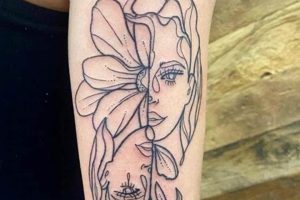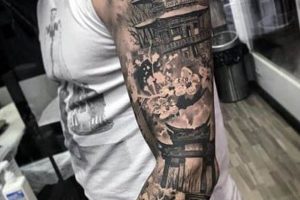



Tattoos inspired by the Jamaican musician Bob Marley often feature his portrait, lyrics from his songs, or iconic imagery associated with him, such as the Rastafarian flag, the lion of Judah, or marijuana leaves. These designs can range from simple silhouettes to complex, photorealistic portraits, often incorporating vibrant colors or staying true to black and gray realism.
These designs represent more than just aesthetic choices; they serve as powerful symbols of Marley’s enduring musical and cultural legacy. They embody messages of peace, love, unity, resistance, and social justice, reflecting the core values he championed. The enduring popularity of these designs testifies to the global impact of his music and philosophy, which continue to resonate with generations. This form of body art allows individuals to express personal connection to Marley’s message and pay tribute to an influential figure.
Exploration of specific design elements commonly associated with this theme will further illuminate the depth and breadth of artistic expression available to those seeking to commemorate this iconic musician through body art. Considerations such as placement, size, style, and the specific symbolism invoked by each design element are key to achieving a meaningful and personalized result.
1. Portrait
Portraits constitute a significant category within Bob Marley tattoo designs. Representations of Marley’s face offer a direct and recognizable tribute to the musician. These portraits vary in style, ranging from simple, single-line depictions to highly detailed, photorealistic renditions. The chosen style often reflects the individual’s personal aesthetic preferences and the desired level of realism. Factors influencing portrait choices include the specific Marley era represented (younger vs. older), the inclusion of iconic accessories (such as a hat or dreadlocks), and the overall mood conveyed (serene, contemplative, or energetic). A portrait’s effectiveness depends on the artist’s skill in capturing Marley’s likeness and the emotional resonance it evokes.
Several factors contribute to the enduring popularity of Marley portraits in tattoo art. His instantly recognizable face and hairstyle hold cultural significance, representing a global icon of music and social change. A portrait tattoo acts as a visual reminder of Marley’s principles and the impact he had on the wearer’s life. Furthermore, the versatility of portraiture allows for stylistic interpretations that blend personal expression with homage. From minimalist line drawings to complex color compositions, portrait tattoos provide a canvas for individual creativity while maintaining a clear connection to Marley’s image.
Successful portrait tattoos hinge on careful consideration of placement, size, and artistic detail. The body area chosen for the tattoo influences the portrait’s scale and composition. Larger portraits on areas like the back or chest offer greater scope for intricate details, whereas smaller designs on the arm or leg may prioritize simplicity and bold lines. The artist’s skill in capturing likeness and conveying emotion is paramount. Ultimately, a well-executed portrait tattoo serves as a lasting and powerful tribute to Bob Marley’s enduring legacy.
2. Lyrics

Lyrics from Bob Marley’s songs represent a powerful element within the realm of related tattoo designs. These textual excerpts offer a deeply personal connection to Marley’s music and philosophy, allowing individuals to carry his message with them. Specific lyrics resonate with different people for various reasons, often tied to personal experiences or beliefs. Phrases such as “One love, one heart” or “Get up, stand up, stand up for your rights” exemplify the inspirational and activist themes prevalent in Marley’s work. Choosing particular lyrics allows for a personalized tattoo that reflects the wearer’s individual connection to Marley’s message. The selection process often involves introspection and consideration of which phrases hold the most significant meaning for the individual. This personal significance elevates the tattoo beyond mere aesthetics, transforming it into a powerful statement of belief and tribute to a musical icon.
The visual representation of lyrics offers a unique dimension to these tattoos. Typography plays a crucial role in conveying the message, with various fonts and styles contributing to the overall aesthetic. Some individuals opt for simple, clean fonts that prioritize legibility, while others embrace more elaborate or stylized lettering to enhance visual appeal. The integration of visual elements, such as musical notes, the Rastafarian flag, or a portrait of Marley himself, further enriches the design and adds layers of symbolism. These visual accompaniments can enhance the narrative conveyed by the lyrics and create a more comprehensive tribute to Marley’s artistry. The placement of the tattoo also contributes to the design’s impact, with some individuals choosing highly visible locations to share Marley’s message with the world, while others prefer more discreet placements for personal reflection.
The enduring power of Marley’s lyrics ensures that these tattoos remain relevant and impactful. His words continue to inspire generations, addressing universal themes of love, unity, and social justice. By choosing to embody these messages through body art, individuals demonstrate a commitment to these values and keep Marley’s legacy alive. The diversity of lyrical choices and design possibilities guarantees that each tattoo remains unique and personal, reflecting the individual’s specific connection to Marley’s music and philosophy. Ultimately, these tattoos serve as a testament to the enduring power of words and music to inspire and connect people across cultures and generations.
3. Lion of Judah

The Lion of Judah holds profound symbolic weight within Rastafarianism, representing Emperor Haile Selassie I, whom Rastafari consider the embodiment of God, or Jah. This symbol’s inclusion in Bob Marley-inspired tattoos underscores the musician’s deep connection to Rastafarian beliefs and its influence on his music and life philosophy. Marley’s embrace of Rastafarianism permeated his artistry, promoting messages of peace, love, and social justice. The Lion of Judah, often depicted wearing a crown and carrying a staff, visually communicates strength, royalty, and spiritual authority, adding layers of meaning to tattoo designs.
Incorporating the Lion of Judah into a Marley-themed tattoo can signify a personal commitment to Rastafarian principles or simply acknowledge its importance in Marley’s life and work. Different depictions exist, ranging from realistic portrayals to more stylized or abstract interpretations. Some designs feature the lion alongside other Rastafarian symbols like the red, green, and gold flag or marijuana leaves, creating a complex visual narrative. For example, a tattoo featuring the Lion of Judah alongside lyrics from “Redemption Song” could convey a message of spiritual and political liberation. Such combinations allow individuals to personalize the imagery, expressing their unique connection to Marley’s music and the broader Rastafarian culture. The lion’s depiction, whether fierce or serene, further nuances the symbolism, reflecting individual interpretations of strength, resilience, or spiritual enlightenment.
Understanding the Lion of Judah’s significance provides essential context for appreciating the depth and symbolism embedded within Bob Marley tattoo designs. It highlights the interconnectedness of Marley’s music, spiritual beliefs, and social activism. This powerful symbol amplifies the message conveyed by the tattoo, representing a tribute that extends beyond mere aesthetics to encompass a complex interplay of cultural, religious, and personal values. Recognizing this symbolism allows for more informed design choices and a deeper appreciation of the rich tapestry of meanings woven into these artistic expressions.
4. Rasta Colors
The red, gold, and green, known as the Rasta colors, hold significant cultural and historical weight, inextricably linked to Bob Marleys image and frequently incorporated into tattoo designs inspired by him. These colors originate from the Ethiopian flag, adopted by the Rastafari movement as a symbol of repatriation and African heritage. Their presence in Marley-themed tattoos signifies not only an homage to the musician but also an acknowledgment of the Rastafarian principles he embodied. Red symbolizes the blood shed for liberation, gold represents the wealth of Africa, and green signifies the beauty and fertility of the promised land. Utilizing these colors imbues the tattoo with a deeper meaning, connecting it to a broader cultural and historical context. A tattoo featuring Marley’s portrait rendered in Rasta colors, for instance, transcends a mere likeness and becomes a statement of cultural pride and identification with Rastafarian ideals.
Effective incorporation of Rasta colors requires thoughtful consideration of placement, shading, and accompanying elements. The colors can be used boldly, creating a vibrant focal point, or subtly integrated within the design for a more nuanced effect. They often appear alongside other symbolic elements, such as the Lion of Judah or marijuana leaves, amplifying the overall message. For example, a tattoo of a peace dove outlined in Rasta colors and carrying an olive branch could convey a potent message of peace and unity. The specific shades of red, gold, and green also hold significance, ranging from bright, saturated hues to more muted, earth tones, each influencing the overall aesthetic and symbolic resonance.
Understanding the symbolism and historical context of the Rasta colors provides essential context for interpreting the significance of Bob Marley-inspired tattoos. Their presence elevates these designs beyond mere aesthetics, transforming them into statements of cultural identity, spiritual belief, and political consciousness. Careful consideration of color placement, shade, and accompanying elements ensures a visually compelling and symbolically resonant tribute to both the musician and the cultural movement he represented. The lasting impact of these colors within tattoo art underscores the enduring power of visual symbolism in communicating complex ideas and personal connections.
5. Marijuana Leaf
The marijuana leaf holds a complex and often controversial position within Bob Marley-inspired tattoo designs. Its inclusion stems from Marley’s open advocacy for cannabis use as a sacrament within Rastafarianism, where it is believed to facilitate spiritual enlightenment and communion with Jah. Consequently, the leaf’s presence in these tattoos functions as a symbol of spiritual exploration, natural healing, and rebellion against societal norms. However, it’s crucial to acknowledge the varying legal and cultural perspectives on cannabis use, recognizing that its depiction in a tattoo may be subject to misinterpretation or stigmatization depending on the context. Consideration of these complexities is essential when choosing to incorporate this element, ensuring the design aligns with personal beliefs and anticipates potential societal reactions. For example, a small, subtly placed leaf might hold personal significance without attracting undue attention, while a large, prominent depiction could invite unwanted scrutiny or misinterpretations.
While some individuals may solely associate the marijuana leaf with recreational drug use, its inclusion in Marley-inspired tattoos often carries deeper cultural and spiritual connotations. The leaf can represent a connection to Rastafarian beliefs, a celebration of natural remedies, or an act of defiance against prohibitionist policies. Furthermore, its depiction alongside other Rastafarian symbols, such as the Lion of Judah or the Rasta colors, adds layers of meaning and reinforces the connection to Marley’s spiritual and cultural identity. For instance, a tattoo featuring a marijuana leaf growing from the earth alongside lyrics from “Natural Mystic” could convey a message of interconnectedness with nature and spiritual awakening. Such nuanced depictions offer a more comprehensive understanding of the symbol’s significance within the context of Marley’s legacy.
Ultimately, the decision to include a marijuana leaf in a Bob Marley-inspired tattoo requires careful consideration of its multifaceted symbolism and potential interpretations. Recognizing the diverse perspectives surrounding cannabis use, both historical and contemporary, allows for more informed design choices. Understanding the leaf’s spiritual significance within Rastafarianism provides essential context for appreciating its inclusion in these designs, separating it from purely recreational connotations. By acknowledging these complexities, individuals can create tattoos that authentically reflect their personal connection to Marley’s music, beliefs, and legacy, while anticipating and mitigating potential societal reactions. This awareness ensures the tattoo remains a meaningful and personally resonant form of expression.
Tips for Bob Marley Tattoo Designs
Careful planning ensures a meaningful and well-executed tattoo. The following tips offer guidance for creating a powerful tribute to Bob Marley.
Tip 1: Research Artists: Thorough research is crucial. Seek artists specializing in portraiture or the chosen style. Examine portfolios for experience with similar subject matter and artistic skill.
Tip 2: Placement Matters: Consider the tattoo’s visibility and the body’s natural contours. Placement influences size, composition, and overall impact.
Tip 3: Size and Detail: Intricate designs require larger areas. Smaller tattoos benefit from simpler compositions. Balance detail with clarity for optimal results.
Tip 4: Color Choices: Vibrant colors enhance visual impact. Black and grey offer a classic, timeless aesthetic. Color palettes should complement skin tone and the design’s theme.
Tip 5: Personalize the Design: Incorporate elements reflecting individual connection to Marley’s music and philosophy. Personalized details enhance meaning and create a unique tribute.
Tip 6: Symbolism Considerations: Understand the meaning behind chosen symbols. A knowledgeable approach ensures accurate representation and avoids unintended interpretations.
Tip 7: Plan for Long-Term Care: Tattoos require ongoing maintenance. Commitment to proper aftercare preserves vibrancy and prevents premature fading or damage.
Following these guidelines ensures a well-executed, meaningful tattoo that serves as a lasting tribute to Bob Marley’s legacy.
Concluding thoughts on Bob Marley tattoo designs emphasize the importance of thoughtful planning and execution to create a meaningful and visually compelling piece of art.
Frequently Asked Questions
This section addresses common inquiries regarding tattoos inspired by Bob Marley, offering factual information and guidance for those considering such designs.
Question 1: What are the most popular Bob Marley tattoo designs?
Portraits, lyrics, the Lion of Judah, Rasta colors, and marijuana leaves rank among the most frequently chosen elements. Popularity varies based on personal preference and cultural context.
Question 2: Where is the best placement for a Bob Marley tattoo?
Optimal placement depends on the design’s size, complexity, and desired visibility. Larger pieces suit the back, chest, or thighs. Smaller designs fit comfortably on the arms, forearms, or calves.
Question 3: How much does a Bob Marley tattoo typically cost?
Cost varies based on size, complexity, artist’s experience, and geographic location. Detailed portraits or large-scale designs typically incur higher costs. Consulting multiple artists provides comparative pricing.
Question 4: How painful is it to get a Bob Marley tattoo?
Pain levels vary based on individual pain tolerance, tattoo location, and design intricacies. Bony areas generally experience higher sensitivity. Discussing pain management strategies with the artist can alleviate discomfort.
Question 5: What is the typical healing time for a Bob Marley tattoo?
Healing typically takes 2-4 weeks. Proper aftercare, including regular cleaning and moisturizing, is crucial for optimal healing and color retention.
Question 6: Can Bob Marley tattoos be removed or covered up?
Removal is possible through laser treatments, although complete removal may be challenging and costly. Cover-up designs depend on the existing tattoo’s size, color saturation, and location. Consult a specialist for removal or cover-up options.
Careful consideration of design choices, artist selection, and aftercare procedures is paramount for a successful and meaningful tattoo experience. Addressing these frequently asked questions provides prospective clients with essential information for informed decision-making.
Further exploration of specific design elements and consultations with experienced tattoo artists are recommended before committing to a permanent piece of body art.
Bob Marley Tattoo Ideas
Exploration of tattoo designs inspired by Bob Marley reveals a rich tapestry of symbolism and personal expression. From portraits capturing his iconic likeness to lyrical excerpts conveying his powerful message, these designs offer diverse avenues for commemorating his musical and cultural legacy. The inclusion of elements like the Lion of Judah, Rasta colors, and the marijuana leaf further enriches the symbolic narrative, connecting these tattoos to Rastafarianism and its core principles. Careful consideration of design elements, placement, and artistic style ensures a meaningful and impactful tribute.
Ultimately, a Bob Marley tattoo transcends mere aesthetics; it represents a lasting homage to an influential figure whose music and philosophy continue to resonate globally. These designs serve as powerful reminders of peace, love, unity, and social justice, embodying the values Marley championed throughout his life. The enduring popularity of these tattoos speaks volumes about his enduring impact, transforming personal adornment into a potent symbol of cultural remembrance and individual connection to a timeless legacy.