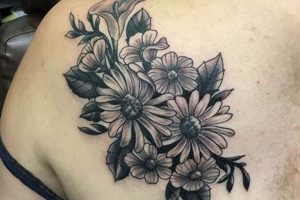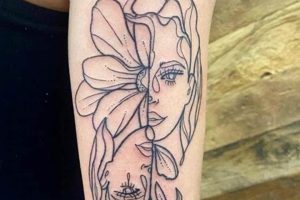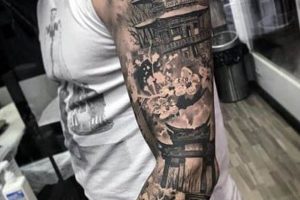



This aesthetic explores the visual representation of heartbreak through the dark, often whimsical, lens of voodoo and ragdoll imagery. It utilizes a stark monochrome palette to emphasize the emotional rawness and vulnerability associated with lost love or betrayal. Designs may feature stitched-together hearts, pierced by pins or bound by thread, alongside symbolic elements drawn from voodoo traditions, such as skulls, bones, or ritualistic markings. The ragdoll motif adds a layer of childlike innocence or vulnerability, juxtaposed against the darker themes, creating a compelling contrast.
Monochromatic tattooing offers a timeless quality, allowing the intricate details of the design to stand out. The combination of voodoo and ragdoll imagery provides a unique, personalized way to express complex emotions related to heartbreak. This style allows for a wide range of interpretation, from a darkly humorous take on heartbreak to a more profound exploration of emotional pain and resilience. The historical and cultural significance of both voodoo symbolism and the use of dolls in ritualistic practices adds depth and meaning to these designs.
Further exploration of this aesthetic will cover specific design elements, the symbolism behind them, and advice for collaborating with tattoo artists to create a meaningful and personalized piece. This will include discussions on incorporating specific voodoo iconography, variations on the broken heart motif, and the impact of different shading and linework techniques in black and white tattooing.
1. Monochromatic Palette

A monochromatic palette is fundamental to the aesthetic of black and white voodoo/ragdoll broken heart tattoos. Restricting the color scheme to black and white amplifies the stark contrast inherent in the imagery. This starkness enhances the emotional impact, mirroring the raw intensity of heartbreak. The absence of color allows the intricate details of the designthe stitches, the cracks in the heart, the texture of the ragdoll fabricto take center stage. This focus on detail further emphasizes the vulnerability and fragility represented by the design. The use of black ink against the skin creates a powerful visual statement, evoking a sense of darkness and sorrow associated with loss and betrayal. Furthermore, shading and linework become paramount, adding depth and dimension to the overall composition.
Consider the image of a stitched heart pierced by pins. Rendered in full color, the eye might be drawn to the vibrancy of the threads or the shine of the metal. In black and white, however, the focus shifts to the textures and shadows, highlighting the damage and the attempted repair. The interplay of light and dark emphasizes the emotional depth, creating a more visceral connection with the symbolism. Similarly, the aged, worn appearance often associated with ragdolls is more effectively conveyed through grayscale shading, lending an air of melancholy and lost innocence to the design.
The monochromatic palette’s impact extends beyond pure aesthetics. It contributes to the timeless quality of the tattoo. While color trends fluctuate, black and white remains a classic choice, ensuring the tattoo’s relevance and impact endure. This permanence aligns with the enduring nature of emotional scars, further solidifying the connection between the chosen medium and the message it conveys. Ultimately, the monochromatic palette serves as the foundation upon which the complex themes of heartbreak, vulnerability, and resilience are built in these powerful tattoo designs.
2. Voodoo Symbolism
Voodoo symbolism, often misconstrued in popular culture, provides a rich and nuanced layer of meaning within black and white voodoo/ragdoll broken heart tattoo designs. These symbols, drawn from Haitian Vodou and New Orleans Voodoo traditions, offer a complex exploration of themes related to death, rebirth, love, and loss all relevant to the experience of heartbreak. Skulls, often associated with mortality, can represent the death of a relationship or the shedding of a past self. Conversely, they can also symbolize transformation and the potential for new beginnings. Similarly, bones, particularly crossbones, can represent the intersection of life and death, the vulnerability of the human heart, and the enduring power of the spirit. Ritualistic markings, known as veves, can be incorporated to invoke specific Loa (spirits) associated with healing, love, or protection. For example, the veve of Erzulie Freda, the spirit of love and beauty, could represent a desire for emotional healing or the hope for future love.
The choice of specific voodoo symbols can personalize the tattoo, reflecting the individual’s unique experience with heartbreak. A heart pierced by a symbolic dagger, for example, could represent a sense of betrayal, while a heart wrapped in protective charms might signify resilience and a commitment to self-love. The black and white palette further intensifies these symbols, stripping away distractions and focusing attention on their inherent power. The stark contrast between black ink and skin emphasizes the rawness of the emotional experience, mirroring the intensity of grief and the potential for profound transformation. This aesthetic choice also aligns with the historical use of black and white in many voodoo rituals, where these colors represent the duality of life and death, good and evil, and the interplay of spiritual forces.
Understanding the significance of these symbols is crucial for both the tattoo artist and the individual seeking the tattoo. Respectful and accurate representation of these symbols avoids trivialization and ensures the design remains meaningful and authentic. It allows for a deeper exploration of the complexities of heartbreak, moving beyond superficial representations and embracing the transformative potential of emotional pain. Ultimately, incorporating voodoo symbolism into these designs elevates them beyond mere aesthetics, transforming them into powerful expressions of personal narrative and spiritual resilience. The careful selection and placement of these symbols provide a deeply personal and powerful way to process heartbreak and to reclaim one’s emotional strength.
3. Ragdoll Imagery

Ragdoll imagery plays a crucial role in the overall aesthetic and symbolic meaning of black and white voodoo/ragdoll broken heart tattoo designs. These often-childlike figures, characterized by their stitched limbs and button eyes, introduce a layer of vulnerability and innocence, contrasting with the darker themes of heartbreak and voodoo symbolism. This juxtaposition creates a compelling visual narrative, exploring the complexities of emotional pain and the fragility of the human heart.
- Vulnerability and Innocence:
Ragdolls, with their soft, patched-together bodies, evoke a sense of vulnerability and childlike innocence. This imagery can represent the feeling of being emotionally exposed or broken after heartbreak. The inherent fragility of a ragdoll, prone to tears and wear, mirrors the emotional fragility experienced during loss. In the context of these tattoos, the ragdoll becomes a visual metaphor for the wounded heart, exposed and in need of repair.
- Stitching and Repair:
The visible stitching on ragdolls becomes a powerful symbol of attempted repair and healing. In the context of a broken heart, these stitches can represent the efforts to mend emotional wounds and piece oneself back together after heartbreak. This resonates with the broader themes of resilience and recovery often associated with these tattoo designs. The act of stitching, both literally on the ragdoll and figuratively on the heart, suggests a conscious effort to overcome emotional pain.
- Loss of Innocence:
While ragdolls often represent innocence, their incorporation into these darker designs can also symbolize the loss of innocence that often accompanies heartbreak. The experience of betrayal or loss can shatter one’s idealized view of love and relationships, leaving a sense of disillusionment. The ragdoll, in this context, becomes a poignant reminder of a simpler, more naive past.
- Juxtaposition with Voodoo:
The combination of ragdoll imagery with voodoo symbolism creates a dynamic tension within the design. The childlike innocence of the ragdoll contrasts sharply with the darker, more mystical elements of voodoo, enhancing the overall impact. This juxtaposition highlights the complex interplay of vulnerability and strength, innocence and experience, that characterizes the process of overcoming heartbreak.
The use of ragdoll imagery within these tattoo designs adds depth and complexity to the exploration of heartbreak. By combining the vulnerability of the ragdoll with the symbolic power of voodoo and the starkness of the black and white palette, these tattoos offer a powerful and deeply personal representation of emotional pain, resilience, and the journey toward healing.
4. Broken Heart Motif

The broken heart motif serves as the central visual element in black and white voodoo/ragdoll broken heart tattoo designs. It anchors the other symbolic components, providing a clear and universally recognized representation of emotional pain, loss, and the complex process of healing after heartbreak. The specific depiction of the broken heart, combined with the voodoo and ragdoll imagery, creates a powerful narrative of vulnerability, resilience, and transformation.
- Visual Representation of Pain:
The broken heart, often depicted as cracked, split, or pierced, visually captures the raw emotional pain associated with heartbreak. This direct representation provides a powerful focal point for the tattoo, immediately conveying the central theme of emotional distress. The stark black and white palette further emphasizes this pain, creating a visceral connection with the image.
- Variations and Interpretations:
The broken heart motif offers a range of stylistic interpretations. A cleanly broken heart might represent a sudden, sharp break, while a heart stitched back together, perhaps unevenly, can symbolize the ongoing process of healing and the acceptance of emotional scars. A heart pierced by pins or bound by threads can evoke feelings of vulnerability and constraint. These variations allow for personalized expressions of heartbreak, reflecting individual experiences and emotional responses.
- Interaction with Other Elements:
The broken heart motif interacts dynamically with the other elements within these tattoo designs. A ragdoll clutching a broken heart emphasizes the vulnerability and childlike innocence associated with emotional pain. Voodoo symbols incorporated into or around the broken heart introduce themes of spiritual healing and transformation. This interplay between elements creates a layered and nuanced representation of heartbreak.
- Cultural Significance:
The broken heart is a universally recognized symbol of heartbreak, transcending cultural boundaries. Its inclusion in these tattoos taps into a shared understanding of emotional pain, making the design relatable and emotionally resonant. This universality amplifies the personal meaning of the tattoo, connecting individual experiences with a broader cultural narrative of love and loss.
The broken heart motif, in its various forms, acts as a powerful visual anchor for these complex tattoo designs. It provides a clear and readily understood representation of emotional pain, while also offering a canvas for personalized expression. By interacting with the voodoo and ragdoll imagery, the broken heart motif transforms into a powerful narrative of vulnerability, resilience, and the enduring human capacity for healing and transformation.
5. Stitching, pins, thread

Stitching, pins, and thread are integral components of black and white voodoo/ragdoll broken heart tattoo designs. These elements move beyond mere decorative details, becoming powerful symbols of repair, vulnerability, and the complex process of mending a broken heart. They visually represent the attempts to hold oneself together amidst emotional pain, offering a tangible metaphor for the unseen wounds of heartbreak.
- Mending and Repair:
Stitches, whether depicted on a ragdoll or directly on the broken heart itself, symbolize the attempt to repair emotional damage. They represent the conscious effort to piece oneself back together after heartbreak, acknowledging the wounds while actively working towards healing. The often-visible, imperfect nature of these stitches reflects the reality that emotional healing is rarely seamless, leaving visible scars that become part of one’s personal narrative.
- Vulnerability and Fragility:
Thread, particularly when depicted as loose or frayed, can symbolize vulnerability and fragility. It underscores the delicate nature of the heart and the emotional rawness experienced after heartbreak. The image of a heart held together by tenuous threads visually captures the precariousness of emotional well-being during this period, highlighting the need for care and self-compassion.
- Binding and Constraint:
Thread and pins can also represent emotional constraint or the feeling of being trapped by grief. Tightly bound stitches or strategically placed pins can symbolize the restrictions placed on oneself after heartbreak, perhaps through fear of future vulnerability or difficulty in letting go of the past. This imagery can represent the internal struggles that accompany emotional pain.
- Voodoo Influence:
In the context of voodoo symbolism, pins and thread can take on additional layers of meaning. In some traditions, pins are used in poppets (dolls) for ritualistic purposes, representing focused intent or the directing of energy. Within these tattoo designs, pins piercing a heart might symbolize the focused pain of betrayal or the deliberate act of releasing negative emotions. Thread, similarly, can be associated with binding spells or the creation of protective talismans, suggesting attempts to either contain emotional pain or ward off further harm.
The imagery of stitching, pins, and thread elevates these tattoos beyond simple representations of heartbreak. These elements add layers of symbolic meaning, exploring the complexities of vulnerability, resilience, and the ongoing process of emotional repair. By combining these elements with the stark black and white palette and the other symbolic components, these tattoo designs offer a powerful and deeply personal exploration of the human experience of heartbreak and healing. They serve as a visual reminder of the strength and resilience required to mend a broken heart, acknowledging both the pain and the potential for future wholeness.
6. Emotional Expression
Emotional expression lies at the heart of black and white voodoo/ragdoll broken heart tattoo designs. These tattoos provide a powerful visual language for externalizing complex emotions related to heartbreak, loss, and the process of healing. The combination of stark imagery, symbolic elements, and personalized design choices allows individuals to translate deeply personal experiences into a tangible art form. This externalization can serve as a cathartic release, a declaration of resilience, and a reminder of one’s capacity for emotional growth.
The monochromatic palette intensifies the emotional impact, stripping away distractions and focusing on the raw essence of the design. The voodoo symbolism adds layers of meaning, connecting personal experiences with broader cultural narratives of death, rebirth, and transformation. The ragdoll imagery introduces an element of vulnerability, acknowledging the fragility inherent in heartbreak. These elements work in concert to create a powerful visual metaphor for the complex emotional landscape of loss. For example, a stitched heart held by a ragdoll might represent the attempt to mend emotional wounds while acknowledging the enduring vulnerability that remains. A heart pierced by symbolic pins, combined with a veve associated with healing, could express both the pain of betrayal and the active pursuit of emotional recovery.
The effectiveness of these tattoos as a form of emotional expression lies in their ability to transcend verbal language. They offer a visual vocabulary for emotions that may be difficult to articulate, providing a sense of validation and agency in the face of emotional pain. The permanence of the tattoo further solidifies this expression, serving as a lasting reminder of one’s journey through heartbreak and the transformative power of emotional resilience. While the specific meaning remains personal to the individual, the shared symbolism of broken hearts, voodoo iconography, and ragdolls allows for connection and understanding, fostering a sense of community among those who have experienced similar emotional journeys. The act of choosing and permanently embodying these designs becomes a powerful statement of self-acceptance, resilience, and the ongoing process of healing.
Tips for Black and White Voodoo/Ragdoll Broken Heart Tattoo Designs
Careful consideration of various factors ensures a meaningful and aesthetically impactful tattoo. The following tips offer guidance for those exploring this unique style.
Tip 1: Research Symbolism: Thorough research into voodoo symbolism is crucial. Accurate representation demonstrates respect for the culture and prevents misinterpretation. Consulting with practitioners or experts adds depth and authenticity.
Tip 2: Collaborate with a Skilled Artist: Choosing an experienced tattoo artist specializing in black and white work and comfortable with intricate detail is essential. Review portfolios to assess their ability to capture the desired aesthetic.
Tip 3: Placement and Size: Careful consideration of placement and size enhances the tattoo’s impact. Larger, more detailed designs may suit areas like the back or thigh, while smaller, simpler designs might work well on the wrist or forearm.
Tip 4: Personalize the Design: Incorporating personal elements adds depth and meaning. Consider adding initials, dates, or other symbolic elements that resonate with individual experiences. This personalization transforms the design into a unique narrative.
Tip 5: Explore Shading and Texture: Effective use of shading and texture is paramount in black and white tattoos. Discuss different shading techniques, such as stippling or cross-hatching, with the artist to achieve the desired visual effect, emphasizing the textures of the ragdoll and the depth of the broken heart.
Tip 6: Plan for Long-Term Care: Black and white tattoos, particularly those with intricate detail, require diligent aftercare to maintain their vibrancy. Follow the artist’s aftercare instructions meticulously to prevent fading or blurring over time. This ensures the design remains impactful and visually compelling for years to come.
Tip 7: Reflect on Emotional Intent: Before committing to the design, take time to reflect on the emotional intent. These tattoos offer a powerful means of self-expression, so ensuring the design aligns with one’s personal narrative and emotional journey is crucial.
By considering these tips, individuals can ensure their tattoo becomes a powerful, meaningful, and aesthetically compelling representation of their personal journey through heartbreak and healing. A well-planned and executed design becomes more than just body art; it becomes a visual testament to emotional resilience and the enduring power of the human spirit.
In conclusion, black and white voodoo/ragdoll broken heart tattoos offer a unique and powerful way to express complex emotions related to heartbreak. Through careful consideration of symbolism, artistic technique, and personal narrative, these designs can transform emotional pain into a beautiful and enduring work of art.
Frequently Asked Questions
This section addresses common inquiries regarding black and white voodoo/ragdoll broken heart tattoo designs, offering clarity and guidance for those considering this unique style.
Question 1: Are these tattoos culturally insensitive?
Appropriation concerns are valid. Respectful representation of voodoo symbolism is crucial. Thorough research and consultation with knowledgeable individuals are vital to avoid misrepresentation or trivialization of cultural practices.
Question 2: How painful are these tattoos?
Pain levels vary based on individual tolerance, placement, and size. Generally, areas with thinner skin or closer to bone experience higher sensitivity. Consulting with the tattoo artist beforehand allows for discussion of pain management strategies.
Question 3: How long do these tattoos take to complete?
Completion time depends on design complexity, size, and the artist’s skill level. Intricate designs with detailed shading require longer sessions. Discussing estimated timelines with the chosen artist is advisable.
Question 4: What is the typical cost range?
Pricing varies by artist, studio location, size, and complexity. Detailed designs requiring multiple sessions typically incur higher costs. Requesting quotes from several artists allows for comparison and informed decision-making.
Question 5: How does one find a reputable tattoo artist specializing in this style?
Online portfolios, reviews, and recommendations are valuable resources. Seeking artists specializing in black and white realism or illustrative styles with experience in depicting intricate details often yields positive results. Directly contacting artists and discussing design ideas allows assessment of artistic compatibility.
Question 6: Can these tattoos be covered up or removed?
Cover-ups and removals present greater challenges with intricate black and white designs. Laser removal may be less effective on darker inks. Consulting with a tattoo removal specialist allows for evaluation and discussion of potential outcomes before undertaking either process.
Careful consideration of these questions promotes informed decision-making, ensuring individuals approach these powerful tattoo designs with respect, understanding, and a commitment to achieving a meaningful and enduring result.
Individuals seeking further information are encouraged to consult with experienced tattoo artists specializing in this unique style. Direct communication facilitates personalized guidance and allows for collaborative exploration of design possibilities, ensuring a truly individualized and meaningful representation of personal experiences.
Black and White Voodoo/Ragdoll Broken Heart Tattoo Ideas
This exploration has delved into the multifaceted aspects of black and white voodoo/ragdoll broken heart tattoo designs. Key elements, including the stark monochromatic palette, symbolic weight of voodoo imagery, vulnerability of ragdolls, and universally recognized broken heart motif, combine to create a powerful visual language for expressing complex emotions related to heartbreak and healing. Careful consideration of symbolism, artistic technique, placement, and personal narrative ensures these designs resonate deeply with individual experiences.
These tattoos offer more than mere aesthetic decoration; they represent a transformative process, translating emotional pain into a tangible and enduring form. The power of these designs lies in their ability to connect individual experiences with broader cultural narratives of loss, resilience, and the enduring human capacity for healing. This exploration serves as a starting point for those considering such a powerful and personal form of artistic expression, encouraging thoughtful reflection and informed collaboration with skilled artists to create a meaningful and lasting testament to the complexities of the human heart.