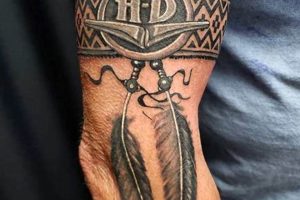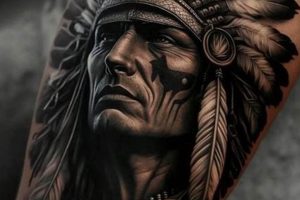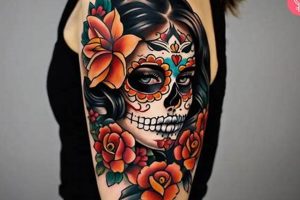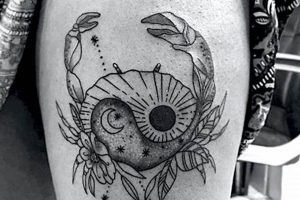



Conceptualizing body art featuring a male gallinaceous bird involves considering various factors such as style, placement, and symbolic meaning. Examples include realistic portrayals of the animal, stylized or cartoonish depictions, or incorporation into larger themes like farmyard scenes or floral arrangements. Specific breeds, such as the Rhode Island Red or the Brahma, can also serve as inspiration.
Choosing this type of avian imagery for permanent body art can hold personal significance, ranging from representing cultural heritage to embodying traits like courage, pride, or vigilance. Historically, these birds have been associated with masculinity, the sun, and resurrection in various cultures, adding layers of depth to the design. The striking visual characteristics of the animal, with its vibrant plumage and prominent comb, also lend themselves to aesthetically compelling tattoos.
Exploring the diverse range of stylistic interpretations, symbolic connotations, and placement options allows for a comprehensive understanding of the artistic potential offered by this subject matter. Further examination will delve into specific design choices, cultural influences, and the artistic process of transforming an idea into a permanent piece of body art.
1. Style (realistic, tribal, watercolor)

Artistic style significantly impacts the visual representation of rooster imagery in tattoo design. Realism emphasizes accurate anatomical detail and lifelike representation, capturing the bird’s texture and vibrant plumage. This style often utilizes shading and color gradients to achieve a three-dimensional effect. Tribal styles, conversely, abstract the form into bold lines, geometric patterns, and solid colors, often emphasizing the rooster’s silhouette and aggressive posture. Watercolor tattoos mimic the fluidity and translucence of the painting medium, creating a softer, dreamlike image with vibrant splashes of color and less defined lines. The choice of style influences the overall aesthetic and symbolic interpretation of the tattoo.
Consider a rooster tattoo intended to convey strength and dominance. A realistic portrayal with sharp talons and a flared comb, rendered in deep reds and blacks, effectively communicates this message. However, a tribal design with sharp angles and bold black ink might emphasize aggression and primal energy. A watercolor rooster, incorporating softer hues and flowing lines amidst floral elements, might instead represent beauty, peace, or a connection to nature. These examples illustrate how stylistic choices directly affect the visual impact and conveyed meaning.
Understanding the nuances of different artistic styles is crucial for successful tattoo design. Selecting the appropriate style allows for effective communication of personal meaning and desired aesthetic. While realism prioritizes accurate portrayal, tribal focuses on symbolic representation through abstraction, and watercolor offers a more artistic, expressive approach. Careful consideration of these stylistic differences ensures the final artwork aligns with the individual’s vision and desired message.
2. Placement (chest, arm, leg)

Placement significantly influences the visual impact and symbolic meaning of rooster tattoos. The body area chosen for the design affects its visibility, scale, and interaction with the body’s natural contours. A chest placement, often associated with personal beliefs and values, allows for larger, more detailed artwork, showcasing the rooster’s prominence. Arm placement offers varying levels of visibility, with upper arm tattoos often symbolizing strength and lower arm designs allowing for more intricate detail. Leg placement, while less visible in some contexts, provides ample space for larger designs and can symbolize grounding or forward movement.
Consider a large, realistic rooster tattoo on the chest. This placement emphasizes the bird’s powerful imagery, projecting confidence and dominance. Alternatively, a smaller, stylized rooster on the forearm could represent vigilance and readiness. A rooster design flowing along the calf muscle might symbolize perseverance and progress. The interplay between design and placement creates nuanced interpretations, allowing for personalized expression. Practical considerations also influence placement choices; larger, more complex designs require ample surface area, while smaller, simpler designs can fit comfortably on smaller body parts.
Strategic placement maximizes the aesthetic and symbolic impact of rooster tattoos. Understanding the relationship between design elements and body contours is essential. Chest placement highlights central imagery, arm placement offers versatility in visibility, and leg placement accommodates flowing designs. Careful consideration of these aspects ensures the chosen location complements the artwork, effectively conveying the intended message and enhancing personal expression.
3. Color palette (vibrant, monochrome)

Color palettes play a crucial role in the overall impact of rooster tattoo designs. The choice between vibrant hues and monochrome schemes significantly affects the visual representation and symbolic interpretation of the artwork. Color selection influences the mood, emphasis, and overall aesthetic of the tattoo, enhancing its expressive potential.
- Vibrant Palettes
Vibrant color palettes, utilizing a range of hues such as reds, oranges, yellows, greens, and blues, often reflect the rooster’s naturally vibrant plumage. These palettes evoke a sense of energy, vitality, and exuberance. A rooster tattoo incorporating the bright reds and oranges of a sunrise, for example, might symbolize rebirth or new beginnings. The use of multiple colors can also highlight specific details, like the texture of feathers or the sheen of the comb, adding depth and realism to the design.
- Monochrome Palettes
Monochrome palettes, typically employing black and grey ink, offer a classic and timeless aesthetic. These palettes often emphasize form, shape, and contrast. A black and grey rooster tattoo can evoke a sense of strength, power, and tradition. The absence of color allows the focus to shift to the composition, linework, and shading, highlighting the artistic skill and detail of the design. Monochrome palettes can also create a dramatic and impactful image, particularly with larger or more intricate designs.
- Selective Color Accents
Combining elements of both vibrant and monochrome palettes allows for selective emphasis and symbolic representation. A predominantly black and grey rooster with a vibrant red comb, for example, draws attention to the bird’s aggression and dominance. Similarly, a watercolor-style rooster with muted background colors and vibrant floral accents might emphasize the interconnectedness of nature and beauty. This approach provides versatility and allows for nuanced expression.
- Cultural Significance of Color
Color choices can also reflect cultural symbolism and personal beliefs. In some cultures, red symbolizes good luck and prosperity, while black represents strength and protection. Incorporating these cultural associations adds layers of meaning to the tattoo design. Personal color preferences and their associated meanings also play a significant role in the selection process, ensuring the artwork resonates with individual values and experiences.
The color palette chosen for a rooster tattoo significantly influences its overall effect. Vibrant palettes emphasize energy and vitality, monochrome palettes highlight form and tradition, and selective color accents allow for targeted emphasis. Consideration of cultural symbolism and personal meaning further enriches the design, creating a powerful and personalized piece of art.
4. Symbolic meaning (courage, pride)

Symbolic meaning plays a crucial role in the selection of rooster tattoo designs. Roosters, with their rich history and cultural significance, embody a range of qualities that resonate with individuals seeking meaningful body art. Understanding these symbolic associations allows for a deeper appreciation of the chosen design and its personal significance.
- Courage and Fearlessness
Roosters are often associated with courage and fearlessness due to their assertive nature and willingness to confront threats. Their loud crowing serves as a challenge to rivals and a declaration of their presence. A rooster tattoo can therefore represent an individual’s own courage, resilience, and willingness to face adversity. This association makes the rooster a powerful symbol for those who have overcome challenges or wish to embody these qualities.
- Pride and Confidence
The rooster’s proud stance and vibrant plumage contribute to its association with pride and self-confidence. They often strut with an air of self-importance, commanding attention and respect. A rooster tattoo can symbolize an individual’s pride in their accomplishments, heritage, or personal identity. The image can serve as a reminder of self-worth and the importance of embracing one’s unique qualities.
- Masculinity and Protection
In many cultures, the rooster is viewed as a symbol of masculinity and protection. Their role as the dominant male in the flock reinforces this association. A rooster tattoo can represent a connection to masculine energy, strength, and the responsibility to protect loved ones. This symbolism resonates with individuals who identify with these qualities or seek to embody them.
- New Beginnings and Resurrection
The rooster’s morning crow, heralding the start of a new day, connects it to the symbolism of new beginnings, hope, and resurrection. In some cultures, the rooster is even associated with the sun god, further reinforcing its connection to light and renewal. A rooster tattoo can represent a fresh start, a period of transformation, or the overcoming of past struggles. This makes the rooster a powerful symbol of hope and optimism for the future.
The symbolic meanings associated with rooster tattoos offer a rich tapestry of personal expression. From courage and pride to masculinity and new beginnings, these symbolic associations allow individuals to imbue their chosen design with deep personal significance. By understanding these diverse interpretations, individuals can select a rooster tattoo that resonates with their values, experiences, and aspirations, creating a powerful and meaningful piece of body art.
5. Incorporating elements (flowers, landscapes)
Expanding rooster tattoo designs beyond the central avian figure often involves incorporating supplementary elements to enhance visual appeal and deepen symbolic meaning. These additions create richer narratives and personalized expressions, transforming a simple rooster image into a more complex and compelling piece of art. Careful selection and integration of these elements are crucial for achieving a cohesive and meaningful design.
- Floral Motifs
Integrating floral elements introduces themes of beauty, growth, and vitality. Specific flower choices further personalize the symbolism. Roses, for instance, might represent love and passion, while cherry blossoms symbolize renewal and the ephemeral nature of life. The interplay between the rooster and floral elements can create visually striking contrasts, with the rooster’s bold presence juxtaposed against the delicate beauty of flowers. This combination can also soften the rooster’s traditionally masculine imagery, adding a touch of elegance and grace.
- Landscape Integration
Incorporating landscapes provides contextual depth and expands narrative possibilities. A rooster depicted against a backdrop of a rising sun, for example, reinforces the symbolism of new beginnings and hope. A farm setting evokes themes of rural life, tradition, and connection to nature. Landscape elements can also create a sense of place and belonging, reflecting personal heritage or cherished memories. The scale and detail of the landscape can be adjusted to complement the rooster design, creating a balanced and harmonious composition.
- Cultural Symbolism
Incorporating culturally significant elements adds layers of meaning and personal connection. Bamboo, for instance, represents resilience and strength in some Asian cultures. Similarly, specific types of foliage or natural elements can hold personal significance, reflecting individual beliefs or experiences. This integration allows for a deeper exploration of cultural identity and personal narrative within the tattoo design.
- Composition and Balance
The successful integration of additional elements relies on thoughtful composition and balance. The placement, size, and style of these elements should complement the central rooster image, creating a unified and visually appealing design. Overcrowding the composition can detract from the rooster’s prominence, while sparse placement might appear disjointed. Achieving visual harmony through balanced composition ensures the elements work together to enhance the overall impact of the tattoo.
Incorporating elements like flowers and landscapes into rooster tattoo designs allows for greater personalization and symbolic depth. These additions create visual interest and expand narrative possibilities, transforming a simple image into a more complex and meaningful piece of art. Careful consideration of composition, symbolism, and personal significance ensures a cohesive and impactful design that resonates with the individual’s vision and values.
6. Size and detail (small, intricate, large, bold)
Scale and intricacy significantly influence the visual impact and feasibility of rooster tattoo designs. Consideration of size and detail level impacts not only the aesthetic outcome but also the practical aspects of execution, longevity, and placement on the body. A small, intricate design requires precise linework and meticulous shading, often best suited for areas with minimal movement and distortion, such as the wrist or ankle. A large, bold design, conversely, allows for broader strokes, bolder colors, and greater visual impact, typically placed on larger areas like the back or chest. The level of detail achievable depends on the chosen size; intricate feather patterns or realistic textures might be feasible in larger designs but become challenging to execute effectively at smaller scales.
Practical implications of size and detail extend beyond initial aesthetics. Intricate details in smaller tattoos can blur or lose definition over time due to skin aging and ink dispersion. Larger, bolder designs tend to retain their visual integrity longer. Placement also interacts with size and detail; a highly detailed design on a frequently flexing area like the elbow might experience faster fading and distortion compared to a similar design on a less mobile area. Choosing appropriate levels of detail for the intended size and placement ensures the longevity and visual appeal of the tattoo.
Successfully navigating size and detail considerations requires balancing artistic vision with practical limitations. Understanding the interplay between these factors allows for informed decisions regarding design complexity, placement, and long-term visual impact. Whether opting for a small, intricate rooster on the wrist symbolizing subtle strength or a large, bold depiction across the back representing vibrant confidence, careful consideration of scale and detail ensures a tattoo that remains aesthetically pleasing and meaningful over time.
Tips for Rooster Tattoo Designs
Achieving a successful rooster tattoo requires careful planning and consideration of various factors. These tips provide guidance for navigating the design process and ensuring a satisfying final result.
Tip 1: Research symbolism thoroughly. Roosters hold diverse meanings across cultures. Understanding these nuances ensures the chosen design aligns with intended symbolism. A rooster can represent courage, pride, new beginnings, or masculinity, depending on cultural context and personal interpretation.
Tip 2: Select an appropriate artistic style. Style significantly impacts the tattoo’s visual representation. Realism captures intricate details, tribal styles emphasize bold lines and abstraction, while watercolor offers a softer, more artistic approach. Matching style to intended meaning enhances the tattoo’s communicative power.
Tip 3: Consider placement carefully. Placement influences visibility, size, and interaction with body contours. Chest placement conveys prominence, arm placement offers versatility, and leg placement allows for flowing designs. Consider the design’s size and complexity when choosing a location.
Tip 4: Choose a color palette strategically. Color profoundly affects mood and emphasis. Vibrant colors evoke energy, monochrome palettes offer classic appeal, and selective color accents highlight specific features. Color choices should complement the design and enhance symbolic meaning.
Tip 5: Explore incorporating additional elements. Flowers, landscapes, or cultural symbols add layers of meaning and visual interest. These additions should complement the rooster design, creating a cohesive and balanced composition. Carefully consider their symbolic relevance and visual impact.
Tip 6: Balance size and detail. Intricate details require larger designs and stable placement to avoid blurring over time. Smaller designs benefit from simpler lines and bolder colors for longevity. Balance artistic ambition with practical limitations for optimal results.
Tip 7: Consult with a reputable tattoo artist. A skilled artist provides valuable input on design feasibility, placement suitability, and technical execution. Open communication and collaboration ensure the final tattoo aligns with individual vision and preferences.
By following these tips, individuals can navigate the design process effectively, ensuring a rooster tattoo that embodies personal meaning, aesthetic appeal, and lasting satisfaction.
Careful consideration of these elements leads to a well-executed and personally meaningful tattoo design. The next section will offer concluding thoughts on the enduring appeal of rooster imagery in body art.
Frequently Asked Questions about Rooster Tattoos
This section addresses common inquiries regarding rooster tattoo designs, providing concise and informative responses to facilitate informed decision-making.
Question 1: What is the average cost of a rooster tattoo?
Cost varies based on size, complexity, artist experience, and geographic location. Small, simple designs may cost less than larger, more intricate pieces requiring multiple sessions. Consulting with prospective artists provides accurate cost estimates.
Question 2: How painful is a rooster tattoo?
Pain levels vary based on individual pain tolerance, placement, and tattoo size. Bony areas generally experience higher sensitivity. Discussing pain management options with the artist can alleviate discomfort during the process.
Question 3: How long does a rooster tattoo take to heal?
Healing typically takes 2-4 weeks. Proper aftercare, including regular cleaning and moisturizing, promotes efficient healing and prevents complications. Following artist instructions regarding aftercare is crucial.
Question 4: Can rooster tattoos be covered up or removed?
Cover-ups and removals are possible but present challenges. Cover-ups require larger designs incorporating existing ink. Laser removal involves multiple sessions and may not completely eliminate the tattoo. Consulting with a specialist regarding cover-up or removal options is recommended.
Question 5: What are the best placement options for rooster tattoos?
Optimal placement depends on design size and personal preference. Larger designs suit the back, chest, or thighs. Smaller designs fit well on the arms, forearms, or calves. Placement also influences visibility and symbolic impact. Consider practical factors like clothing coverage and body movement when selecting a location.
Question 6: How can cultural sensitivity be maintained when choosing a rooster tattoo design?
Researching cultural interpretations of rooster imagery is essential for avoiding unintentional misrepresentation or offense. Consulting with cultural experts or individuals from relevant backgrounds can offer valuable insights and ensure respectful design choices.
Understanding these aspects facilitates informed decisions and contributes to a positive tattoo experience. Thorough research, open communication with the artist, and realistic expectations ensure a satisfying and meaningful outcome.
This concludes the FAQ section. The following section offers a brief summary of key takeaways regarding rooster tattoo designs.
Rooster Tattoo Ideas
Exploration of rooster tattoo ideas reveals a rich tapestry of symbolic meanings, stylistic interpretations, and practical considerations. From representing courage and pride to new beginnings and masculinity, rooster imagery offers diverse avenues for personal expression. Careful selection of artistic style, color palette, placement, and incorporated elements enhances the design’s visual impact and symbolic resonance. Understanding the interplay between size, detail, and placement ensures the tattoo’s longevity and aesthetic integrity. Thorough research and consultation with experienced artists facilitate informed decision-making and contribute to a successful outcome.
The enduring appeal of rooster imagery in body art lies in its capacity to embody both timeless symbolism and individual narratives. Rooster tattoo designs offer a powerful medium for expressing personal values, commemorating significant experiences, and celebrating the human spirit’s enduring connection to the natural world. This exploration serves as a starting point for further investigation and personalized interpretation, encouraging thoughtful engagement with the rich artistic and symbolic potential of rooster tattoo designs.