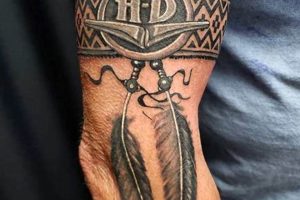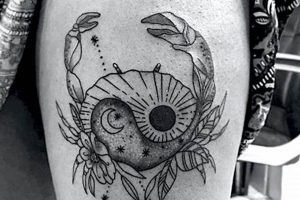



Tattoos symbolic of the registered nurse profession often incorporate imagery related to healthcare, such as the Caduceus, the Rod of Asclepius, hearts, stethoscopes, or electrocardiogram (ECG) lines. These designs can be minimalist and subtle or detailed and elaborate, depending on individual preference. For example, a small outline of a heartbeat could be placed on the wrist, or a larger, more intricate depiction of a nurse’s cap interwoven with flowers could adorn the back.
These permanent markings can serve as a powerful expression of professional pride, a reminder of one’s dedication to patient care, and a symbol of the challenging and rewarding nature of nursing. Historically, tattoos have been used to denote membership within specific groups and trades, and for nurses, these body art designs can similarly create a sense of community and shared identity. They offer a visual representation of the commitment and compassion inherent in the profession.
The following sections will explore various design elements commonly incorporated into nurse-themed tattoos, offer insights into choosing a reputable tattoo artist, and discuss important considerations for placement and aftercare.
1. Symbolism (Caduceus, heart)

Symbolism plays a crucial role in registered nurse tattoo designs, offering a visual language to express professional affiliation and personal values. Selecting meaningful symbols adds depth and significance to the tattoo, transforming it from a simple image into a powerful statement. Common choices, such as the Caduceus and the heart, each carry specific connotations within the medical field.
- The Caduceus
Often mistaken for the Rod of Asclepius, the Caduceus features two serpents entwined around a winged staff. While its connection to commerce is debated, its widespread use in American healthcare makes it a recognizable emblem for medical professionals, including registered nurses. Its depiction in tattoos can represent healing, knowledge, and the duality of life and death.
- The Rod of Asclepius
The Rod of Asclepius, featuring a single serpent coiled around a staff, is the traditional symbol of healing and medicine, associated with the Greek god Asclepius. For registered nurses, it signifies a commitment to patient well-being and the pursuit of medical knowledge. Its simple elegance lends itself well to minimalist tattoo designs.
- The Heart
The anatomical heart, stylized heart, or heartbeat line are potent symbols representing life, compassion, and care. Within the nursing profession, these images can evoke dedication to patients, empathy, and the emotional connection central to providing quality care. Incorporating details like flowers or names can further personalize this symbol.
- Combination Symbols
Combining symbols creates richer, more nuanced meanings. Intertwining a heart with an ECG line or incorporating the Caduceus with a nurse’s cap can create a unique design that represents the multifaceted nature of the nursing profession and the individual’s unique contribution.
By thoughtfully selecting and combining symbolic imagery, registered nurses can create tattoos that serve as enduring reminders of their commitment to patient care and their pride in their chosen profession. The chosen symbols become personal emblems, reflecting both the universal values of healing and the individual’s journey within the medical field.
2. Placement (wrist, ankle)

Tattoo placement is a crucial consideration for registered nurses, balancing personal preference with professional appropriateness. Certain locations offer greater visibility, while others allow for more discretion. Choosing the right placement ensures the tattoo complements the individual’s style while adhering to workplace guidelines.
- Wrist
The wrist offers a readily visible location for smaller, simpler designs. A small Caduceus, heartbeat line, or initial can serve as a subtle yet constant reminder of one’s profession. However, this placement might be subject to stricter dress code regulations in some healthcare settings.
- Ankle
The ankle provides a more discreet option for those seeking a less prominent placement. Small to medium-sized designs work well in this area, offering an element of personal expression without being overtly displayed in professional environments. Ankle tattoos can be easily concealed by socks or shoes when necessary.
- Inner Arm
The inner arm provides a larger canvas for more detailed or intricate designs. This location allows for greater artistic freedom while remaining relatively easy to cover with long sleeves when required by workplace dress codes.
- Behind the Ear
This discreet placement is ideal for small, minimalist symbols related to nursing. A single initial, a small heart, or a star can hold significant meaning without being immediately apparent. This location is easily concealed by hair if necessary.
Ultimately, the ideal placement depends on the individual’s personal style, the size and complexity of the design, and the specific requirements of their workplace. Careful consideration of these factors ensures the tattoo serves as a source of personal pride and professional identity while maintaining appropriate decorum within the healthcare setting.
3. Size (small, large)

The size of a registered nurse tattoo significantly impacts its visual impact and the level of detail it can accommodate. Careful consideration of size is essential, ensuring the design aligns with both personal preference and the chosen placement on the body. Size also influences the overall message conveyed by the tattoo, ranging from subtle symbolism to bold statements of professional pride.
- Small Tattoos
Small tattoos offer subtlety and discretion, ideal for placements like the wrist, ankle, or behind the ear. Simple designs, such as a single initial, a small heart, or a minimalist Caduceus, work well in smaller sizes. These tattoos can hold deep personal meaning without drawing excessive attention, making them suitable for professional environments with stricter dress codes.
- Medium Tattoos
Medium-sized tattoos allow for more intricate details and the incorporation of multiple elements. A combination of a heart and an ECG line, a more detailed Rod of Asclepius, or a nurse’s cap with floral accents can be effectively rendered in a medium size. The inner forearm, shoulder blade, or upper back are suitable placements for these designs.
- Large Tattoos
Large tattoos provide ample space for complex compositions and detailed artwork. Realistic anatomical hearts, portraits of influential figures in nursing, or elaborate scenes incorporating various medical symbols can be realized in larger scales. The back, chest, or thigh offer sufficient canvas for these expansive designs. Large tattoos often serve as powerful expressions of professional identity and personal narratives.
- Scaling to Placement
The chosen placement significantly influences the appropriate size of the tattoo. A large, intricate design would overwhelm a small area like the wrist, while a tiny symbol might be lost on a larger area like the back. Harmonizing the size of the design with its placement ensures visual balance and maximizes the impact of the tattoo.
Ultimately, the ideal size depends on the individual’s aesthetic preferences, the complexity of the chosen design, and the desired level of visibility. Careful consideration of these factors ensures the tattoo serves as a meaningful and aesthetically pleasing representation of the individual’s connection to the nursing profession.
4. Style (minimalist, detailed)

The style of a registered nurse tattoo significantly contributes to its overall aesthetic and the message it conveys. From minimalist lines to intricate details, the chosen style reflects individual preferences and allows for a personalized expression of professional identity. Understanding the nuances of various tattoo styles empowers registered nurses to select an approach that best embodies their vision.
- Minimalist
Minimalist tattoos emphasize simplicity and clean lines. Small, uncluttered designs, such as a single-line Caduceus, a delicate heartbeat outline, or a small, geometric representation of a nurse’s cap, exemplify this style. Minimalist tattoos offer a subtle yet impactful representation of the nursing profession, often favored for their understated elegance and versatility in various placements.
- Detailed/Realistic
Detailed or realistic tattoos prioritize intricate artwork and lifelike representations. Anatomically accurate hearts, portraits of influential figures in nursing history, or complex scenes incorporating medical instruments and floral motifs are characteristic of this style. These tattoos often serve as powerful statements of professional pride and dedication, showcasing the artist’s skill and the wearer’s commitment to their chosen field.
- Watercolor
Watercolor tattoos mimic the fluidity and vibrancy of watercolor paintings. Soft, diffused colors and gentle transitions create a dreamlike and artistic effect. This style can be applied to various nursing-related symbols, such as flowers, butterflies, or abstract representations of the human form, adding a touch of personal expression and creativity to the design.
- Linework
Linework tattoos focus on the use of lines to create intricate patterns, geometric shapes, or stylized representations of objects. This style can be used to create abstract or geometric interpretations of nursing symbols, such as the Caduceus or a heartbeat line. Linework tattoos offer a unique and contemporary aesthetic, allowing for a personalized and artistic expression of professional identity.
Selecting the appropriate style is crucial for ensuring the tattoo effectively reflects the individual’s personality and professional values. The chosen style influences the overall aesthetic of the tattoo, its level of detail, and the message it conveys. By carefully considering the various stylistic options, registered nurses can create a tattoo that serves as a meaningful and visually appealing representation of their dedication to the nursing profession.
5. Artist Skill (Portfolio, Hygiene)

A registered nurse considering a tattoo commemorating their profession must prioritize artist skill. The intricate details often associated with medical-themed tattoos, such as anatomical hearts or the delicate lines of a Caduceus, require a skilled hand. A portfolio showcasing the artist’s previous work provides crucial insight into their capabilities. Examples of fine linework, realistic depictions of anatomical structures, or the artist’s ability to render specific styles, like watercolor or minimalism, offer valuable evidence of their proficiency. Choosing an artist with demonstrable experience in the desired style ensures the final tattoo accurately reflects the individual’s vision.
Beyond artistic talent, stringent hygiene practices are non-negotiable. A reputable tattoo artist adheres to the highest standards of sterilization and infection control. This includes using single-use needles, sterilizing equipment between clients, and maintaining a clean and sanitary workspace. Given the potential health risks associated with tattooing, neglecting hygiene can have serious consequences. Thorough research and observation of the artist’s studio are essential to ensure a safe and healthy tattooing experience. Inquiries about sterilization procedures and aftercare instructions demonstrate a commitment to informed decision-making and prioritize personal well-being. For example, an artist specializing in realistic anatomical depictions may not excel in minimalist linework, highlighting the importance of portfolio review.
Selecting a skilled and hygienic tattoo artist is paramount for realizing a successful and safe registered nurse tattoo. A well-executed tattoo not only serves as a source of professional pride but also represents a permanent commitment to one’s chosen field. Diligent research, portfolio review, and open communication with the artist ensure the final product meets the individual’s expectations while upholding the highest standards of artistic quality and safety. This careful selection process minimizes potential complications and ensures the tattoo remains a cherished symbol of professional identity for years to come.
Tips for RN Tattoo Ideas
Careful planning ensures a tattoo remains a source of pride and accurately reflects professional identity within the nursing field. The following tips offer guidance for selecting a meaningful and well-executed design.
Tip 1: Research Symbolism Thoroughly: Understanding the historical and cultural significance of chosen symbols prevents misinterpretations. The Caduceus, often associated with commerce, differs from the Rod of Asclepius, the traditional symbol of healing. Research ensures the chosen symbol aligns with intended meaning.
Tip 2: Consider Placement Carefully: Visibility and workplace dress codes influence placement decisions. A visible tattoo might be unsuitable for conservative healthcare settings. Placement should balance personal preference with professional appropriateness.
Tip 3: Choose a Reputable Artist: Portfolio review and hygiene practices are paramount. A skilled artist with demonstrable experience in the desired style ensures a high-quality tattoo. Stringent hygiene practices minimize health risks.
Tip 4: Plan for Proper Aftercare: Following aftercare instructions diligently promotes healing and prevents complications. Proper cleaning, moisturizing, and sun protection preserve the tattoo’s vibrancy and longevity.
Tip 5: Reflect Personal Style: Incorporating personal elements, such as birth flowers or meaningful quotes, adds depth and individuality. The tattoo should reflect both professional affiliation and unique personal narrative.
Tip 6: Start Small: For a first tattoo, a smaller, simpler design allows assessment of pain tolerance and aesthetic preferences. Subsequent tattoos can build upon the initial experience.
Careful consideration of these tips ensures a meaningful and well-executed tattoo reflective of professional pride and personal identity within the nursing field. These guidelines empower individuals to make informed decisions, resulting in a tattoo that remains a cherished symbol for years to come.
By following these guidelines, individuals can approach the process with confidence, resulting in a tattoo that serves as a lasting tribute to their dedication to the nursing profession.
Frequently Asked Questions about Nurse Tattoos
This section addresses common inquiries regarding tattoos within the nursing profession, offering clarity and guidance for those considering a permanent tribute to their career.
Question 1: Are tattoos acceptable in the nursing profession?
While acceptance of tattoos is increasing, individual healthcare facilities maintain specific dress code policies. Researching employer guidelines prior to getting a tattoo is essential. Many institutions require tattoos to be covered during work hours.
Question 2: What are suitable tattoo designs for nurses?
Appropriate designs often incorporate medical symbolism, such as the Caduceus, Rod of Asclepius, anatomical hearts, or ECG lines. Subtle and professionally relevant imagery is generally recommended.
Question 3: Where should a nurse place a tattoo?
Placement depends on individual preference and workplace regulations. Easily concealed locations, such as the inner wrist, ankle, or back, offer greater flexibility in adhering to dress codes.
Question 4: How does one choose a reputable tattoo artist?
Thorough research and portfolio review are crucial. Seek artists specializing in the desired style, with demonstrable experience and a commitment to stringent hygiene practices.
Question 5: What is the typical cost of a nurse-themed tattoo?
Cost varies based on size, complexity, and artist reputation. Smaller, simpler designs generally cost less than larger, more intricate pieces. Consulting with multiple artists allows for price comparison and informed decision-making.
Question 6: What are essential aftercare tips for new tattoos?
Following artist instructions diligently is crucial for proper healing. Keeping the tattoo clean, moisturized, and protected from sun exposure promotes healing and preserves the vibrancy of the design.
Careful consideration of these frequently asked questions empowers individuals to make informed decisions regarding tattoos within the context of the nursing profession. Prioritizing research, professional appropriateness, and artist selection ensures a positive and meaningful tattoo experience.
For further information on specific design ideas, consult the preceding sections detailing symbolism, placement, and style considerations.
RN Tattoo Ideas
Registered nurse tattoo ideas represent a powerful intersection of professional pride and personal expression. Exploration of symbolic imagery, placement considerations, stylistic choices, and artist selection reveals the multifaceted nature of these permanent markings. Careful planning ensures designs resonate with individual narratives while adhering to professional standards within the healthcare environment. From minimalist representations of the Caduceus to intricate anatomical renderings, these tattoos offer a visual testament to the dedication and compassion inherent in the nursing profession.
A thoughtfully chosen and well-executed tattoo serves as a lasting symbol of one’s commitment to patient care and the enduring values of the nursing profession. By approaching the process with careful consideration and informed decision-making, registered nurses can create meaningful and aesthetically impactful tributes to their chosen career path. The permanence of these markings underscores the profound connection between personal identity and professional dedication within the field of nursing.