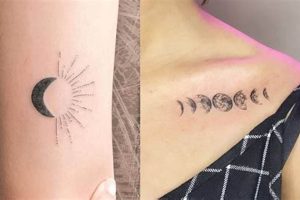



Small, delicate artwork, meaningful script, and symbolic imagery are frequently chosen for hand tattoos. Examples include floral designs, minimalistic line art, single words, and small portraits. Placement options range from the fingers, knuckles, and palm to the back of the hand, each offering a unique canvas for self-expression.
Hand tattoos offer a powerful means of personal expression, showcasing individuality and beliefs visibly. They can commemorate significant life events, relationships, or passions. While historically associated with specific cultures and professions, hand tattoos have become increasingly mainstream, representing a bold and permanent form of personal adornment.
Factors such as pain tolerance, lifestyle, and professional considerations play a significant role in choosing an appropriate design and placement. Exploring different styles, understanding aftercare procedures, and consulting with experienced tattoo artists are crucial steps in the decision-making process.
1. Placement

Placement is a crucial element in hand tattoo design, significantly influencing the aesthetic impact and practical implications. The hand’s unique anatomy, with its varied surfaces and high visibility, presents both opportunities and challenges. A small, delicate design on the inner wrist can convey a sense of intimacy, while a bolder piece extending across the back of the hand makes a more dramatic statement. Finger tattoos, particularly on the knuckles, offer a canvas for small symbols or lettering, though they are more susceptible to fading due to frequent handwashing and exposure to the elements. The palm, a less common but increasingly popular location, offers a larger, flatter surface for intricate designs but requires careful consideration due to the hand’s constant use and sensitivity.
Practical considerations also inform placement decisions. Certain professions may have restrictions on visible tattoos, making less conspicuous locations like the side of the hand or the inner wrist more suitable. The healing process should also be factored in, as hand tattoos tend to heal more slowly due to frequent movement and exposure. Choosing a placement that minimizes friction and contact with irritants during the healing phase is essential. Furthermore, the curvature and flexibility of the hand can affect how a design appears over time, especially with larger or more complex pieces. Consulting with an experienced tattoo artist is vital for understanding how a chosen design will interact with the hand’s unique contours and how it might age.
Successful hand tattoo placement hinges on a balance between aesthetic preferences, practical constraints, and the chosen design. Careful consideration of these factors, coupled with the guidance of a skilled artist, ensures a tattoo that not only looks beautiful but also remains a source of satisfaction for years to come. Ignoring these factors can result in a tattoo that is ill-suited to the hand’s anatomy, fades prematurely, or interferes with daily activities. Ultimately, informed placement decisions are paramount for achieving a hand tattoo that is both aesthetically pleasing and practically sound.
2. Size and Style

Size and style are integral to the success of hand tattoos. The hand’s limited canvas and prominent visibility necessitate careful consideration of these aspects. A harmonious balance between size and style ensures the design complements the hand’s natural contours and remains legible and aesthetically pleasing over time. Poorly chosen size or style can lead to a cluttered appearance, premature fading, or a design that overwhelms the hand’s delicate structure.
- Minimalism
Minimalist designs, characterized by clean lines, simple shapes, and negative space, are well-suited to hand tattoos. Small, delicate line drawings of flowers, geometric patterns, or single words exemplify this style. Minimalism’s simplicity ensures clarity and longevity, crucial for a location prone to wear and tear. This style often favors smaller sizes, allowing the design to integrate seamlessly with the hand’s anatomy without appearing overwhelming.
- Ornamental Styles
Intricate patterns inspired by lace, henna, or jewelry are another popular choice. These designs often wrap around the fingers or extend along the back of the hand, creating a decorative effect. While visually striking, ornamental styles require careful consideration of size and complexity. Overly intricate details can become blurred over time, particularly in smaller sizes. A skilled artist can adapt these styles to the hand’s unique contours, ensuring the design retains its elegance and clarity.
- Script and Lettering
Single words, initials, or short phrases are frequently chosen for hand tattoos. The choice of font, size, and placement dramatically impacts the overall aesthetic. Delicate script fonts lend a feminine touch, while bolder typefaces create a stronger statement. Precise execution is crucial for legibility, particularly with smaller sizes. Placement should consider the hand’s natural curves and how the lettering will interact with them.
- Symbolic Imagery
Small, symbolic images, such as animals, celestial bodies, or religious icons, hold personal meaning for the wearer. Size and style considerations are crucial for conveying the intended symbolism effectively. Realistic depictions require sufficient space and detail to be recognizable, while stylized or abstract interpretations can be successfully executed in smaller sizes. The chosen style should complement the symbolism, ensuring the design’s message remains clear and impactful.
Ultimately, the size and style of a hand tattoo should complement both the wearer’s personal aesthetic and the hand’s unique characteristics. Careful consideration of these factors, in consultation with a skilled tattoo artist, ensures a design that is not only visually appealing but also meaningful and enduring.
3. Symbolism

Symbolism plays a profound role in hand tattoo choices, imbuing designs with personal meaning and significance. Hand tattoos, due to their high visibility, often serve as a constant reminder of cherished values, beliefs, or experiences. The selection of a specific symbol transforms a simple aesthetic choice into a powerful statement of identity. This connection between symbolism and hand tattoos allows individuals to express narratives that resonate deeply with their personal journeys.
Specific symbols carry culturally and historically recognized meanings, adding layers of interpretation to hand tattoo designs. For instance, a lotus flower can symbolize resilience and rebirth, while a feather might represent freedom and spirituality. Geometric patterns can evoke ancient traditions and spiritual beliefs. Animals, such as butterflies (transformation), swallows (hope and travel), or snakes (wisdom and transformation), also carry rich symbolic weight. Choosing symbols resonant with personal narratives allows individuals to wear powerful reminders of their values and aspirations. The size and style of the symbol further influence its impact, from delicate outlines to intricate details.
Understanding the symbolic meaning behind a chosen design ensures the tattoo resonates with the individual’s intended message. The hand’s prominent placement amplifies this symbolic significance, broadcasting the chosen narrative to the world. Consulting with experienced tattoo artists specializing in symbolic artwork ensures accurate representation and artistic execution. This collaborative process allows individuals to craft meaningful and visually compelling hand tattoos that reflect their unique identities and values. Careful consideration of symbolism transforms hand tattoos from mere adornment into powerful personal statements.
4. Pain Management

Pain management is a critical aspect of the hand tattooing process, particularly given the hand’s sensitivity. The thin skin and numerous nerve endings in this area contribute to heightened pain perception compared to other body parts. Effective pain management strategies are essential for a comfortable and positive tattooing experience, allowing individuals to focus on the artistic process rather than discomfort. Ignoring pain management can lead to increased anxiety, muscle tension, and even premature termination of the tattoo session, potentially compromising the final result.
Various methods can mitigate discomfort during hand tattooing. Topical anesthetic creams, applied prior to the procedure, numb the area and reduce pain sensation. Over-the-counter pain relievers, such as ibuprofen or acetaminophen, can also be taken before the session to minimize discomfort. During the procedure, taking breaks allows for brief respites from the pain and prevents the buildup of excessive discomfort. Deep breathing exercises and mindfulness techniques can further help manage pain by promoting relaxation and reducing anxiety. Open communication with the tattoo artist is crucial. Experienced artists can adjust their technique or recommend appropriate breaks based on the individual’s pain tolerance and the complexity of the design. They can also offer insights into aftercare practices that minimize discomfort during the healing process.
Effective pain management contributes significantly to a successful and positive hand tattoo experience. Addressing pain concerns proactively allows individuals to approach the process with greater confidence and comfort. By utilizing appropriate strategies and maintaining open communication with the tattoo artist, the discomfort associated with hand tattoos can be significantly minimized, ensuring a more enjoyable and ultimately more satisfying outcome.
5. Practicality

Practicality plays a significant role in the decision-making process for hand tattoos, particularly for women. Due to their high visibility, hand tattoos can impact professional opportunities and social perceptions. Careful consideration of potential consequences and long-term implications is essential before committing to a hand tattoo. Factors such as career path, lifestyle, and personal values influence the appropriateness and acceptance of visible hand ink.
- Professional Implications
Certain professions maintain strict dress codes that prohibit visible tattoos. Fields like law, medicine, education, and finance may view hand tattoos as unprofessional or distracting. Consequences can range from mandatory covering to potential career limitations. Researching industry-specific regulations and considering potential career paths are crucial before opting for a hand tattoo. The increasing acceptance of tattoos in some sectors does not negate the potential impact on professional prospects in more conservative fields.
- Social Perceptions
While societal acceptance of tattoos has grown, negative stereotypes can still persist, particularly regarding visible hand tattoos. Judgments and assumptions about character or lifestyle based on hand ink can be encountered in various social settings. Consideration of personal comfort levels with potential scrutiny is essential. Factors such as age, cultural background, and geographic location also influence societal perceptions of hand tattoos.
- Lifestyle Considerations
Daily activities and lifestyle choices can impact the longevity and appearance of hand tattoos. Frequent handwashing, exposure to sunlight, and certain hobbies can accelerate fading and require more frequent touch-ups. Individuals with active lifestyles or occupations involving manual labor should consider these factors when choosing placement, size, and design complexity. Realistic expectations about the maintenance required to preserve the tattoo’s quality over time are important.
- Long-Term Commitment
Hand tattoos are highly visible and difficult to conceal. Removal processes are more complex and potentially less effective on the hand compared to other body areas. The decision to get a hand tattoo represents a significant, long-term commitment. Careful reflection on personal values, future aspirations, and the potential impact on various aspects of life is paramount before making this permanent choice. Impulsive decisions can lead to later regret, particularly if career paths or personal circumstances change.
Considering these practical implications empowers individuals to make informed choices about hand tattoos. A thorough assessment of professional, social, and lifestyle factors, combined with realistic expectations about long-term commitment, ensures the decision aligns with personal circumstances and future goals. Neglecting these practical considerations can lead to unforeseen consequences and potentially impact various life domains.
6. Artist Selection

Artist selection is paramount when considering a hand tattoo, especially for designs geared towards women. A skilled artist translates personal visions into aesthetically pleasing and technically sound realities. The hand’s unique anatomy and visibility necessitate an artist’s expertise in delicate line work, precise detailing, and an understanding of how the design will interact with the hand’s movements and curves over time. An unsuitable artist choice can result in a subpar tattoo, potentially affecting confidence and requiring costly and time-consuming corrections or removal.
Finding the right artist involves thorough research and consideration of several factors. Reviewing online portfolios allows assessment of an artist’s style, skill level, and specialization. Recommendations from trusted sources, such as friends or other tattoo enthusiasts, provide valuable insights into an artist’s professionalism and client experience. Consultations with potential artists provide opportunities to discuss design ideas, assess their understanding of the desired aesthetic, and gauge their experience with hand tattoos specifically. A skilled artist will consider factors like skin tone, hand shape, and lifestyle to create a design that complements the individual’s hand and remains visually appealing over time. For example, an artist specializing in fine line floral designs might be ideal for a delicate, feminine aesthetic, while an artist with experience in traditional Japanese tattooing could be a better fit for bolder, more graphic imagery. Paying attention to an artist’s hygiene practices and adherence to safety regulations is non-negotiable. A reputable artist prioritizes client safety and uses sterilized equipment and high-quality inks.
Investing time and effort in selecting a qualified and experienced artist significantly increases the likelihood of a successful hand tattoo. This careful selection process ensures the design is executed with precision, complements the individual’s hand, and reflects their personal style. The resulting tattoo becomes a source of pride and confidence, rather than regret. This meticulous approach underscores the importance of prioritizing artistic skill, experience, and safety when making a permanent modification to such a visible and significant part of the body.
Tips for Hand Tattoos
Careful planning ensures a hand tattoo remains a source of satisfaction for years to come. These tips offer guidance for navigating the decision-making process and achieving desired results.
Tip 1: Research Thoroughly
Explore various designs, styles, and artists specializing in hand tattoos. Gathering inspiration and understanding different aesthetic approaches informs design choices and ensures alignment with personal preferences.
Tip 2: Consider Placement Carefully
Placement impacts visibility, practicality, and how the design interacts with the hand’s anatomy. Factors like profession, lifestyle, and desired level of discretion influence placement choices.
Tip 3: Prioritize Size and Style Harmony
Size and style should complement the hand’s proportions and ensure the design remains clear and legible over time. Intricate details may lose definition in smaller sizes; larger designs require careful placement to avoid a cluttered appearance.
Tip 4: Reflect on Symbolism
Chosen symbols should hold personal meaning and resonate with individual values or experiences. Understanding the cultural and historical significance of symbols adds depth and intentionality to the design.
Tip 5: Address Pain Management Proactively
The hand’s sensitivity necessitates planning for pain management. Discuss options with the chosen artist, considering topical anesthetics, over-the-counter pain relievers, and relaxation techniques.
Tip 6: Evaluate Practical Implications
Assess potential impacts on professional opportunities and social perceptions. Consider career aspirations, lifestyle choices, and personal comfort levels with visible hand ink.
Tip 7: Choose a Reputable Artist
Artist skill significantly impacts the final result. Research portfolios, seek recommendations, and schedule consultations to evaluate experience, hygiene practices, and artistic approach.
Following these tips contributes to a well-informed decision, a positive tattooing experience, and a hand tattoo that remains a cherished form of self-expression.
Ultimately, a thoughtfully chosen and expertly executed hand tattoo becomes a powerful symbol of personal identity and a source of lasting satisfaction.
Frequently Asked Questions
This section addresses common inquiries regarding hand tattoos, providing factual information and clarifying potential concerns.
Question 1: How much do hand tattoos typically cost?
Costs vary based on size, complexity, artist experience, and geographic location. Obtaining quotes from multiple reputable artists is recommended.
Question 2: What is the typical healing time for a hand tattoo?
Healing typically takes 2-4 weeks, potentially longer due to frequent hand use and exposure. Strict adherence to aftercare instructions promotes optimal healing.
Question 3: Do hand tattoos fade faster than tattoos on other body parts?
Hand tattoos are more prone to fading due to frequent washing, sun exposure, and general wear and tear. Touch-ups may be required to maintain vibrancy.
Question 4: Are hand tattoos more painful than tattoos in other locations?
The hand’s thin skin and numerous nerve endings contribute to increased sensitivity. Pain tolerance varies; discussing pain management options with the artist is advisable.
Question 5: What are the potential career implications of having a hand tattoo?
Certain professions may prohibit or restrict visible tattoos. Researching industry-specific policies and considering long-term career goals is crucial.
Question 6: Can hand tattoos be removed?
Removal is possible but may be more challenging and less effective on the hand compared to other areas. Multiple sessions are often required, and complete removal may not be guaranteed.
Careful consideration of these factors contributes to informed decision-making and a positive hand tattoo experience.
Further research and consultation with experienced professionals are encouraged for personalized guidance.
Conclusion
Careful consideration of placement, size, style, and symbolism ensures hand tattoos for women remain aesthetically pleasing, personally meaningful, and reflective of individual style. Practical implications, including professional and social perceptions, necessitate thoughtful evaluation before committing to such a visible location. Pain management strategies and meticulous artist selection are crucial for a positive tattooing experience and a high-quality result. Understanding the unique challenges and opportunities presented by the hand as a canvas empowers informed decision-making.
Hand tattoos offer a powerful means of self-expression, allowing individuals to showcase their identities and values. A well-chosen and expertly executed hand tattoo becomes a permanent work of art, a constant reminder of personal narratives, and a testament to individual expression. The decision to adorn this visible and expressive part of the body requires careful planning, informed choices, and a deep understanding of the commitment involved. Ultimately, the journey toward a meaningful hand tattoo represents a personal evolution, reflected in the intricate details and symbolic significance of the chosen design.