


Permanent body art reflecting the pursuit of waterfowl provides a visual representation of this longstanding tradition. These designs can range from realistic depictions of ducks in flight or mallards landing in a marsh, to symbolic imagery such as silhouettes, decoys, or hunting dogs. Incorporating elements like cattails, blinds, or shotguns further personalizes the tattoo, showcasing specific aspects of the hunter’s experience.
Such artwork allows individuals to express a deep connection to nature, commemorate memorable hunts, and celebrate the camaraderie often associated with this activity. Historically, hunting has played a significant role in providing sustenance and connecting people to their environment. These tattoos serve as a modern manifestation of this historical relationship, reflecting a passion for the outdoors and the continuation of a time-honored practice. They can also serve as a tribute to loved ones who share this passion.
Exploring different artistic styles, placement options, and symbolic elements will help create a unique and meaningful piece. Factors such as size, color palette, and level of detail should be considered when developing a design that effectively captures the individual’s vision. Researching artists specializing in wildlife or realism is recommended for those seeking accurate and visually striking representations.
1. Realism

Realism in duck hunting tattoos prioritizes accurate anatomical depictions of waterfowl, capturing the intricate details of their plumage, wing structure, and overall form. This approach often involves meticulous shading and color gradients to create a lifelike representation of the bird, whether in flight, resting on water, or interacting with its environment. The dedication to detail extends beyond the duck itself, encompassing realistic portrayals of accompanying elements such as water ripples, reeds, and other natural features. This commitment to verisimilitude can result in stunningly lifelike artwork, showcasing the hunter’s appreciation for the beauty and complexity of these birds.
A realistic portrayal of a mallard drake, for example, might focus on the iridescent green head, the chestnut breast, and the intricate patterns of the wing feathers. Similarly, a depiction of a wood duck could emphasize the striking contrast between its vibrant plumage and the surrounding muted tones of the forest. The emphasis on accurate representation often extends to the environment as well, portraying realistic water reflections, detailed depictions of wetland plants, and accurate lighting to create a sense of depth and immersion. This detailed rendering adds to the overall artistic impact and personal significance of the tattoo, showcasing the hunter’s deep connection to the natural world.
The pursuit of realism in these tattoos often requires a skilled artist with a strong understanding of avian anatomy and a mastery of shading and color techniques. The resulting artwork can serve as a powerful testament to the hunter’s passion, reflecting not only their admiration for the quarry but also their appreciation for artistic skill and attention to detail. This commitment to realistic representation ensures the tattoo serves as a lasting and impactful tribute to the beauty and challenge of waterfowl hunting. The choice of realism reflects a desire to capture the essence of the hunt and the beauty of the birds in a tangible and visually compelling form.
2. Silhouettes

Silhouettes offer a powerful yet minimalist approach to duck hunting tattoo designs. Their simplicity allows for bold visual statements, focusing on the iconic shape of waterfowl in flight or at rest. A silhouette captures the essence of the bird without intricate detail, emphasizing its graceful form and instantly recognizable profile. This style lends itself well to various sizes and placements, making it a versatile choice for individuals seeking a less elaborate but equally meaningful tattoo. The stark contrast between the solid black form and the skin creates a striking visual impact, ensuring the design remains clear and recognizable even from a distance. This approach can evoke a sense of mystery and intrigue, suggesting the quiet stillness of a dawn hunt or the swift movement of birds overhead.
A common example involves a flock of ducks silhouetted against a setting sun, representing the end of a successful day in the field. Another popular choice depicts a single duck in mid-flight, its wings outstretched against a backdrop of reeds or open sky. These simple yet evocative images resonate with hunters, symbolizing the freedom and tranquility experienced in the pursuit of waterfowl. The use of negative space emphasizes the outline of the bird, creating a clean and timeless aesthetic. Silhouettes also offer flexibility in incorporating other elements, such as a hunter’s blind or a trusty retriever, further personalizing the design without sacrificing its minimalist appeal. This adaptability makes silhouettes a popular option for both large, statement pieces and smaller, more discreet tattoos.
The minimalist nature of silhouettes lends them a timeless quality, ensuring the tattoo remains relevant and impactful for years to come. This approach also allows for greater artistic freedom in terms of placement and composition. Whether integrated into a larger, more complex design or standing alone as a simple yet powerful statement, silhouettes provide a versatile and enduring option for those seeking a duck hunting-themed tattoo. Their enduring appeal lies in their ability to capture the essence of waterfowl hunting with understated elegance and symbolic depth, offering a powerful visual representation of a deeply personal passion.
3. Waterfowl Portraits

Waterfowl portraits represent a distinct category within duck hunting tattoo ideas, focusing on detailed and artistic depictions of specific duck species. These tattoos celebrate the unique beauty and characteristics of individual birds, often showcasing intricate plumage patterns, expressive eyes, and lifelike postures. The emphasis shifts from the action of the hunt to the aesthetic appreciation of the waterfowl themselves. This approach allows hunters to pay homage to particular species they admire or have successfully pursued, transforming their passion into a personalized work of art. A portrait of a pintail drake, for example, might highlight its elegant, elongated tail feathers, while a portrait of a canvasback could emphasize its distinctive sloping profile and reddish-brown head. These detailed renderings capture the essence of each species, reflecting the hunter’s deep knowledge and appreciation for their quarry.
The artistic execution of waterfowl portraits often draws inspiration from classical wildlife art, employing techniques such as realistic shading, vibrant color palettes, and meticulous attention to anatomical detail. This commitment to accuracy and artistry elevates the tattoo beyond a simple depiction, transforming it into a celebration of both the hunter’s passion and the inherent beauty of these birds. Such portraits can also incorporate elements of the bird’s natural habitat, such as reeds, water lilies, or other aquatic plants, to further enhance the realism and visual appeal of the tattoo. This integration of habitat elements adds depth and context to the portrait, creating a more complete and immersive representation of the bird in its natural environment. Choosing a specific pose, such as a duck in mid-flight or preening its feathers, can further personalize the design and add narrative depth to the tattoo.
Ultimately, waterfowl portraits within the context of duck hunting tattoos serve as a powerful expression of respect and admiration for the quarry. They allow hunters to showcase their deep connection to nature and their appreciation for the unique beauty of these birds. The careful attention to detail and artistic skill required for these portraits demonstrate a profound respect for the animals pursued and a commitment to preserving their image in a lasting and meaningful way. This approach transforms the act of hunting into a celebration of the natural world and the intricate beauty of its inhabitants, offering a unique and personalized way for hunters to express their passion.
4. Incorporating Gear
Integrating hunting gear into tattoo designs provides a personalized dimension to duck hunting-themed body art. These elements serve as visual symbols of the hunter’s dedication and experience, representing the tools and traditions associated with the pursuit of waterfowl. From vintage decoys to modern shotguns, the inclusion of gear adds a layer of authenticity and personal narrative to the tattoo, allowing individuals to showcase their specific approach to the sport.
- Decoys
Decoys, essential tools for attracting waterfowl, represent a core element of duck hunting strategy and tradition. Incorporating decoys into a tattoo can symbolize the hunter’s knowledge of bird behavior and their connection to historical hunting practices. Whether depicted as a single, meticulously detailed decoy or a spread mimicking a natural landing zone, these elements add a touch of realism and historical context to the overall design. Antique decoys, with their weathered paint and unique carvings, can further enhance the tattoo’s vintage aesthetic and personal significance, reflecting an appreciation for the history and tradition of the sport.
- Shotguns
The shotgun, a central tool in duck hunting, symbolizes the active pursuit of game and the hunter’s skill in marksmanship. Depicting a cherished firearm in a tattoo can represent the hunter’s respect for responsible gun ownership and their dedication to ethical hunting practices. The specific make and model of the shotgun can hold personal significance, further individualizing the design. Including elements such as intricate engravings or personalized stock details can add a layer of realism and sentimental value, showcasing the hunter’s pride in their equipment.
- Calls
Duck calls, used to mimic the sounds of waterfowl, represent the hunter’s ability to communicate with and attract their quarry. Incorporating a call into a tattoo design symbolizes the hunter’s understanding of bird vocalizations and their skill in employing these tools effectively. A well-crafted call, often passed down through generations, can hold significant sentimental value, making it a meaningful addition to a personalized tattoo. The detail in the call’s depiction, from the wood grain to the lanyard, adds to the tattoo’s authenticity and personal touch, reflecting the hunter’s connection to the auditory aspects of the sport.
- Hunting Dogs
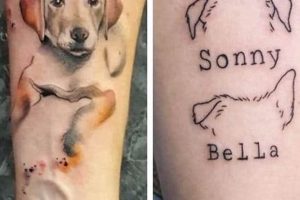
Loyal companions and essential partners in retrieving downed birds, hunting dogs hold a special place in the hearts of many waterfowlers. Including a portrait of a beloved retriever in a duck hunting tattoo pays tribute to the dog’s unwavering dedication and invaluable contribution to the hunt. The depiction can range from a realistic portrait capturing the dog’s unique features to a stylized image showcasing its breed-specific characteristics. The inclusion of a hunting dog adds a layer of emotional depth to the tattoo, reflecting the strong bond between hunter and canine companion and acknowledging the dog’s essential role in the sport.
By incorporating these elements, hunters create a visual narrative that speaks to their personal experiences and values within the sport. The gear becomes more than just equipment; it transforms into symbolic representations of dedication, tradition, and the deep connection between the hunter and the pursuit of waterfowl. These elements can be combined in various ways, from a simple shotgun shell to a detailed scene incorporating multiple pieces of gear, creating a unique and personalized reflection of the hunter’s passion.
5. Symbolic imagery
Symbolic imagery plays a significant role in enriching duck hunting tattoo designs, adding layers of meaning beyond literal representations. These symbols can represent abstract concepts related to the sport, evoke specific emotions, or connect the individual to broader themes of nature, tradition, and personal values. Incorporating symbolic elements allows hunters to create highly personalized tattoos that resonate with their individual experiences and beliefs, transforming the design into a powerful statement of identity and passion. For example, a rising sun over a marsh can symbolize the anticipation and excitement of a new hunting day, while a setting sun might represent the peaceful conclusion of a successful hunt. Similarly, a flock of ducks in flight can evoke feelings of freedom and connection to nature, while a lone duck might represent solitude and introspection. These symbolic representations add depth and complexity to the tattoo, allowing for a more nuanced and personal expression of the hunter’s connection to the sport.
Specific symbols often hold cultural or historical significance within the hunting community. A Labrador Retriever, for instance, symbolizes loyalty, companionship, and the essential role of hunting dogs in retrieving downed birds. Similarly, specific duck species can hold symbolic meaning. The Mallard, being a common and widely recognized species, might represent adaptability and resilience, while the Wood Duck, with its vibrant plumage, could symbolize beauty and the interconnectedness of nature. Incorporating these culturally relevant symbols allows hunters to connect with a shared heritage and express their belonging to a larger community. Furthermore, the integration of symbolic elements can transform seemingly simple designs into powerful narratives. A single feather, for example, can symbolize connection to a fallen bird, respect for wildlife, or the ephemeral nature of life. These layered meanings add depth and complexity to the tattoo, allowing for a more profound and personal expression of the hunter’s relationship with the sport and the natural world.
Understanding the significance of symbolic imagery within duck hunting tattoo designs allows for the creation of meaningful and personalized artwork. Careful selection of these symbols ensures the tattoo resonates with the individual’s unique experiences and values, transforming a simple image into a powerful expression of identity and passion. Choosing symbols that hold personal or cultural significance enhances the tattoo’s narrative power and creates a lasting tribute to the hunter’s connection with the sport and the natural world. This understanding also ensures the design remains relevant and impactful over time, serving as a constant reminder of the values and experiences that define the hunter’s relationship with duck hunting.
Tips for Choosing Duck Hunting Tattoo Designs
Selecting a tattoo design requires careful consideration, especially when depicting a passion like duck hunting. The following tips offer guidance for crafting a meaningful and impactful piece.
Tip 1: Research Artists: Seek artists specializing in wildlife or realism for accurate and visually striking representations of waterfowl. Review portfolios to assess their skill in capturing the intricate details of feathers, anatomy, and natural settings.
Tip 2: Consider Placement: Placement impacts visibility and how the design interacts with body contours. Larger, more detailed designs suit areas like the back or chest, while smaller, simpler designs work well on the forearm or calf.
Tip 3: Reflect Personal Style: Choose a style that reflects individual preferences, whether realistic, minimalist, or symbolic. Consider elements that hold personal meaning, such as specific duck species, hunting locations, or cherished gear.
Tip 4: Plan for Longevity: Tattoos are permanent. Select a design that resonates deeply and will remain meaningful over time. Avoid trendy elements that might lose their appeal.
Tip 5: Explore Color Palettes: Color significantly impacts a tattoo’s visual impact. Realistic depictions often benefit from a wider color range, while silhouettes can be striking in black and gray. Consider skin tone and how colors will age.
Tip 6: Size and Detail: Balance size with desired detail. Intricate designs require larger areas to avoid blurring over time. Simpler designs can be effective even at smaller scales.
Tip 7: Consult and Collaborate: Discuss ideas thoroughly with the chosen artist. A collaborative approach ensures the final design aligns with individual vision and the artist’s expertise.
By considering these tips, individuals can ensure their duck hunting tattoo becomes a cherished piece of art that effectively reflects their passion and personal connection to the sport.
Careful planning and collaboration with a skilled artist result in a tattoo that embodies the spirit of duck hunting and serves as a lasting symbol of one’s dedication to this time-honored tradition.
Frequently Asked Questions
Addressing common queries regarding permanent body art related to waterfowl hunting provides clarity and facilitates informed decisions.
Question 1: What are the most popular duck hunting tattoo motifs?
Popular motifs include flying ducks, waterfowl portraits, retrievers, hunting scenes, decoys, and shotguns. Symbolic imagery like sunsets, cattails, and feathers also feature prominently.
Question 2: What factors influence the cost of a duck hunting tattoo?
Cost depends on size, complexity, artist’s experience, studio location, and color usage. Larger, more intricate designs requiring multiple sessions naturally incur higher costs.
Question 3: How does one find a reputable tattoo artist specializing in wildlife art?
Online portfolios, artist websites, and social media platforms showcase artists’ styles and specializations. Recommendations from other hunters or tattoo enthusiasts can also prove valuable.
Question 4: What are the key considerations when choosing a tattoo placement?
Placement depends on design size, visibility preference, and pain tolerance. Areas with more muscle mass tend to be less sensitive, while areas over bone can be more painful.
Question 5: How long does a duck hunting tattoo typically take to heal?
Healing typically takes 2-4 weeks, depending on size, placement, and individual healing rates. Proper aftercare, including keeping the tattoo clean and moisturized, is essential for optimal healing.
Question 6: Can a duck hunting tattoo be removed or altered later?
Removal is possible through laser treatments, but it’s a costly and time-consuming process. Alterations, such as adding elements or darkening existing lines, are often feasible depending on the original design.
Thorough research and careful planning are essential for a satisfying and meaningful tattoo experience. Consulting with experienced artists and understanding the long-term implications of permanent body art facilitates informed decisions.
Understanding these aspects allows individuals to approach the process with confidence, resulting in a tattoo that reflects their passion for waterfowl hunting in a meaningful and aesthetically pleasing way.
Duck Hunting Tattoo Ideas
Exploration of permanent waterfowl hunting-themed body art reveals a rich tapestry of symbolic representation, artistic expression, and personal narrative. From realistic depictions of specific species to minimalist silhouettes and evocative hunting scenes, these tattoos capture the essence of a deeply rooted tradition. Consideration of design elements, artistic styles, and placement options empowers individuals to create meaningful and impactful tributes to their passion for the sport. Careful selection of symbolic imagery further enhances the narrative depth, connecting the wearer to broader themes of nature, history, and personal values.
Ultimately, duck hunting tattoo designs serve as a powerful testament to the enduring connection between humans and the natural world. These permanent markings represent not just a sporting pursuit, but a profound respect for wildlife, a celebration of camaraderie, and a commitment to preserving the time-honored traditions of waterfowl hunting. The thoughtful integration of artistic skill, symbolic representation, and personal narrative transforms these tattoos into lasting expressions of individual identity and enduring passion for the sport. Choosing a design that resonates deeply ensures a meaningful and impactful piece of art that continues to tell a story for years to come.