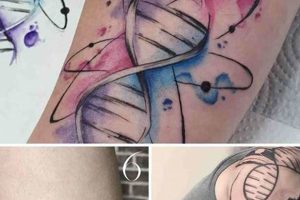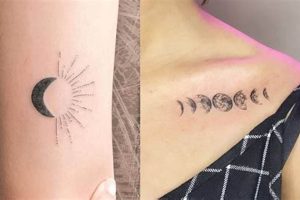



Small, delicate designs placed on the feet have become a popular form of self-expression. Common choices include floral motifs, symbolic imagery, text-based artwork, and minimalist patterns, often selected for their aesthetic appeal and ability to be easily concealed or displayed as desired. For example, a small vine encircling the ankle or a delicate feather design on the top of the foot can be both elegant and discreet.
Foot tattoos offer an opportunity for personal expression in a subtly visible location. The choice of placement provides a degree of control over visibility, allowing individuals to share their body art selectively. Historically, foot adornment has held cultural significance in various societies, often associated with rituals, status, or aesthetic traditions. This placement continues to resonate with contemporary trends, offering a canvas for meaningful and visually appealing designs.
Factors influencing design choices often include pain tolerance (the foot being considered a more sensitive area), practicality regarding healing and aftercare, and the desire for a design that complements the natural contours of the foot. Exploring various design styles, understanding placement considerations, and consulting with experienced tattoo artists are essential steps in the process.
1. Placement

Placement is a critical factor in foot tattoo design, impacting both aesthetics and practicality. Careful consideration of the foot’s anatomy, lifestyle considerations, and desired visibility informs optimal placement choices.
- Top of the Foot
This area offers a larger, relatively flat canvas suitable for more elaborate designs. Visibility is high, making it ideal for showcasing artwork. Examples include decorative mandalas, sprawling floral patterns, or symbolic imagery. However, tight-fitting footwear may rub against the tattoo during healing, requiring careful consideration.
- Ankle
The ankle provides a subtly curved surface well-suited for delicate, flowing designs. Delicate chains, small floral motifs, or script encircling the ankle are popular choices. Ankle tattoos offer versatility in terms of visibility, easily concealed or displayed depending on footwear choices.
- Side of the Foot
This area is often chosen for smaller, minimalist designs due to its limited space and curvature. Small symbols, single words, or delicate linework are common choices. Side foot tattoos are generally less visible than those on top of the foot or ankle, offering a greater degree of discretion.
- Sole of the Foot
While less common due to its unique healing challenges and tendency to fade more quickly, the sole offers an unconventional canvas for those seeking a truly hidden design. Simple geometric patterns or small symbols are best suited for this placement. Specialized aftercare is crucial for sole tattoos due to constant contact and friction.
Ultimately, the chosen placement contributes significantly to the overall impact of a foot tattoo. Careful evaluation of these factors alongside personal preferences ensures a design that is both aesthetically pleasing and practically suitable.
2. Size and Scale

Size and scale are integral to the success of foot tattoo designs. The foot’s relatively small and contoured surface area necessitates careful consideration of these elements. A design that is too large can appear cramped and overwhelming, while a design that is too small might lack detail or become illegible over time. Proportionality to the foot’s anatomy is key; a sprawling design meant for a larger canvas will likely lose its impact when miniaturized for the foot.
For instance, a detailed portrait might be ill-suited for the top of the foot, where the limited space restricts intricate rendering. Conversely, a small, delicate floral motif might appear lost on the ankle if not scaled appropriately. Consider the natural lines and curves of the foot a design that flows with these contours, such as a vine encircling the ankle or a wave pattern along the side of the foot, often creates a more harmonious and aesthetically pleasing result. Larger designs may require multiple sessions and more significant healing time, whereas smaller designs can often be completed in a single session.
Effective size and scale decisions result in a balanced composition, enhancing the tattoo’s visual appeal and longevity. This involves a thorough consultation with a skilled tattoo artist who can assess the foot’s unique dimensions and advise on appropriate sizing. Balancing aesthetic preferences with the practical limitations of the foot ensures a design that remains visually appealing and ages gracefully.
3. Style and Design

Style and design choices are fundamental to realizing aesthetically pleasing and personally meaningful foot tattoos. Numerous styles, ranging from minimalist to intricate, can be adapted to the foot’s unique canvas. The selected style significantly impacts the tattoo’s visual impact and longevity. Matching design elements with personal aesthetics and the foot’s anatomical considerations is crucial for a successful outcome.
Minimalist designs, characterized by clean lines, geometric shapes, and negative space, are increasingly popular. These designs often feature small symbols, single words, or abstract patterns. Their simplicity lends itself well to the foot’s limited space and can age gracefully due to the boldness of the lines. Conversely, intricate designs featuring fine details, complex patterns, or realistic renderings require a high level of skill from the artist and careful consideration of placement. The foot’s constant movement and exposure to friction can compromise intricate details over time, making larger, bolder elements more suitable for long-term visual appeal. Floral motifs, mandalas, and ornamental designs are examples of intricate styles frequently adapted for foot tattoos.
Script tattoos, featuring meaningful quotes, names, or dates, are another popular style. Choosing a legible font and appropriate size is crucial for ensuring readability over time. Placement considerations, such as following the curve of the ankle or the arch of the foot, can enhance the aesthetic appeal of script tattoos. The selection of appropriate style and design elements hinges upon individual preferences, the foot’s anatomy, and a realistic assessment of long-term maintenance. Collaboration with a skilled tattoo artist experienced in various styles and familiar with the specific challenges of foot tattoos is essential for a successful and satisfying result.
4. Pain Management

Pain management is a crucial aspect of the foot tattooing process. The foot is considered a sensitive area due to the thin skin, proximity to bone, and abundance of nerve endings. Effective pain management strategies are essential for a comfortable and positive tattooing experience, enabling individuals to tolerate the procedure and the artist to execute the design effectively. Neglecting pain management can lead to unnecessary discomfort, increased anxiety, and potentially compromised results.
- Topical Anesthetics
Topical anesthetic creams containing lidocaine or prilocaine can numb the skin’s surface, reducing discomfort during the tattooing process. Application typically occurs prior to the procedure, allowing sufficient time for the anesthetic to take effect. While topical anesthetics can significantly minimize pain, individual responses vary, and some discomfort may still be experienced.
- Nerve Blocks
While less common for foot tattoos, nerve blocks administered by medical professionals can provide more profound pain relief. This method involves injecting an anesthetic near specific nerves to block pain signals. Nerve blocks are typically reserved for more extensive or painful procedures and require consultation with a qualified medical practitioner.
- Over-the-Counter Pain Relievers
Over-the-counter pain relievers such as ibuprofen or acetaminophen can be taken prior to and following the procedure to help manage discomfort. These medications can reduce inflammation and alleviate pain, contributing to a more comfortable healing process. Following recommended dosages and consulting a healthcare professional for guidance is crucial.
- Distraction Techniques
Employing distraction techniques during the tattooing process can also help manage pain perception. Listening to music, engaging in conversation, or practicing deep breathing exercises can shift focus away from the sensation of the needle and reduce anxiety. These methods can be used in conjunction with other pain management strategies for a more holistic approach.
Implementing effective pain management strategies contributes significantly to a positive and successful foot tattooing experience. Open communication with the tattoo artist regarding pain tolerance and preferred methods allows for personalized approaches, ensuring comfort throughout the procedure and promoting optimal healing outcomes. Understanding and addressing pain concerns is a vital aspect of responsible tattooing practices.
5. Aftercare Practices
Diligent aftercare is paramount for preserving the aesthetic quality and longevity of foot tattoos. The foot’s unique anatomical characteristics and constant exposure to pressure and friction necessitate specific aftercare considerations. Neglecting proper aftercare can lead to complications such as infection, ink loss, and prolonged healing times. Appropriate aftercare practices directly impact the vibrancy, clarity, and overall appearance of the tattoo over time.
Keeping the tattoo clean and moisturized is fundamental. Gentle washing with unscented soap and lukewarm water removes excess ink and debris, minimizing the risk of infection. Applying a thin layer of fragrance-free, tattoo-specific ointment keeps the area hydrated and promotes healthy skin regeneration. Over-moisturizing, however, can create an environment conducive to bacterial growth, hindering the healing process. Protecting the tattoo from excessive friction and sun exposure is crucial, especially during the initial healing phase. Wearing loose-fitting, breathable footwear prevents rubbing and irritation. Direct sunlight can fade tattoo ink and prolong healing; therefore, covering the tattoo when exposed to the sun is essential, even after the initial healing period.
Proper aftercare practices contribute significantly to the long-term success of foot tattoos. Consistent adherence to recommended guidelines minimizes the risk of complications, promotes optimal healing, and preserves the tattoo’s visual integrity. Consulting with the tattoo artist for personalized aftercare instructions tailored to individual skin type and the specific tattoo design is crucial for achieving desired results. Effective aftercare is an integral component of responsible tattoo ownership, ensuring the longevity and aesthetic appeal of the artwork.
6. Artist Selection
Artist selection is paramount when considering a foot tattoo. A skilled artist specializing in fine-line work, delicate details, and small-scale designs is essential for achieving optimal results on the foot’s unique canvas. The foot’s small surface area and complex contours require precision and expertise. An artist experienced in working with these constraints can translate desired concepts into aesthetically pleasing and technically sound tattoos that complement the foot’s anatomy. For example, an artist specializing in floral designs may possess the delicate touch and understanding of botanical forms necessary to create a visually stunning and anatomically appropriate floral piece on the foot. Conversely, an artist primarily experienced in large-scale, bold designs might lack the finesse required for intricate details on a smaller scale. Reviewing an artist’s portfolio for examples of prior foot tattoos provides valuable insight into their skill level and stylistic approach.
Beyond technical proficiency, an artist’s understanding of placement, size, and scale as they relate specifically to foot tattoos is crucial. An experienced artist can advise on appropriate design choices, taking into account the foot’s curvature, movement, and potential for friction. This expertise contributes to a design that not only looks aesthetically pleasing but also ages gracefully. Furthermore, an artist knowledgeable about the foot’s sensitivity can implement appropriate pain management techniques, contributing to a more comfortable and positive tattooing experience. Effective communication between the client and artist regarding design preferences, placement considerations, and pain management strategies is essential for a successful outcome.
Choosing the right artist is an investment in the quality and longevity of a foot tattoo. Thorough research, portfolio reviews, and consultations are essential steps in the artist selection process. Prioritizing experience, technical skill, and a clear understanding of the foot’s unique characteristics ensures a foot tattoo that is both aesthetically pleasing and technically sound. A well-executed foot tattoo reflects not only the client’s vision but also the artist’s expertise in adapting designs to this challenging and rewarding canvas.
Tips for Foot Tattoo Designs
Careful planning ensures a successful foot tattoo, considering the foot’s unique characteristics. These tips offer guidance for achieving aesthetically pleasing and long-lasting results.
Tip 1: Research Thoroughly
Explore various design styles, research potential artists specializing in fine-line or small-scale work, and gather inspiration from reputable sources. Understanding different styles and techniques informs design choices and artist selection.
Tip 2: Consider Placement Carefully
Placement impacts visibility, comfort, and design suitability. The top of the foot offers a larger canvas, while the ankle and sides provide more discreet options. The sole is less common due to healing challenges.
Tip 3: Size Matters
Scale designs appropriately for the foot’s size and contours. Overly large designs can appear cramped, while excessively small details may lose clarity over time. Proportionality is key.
Tip 4: Prioritize Simplicity
Intricate details can be challenging to execute and maintain on the foot. Simpler designs, such as minimalist linework or bold, solid shapes, often age more gracefully.
Tip 5: Consult a Professional
Discuss design ideas, placement options, and pain management strategies with a reputable tattoo artist experienced in foot tattoos. Professional guidance is essential for achieving desired outcomes.
Tip 6: Prepare for the Pain
The foot is a sensitive area. Discuss pain management options with the artist and consider over-the-counter pain relievers or topical anesthetics.
Tip 7: Commit to Aftercare
Diligent aftercare is crucial for proper healing and ink retention. Follow the artist’s instructions meticulously, keeping the tattoo clean, moisturized, and protected from friction and sun exposure.
Following these tips contributes significantly to a successful and satisfying foot tattoo experience, ensuring a design that is both aesthetically pleasing and enduring.
These considerations pave the way for a fulfilling experience, resulting in a beautiful and enduring piece of body art.
Frequently Asked Questions
Addressing common inquiries regarding foot tattoos provides clarity and facilitates informed decisions. The following addresses key considerations for individuals contemplating this form of body art.
Question 1: How painful are foot tattoos?
Pain levels vary based on individual tolerance, but the foot is generally considered a more sensitive area due to thin skin and proximity to bone. Effective pain management strategies can significantly improve comfort during the procedure.
Question 2: How long do foot tattoos take to heal?
Healing times typically range from 4 to 6 weeks, potentially longer depending on individual factors and design complexity. Proper aftercare practices significantly influence healing time and outcome.
Question 3: Do foot tattoos fade quickly?
Foot tattoos are susceptible to fading due to constant friction and exposure to environmental factors. Choosing appropriate placement, design, and diligent aftercare can mitigate fading.
Question 4: What are the best design choices for foot tattoos?
Smaller, simpler designs with bold lines tend to age better on the foot. Minimalist styles, geometric patterns, and small symbolic imagery are popular choices. Intricate details are more prone to blurring over time.
Question 5: How should one choose a tattoo artist for a foot tattoo?
Seek artists specializing in fine-line work, small-scale designs, and with demonstrated experience in foot tattoos. Review portfolios for examples of their work and consult with potential artists to discuss design preferences and placement considerations.
Question 6: What are the essential aftercare steps for a foot tattoo?
Keeping the tattoo clean, moisturized, and protected from friction and sun exposure is crucial for proper healing. Following the artists specific aftercare instructions diligently is essential for optimal results.
Careful consideration of these factors ensures a positive tattooing experience and a lasting piece of body art.
Exploring design galleries and consulting with experienced artists provides further guidance in the decision-making process.
Conclusion
Careful consideration of placement, size, style, and aftercare practices is essential for successful foot tattoo designs. Selecting a skilled artist specializing in fine-line work ensures a design complements the foot’s anatomy and personal aesthetics. Pain management strategies further contribute to a positive tattooing experience.
Ultimately, informed decision-making results in a foot tattoo that embodies personal expression and stands the test of time. Thorough research, consultation with experienced professionals, and diligent aftercare are crucial investments in achieving a beautiful and enduring piece of body art.