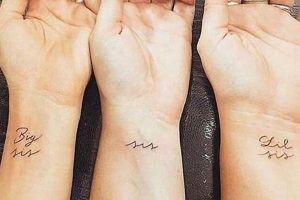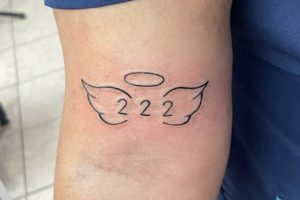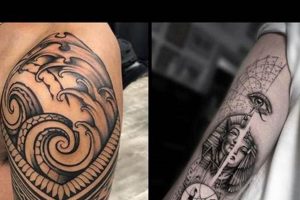



Extensive body art offers a vast canvas for intricate designs and detailed narratives. Consider ambitious concepts like full back pieces, sleeves, or torso designs that incorporate complex imagery, detailed shading, and vibrant color palettes. Examples include mythological scenes, nature-inspired landscapes, or portraits of loved ones rendered in a realistic style. The scale allows for the inclusion of multiple elements that contribute to a cohesive and impactful visual statement.
The significant surface area provided by expansive artwork permits a level of detail and complexity often unattainable with smaller designs. This scale can be leveraged to create visually stunning and deeply personal expressions of identity, beliefs, or passions. Historically, large-scale body art has served various cultural and societal functions, from signifying status and belonging to conveying spiritual or ancestral narratives. The tradition of using the body as a canvas for elaborate artwork persists in contemporary culture as a powerful form of self-expression and storytelling.
Exploring the possibilities of extensive body art involves considering placement, subject matter, artistic style, and the artist’s expertise. Factors such as pain tolerance, healing time, and long-term maintenance are also essential considerations. Subsequent sections will delve into these aspects, providing a comprehensive guide for those considering committing to a significant piece of body art.
1. Placement

Strategic placement is paramount for large-scale tattoos, maximizing their visual impact and ensuring the design harmonizes with the body’s natural contours. Careful consideration of body shape, musculature, and potential future additions contributes to a cohesive and aesthetically pleasing result. This section explores crucial placement considerations for extensive body art.
- Body Contours
The body’s curves and lines serve as a natural framework for large designs. A sprawling landscape might flow seamlessly across the back, while a dynamic, swirling pattern could accentuate the curves of a thigh or ribcage. Understanding how the design interacts with underlying musculature and bone structure is essential for a successful outcome. A skilled artist will utilize these contours to enhance the tattoo’s three-dimensionality and create a sense of movement.
- Future Expansion
Planning for potential future additions is crucial when considering placement. A large piece can serve as an anchor for smaller, complementary tattoos, creating a cohesive and evolving narrative over time. Leaving strategic negative space allows for seamless integration of future elements, avoiding a cluttered or disjointed appearance. This foresight ensures that the overall composition remains balanced and visually appealing as the artwork expands.
- Visibility and Concealment
Placement influences the degree to which a tattoo is visible or easily concealed. Factors such as profession, social context, and personal preference dictate the desired level of exposure. Easily concealed locations, like the back or thigh, offer flexibility, while highly visible areas, such as the arms or chest, make a bolder statement. Careful consideration of these factors ensures the tattoo aligns with individual lifestyle and comfort levels.
- Symmetry and Balance
For designs that prioritize symmetry or balance, careful placement is essential. Centralized placements, like the spine or chest, lend themselves well to symmetrical compositions. Alternatively, asymmetrical designs can create visual interest by playing with the body’s natural asymmetry. Understanding the interplay between design and placement contributes to a harmonious and balanced overall composition.
Ultimately, optimal placement enhances the artistic impact of a large tattoo, creating a seamless integration between body and art. By considering these facets, individuals can ensure their chosen design complements their physique and personal aesthetic, resulting in a powerful and enduring piece of body art.
2. Subject Matter

The expansive canvas offered by large-scale tattoos allows for intricate exploration of complex themes and narratives. Subject matter selection is paramount, reflecting personal values, beliefs, or passions. This section explores the multifaceted relationship between subject matter and extensive body art.
- Narrative Depth
Large tattoos provide ample space for detailed storytelling. Epic poems, mythological scenes, or personal narratives can unfold across the body, creating a visually captivating and deeply personal artwork. The scale allows for the inclusion of multiple characters, settings, and symbolic elements, enriching the narrative and enhancing its impact. A full back piece might depict a battle scene from a favorite book, or a sleeve could chronicle a personal journey of growth and transformation.
- Symbolic Representation
Large-scale designs provide an ideal medium for expressing symbolic concepts. Animals, plants, geometric patterns, and cultural iconography can be interwoven to create a rich tapestry of meaning. The size allows for intricate detail and layering of symbolism, creating a powerful visual representation of personal beliefs, values, or aspirations. A large chest piece might incorporate a lion to symbolize strength and courage, or a floral design on the thigh could represent growth and resilience.
- Artistic Realism
The larger canvas allows for detailed rendering of realistic imagery, capturing intricate details and nuances. Portraits of loved ones, detailed depictions of animals, or photorealistic landscapes can be executed with greater precision and depth. The scale facilitates the subtle gradations of light and shadow, textures, and intricate details that contribute to a lifelike representation. A large arm sleeve might feature a portrait of a family member rendered in exquisite detail, or a back piece could depict a breathtaking vista with stunning realism.
- Abstract Expression
Large-scale tattoos can also serve as a powerful medium for abstract expression. Sweeping lines, bold colors, and non-representational forms can be used to evoke emotions, explore concepts, or create a purely aesthetic impact. The scale allows for dynamic interplay of shapes and colors, creating a visually arresting and thought-provoking piece of art. A large abstract design on the torso might explore themes of chaos and order, or a leg piece could feature a vibrant explosion of color and form.
Careful consideration of subject matter ensures that a large tattoo becomes a meaningful and impactful expression of personal identity. By exploring these diverse facets, individuals can select a theme that resonates deeply and translates into a powerful and enduring piece of body art.
3. Artistic Style

Artistic style significantly influences the overall impact and aesthetic of large-scale tattoos. The chosen style dictates the visual language of the piece, impacting its mood, message, and longevity. Careful consideration of various styles and their suitability for extensive body art is crucial. Selecting a style that aligns with both the subject matter and individual preferences ensures a cohesive and personally resonant result. For instance, a realistic portrait requires a different skillset and approach than a traditional Japanese irezumi piece, impacting design choices, color palettes, and execution techniques.
Several prominent styles lend themselves well to expansive canvases. Realism captures intricate details and nuances, creating lifelike depictions. Traditional Japanese irezumi utilizes bold lines, vibrant colors, and symbolic imagery to tell complex stories. American traditional employs bold outlines and a limited color palette for iconic and timeless designs. Neo-traditional builds upon traditional foundations with more detailed shading and broader color palettes. Watercolor tattoos mimic the fluidity and ethereal qualities of watercolor paintings. Each style possesses unique characteristics impacting the final artwork’s visual language and overall impression. Matching the style to the subject matter enhances the narrative and ensures the tattoo’s aesthetic coherence. A sprawling nature scene rendered in realism captures the intricacies of the natural world, while a mythical creature depicted in neo-traditional style evokes a sense of fantasy and folklore.
Selecting an artist specializing in the desired style is paramount. Large-scale tattoos demand a high level of skill and experience. Artists specializing in a particular style possess the technical expertise and artistic vision necessary to execute complex designs effectively. Researching artists’ portfolios, understanding their strengths, and discussing the project in detail ensures alignment of artistic vision and desired outcome. This careful selection process safeguards against stylistic mismatches and contributes to a successful and satisfying large-scale tattoo experience. Ultimately, the synergy between artistic style, subject matter, and artist expertise determines the final product’s aesthetic impact and enduring value.
4. Artist Selection
Realizing ambitious artistic concepts necessitates meticulous artist selection. The scale and complexity of extensive body art demand a skilled practitioner capable of translating intricate designs into impactful realities. Choosing the right artist is paramount for ensuring the final product aligns with the initial vision and stands the test of time. A poorly executed large-scale tattoo can lead to aesthetic and practical issues, including uneven lines, inconsistent color saturation, and difficulties with future additions or cover-ups.
- Portfolio Examination
A thorough review of an artist’s portfolio provides crucial insights into their style, technical proficiency, and experience with large-scale work. Focus on pieces similar in style and scope to the envisioned design. Assess line quality, color saturation, composition, and the artist’s ability to execute intricate details. Examples include examining how an artist renders realistic portraits, handles complex geometric patterns, or depicts dynamic scenes with movement and depth. This careful examination helps gauge an artist’s suitability for a specific project.
- Specialization and Experience
Artists often specialize in particular styles, such as realism, traditional Japanese, or neo-traditional. Selecting an artist whose specialization aligns with the desired style ensures the final product reflects the intended aesthetic. Furthermore, experience with large-scale pieces is essential. Large tattoos present unique challenges related to design flow, placement, and session management, which require specialized expertise. An artist experienced in full back pieces or sleeves possesses the necessary skills to handle the complexities of extensive artwork.
- Communication and Collaboration
Open communication and a collaborative approach are essential throughout the process. A skilled artist actively listens to the client’s vision, offers constructive feedback, and incorporates personal preferences into the design. A clear understanding of expectations, design modifications, and potential challenges fosters a positive working relationship and ensures the final product aligns with the client’s desires. Effective communication also addresses practical aspects, such as scheduling, pricing, and aftercare procedures.
- Hygiene and Professionalism
Strict adherence to hygiene protocols is non-negotiable. A reputable artist maintains a clean and sterile work environment, utilizes single-use needles and equipment, and follows proper sterilization procedures. Professionalism extends beyond hygiene, encompassing clear communication, respectful interactions, and ethical business practices. A clean and organized studio, adherence to appointment schedules, and transparent pricing policies demonstrate professionalism and build trust.
The synergy between artist expertise and client vision is fundamental to the successful execution of large-scale tattoos. Careful artist selection, based on a thorough assessment of portfolio, specialization, communication style, and professional practices, ensures the final product embodies the desired aesthetic and narrative, transforming ambitious concepts into impactful realities. This careful selection process represents an investment in the longevity and artistic integrity of the piece.
5. Pain Management
Extensive tattooing presents unique pain management challenges due to prolonged session durations and the sheer surface area covered. Discomfort levels vary based on individual pain thresholds, placement on the body, and the specific tattooing technique employed. Understanding and addressing pain effectively is crucial for both client comfort and the successful execution of intricate, large-scale designs. Unmanaged pain can lead to involuntary movements, impacting line quality and detail, and potentially shortening session times, prolonging the overall process.
Several strategies can mitigate discomfort during extended tattoo sessions. Topical anesthetics, applied prior to and during the procedure, numb the skin’s surface, reducing pain signals. Over-the-counter pain relievers, such as ibuprofen or acetaminophen, can manage general discomfort. Practicing relaxation techniques, like deep breathing or meditation, can help manage anxiety and reduce perceived pain levels. Maintaining proper hydration and nutrition before and during the session supports the body’s natural coping mechanisms. Open communication with the artist regarding pain levels allows for breaks and adjustments to the process, ensuring client comfort and facilitating the creation of high-quality artwork. For example, a client undergoing a full back piece might use a combination of topical anesthetic, over-the-counter pain relievers, and planned breaks to manage discomfort during the multiple sessions required.
Effective pain management contributes significantly to a positive tattooing experience and optimal results. Addressing pain allows clients to remain relaxed and still, facilitating the artist’s precision and attention to detail. A comfortable client can endure longer sessions, potentially reducing the overall time required to complete the tattoo. Moreover, managing pain minimizes stress and anxiety, allowing clients to fully appreciate the artistic process and its transformative outcome. Careful planning and proactive pain management strategies are essential considerations for anyone embarking on a large-scale tattoo project, ensuring both the process and the final product are as rewarding as envisioned.
6. Aftercare Commitment

Diligent aftercare is paramount for preserving the vibrancy, detail, and longevity of large-scale tattoos. Given the significant investment of time, resources, and personal expression involved, proper healing is essential. Neglecting aftercare can compromise the aesthetic integrity of the artwork, leading to fading, blurring, infection, and scarring. This meticulous approach to healing safeguards the artistic investment and ensures the tattoo remains a source of pride for years to come.
- Hygiene Practices
Maintaining impeccable hygiene is crucial during the healing process. This involves gently washing the tattoo with unscented, antibacterial soap and lukewarm water, avoiding harsh scrubbing or abrasive materials. Proper handwashing before touching the tattooed area minimizes the risk of infection. Cleanliness safeguards against bacterial contamination and promotes optimal healing, preserving the clarity and vibrancy of the ink. For example, using a fragrance-free, mild soap and gently patting the tattoo dry with a clean towel helps prevent irritation and infection.
- Moisturization and Protection
Appropriate moisturization prevents excessive dryness and scabbing, which can damage the tattoo and impact ink retention. Applying a thin layer of fragrance-free, tattoo-specific ointment or lotion keeps the skin hydrated and promotes healthy healing. Protecting the tattoo from direct sunlight, especially during the initial healing phase, is crucial. Sun exposure can fade ink and irritate the skin. Protective clothing or high-SPF sunscreen are essential for safeguarding the artwork’s vibrancy and longevity. For instance, applying a thin layer of unscented, hypoallergenic lotion after washing helps maintain optimal moisture levels.
- Infection Awareness
Recognizing the signs of infection, such as excessive redness, swelling, pain, or pus, is critical. Prompt medical attention is necessary if an infection develops. Ignoring these signs can lead to serious complications and potentially compromise the tattoo’s aesthetic integrity. Consulting a physician or dermatologist at the first sign of infection ensures appropriate treatment and minimizes potential long-term damage. Early intervention is key to preventing complications and preserving the quality of the tattoo.
- Long-Term Maintenance
Even after the initial healing period, ongoing maintenance is essential for preserving the tattoo’s vibrancy and preventing premature fading. Continued sun protection with high-SPF sunscreen safeguards against UV damage. Regular moisturizing keeps the skin hydrated and the ink vibrant. Touch-ups might be necessary over time to refresh color and maintain sharpness, particularly in areas exposed to frequent sun or friction. This long-term commitment ensures the tattoo remains a vibrant and impactful piece of art for years to come. For example, regularly applying sunscreen with an SPF of 30 or higher, especially during prolonged sun exposure, helps protect the tattoo from fading.
Commitment to meticulous aftercare is intrinsically linked to the success and longevity of large-scale tattoo designs. Proper healing not only protects the artistic investment but also ensures the artwork remains a source of personal expression and aesthetic appreciation for years to come. By adhering to these aftercare practices, individuals safeguard the integrity of their large-scale tattoos, preserving their vibrancy and intricate details, and maximizing the impact of their chosen artwork.
Tips for Large Tattoo Ideas
Extensive body art requires careful planning and consideration. The following tips offer guidance for navigating the process of acquiring a significant piece, ensuring a successful and fulfilling outcome.
Tip 1: Plan for Multiple Sessions: Large tattoos rarely complete in one sitting. Planning for multiple sessions allows adequate time for detailed work, manages pain effectively, and promotes proper healing between sessions. A full back piece, for example, might require five or six sessions spaced several weeks apart.
Tip 2: Budget Accordingly: Extensive artwork represents a significant financial investment. Discuss pricing with the chosen artist upfront, factoring in the total estimated time, complexity of the design, and any required travel expenses. A clear understanding of costs prevents financial surprises and allows for informed decision-making.
Tip 3: Research Artists Thoroughly: Selecting a skilled artist specializing in large-scale work is paramount. Review portfolios, assess experience, and seek recommendations to find an artist whose style and expertise align with the desired aesthetic. An artist specializing in realism may not be the best choice for a traditional Japanese irezumi piece.
Tip 4: Consider Placement Carefully: Placement impacts both the aesthetic impact of the tattoo and its visibility. Consider body contours, future expansion possibilities, and personal preferences when choosing a location. A sprawling landscape might suit the back, while a smaller, self-contained design might be better placed on the forearm.
Tip 5: Prioritize Aftercare: Diligent aftercare is essential for preserving the tattoo’s vibrancy and longevity. Follow the artist’s aftercare instructions meticulously, protect the tattoo from sun exposure, and maintain proper hygiene. Neglecting aftercare can lead to fading, infection, and scarring.
Tip 6: Embrace the Journey: Acquiring a large tattoo is a significant commitment. Embrace the process, trust the artist’s expertise, and maintain open communication throughout. This collaborative approach ensures a positive experience and a final product that reflects personal vision and artistic excellence.
Tip 7: Reflect Personal Style: A large tattoo becomes a permanent part of one’s identity. Choose a design that resonates deeply with personal values, passions, and aesthetic preferences. This ensures the artwork remains meaningful and visually appealing for years to come.
Careful consideration of these tips ensures a well-executed, aesthetically pleasing, and personally meaningful large-scale tattoo. This proactive approach maximizes the impact of the artwork and contributes to a positive and rewarding experience.
By following these guidelines, individuals can embark on their large-scale tattoo journey with confidence, transforming ambitious concepts into stunning realities that reflect personal narratives and artistic expression.
Frequently Asked Questions about Extensive Tattoo Designs
Addressing common inquiries regarding extensive body art provides clarity and facilitates informed decision-making. The following addresses prevalent concerns and misconceptions surrounding large-scale tattoo projects.
Question 1: What is the typical time commitment for a large tattoo?
Completion time varies based on design complexity, size, placement, and individual pain tolerance. Extensive pieces often require multiple sessions, ranging from several hours to entire days, spread over weeks or months. A full sleeve, for example, could take 15-20 hours, spread over 3-5 sessions.
Question 2: How does one determine the right placement for a large design?
Optimal placement depends on several factors: body contours, design flow, visibility preferences, and potential future additions. Consult with an experienced artist to discuss options and determine placement that complements body shape and artistic vision. Backs, chests, and thighs offer large, relatively flat canvases, while arms and legs provide dynamic, curved surfaces.
Question 3: What are the typical costs associated with extensive tattooing?
Pricing varies considerably depending on artist experience, geographic location, design intricacy, and overall time commitment. Large-scale projects represent a significant investment, often ranging from hundreds to thousands of dollars. Discuss pricing and payment plans with the chosen artist upfront to avoid unexpected expenses.
Question 4: How does one select a reputable artist for a large-scale project?
Thorough research is crucial. Examine artist portfolios, focusing on large-scale work in the desired style. Seek recommendations, read reviews, and consult with multiple artists before making a decision. Experience, specialization, and a strong portfolio demonstrating proficiency in the chosen style are key considerations.
Question 5: What are the most important aftercare considerations for large tattoos?
Meticulous aftercare is vital for proper healing and ink retention. Follow the artist’s aftercare instructions diligently. This typically involves gentle cleansing, regular moisturizing with fragrance-free products, and consistent sun protection. Proper aftercare minimizes the risk of infection, scarring, and premature fading.
Question 6: Can large tattoos be removed or covered up if desired?
Removal or cover-up options exist, but they present greater challenges with larger pieces. Laser removal is a lengthy and costly process, and complete removal may not always be achievable. Cover-ups require skilled artists and careful design planning to effectively conceal the existing tattoo. Careful consideration of design permanence is essential before committing to extensive body art.
Addressing these common concerns provides a solid foundation for embarking on a large-scale tattoo project. Thorough research, careful planning, and open communication with a reputable artist contribute significantly to a successful and rewarding experience.
The next section offers a curated gallery of large tattoo designs for inspiration.
Large Tattoo Ideas
Extensive tattoo designs represent a significant commitment, demanding careful consideration of placement, subject matter, artistic style, artist selection, pain management, and aftercare. The scale of these artworks allows for intricate narratives, detailed realism, and powerful symbolic expression. Successful execution relies on a collaborative approach between client and artist, ensuring alignment of vision and technical expertise. Proper planning and diligent aftercare are crucial for preserving the integrity and longevity of the artwork, maximizing its visual impact and personal significance.
Ultimately, extensive body art offers a unique canvas for self-expression and storytelling. The decision to acquire such a piece should be approached with thoughtful consideration and a deep understanding of the commitment involved. When executed with care and precision, large-scale tattoos become powerful statements of personal identity, enduring testaments to artistry, and lasting embodiments of personal narratives.