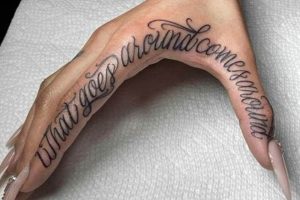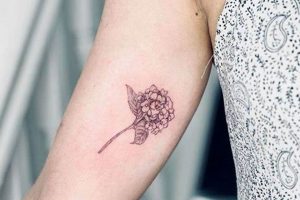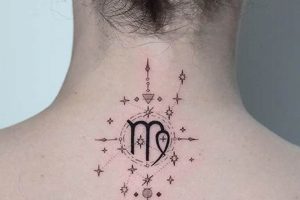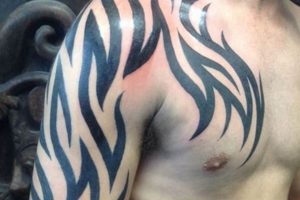



Simple designs for temporary skin decoration using henna paste offer a readily accessible approach to body art. Examples include floral motifs, geometric patterns, and minimalist symbols, often applied to hands and feet. These designs cater to beginners and those seeking quick, effortless application.
Temporary skin decoration offers a painless, non-permanent alternative to traditional tattoos. This practice has cultural significance in various regions, including South Asia, the Middle East, and Africa, where it is traditionally used for celebrations and ceremonies. The accessibility of simpler designs allows for broader participation in this art form, fostering creativity and self-expression without long-term commitment.
This exploration will delve into specific examples of straightforward henna patterns, covering necessary materials, application techniques, and aftercare tips to ensure vibrant, long-lasting results.
1. Simple Floral Patterns

Simple floral patterns represent a cornerstone of easy henna tattoo ideas. Their organic shapes and flowing lines lend themselves well to beginners, allowing for graceful designs without requiring intricate detail or extensive experience. This section explores the key facets of incorporating simple floral patterns into henna art.
- Basic Flower Structures
Mastering a few basic flower structures, such as a simple rosebud or a five-petal blossom, provides a foundation for numerous variations. These foundational elements can be combined and arranged in various configurations to create unique designs. A single rosebud, for example, can serve as a focal point, while smaller blossoms can be arranged around it to form a garland or bouquet.
- Leaves and Vines
Adding leaves and vines complements the floral elements and creates a sense of flow and connection within the design. Simple teardrop shapes can represent leaves, while curved lines form the basis of vines. These additions can be strategically placed to fill spaces, enhance visual balance, or guide the eye along the design.
- Filler Elements
Small dots, swirls, and lines can be used as filler elements to enhance the overall composition and add detail without overwhelming the design. These subtle additions can create texture, highlight specific areas, or connect disparate floral elements. For example, dots can represent pollen within a flower, while swirls can add a touch of whimsy to the overall design.
- Placement and Composition
Careful placement of floral elements contributes significantly to the final aesthetic. Consider the natural flow and curvature of the body part being adorned. A vine might gracefully wrap around a wrist, while a cluster of flowers could accentuate the back of the hand. Understanding how to arrange elements in a visually pleasing manner enhances the impact of the design.
By understanding these core facets of simple floral patterns, individuals can create beautiful and accessible henna art. These basic building blocks provide a starting point for experimentation and personalization, ultimately empowering individuals to explore the art of henna with confidence and creativity. The combination of accessible techniques and aesthetically pleasing results ensures that floral patterns remain a popular choice for both beginners and experienced henna artists.
2. Geometric Shapes
Geometric shapes offer a structured and versatile foundation for easy henna tattoo ideas. Their inherent symmetry and clean lines make them particularly suitable for beginners, allowing for precise application and visually appealing results without requiring advanced artistic skills. This section explores key facets of incorporating geometric shapes into henna art.
- Lines and Dots
Lines and dots serve as fundamental building blocks in geometric henna designs. Straight lines can be combined to create grids, triangles, and squares, while dots can be used to create borders, patterns, or to accentuate other shapes. The simplicity of these elements allows for easy manipulation and a wide range of design possibilities, from minimalist patterns to complex mandalas.
- Triangles and Diamonds
Triangles and diamonds represent more complex geometric shapes that can add depth and visual interest to henna designs. These shapes can be arranged in repeating patterns, interlocked to create intricate motifs, or used individually as focal points. Their sharp angles and defined edges provide a striking contrast against the curved lines often found in traditional henna art.
- Circles and Arcs
Circles and arcs introduce curvature and flow into geometric henna designs. They can be used to create mandalas, sunbursts, or other circular patterns. Overlapping circles can create intricate designs, while arcs can be combined with straight lines to create unique shapes. Their integration softens the angularity of other geometric elements, offering a balanced aesthetic.
- Symmetry and Repetition
Symmetry and repetition are key principles in geometric henna art. Mirroring elements across a central axis creates a sense of balance and harmony, while repeating patterns establish rhythm and visual interest. These principles simplify the design process, allowing for the creation of complex-looking patterns using relatively simple elements. Symmetrical designs are also often perceived as aesthetically pleasing, further enhancing their appeal.
By understanding these facets of geometric shapes, individuals can unlock a wide range of design possibilities within the realm of easy henna tattoos. The inherent structure of geometric elements provides a framework for creativity, enabling both beginners and experienced artists to create visually striking and meaningful body art. The combination of simplicity, versatility, and aesthetic appeal makes geometric shapes a popular and enduring choice in henna design.
3. Minimalist Symbols

Minimalist symbols represent a significant trend within easy henna tattoo ideas. Their simplicity and conciseness allow for quick application and clear visual impact, making them ideal for beginners or those seeking understated elegance. This streamlined approach reduces the complexity often associated with traditional henna designs, making the art form more accessible and less time-consuming. Small symbols like hearts, stars, moons, or simple floral outlines require minimal effort while still offering a stylish outcome. This correlation between minimalist aesthetics and ease of application broadens the appeal of henna art, encouraging wider participation.
The effectiveness of minimalist symbols in henna derives from their symbolic resonance combined with visual clarity. A single, well-placed symbol can convey a powerful message or represent a personal belief. For example, a small wave can symbolize a connection to the ocean, while a single feather might represent freedom. This symbolic depth, coupled with the ease of creating clean, uncluttered designs, contributes to the popularity of minimalist henna. Furthermore, the smaller scale of these designs often translates to faster application and drying times, making them practical for everyday wear or spontaneous artistic expression. Practical examples include small hamsa hands on fingers, infinity symbols on wrists, or delicate lotus flowers on ankles.
The increasing prevalence of minimalist symbols in henna reflects a broader shift towards simplified aesthetics in various art forms. This trend emphasizes clarity, intentionality, and a focus on essential elements. Within the context of henna, minimalist symbols offer a contemporary interpretation of a traditional art form, expanding its reach and relevance. While intricate, large-scale henna designs retain their cultural significance and artistic merit, minimalist symbols cater to a modern desire for streamlined self-expression. This approach reduces the barrier to entry for aspiring henna artists and offers a canvas for personal symbolism without demanding extensive technical expertise.
4. Ready-Made Stencils

Ready-made stencils play a crucial role in facilitating easy henna tattoo ideas. They provide a pre-designed template that simplifies the application process, making henna art accessible to individuals with limited artistic experience or those seeking a quick and convenient method of application. Stencils bridge the gap between intricate traditional designs and the desire for simple, achievable henna art. This accessibility expands the reach of henna, allowing a wider audience to engage with this traditional art form.
- Precision and Consistency
Stencils offer precision and consistency, ensuring clean lines and uniform patterns. This eliminates the challenges associated with freehand drawing, particularly for beginners. Examples include intricate mandala patterns or detailed floral designs that would be difficult to replicate consistently without a guide. This precision contributes to a more polished and professional-looking final product, even for novices.
- Variety and Accessibility
A wide variety of stencil designs are readily available, catering to diverse aesthetic preferences and skill levels. From simple geometric shapes to complex traditional motifs, stencils offer a broad spectrum of options. This accessibility empowers individuals to explore various styles and experiment with different designs without needing to master the art of henna drawing. Online marketplaces and specialty stores provide a vast selection of stencils, further enhancing accessibility.
- Time Efficiency
Stencils significantly reduce the time required for henna application. The pre-designed pattern eliminates the need for meticulous freehand drawing, allowing for quicker completion of the design. This time efficiency makes stencils a practical choice for individuals with busy schedules or those seeking a quick and easy way to adorn themselves with henna. This aspect contributes to the growing popularity of henna as a temporary body art form.
- Learning and Skill Development
While stencils simplify the application process, they can also serve as valuable learning tools. By observing the lines and patterns within a stencil, individuals can gain insights into henna design principles and develop their own freehand drawing skills. Stencils can act as a stepping stone towards more advanced henna artistry, providing a foundation for understanding composition, balance, and traditional motifs. They offer a structured approach to learning the art form.
The integration of ready-made stencils into henna practice enhances accessibility and fosters creative exploration. By simplifying the application process, stencils democratize henna art, enabling individuals of all skill levels to participate in this rich cultural tradition. This accessibility, coupled with the diverse range of available designs, contributes to the ongoing evolution of henna as a contemporary form of self-expression. While traditional freehand techniques remain valued, stencils provide a valuable alternative, broadening the appeal and reach of henna art.
5. Natural Henna Paste

Natural henna paste plays a vital role in achieving easy henna tattoo ideas. Its inherent properties contribute significantly to the simplicity and accessibility of the art form. Composed of dried henna leaves ground into a fine powder and mixed with a mildly acidic liquid, natural henna paste offers a safe and effective medium for temporary skin decoration. This natural composition aligns with the desire for non-toxic and skin-friendly body art options, further enhancing the appeal of easy henna designs. Using natural henna paste minimizes the risk of adverse skin reactions, making it suitable for sensitive skin and contributing to a positive experience, particularly for beginners. This safety aspect reinforces the accessibility of easy henna tattoo ideas.
The simplicity of natural henna paste preparation contributes directly to the ease of creating henna designs. Requiring minimal ingredients and a straightforward mixing process, it eliminates the need for complex or specialized materials. This accessibility encourages experimentation and spontaneous artistic expression, aligning perfectly with the concept of easy henna tattoo ideas. Furthermore, the paste’s smooth consistency and natural staining properties facilitate application, even for individuals with limited artistic experience. The resulting stain, a rich reddish-brown hue, offers aesthetically pleasing results without requiring extensive technical expertise or specialized equipment. Real-life examples include readily available henna powder kits that simplify the process further, providing pre-portioned ingredients and clear instructions, making henna art an accessible and enjoyable activity for a broad audience.
Understanding the importance of natural henna paste is crucial for successful and safe henna application. Opting for natural henna, as opposed to those containing chemical additives, ensures skin safety and optimal color payoff. Recognizing the link between natural henna paste and easy henna tattoo ideas empowers individuals to approach this art form with confidence and achieve satisfying results. While pre-mixed henna cones offer convenience, understanding the benefits of natural henna paste provides a deeper appreciation for the process and ensures a safe and enriching experience. This knowledge fosters responsible artistic expression and contributes to the continued popularity of henna as a versatile and accessible art form.
6. Proper Aftercare

Proper aftercare is essential for maximizing the vibrancy and longevity of henna stains, particularly for easy henna tattoo ideas. While the application process itself is simplified with these designs, neglecting aftercare can compromise the results. Appropriate aftercare ensures that the effort invested in creating even simple henna art yields a satisfying and long-lasting outcome. This aspect is crucial for maintaining the aesthetic appeal of the henna design and contributes significantly to a positive overall experience.
- Sealing the Henna
Sealing the henna paste after application is crucial for preventing smudging and preserving moisture. Common sealants include a mixture of lemon juice and sugar or specialized henna sealant products. This step protects the paste from rubbing off and allows it to remain in contact with the skin for an extended period, promoting a deeper stain. This is especially relevant for easy henna tattoo ideas, which may be applied to areas prone to contact, such as hands and feet.
- Avoiding Water Exposure
Minimizing contact with water for at least several hours, or ideally overnight, after application is critical for stain development. Water can prematurely lift the henna paste or dilute the color, resulting in a fainter stain. This precaution is relevant for all henna designs, but particularly important for easy henna tattoo ideas where the goal is often a quick and impactful result. Practical examples include covering the design with plastic wrap or a bandage before showering or washing dishes.
- Gentle Removal of Paste
Once the paste has dried and begun to crack, it should be gently scraped off rather than washed off. This avoids prematurely disrupting the staining process and helps preserve the design’s integrity. Using a blunt tool, such as a credit card or the back of a spoon, minimizes the risk of scratching the skin and helps ensure clean lines in the final design. This gentle approach contributes to the overall quality of the henna tattoo, regardless of its simplicity.
- Moisturizing the Stain
Applying a natural moisturizer, such as coconut oil or shea butter, after paste removal helps keep the skin hydrated and prolongs the stain’s lifespan. This step is especially important in dry climates or during colder months. Regular moisturizing prevents the stained skin from becoming dry and flaky, which can cause the henna to fade more quickly. This practice helps maintain the vibrancy and definition of even the simplest henna designs.
Proper aftercare directly influences the success and longevity of easy henna tattoo ideas. While these designs often prioritize simplicity and accessibility, neglecting aftercare can negate the benefits of a streamlined application process. By adhering to these aftercare practices, individuals can ensure that even the simplest henna designs result in a vibrant, long-lasting, and aesthetically pleasing outcome. This attention to detail elevates the overall experience, transforming a simple design into a beautiful and well-preserved piece of temporary body art.
Tips for Easy Henna Tattoo Ideas
Achieving successful and aesthetically pleasing results with easy henna tattoo ideas relies on understanding key techniques and best practices. These tips provide practical guidance for individuals seeking to explore simple henna designs.
Tip 1: Start with Simple Designs: Begin with basic shapes, lines, and floral motifs before attempting complex patterns. A simple teardrop shape can form the base of a leaf, while dots and swirls can be used as filler elements. Mastering these foundational elements allows for gradual progression to more intricate designs.
Tip 2: Utilize Stencils: Stencils offer a valuable tool for achieving precise lines and intricate patterns without requiring advanced freehand drawing skills. They provide a framework for beginners and ensure consistent results. Experimenting with different stencil designs allows for exploration of various styles and motifs.
Tip 3: Quality Henna Paste: Opt for fresh, natural henna paste for optimal color payoff and skin safety. Avoid henna products containing chemical additives, as these can cause adverse skin reactions. High-quality henna paste contributes significantly to vibrant and long-lasting results.
Tip 4: Proper Skin Preparation: Cleanse the skin thoroughly with soap and water before applying henna. This removes oils and dirt that can interfere with the staining process. Exfoliating the skin can further enhance stain penetration and longevity.
Tip 5: Controlled Application: Apply henna paste with a steady hand and consistent pressure. Avoid applying too much pressure, as this can cause the paste to spread and blur the design. Practice applying even lines and consistent patterns on paper before applying henna to skin.
Tip 6: Adequate Drying Time: Allow the henna paste to dry completely before sealing or removing it. Drying time can vary depending on the paste’s consistency and environmental conditions. A longer drying time typically results in a darker and more durable stain. Avoid disturbing the paste during the drying process.
Tip 7: Effective Sealing Techniques: Seal the dried henna paste with a mixture of lemon juice and sugar or a specialized henna sealant. This helps to keep the paste moist and in contact with the skin, promoting a deeper stain. Cover the sealed design with plastic wrap or a bandage to further protect it from smudging.
Tip 8: Gentle Paste Removal: Gently scrape off the dried henna paste using a blunt tool, such as a credit card or the back of a spoon. Avoid washing the design off with water, as this can dilute the stain. Gentle removal preserves the intricate details of the design.
Adhering to these tips enhances the likelihood of successful and satisfying results. Even simple henna designs benefit significantly from proper technique and aftercare. These practices empower individuals to explore the art of henna with confidence and achieve beautiful, long-lasting temporary body art.
These practical tips provide a foundation for achieving aesthetically pleasing results with simple henna designs. The following section will offer a concluding perspective on the accessibility and artistic potential of easy henna tattoo ideas.
Frequently Asked Questions
This section addresses common inquiries regarding simple henna designs, offering clear and concise information to facilitate successful application and address potential concerns.
Question 1: How long do simple henna tattoos typically last?
Stain duration varies based on factors such as skin type, aftercare, and henna paste quality. Generally, simple henna tattoos last one to three weeks. Designs on hands and feet tend to last longer due to thicker skin in these areas.
Question 2: Can individuals with sensitive skin use henna?
Natural henna paste is generally safe for sensitive skin. However, conducting a patch test before applying a full design is recommended. Avoid “black henna,” as it often contains a chemical dye that can cause allergic reactions. Always opt for pure, natural henna powder.
Question 3: How can one ensure a dark and long-lasting henna stain?
Several factors contribute to stain darkness and longevity. Using fresh, high-quality henna paste is crucial. Applying a sealant after the paste dries and avoiding water exposure for several hours after application also promotes a darker, longer-lasting stain. Keeping the skin moisturized after paste removal helps preserve the design.
Question 4: What are the best henna designs for beginners?
Simple floral patterns, geometric shapes, and minimalist symbols are ideal starting points for beginners. These designs require minimal technical skill and can be easily achieved using stencils or freehand drawing with basic shapes like dots, lines, and swirls.
Question 5: How can stencils be used effectively for henna application?
Apply the stencil firmly to clean, dry skin. Ensure the stencil adheres completely to prevent henna paste from seeping underneath. Apply henna paste evenly over the stencil openings, scraping away excess paste with a flat tool. Carefully remove the stencil after the paste has dried slightly to reveal the design.
Question 6: Where can one purchase high-quality henna supplies?
Reputable online retailers, specialty stores, and ethnic markets often carry high-quality henna powder, pre-mixed henna cones, and stencils. Look for natural henna powder without additives. Check product reviews and vendor reputations before purchasing.
Understanding these frequently asked questions equips individuals with the knowledge necessary to embark on their henna journey with confidence. Embracing simple henna designs provides an accessible entry point into this beautiful art form.
This concludes the exploration of easy henna tattoo ideas. Experimenting with these simple henna designs allows for creative self-expression and fosters appreciation for this timeless art form.
Easy Henna Tattoo Ideas
Easy henna tattoo ideas offer an accessible and engaging entry point into the art of temporary skin decoration. This exploration has highlighted the simplicity and versatility of various designs, ranging from basic floral patterns and geometric shapes to minimalist symbols. The utilization of stencils, coupled with readily available natural henna paste, further simplifies the process, making henna art achievable for individuals of all skill levels. Proper aftercare techniques, including sealing and moisturizing, ensure the longevity and vibrancy of these temporary adornments.
The increasing popularity of easy henna tattoo ideas reflects a broader appreciation for accessible art forms and self-expression. This trend empowers individuals to engage with a rich cultural tradition while embracing contemporary aesthetics. Exploration of these simple designs fosters creativity, encourages experimentation, and provides a foundation for further artistic development within the realm of henna artistry. The continued evolution of easy henna tattoo ideas promises to further expand the reach and relevance of this timeless practice.