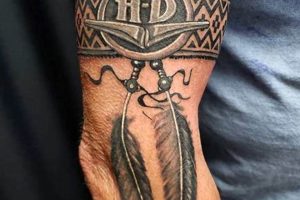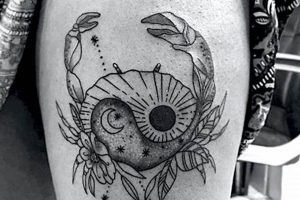



Conceptualizations for body art, encompassing the visual design, placement, and symbolic meaning, form the foundation of permanent skin decoration. For example, a potential concept could involve a stylized floral design on the forearm representing growth and resilience.
The planning stage is crucial for achieving a satisfying and meaningful outcome. A well-developed concept allows for clear communication between the client and artist, ensuring the final result aligns with the individual’s vision. This process also facilitates informed decisions regarding size, color palette, and overall aesthetic, contributing to a piece of body art that resonates personally and aesthetically. Historically, permanent skin decoration has served various purposes across cultures, from spiritual rituals to social markers, highlighting the enduring significance of thoughtful design.
This article will further explore various aspects of developing impactful and meaningful body art concepts, including design inspiration, artistic styles, and practical considerations for the creation process.
1. Visual Inspiration

Visual inspiration forms the bedrock of impactful body art concepts. It provides the initial spark, shaping the aesthetic direction and informing design choices. This inspiration can be drawn from a myriad of sources, including nature’s intricate patterns, the bold lines of graphic design, or the evocative power of personal photographs. For instance, the delicate veins of a leaf can inspire a flowing, organic design, while the geometric precision of a building’s architecture can lead to a structured, abstract piece. The source of inspiration directly influences the final aesthetic, imbuing the design with unique character and meaning.
Effectively translating visual inspiration into a tangible design requires careful consideration of elements such as line, shape, color, and composition. A photograph of a crashing wave, for example, could inspire a tattoo that captures the dynamic movement and texture of the water through skillful shading and linework. Alternatively, a beloved painting could be reinterpreted in a tattoo design, paying homage to the original artwork while adapting it to the contours of the body. Understanding the interplay between the inspirational source and the desired artistic outcome is paramount for creating a cohesive and compelling piece.
Ultimately, visual inspiration acts as a catalyst for creativity, transforming abstract ideas into concrete designs. The process of drawing inspiration from the world around us, whether from the natural environment, artistic creations, or personal experiences, is essential for developing body art concepts that resonate with individual expression and aesthetic sensibilities. This initial spark of inspiration sets the stage for a collaborative journey with a skilled artist, ultimately culminating in a meaningful and enduring piece of body art.
2. Symbolic Meaning

Imbuing body art with symbolic meaning transforms it from mere decoration into a powerful form of personal expression. This meaning can stem from various sources, including cultural symbolism, personal experiences, or abstract concepts. A dove, for example, might represent peace or spirituality, while a compass could symbolize guidance or a journey. The incorporation of symbolic elements adds depth and resonance, allowing the wearer to communicate a narrative or belief system through their chosen design. The choice of symbolism reflects the individual’s values, memories, or aspirations, making the tattoo a deeply personal and meaningful statement.
The effectiveness of symbolic meaning in body art relies on thoughtful consideration and clear intention. A seemingly simple design can hold profound significance based on the chosen symbolism. For instance, a semicolon tattoo has become a widely recognized symbol of hope and resilience for those struggling with mental health challenges. Similarly, a specific flower might hold personal significance due to its association with a loved one or a pivotal life event. Understanding the cultural and historical context of chosen symbols is crucial for avoiding unintended misinterpretations or cultural appropriation. Thorough research and careful selection ensure the chosen symbolism accurately reflects the intended meaning.
Meaningful body art serves as a constant reminder of personal values, beliefs, or experiences. This connection between personal identity and symbolic representation strengthens the bond between the individual and their body art. The chosen symbols can serve as a source of inspiration, comfort, or strength, acting as a visual affirmation of the wearer’s narrative. Ultimately, the incorporation of symbolic meaning elevates body art from a purely aesthetic choice to a powerful form of self-expression and personal storytelling.
3. Placement Considerations
Placement is an integral aspect of realizing impactful body art. Thoughtful placement enhances both the aesthetic appeal and the personal meaning of a design. The following facets highlight the importance of placement considerations within the broader context of developing a successful tattoo concept.
- Visibility and Discretion
The chosen location determines how readily visible the tattoo will be. Highly visible areas like hands and forearms communicate a sense of openness and self-expression, while more discreet locations like the back or ribs offer privacy and intimacy. A professional considering body art might opt for a more concealed placement, whereas an artist might choose a more visible location to showcase their personal style. Placement considerations reflect individual preferences regarding self-expression and social context.
- Body Contours and Movement
The natural curves and contours of the body influence the visual impact of a tattoo. A design intended to flow with the body’s lines, such as a vine wrapping around the arm, requires careful placement to achieve the desired effect. Conversely, a geometric design might be better suited for a flatter area like the chest or back. Placement decisions should complement the design’s composition and interact harmoniously with the body’s natural movement.
- Size and Scale
The size of a design should be proportionate to the chosen placement. A large, intricate piece might overwhelm a smaller area like the wrist, while a small, minimalist design might get lost on a larger area like the back. Consideration of size and scale ensures the design maintains its visual integrity and impact. Placement and size should be carefully balanced to achieve the desired aesthetic result.
- Pain Tolerance and Healing
Certain areas of the body are more sensitive than others. Individuals with lower pain tolerance might opt for less sensitive areas like the outer thigh, while those with higher pain tolerance might consider areas like the ribs or feet. Placement also impacts the healing process, as areas with more movement or friction may take longer to heal. Practical considerations regarding pain and healing are essential for a positive tattooing experience.
Careful consideration of placement enhances the overall impact and longevity of body art. By understanding the interplay between design, body contours, and personal preferences, individuals can make informed decisions that ensure a visually appealing and personally meaningful result. Placement is not merely a logistical detail; it’s a crucial element that elevates body art to its full potential.
4. Artistic Style

Artistic style significantly impacts the aesthetic and expressive qualities of body art concepts. Distinct styles, ranging from traditional Japanese to minimalist linework, imbue designs with unique characteristics. Style dictates the use of line weight, color palettes, and compositional elements. For example, a traditional Japanese tattoo emphasizes bold lines, vibrant colors, and symbolic imagery, often depicting mythical creatures or natural elements. Conversely, a minimalist tattoo might feature delicate linework and negative space, focusing on simplicity and clean aesthetics. The selected style shapes the overall visual impact, influencing how the design is perceived and interpreted.
Understanding the nuances of various artistic styles empowers individuals to select an approach that aligns with their aesthetic preferences and desired message. Researching different artists and their portfolios allows for a deeper understanding of stylistic variations within broader categories. A portrait, for instance, can be rendered in a realistic style capturing intricate details, or in a more abstract style focusing on emotional expression. This informed selection process ensures the chosen style effectively communicates the intended narrative and resonates with the individual’s personal aesthetic. Collaborating with a skilled artist specializing in the chosen style further ensures a cohesive and well-executed result.
Selecting an appropriate artistic style is crucial for achieving a successful and meaningful tattoo. This choice not only dictates the visual presentation but also influences the longevity of the design. Certain styles, like traditional American or Japanese, are known for their bold lines and strong color saturation, contributing to their enduring vibrancy over time. Considering the long-term implications of style selection ensures the body art remains visually appealing and personally resonant for years to come. Therefore, careful consideration of artistic style is integral to the development of well-conceived and enduring body art.
5. Artist Collaboration
Realizing a compelling vision for body art necessitates effective collaboration between the individual and a skilled artist. This collaborative process transforms initial concepts into tangible designs, ensuring the final result aligns with the individual’s aesthetic preferences and symbolic intentions. Open communication and a shared understanding of the desired outcome are paramount for a successful partnership.
- Concept Refinement
Initial concepts often benefit from an artist’s expertise. Artists provide valuable insights into design feasibility, technical considerations, and stylistic choices. For example, an artist might suggest modifications to a design to ensure it flows well with the body’s contours or advise on color palettes for optimal visual impact. This collaborative refinement process enhances the initial concept, ensuring its successful translation into a wearable piece of art.
- Technical Expertise and Execution
Skilled artists possess the technical proficiency to execute designs with precision and artistry. Their understanding of line weight, shading techniques, and color theory contributes to a visually compelling and technically sound result. An artist specializing in realism, for example, possesses the skill to render intricate details and lifelike textures, while an artist specializing in geometric designs excels in precision and clean lines. This technical expertise ensures the final tattoo meets the highest standards of quality and craftsmanship.
- Personalized Interpretation and Artistic Vision
While the individual provides the initial concept, the artist brings their unique artistic vision and interpretive skills to the project. This collaborative interpretation can enrich the design, adding layers of meaning and visual interest. An artist might suggest incorporating symbolic elements or stylistic flourishes that complement the original concept, enhancing its overall impact. This personalized interpretation elevates the design beyond a mere reproduction of an idea, transforming it into a unique and expressive piece of art.
- Open Communication and Shared Understanding
Effective communication is essential throughout the collaborative process. Open dialogue between the individual and the artist ensures a shared understanding of the desired outcome. Discussing design elements, placement considerations, and symbolic meanings ensures the final result aligns with the individual’s vision. This ongoing communication fosters trust and mutual respect, contributing to a positive and fulfilling collaborative experience. Clear communication ensures the final tattoo reflects the individual’s intentions and the artist’s expertise.
Artist collaboration is integral to the successful realization of meaningful and aesthetically compelling body art. Through this collaborative partnership, initial concepts are refined, technical expertise is applied, and artistic visions converge to create a unique and enduring piece of personal expression. This collaborative approach elevates the tattooing process from a transactional service to a shared artistic endeavor, resulting in a piece of body art that resonates with both the individual and the artist.
Tips for Developing Effective Tattoo Concepts
Careful planning is essential for achieving satisfying and meaningful body art. The following tips provide guidance for developing well-conceived concepts.
Tip 1: Research Thoroughly.
Comprehensive research is crucial before committing to a design. Explore various artistic styles, research symbolic meanings, and investigate potential artists. Understanding the historical and cultural context of chosen imagery prevents unintended misinterpretations. Thorough research ensures informed decisions and contributes to a more meaningful outcome.
Tip 2: Consider Placement Carefully.
Placement impacts both the visibility and aesthetic impact of a tattoo. Consider factors such as body contours, lifestyle, and professional considerations when selecting a location. A well-chosen placement enhances the design’s visual appeal and ensures its suitability for the individual’s circumstances.
Tip 3: Prioritize Quality over Cost.
Body art is a permanent investment. Prioritizing quality craftsmanship ensures a lasting and visually appealing result. Investing in a skilled artist, even if it entails a higher cost, is preferable to compromising on quality, which can lead to regrets and costly removal or cover-up procedures.
Tip 4: Embrace the Collaborative Process.
Open communication with the chosen artist is essential. Share inspirations, discuss symbolic meanings, and express aesthetic preferences. A collaborative approach ensures the final design aligns with the individual’s vision and benefits from the artist’s expertise.
Tip 5: Reflect on Personal Meaning.
Infuse the design with personal significance. A tattoo that resonates with individual values, experiences, or beliefs fosters a deeper connection and enhances its long-term meaning. Meaningful body art serves as a powerful form of self-expression and personal storytelling.
Tip 6: Plan for Aftercare.
Proper aftercare is crucial for preserving the quality and longevity of a tattoo. Follow the artist’s instructions diligently to ensure proper healing and prevent complications. Diligent aftercare protects the investment and maintains the vibrancy of the design over time.
Tip 7: Don’t Rush the Decision.
Body art is a permanent commitment. Avoid impulsive decisions. Take time to reflect on the design, placement, and artist choice. Careful consideration ensures a well-informed decision that aligns with long-term aesthetic preferences and personal values.
By following these tips, individuals can navigate the process of developing impactful body art concepts with confidence and intention. Thoughtful planning and careful consideration ensure a satisfying and meaningful outcome that resonates with personal expression and aesthetic sensibilities.
This comprehensive guide has provided insights into various aspects of developing impactful body art concepts, from visual inspiration and symbolic meaning to artist collaboration and practical considerations. The final step is to translate these concepts into a stunning reality.
Frequently Asked Questions
This section addresses common inquiries regarding the development and realization of body art concepts.
Question 1: How does one select an appropriate artistic style for body art?
Selecting an appropriate artistic style involves researching various styles, considering personal aesthetics, and evaluating the desired visual impact. Factors such as line weight, color palettes, and subject matter vary significantly between styles. Aligning the chosen style with personal preferences and the intended message is crucial for a satisfying outcome.
Question 2: What factors should be considered when choosing tattoo placement?
Placement considerations include visibility preferences, body contours, pain tolerance, and potential lifestyle or professional implications. Highly visible areas communicate openness, while discreet locations offer privacy. Placement should complement the design and harmonize with the body’s natural lines.
Question 3: How important is artist selection in the process?
Artist selection is paramount. A skilled artist possesses the technical expertise and artistic vision to translate concepts into high-quality, enduring body art. Researching artists’ portfolios, understanding their stylistic specialties, and ensuring a comfortable communication dynamic are essential for a successful collaboration.
Question 4: What is the typical cost range for professional body art?
Costs vary based on factors such as design complexity, size, placement, and artist experience. Prioritizing quality craftsmanship over cost minimizes potential regrets and ensures a lasting investment. Consulting with prospective artists provides accurate cost estimates based on individual project specifications.
Question 5: What are the key elements of proper aftercare?
Proper aftercare is essential for preserving the quality and longevity of body art. Following the artist’s specific instructions regarding cleaning, moisturizing, and protecting the tattooed area minimizes the risk of infection and promotes optimal healing. Diligent aftercare contributes to a vibrant and enduring result.
Question 6: How can one ensure a design remains personally meaningful over time?
Infusing designs with personal symbolism, reflecting individual values or experiences, and selecting timeless imagery enhance the long-term meaning of body art. Thorough consideration of personal significance ensures the design resonates deeply and remains relevant throughout life’s journey.
Careful consideration of these frequently asked questions empowers individuals to embark on the journey of acquiring body art with confidence and informed decision-making.
This FAQ section has provided answers to common queries, paving the way for a deeper exploration of specific body art concepts and designs in the following sections.
Conclusion
Conceptualization for permanent body art represents a significant undertaking. This exploration has emphasized the multifaceted nature of developing meaningful and aesthetically compelling designs. Key considerations include visual inspiration, symbolic resonance, placement strategy, artistic style selection, and the crucial role of artist collaboration. Each facet contributes to the realization of body art that transcends mere decoration, becoming a powerful form of personal expression and storytelling.
The enduring power of permanent skin decoration lies in its ability to encapsulate personal narratives, beliefs, and aesthetic sensibilities. Careful consideration of the elements discussed empowers individuals to embark on this transformative journey with intention and clarity, resulting in body art that resonates deeply and stands the test of time. The process of conceptualization, therefore, represents not merely a design choice but a profound exploration of self and enduring personal narrative.