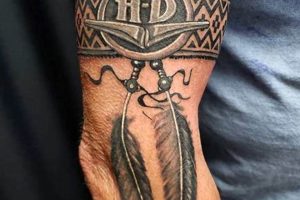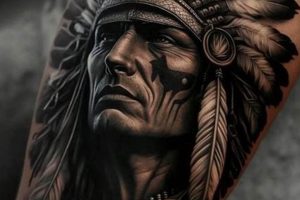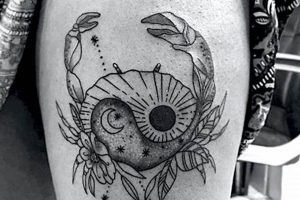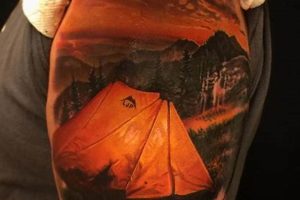



Designs inspired by indigenous cultures worldwide form the foundation of this aesthetic. These designs often feature bold, black ink patterns, incorporating geometric shapes, stylized animals, and natural elements. Examples include Polynesian patterns featuring spirals and waves, or Native American designs depicting animals like bears or eagles.
Historically, such designs held deep cultural significance, representing lineage, status, or spiritual beliefs. Contemporary adaptations offer individuals a way to connect with these symbolic representations, expressing personal narratives or appreciation for artistic traditions. Choosing these designs requires respectful consideration of their original cultural contexts. The lasting nature of tattoos underscores the importance of informed decision-making.
Further exploration of this rich artistic tradition can delve into specific regional styles, the evolution of designs over time, and responsible approaches to selecting and applying culturally inspired body art.
1. Cultural Significance

Authentic tribal tattoos are intrinsically linked to cultural narratives. Understanding the historical and symbolic weight of these designs is crucial for respectful engagement with this art form. Each mark carries meaning beyond mere aesthetics, reflecting societal roles, spiritual beliefs, and ancestral lineages.
- Lineage and Ancestry
Many tribal designs represent genealogical connections. Specific patterns can denote clan membership, family history, or an individual’s place within a larger social structure. Polynesian tattoos, for instance, often incorporate intricate symbols representing lineage and heritage.
- Spiritual Beliefs
Tribal tattoos frequently serve as expressions of spiritual or religious beliefs. Symbols representing deities, natural forces, or protective totems are common. In some cultures, the application of tattoos was itself a ritualistic practice, imbued with spiritual significance.
- Social Status and Achievements
Certain designs could signify achievements, social standing, or rites of passage. For example, a warrior might receive a tattoo after a successful hunt or battle, marking their prowess and status within the community.
- Protection and Guardianship
Some tribal tattoos were believed to offer protection against harm or invoke the guidance of ancestral spirits. These designs often featured symbolic imagery associated with strength, resilience, or spiritual guardianship.
Choosing a design inspired by tribal art requires acknowledgment of these deep cultural roots. Appropriate engagement with this rich tradition necessitates respectful consideration, thorough research, and awareness of the profound meaning embedded within each mark.
2. Regional Variations
Distinct regional styles characterize the diverse world of tribal tattooing. Geographical location significantly influences design aesthetics, motifs, and traditional techniques. Understanding these variations is essential for appreciating the nuanced artistry and cultural significance embedded within each tradition. From the intricate geometric patterns of Polynesia to the bold, blackwork designs of Native American tribes, regional styles offer a rich tapestry of artistic expression.
Polynesian tattooing, for example, encompasses a vast array of styles, including Hawaiian, Samoan, Tahitian, and Maori. Each island group boasts unique design elements and traditional application methods. Maori T moko, characterized by its spiral and koru motifs, serves as a powerful marker of cultural identity and personal history. Similarly, the intricate geometric patterns of Samoan tatau hold deep cultural and spiritual meaning. In contrast, Native American tribal tattoos often depict animals, nature scenes, or symbolic representations of spiritual beliefs, varying significantly between tribes and regions.
Recognizing these regional variations is crucial for avoiding cultural misappropriation. Choosing a design requires careful consideration of its origins and cultural context. Appreciating the specific artistic traditions and symbolism associated with each region ensures respectful engagement with this powerful art form. Further research into particular regional styles allows for deeper understanding and informed decision-making when exploring tribal tattoo designs.
3. Symbolic Imagery

Symbolic imagery forms the core of tribal tattoo designs. These visual elements carry deep cultural and personal meaning, extending beyond mere aesthetics. Understanding the symbolism embedded within these designs is crucial for appreciating their significance and making informed choices.
- Animals
Animals frequently feature in tribal tattoos, representing specific qualities or spiritual connections. Bears might symbolize strength and courage, eagles could represent freedom and vision, and wolves might denote loyalty and family. The specific animal chosen often reflects personal attributes or cultural beliefs. For instance, the turtle holds significance in many Polynesian cultures, symbolizing longevity, navigation, and connection to the ocean.
- Geometric Patterns
Geometric shapes and patterns often hold symbolic weight in tribal designs. Spirals can represent growth, transformation, and connection to nature. Triangles might symbolize strength, stability, or spiritual connection. Circles often denote cycles of life, unity, and wholeness. The arrangement and combination of geometric elements contribute to the overall meaning of the design. Maori tattoos, for example, frequently incorporate spirals (koru) to symbolize new beginnings, growth, and harmony.
- Natural Elements
Representations of natural elements, such as the sun, moon, stars, or ocean waves, often carry symbolic weight in tribal tattoos. The sun might represent life-giving energy and power, while the moon could symbolize femininity, intuition, and cycles of change. Ocean waves might denote strength, fluidity, and connection to the natural world. In many Pacific Islander cultures, ocean-related imagery is prominent, reflecting the vital role of the sea in their lives.
- Ancestral Symbols
Many tribal tattoos incorporate symbols representing ancestors or ancestral spirits. These symbols might take the form of stylized human figures, abstract patterns, or specific objects associated with ancestral traditions. These designs serve as a way to honor heritage, connect with the past, and invoke the guidance and protection of ancestors. In some cultures, these symbols are passed down through generations, carrying deep familial and cultural significance.
Selecting a tribal tattoo design necessitates careful consideration of its symbolic meaning. Understanding the cultural context and historical significance of these symbols ensures respectful engagement with this rich artistic tradition. Meaningful and informed choices contribute to the enduring power and personal resonance of these designs.
4. Modern Interpretations
Modern interpretations of tribal tattoo designs navigate the delicate balance between honoring tradition and embracing individual expression. While deeply rooted in cultural heritage, contemporary adaptations allow for personalization and artistic evolution. This evolution necessitates careful consideration, ensuring respectful engagement with the original cultural context while allowing for contemporary relevance.
One key aspect of modern interpretation involves adapting traditional motifs to contemporary aesthetics. This might involve incorporating color, modifying shapes, or integrating tribal elements with other tattoo styles. For example, a traditional Polynesian spiral might be reimagined with a splash of color or interwoven with a floral design, creating a unique piece that blends ancient symbolism with modern artistic sensibilities. Similarly, a Native American animal motif might be rendered in a more realistic or abstract style, while still retaining its core symbolic meaning. The key lies in maintaining respect for the original cultural context while allowing for artistic innovation.
Another significant consideration is the placement and scale of the tattoo. Traditional tribal tattoos often covered large areas of the body, reflecting specific cultural narratives. Modern interpretations might involve smaller, more isolated designs placed in less traditional locations. This allows individuals to incorporate tribal elements into their personal aesthetic without necessarily replicating the full-scale traditional designs. This approach allows for greater flexibility and personalization, while still acknowledging the cultural roots of the imagery. However, careful consideration must be given to the original cultural significance of specific designs and placements to avoid unintentional disrespect.
Successfully navigating modern interpretations requires thorough research, thoughtful design choices, and open communication with skilled tattoo artists experienced in tribal styles. This ensures that the final design honors the rich history and symbolism of tribal traditions while simultaneously reflecting individual expression and contemporary aesthetics. The ethical considerations surrounding cultural appropriation remain paramount, underscoring the need for respectful engagement and informed decision-making.
5. Ethical Considerations
Ethical considerations are paramount when exploring designs inspired by indigenous cultures. The potential for cultural appropriation necessitates careful reflection on the origins, meanings, and contemporary implications of adopting such imagery. Directly copying designs without understanding their cultural significance can perpetuate harmful stereotypes and disrespect ancestral traditions. For example, wearing a Mori t moko design without belonging to the Mori culture trivializes its spiritual and genealogical significance, causing offense and cultural harm. Similarly, using Native American symbols without understanding their tribal context disrespects the sacred nature of these designs within their original cultures.
Respectful engagement with these traditions requires thorough research and thoughtful consideration. Understanding the specific meanings associated with different symbols, patterns, and regional styles is crucial. Consulting with cultural experts or members of the communities from which the designs originate can provide valuable insights and ensure respectful adaptation. Collaborating with artists specializing in these traditions demonstrates a commitment to honoring the cultural heritage embedded within the art form. Furthermore, acknowledging the power dynamics inherent in adopting imagery from marginalized cultures is crucial for ethical engagement. Choosing a design based solely on aesthetics, without understanding its deeper meaning, risks perpetuating cultural appropriation and undermining the significance of these artistic traditions. Supporting indigenous artists and communities actively involved in preserving their cultural heritage offers a tangible way to demonstrate respect and contribute to cultural continuity.
Ultimately, ethical considerations require a conscious and informed approach to selecting and adapting designs rooted in indigenous traditions. Respect for cultural heritage, thorough research, and meaningful engagement contribute to responsible artistic expression. This approach fosters appreciation for the rich symbolism and historical depth of these traditions while mitigating the risks of cultural appropriation. Ignoring these ethical considerations not only causes harm but also diminishes the potential for meaningful and respectful artistic exploration.
Tips for Choosing Tribal-Inspired Tattoos
Careful consideration is essential when selecting designs inspired by tribal art. These tips offer guidance for navigating the process respectfully and thoughtfully.
Tip 1: Research Cultural Origins: Thorough research is paramount. Understanding the specific cultural context from which a design originates ensures respectful engagement. Investigate the history, symbolism, and traditional usage of the chosen motif.
Tip 2: Consult with Cultural Experts: Seek guidance from individuals belonging to the cultures whose artistic traditions inspire the desired design. Direct engagement with cultural practitioners provides valuable insights and promotes respectful adaptation.
Tip 3: Consider Placement Carefully: Placement holds significance in many tribal traditions. Research the traditional placement associated with the chosen design to avoid unintentional disrespect. Consider the implications of placing culturally significant imagery on certain body parts.
Tip 4: Choose a Reputable Artist: Select a tattoo artist with demonstrated experience and expertise in tribal styles. A skilled artist can provide guidance on appropriate design choices and ensure respectful execution.
Tip 5: Avoid Direct Copying: Directly replicating existing tribal designs constitutes cultural appropriation. Work with the artist to create a unique design inspired by traditional elements while incorporating personal meaning.
Tip 6: Reflect on Personal Meaning: Connect the chosen design with personal narratives or values. This imbues the tattoo with individual significance while acknowledging the cultural heritage that inspired it.
Tip 7: Support Indigenous Artists: Commissioning tattoos from indigenous artists directly supports cultural continuity and demonstrates respect for their artistic traditions.
Tip 8: Be Prepared for a Lifelong Commitment: Tattoos are permanent. Thoroughly consider the chosen design and its implications before committing to a lifelong piece of body art.
Thoughtful consideration of these guidelines ensures respectful engagement with tribal artistic traditions, fostering meaningful and culturally sensitive body art.
By integrating these tips, individuals can embark on the journey of selecting a tribal-inspired tattoo with respect, understanding, and a commitment to responsible artistic expression. This approach allows for a harmonious blend of personal meaning and cultural appreciation, culminating in a powerful and enduring piece of body art.
Frequently Asked Questions
Addressing common inquiries regarding designs inspired by indigenous body art provides clarity and promotes informed decision-making.
Question 1: What differentiates authentic tribal tattoos from generic designs?
Authenticity lies in the cultural context. Designs originating from specific indigenous traditions hold deep meaning within those cultures. Generic designs often lack this cultural grounding, potentially leading to misappropriation.
Question 2: Is it appropriate to get a tribal tattoo if one does not belong to that specific culture?
Careful consideration is required. Appropriation can cause harm. Respectful engagement necessitates thorough research, consultation with cultural experts, and a deep understanding of the chosen design’s significance.
Question 3: How can one ensure respectful engagement with tribal tattoo traditions?
Respectful engagement involves thorough research into the cultural origins of the desired design, consulting with members of the relevant indigenous community, and working with artists knowledgeable in these traditions.
Question 4: What are the potential consequences of cultural appropriation in tattooing?
Cultural appropriation can perpetuate harmful stereotypes, trivialize sacred traditions, and cause offense to those whose cultures are being misrepresented. It undermines the cultural significance of these art forms.
Question 5: How can one find a reputable tattoo artist specializing in tribal designs?
Thorough research is crucial. Seek artists with demonstrated experience and a portfolio showcasing authentic tribal styles. Recommendations from cultural experts can also be valuable.
Question 6: What are the long-term considerations for tribal tattoos?
Tattoos are permanent. Careful consideration of design, placement, and cultural significance is essential before committing to a lifelong piece of body art. Potential changes in personal beliefs or cultural understanding should be considered.
Thoughtful consideration of these questions promotes informed choices, ensuring respectful engagement with the rich heritage of tribal tattooing.
Further exploration can delve into specific regional styles, artist selection, and the ongoing dialogue surrounding cultural appropriation in body art.
Conclusion
Exploration of tribal tattoo designs requires careful navigation of cultural significance, regional variations, symbolic imagery, and ethical considerations. Authenticity and respect for source cultures remain paramount. Modern interpretations offer avenues for personal expression while demanding responsible adaptation. Understanding the historical and cultural weight of these designs informs meaningful and ethical choices.
The enduring power of tribal tattooing lies in its ability to connect individuals with rich artistic traditions. Informed engagement ensures these traditions are honored and celebrated rather than appropriated. Continued learning and respectful dialogue remain crucial for responsible artistic expression within this vibrant and culturally significant art form.