


Tattoos chosen impulsively or without proper consideration can often lead to regret. Examples include misspelled words, poorly executed artwork, or designs that are culturally insensitive or personally inappropriate. These choices can be costly and time-consuming to remove or cover up.
Understanding the potential pitfalls of ill-conceived body art serves several important purposes. It encourages thoughtful decision-making, promotes responsible self-expression, and helps individuals navigate the complex world of tattoo culture with greater awareness. Historically, tattoos have held significant cultural and symbolic meanings. The contemporary proliferation of tattooing underscores the need for informed choices to avoid trivializing this rich history and the personal significance of permanent body modification.
This article will explore several categories of tattoos frequently cited as examples of poor judgment, examining the underlying reasons for their classification and offering guidance for making well-informed decisions about permanent body art.
1. Misspellings

A misspelled tattoo is a permanent reminder of a momentary lapse in attention to detail. The permanence of tattoos amplifies the consequences of such errors, transforming a simple mistake into a lasting source of embarrassment or regret. This makes misspellings a prime example of a regrettable tattoo choice.
- Incorrect Spelling
The most obvious form of misspelling involves incorrect letter choices or omissions. Examples include “regreat” instead of “regret” or “beleive” instead of “believe.” These errors, though seemingly minor, undermine the intended message and detract from the aesthetic value of the tattoo.
- Grammatical Errors
Beyond individual words, grammatical errors can also plague tattoo designs. Incorrect verb tenses, misplaced apostrophes, or faulty punctuation can render a phrase nonsensical or unintentionally humorous. A tattoo intended to express profound sentiment can become a source of ridicule due to a misplaced comma.
- Foreign Language Errors
Tattoos in foreign languages present a particular challenge. Without a firm grasp of the language’s nuances, individuals risk permanently displaying grammatically incorrect or culturally inappropriate phrases. A seemingly beautiful phrase can have an entirely different or even offensive meaning in its original context. Careful research and consultation with native speakers are crucial.
- Homophone Confusion
Homophones words that sound alike but have different meanings can also lead to embarrassing tattoo mishaps. Confusing words like “their,” “there,” and “they’re” or “your” and “you’re” can significantly alter the intended meaning of a tattoo, resulting in a permanent display of grammatical ignorance.
These various forms of misspelling contribute significantly to the category of regrettable tattoos. The permanence of ink underscores the importance of meticulous proofreading and thorough research before committing to a design. A simple misspelling can transform a meaningful statement into a permanent reminder of a careless oversight.
2. Fad Trends

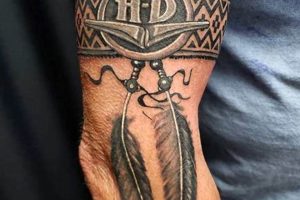
The fleeting nature of fad trends contributes significantly to the phenomenon of regrettable tattoos. Driven by popular culture, social media, and celebrity endorsements, these trends often lack lasting appeal. A tattoo chosen on the basis of current popularity risks becoming a dated symbol of a bygone era, a permanent reminder of a fleeting fascination. This inherent ephemerality directly links fad trends to the concept of ill-conceived tattoo choices. Examples include tribal armbands, Chinese characters, and infinity symbols, all of which experienced periods of intense popularity followed by a decline into clich.
The allure of fad trends lies in their perceived coolness and social relevance. However, this perceived relevance is often short-lived. As trends shift and evolve, tattoos representing these trends can become sources of embarrassment or regret. The desire to conform to current styles can override careful consideration of the long-term implications of permanent body art. This impulsive decision-making, driven by the desire to fit in rather than genuine personal expression, often leads to tattoos that are later perceived as regrettable. Consider the once-ubiquitous barbed wire armband, now largely viewed as a symbol of poor taste and impulsive decision-making.
Understanding the transient nature of fad trends is crucial for making informed decisions about permanent body art. A tattoo should reflect personal meaning and values, not fleeting cultural currents. Careful consideration of the long-term implications of a design can help individuals avoid the pitfalls of fad-driven tattoo choices. Prioritizing timeless designs over trendy imagery reduces the risk of future regret and ensures that a tattoo remains a source of personal pride rather than a dated reminder of a passing trend.
3. Offensive Imagery

Tattoos, as forms of self-expression, can sometimes stray into the realm of offensive imagery. These designs, often chosen without proper consideration for their broader implications, can cause significant offense to various groups and individuals. The choice to permanently display offensive imagery underscores the importance of careful consideration and responsible decision-making when selecting a tattoo design. Such choices frequently fall under the category of ill-conceived or “dumb” tattoo ideas due to their potential for negative consequences and social repercussions.
- Hate Symbols
Tattoos depicting hate symbols, such as swastikas, Confederate flags, or other emblems associated with hate groups, are inherently offensive. These symbols represent ideologies that promote discrimination, violence, and hatred toward specific groups. Displaying such imagery, regardless of intent, normalizes and perpetuates harmful ideologies. The permanence of these tattoos amplifies the negative impact, making their removal a complex and often costly process.
- Culturally Insensitive Imagery
Cultural appropriation in tattoo designs can also cause significant offense. Using sacred symbols or imagery from other cultures without understanding or respecting their significance trivializes and disrespects those cultures. Examples include appropriating indigenous spiritual symbols or religious iconography for purely aesthetic purposes. Such tattoos demonstrate a lack of cultural sensitivity and can perpetuate harmful stereotypes.
- Derogatory Caricatures
Tattoos depicting derogatory caricatures of specific groups based on race, ethnicity, gender, or sexual orientation are inherently offensive. These designs perpetuate harmful stereotypes and contribute to a climate of discrimination and prejudice. The decision to permanently display such imagery demonstrates a lack of empathy and understanding, further solidifying the classification of these tattoos as ill-conceived.
- Obscene or Vulgar Imagery
While individual tolerance for obscene or vulgar imagery varies, tattoos featuring overtly sexual or violent content can be considered offensive in certain contexts. These designs can be disturbing or inappropriate in professional settings or social situations. The permanence of these tattoos limits an individual’s ability to control when and where they display such imagery, potentially leading to unwanted attention or negative judgments.
The decision to get a tattoo incorporating offensive imagery can have lasting negative consequences. Beyond the potential for causing offense and contributing to harmful stereotypes, these tattoos can limit opportunities in professional and social spheres. Careful consideration of the broader implications of a tattoo design is crucial for avoiding such pitfalls. A tattoo should be a source of personal pride and positive self-expression, not a mark of regret or a symbol of prejudice.
4. Poorly Executed Artwork

A tattoo’s permanence magnifies the consequences of poor artistry. What might be a forgivable flaw in a temporary medium becomes a lasting source of regret when etched onto skin. Poorly executed artwork, therefore, represents a significant category within the spectrum of regrettable tattoo choices. Substandard linework, uneven shading, and disproportionate elements detract from the aesthetic value of a tattoo, transforming a potentially meaningful piece of art into a permanent reminder of a poor decision.
- Uneven Lines
Inconsistent line weight and wobbly lines detract significantly from a tattoo’s aesthetic appeal. Sharp, clean lines are fundamental to quality tattooing, providing definition and structure. Uneven lines, however, suggest a lack of skill and precision, resulting in a tattoo that appears amateurish and poorly executed. This lack of technical proficiency contributes to the perception of the tattoo as a “dumb” idea, a permanent mark of poor judgment.
- Inconsistent Shading/Coloring
Uneven shading or blotchy coloring can ruin even the most well-designed tattoo. Proper shading adds depth and dimension, enhancing the overall visual impact. Conversely, inconsistent shading creates an unbalanced and unprofessional appearance. Blotchy coloring, whether due to poor technique or low-quality ink, further diminishes the tattoo’s aesthetic value, solidifying its place among regrettable tattoo choices.
- Poor Proportion and Placement
Distorted proportions and ill-considered placement can significantly impact a tattoo’s overall appearance. Elements that are too large or too small in relation to each other create a visually jarring effect. Similarly, poor placement can make a tattoo look awkward or out of place on the body. These aesthetic imbalances detract from the intended design and contribute to the perception of the tattoo as a poorly conceived idea.
- Blown-Out Lines
Blown-out lines occur when ink spreads beneath the skin’s surface, creating a blurry or fuzzy appearance. This often results from inserting the needle too deeply or applying excessive pressure. Blown-out lines detract from the crispness and clarity of the design, making the tattoo appear smudged and unprofessional. This technical flaw serves as a clear indicator of poor execution and contributes to the overall impression of a regrettable tattoo choice.
These elements of poorly executed artwork contribute significantly to the negative perception of certain tattoos. The permanence of these flaws serves as a constant reminder of the importance of selecting a skilled and experienced artist. A well-executed tattoo enhances personal expression, while a poorly executed tattoo serves as a permanent testament to a regrettable decision.
5. Excessively Detailed Small Tattoos
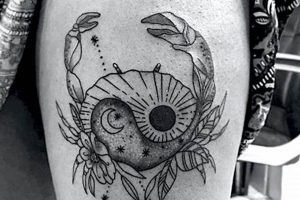
Excessively detailed small tattoos often lead to aesthetic and practical issues, firmly placing them within the category of ill-advised body art. The desire to pack intricate designs into a confined space neglects the limitations of the medium. Skin is not a smooth, static canvas. It stretches, ages, and heals, impacting the clarity of intricate details over time. Small tattoos with excessive detail tend to blur into an indecipherable mass as ink spreads and lines bleed together during the healing process and as the tattoo ages. What initially appears as a complex miniature masterpiece can quickly transform into a muddy blob, undermining the intended artistic expression and resulting in a regrettable outcome.
Consider the example of a highly detailed portrait of a loved one squeezed onto a wrist. Initially, individual features might be discernible. However, as the tattoo ages, the fine lines defining the eyes, nose, and mouth blur, ultimately rendering the portrait unrecognizable. Similarly, attempting to replicate a complex painting or photograph within a small tattoo often fails to capture the original’s nuances. The limited space restricts the artist’s ability to accurately reproduce the intricate details, leading to a simplified and often disappointing result. This mismatch between ambition and practicality contributes significantly to the classification of excessively detailed small tattoos as a “dumb” tattoo idea.
Understanding the limitations of the medium is crucial for making informed decisions about tattoo design. While skilled artists can achieve impressive results in small spaces, realism and intricate detail are best suited for larger canvases. Opting for simpler designs or increasing the size of the tattoo allows for greater clarity and longevity. Recognizing the practical constraints of small tattoos helps individuals avoid the disappointment and regret often associated with excessively detailed miniature designs. This awareness promotes responsible decision-making and contributes to a more positive and fulfilling tattoo experience.
6. Names of Significant Others
Tattoos bearing the names of significant others represent a frequently cited example of regrettable tattoo choices. The permanence of tattoos clashes with the often-transient nature of romantic relationships. While a relationship may hold profound significance in the present, its future remains uncertain. A name tattooed as a symbol of enduring love can become a painful reminder of a broken heart and a source of regret if the relationship ends. This inherent risk contributes significantly to the classification of significant other name tattoos as a “dumb” tattoo idea. The emotional investment driving the decision often overshadows the practical consideration of the tattoo’s long-term implications.
Consider the scenario of two individuals deeply in love. They choose to commemorate their bond with matching tattoos of each other’s names. At the time, this act symbolizes their unwavering commitment. However, relationships can and do end. If this relationship dissolves, the individuals are left with permanent reminders of a past love, potentially complicating future relationships and serving as a constant source of emotional baggage. The tattoo, once a symbol of joy, transforms into a symbol of heartbreak and regret. This potential for future emotional distress underscores the importance of carefully considering the long-term implications of permanently inscribing a significant other’s name onto one’s body.
The permanence of tattoos necessitates a cautious approach, particularly when dealing with the fluidity of romantic relationships. While some relationships endure, many do not. A faded or covered-up name tattoo serves as a visible reminder of this impermanence. The emotional and financial costs associated with tattoo removal or cover-ups add further weight to the argument against name tattoos for significant others. Ultimately, the decision to get any tattoo requires careful consideration, but the potential for future emotional distress makes name tattoos of significant others a particularly risky choice.
Tips for Avoiding Regrettable Tattoos
The following tips offer guidance for navigating the process of choosing a tattoo design, emphasizing thoughtful decision-making to minimize the risk of future regret.
Tip 1: Thoroughly Research Designs and Artists: Impulsive decisions often lead to regrettable tattoos. Extensive research, including exploring various design styles and researching reputable artists, helps ensure a well-informed choice.
Tip 2: Consider Placement and Size: Tattoo placement and size significantly impact overall aesthetics and visibility. Careful consideration of these factors ensures the tattoo complements the body’s contours and aligns with personal preferences regarding visibility.
Tip 3: Proofread Carefully: Misspellings permanently etched onto skin are easily avoidable with careful proofreading. Multiple reviews by oneself and others help catch errors before they become permanent.
Tip 4: Avoid Trendy Designs: Fads fade, leaving behind dated reminders of fleeting trends. Choosing timeless designs over trendy imagery promotes long-term satisfaction.
Tip 5: Reflect on Personal Meaning: Tattoos should resonate with personal values and beliefs, not simply conform to current trends. Meaningful designs offer lasting personal significance.
Tip 6: Consult with Experienced Artists: Experienced tattoo artists offer valuable insights into design choices, placement, and potential pitfalls. Their expertise helps guide individuals toward informed decisions.
Tip 7: Consider Long-Term Implications: Tattoos are permanent modifications. Careful consideration of their long-term impact on personal and professional life helps avoid future regret.
Tip 8: Be Prepared to Invest Time and Money: High-quality tattoos require both financial and time investments. Rushing the process or compromising on quality can lead to subpar results and potential regret.
By following these guidelines, individuals can navigate the complex world of tattooing with greater awareness and make informed choices that promote long-term satisfaction. These considerations help ensure that a tattoo becomes a cherished piece of personal expression rather than a source of regret.
This careful consideration sets the stage for a positive and fulfilling tattoo experience, transforming a potentially regrettable decision into a source of personal pride and lasting significance.
Frequently Asked Questions about Regrettable Tattoo Choices
This section addresses common concerns and misconceptions regarding tattoos often categorized as regrettable.
Question 1: Can a “dumb” tattoo be fixed?
Removal or cover-up options exist, but they can be expensive, time-consuming, and sometimes ineffective. Laser removal requires multiple sessions and may not completely eliminate the ink. Cover-ups necessitate larger designs that incorporate the existing tattoo, limiting artistic freedom.
Question 2: How can one avoid impulsive tattoo choices?
Thorough planning and research are crucial. Taking time to reflect on design choices, consulting with experienced artists, and considering long-term implications mitigates impulsivity.
Question 3: What makes a tattoo design “dumb”?
Several factors contribute, including misspellings, offensive imagery, poorly executed artwork, fad-driven designs, and culturally insensitive symbols. Ultimately, a tattoo perceived as “dumb” often reflects poor judgment or a lack of foresight.
Question 4: Are name tattoos always a bad idea?
While not universally discouraged, name tattoos, especially those of significant others, carry inherent risks. Relationships can end, leaving individuals with permanent reminders of past loves. Careful consideration of this potential outcome is crucial.
Question 5: How does tattoo placement affect regret?
Visible tattoos can impact professional opportunities or social interactions. Considering visibility preferences and potential societal perceptions helps avoid future regret related to placement.
Question 6: Why is researching a tattoo artist important?
A skilled artist executes designs with precision and artistry, minimizing the risk of poorly executed artwork. Researching an artist’s portfolio and reputation helps ensure a positive outcome.
Careful consideration of these questions helps individuals approach tattooing with greater awareness, promoting informed decisions that minimize the risk of future regret. Responsible decision-making ensures that tattoos become cherished expressions of personal identity rather than sources of embarrassment or regret.
For further guidance on responsible tattoo practices and design considerations, consult with experienced tattoo artists or explore reputable resources dedicated to the art of tattooing.
Conclusion
This exploration of ill-advised tattoo choices has highlighted several key areas where careful consideration is paramount. From misspelled words and dated trends to offensive imagery and poorly executed artwork, the potential for regret is substantial. Excessively detailed small tattoos and names of significant others further exemplify the importance of thoughtful decision-making in the realm of permanent body art. The permanence of tattoos necessitates a cautious and informed approach, emphasizing personal meaning and long-term implications over fleeting trends or impulsive choices.
Ultimately, a tattoo should be a source of personal pride and positive self-expression, not a mark of regret. By understanding the potential pitfalls and embracing responsible decision-making, individuals can navigate the complex world of tattooing with greater awareness and ensure that their chosen designs remain meaningful and aesthetically pleasing for years to come. Careful consideration and consultation with experienced professionals contribute significantly to a fulfilling and regret-free tattoo experience.