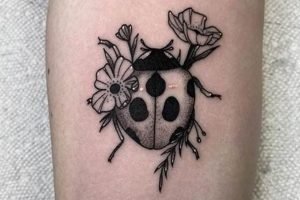



Colorful body art inspired by the meteorological phenomenon provides a wide range of artistic expression. These designs can range from minimalist linework depicting a simple arc to complex, vibrant depictions incorporating other elements like clouds, unicorns, or landscapes. A watercolor effect can mimic the diffuse nature of a rainbow, while a bold, graphic style offers a more modern interpretation.
Representing hope, joy, and diversity, these vibrant designs offer individuals a powerful means of self-expression. Historically, the rainbow has held symbolic weight across numerous cultures, often signifying a bridge between the earthly and divine realms. In contemporary society, the rainbow’s association with the LGBTQ+ community adds another layer of meaning, making it a potent symbol of pride and inclusivity. These diverse interpretations allow individuals to personalize their body art and imbue it with deeply personal significance.
Further exploration of this topic will encompass various styles, placement options, and symbolic interpretations associated with such colorful designs, providing readers with a comprehensive resource for their artistic inspiration and decision-making process.
1. Placement

Placement significantly influences the visual impact and symbolic meaning of colorful body art. A small, delicate design on the inner wrist conveys a sense of personal intimacy, while a large, vibrant design across the back makes a bold statement. The curvature of the body itself can be used to enhance the arc of a rainbow, creating a natural flow and enhancing the three-dimensional effect. For instance, a rainbow following the ribcage or collarbone can create an aesthetically pleasing and dynamic composition. Placement should also consider the visibility of the tattoo, allowing individuals to choose between readily displayed artwork or designs reserved for more private viewing.
Practical considerations also factor into placement decisions. Areas with higher nerve density, such as the inner elbow or the foot, tend to be more sensitive during the tattooing process. Furthermore, the rate at which different areas of the body shed skin cells influences the longevity and vibrancy of a tattoo. Areas exposed to frequent friction or sunlight may require more touch-ups to maintain their vibrancy. Therefore, choosing an appropriate location based on pain tolerance, lifestyle, and desired longevity is crucial.
In summary, careful placement selection is integral to the overall success of these designs. Considering factors such as visibility, body contours, pain sensitivity, and skin regeneration rates ensures that the artwork remains visually appealing and meaningful over time. Strategic placement enhances the aesthetic and symbolic impact, transforming simple body art into powerful personal statements.
2. Color Palette

Color palette selection significantly impacts the aesthetic and symbolic representation within colorful body art. Traditional representations typically adhere to the classic ROYGBIV spectrum (red, orange, yellow, green, blue, indigo, violet). However, artistic license allows for deviations, offering opportunities to personalize and enhance meaning. Pastels can evoke a softer, dreamlike quality, while vibrant, saturated hues create a bold, energetic statement. Monochromatic variations, using shades and tints of a single color within the rainbow spectrum, offer a unique and stylized approach. Furthermore, incorporating unconventional colors like black or white can add depth and contrast, resulting in a striking visual impact.
The chosen color palette can also convey specific emotions or associations. For example, incorporating darker shades within the rainbow spectrum can symbolize overcoming adversity, while brighter, more vibrant colors represent joy and celebration. Specific color choices might hold personal significance for the individual, further deepening the meaning embedded within the artwork. For instance, using the colors of a pride flag within the rainbow design can signify solidarity and allyship with the LGBTQ+ community. Such personalized choices allow for a more nuanced and powerful expression of identity and belief.
In conclusion, careful color palette selection is essential for achieving the desired aesthetic and symbolic effect. While adherence to traditional color schemes can evoke a sense of familiarity and universality, exploring alternative palettes offers opportunities for personalized expression and deeper meaning. Understanding the interplay of color theory and symbolic representation empowers individuals to create body art that resonates with their unique experiences and perspectives.
3. Symbolic Elements

Symbolic elements significantly enhance the depth and personalization of colorful body art. These additions transform a simple aesthetic representation into a powerful narrative, reflecting individual beliefs, experiences, and aspirations. Careful consideration of these elements allows for the creation of deeply meaningful and resonant body art.
- Nature-Inspired Elements
Incorporating elements from the natural world, such as clouds, rain, sunshine, or lightning, can create a cohesive and evocative scene. Clouds can represent dreams, aspirations, or the ephemeral nature of life, while rain can symbolize cleansing and renewal. Sunshine often represents joy, optimism, and growth, while lightning can signify power, transformation, or overcoming challenges. These elements, when combined with the rainbow, create a dynamic and personalized representation of one’s connection to the natural world.
- Mythological and Spiritual Symbols
Unicorns, phoenixes, dragons, and other mythological creatures can be interwoven with rainbow designs to represent specific qualities or beliefs. Unicorns often symbolize purity, grace, and magic, while phoenixes represent rebirth, resilience, and transformation. Dragons can symbolize strength, wisdom, and protection. These elements add a layer of mystique and symbolism, connecting the individual to ancient narratives and spiritual concepts.
- Geometric Patterns and Shapes
Geometric patterns and shapes, such as mandalas, stars, or spirals, can complement the fluidity of the rainbow’s arc, creating a visually striking and symbolically rich design. Mandalas often represent wholeness, balance, and the interconnectedness of all things, while stars can symbolize guidance, hope, or reaching for one’s aspirations. Spirals can represent growth, transformation, and the cyclical nature of life. These geometric additions enhance the visual appeal and add layers of symbolic meaning to the overall design.
- Cultural and Personal Symbols
Incorporating symbols of personal significance, such as meaningful quotes, initials, or representative imagery, adds a unique and intimate layer of meaning to the rainbow design. A quote from a favorite poem or song can serve as a personal mantra or reminder. Initials can represent loved ones or commemorate significant life events. Representative imagery, such as a favorite flower or animal, can symbolize specific personality traits or passions. These personal touches transform the rainbow design into a deeply meaningful and individual expression of self.
By thoughtfully integrating symbolic elements, individuals can elevate their colorful body art beyond mere aesthetics. These elements infuse the design with personal narratives, beliefs, and aspirations, creating a powerful and lasting symbol of self-expression. The combination of the vibrant rainbow with carefully chosen symbolic elements results in body art that is not only visually stunning but also deeply resonant and meaningful.
4. Design Style

Design style significantly influences the aesthetic impact and overall impression of colorful body art. Various styles offer unique approaches to depicting this meteorological phenomenon, each with its own strengths and visual characteristics. Selecting an appropriate style ensures the final result aligns with individual preferences and desired symbolism.
Several distinct styles lend themselves particularly well to these designs. Watercolor, with its diffuse and vibrant hues, mimics the ethereal quality of a rainbow. Geometric designs offer structured, modern interpretations, frequently utilizing bold lines and abstract shapes. Fine linework creates delicate and intricate representations, ideal for smaller, subtle tattoos. Realism, with its focus on accurate detail and lifelike representation, can depict rainbows within landscapes or alongside other natural elements. The choice of style significantly impacts not only the visual appeal but also the perceived meaning and personal resonance of the body art. A minimalist design may emphasize simplicity and elegance, while a more complex, illustrative design might convey a deeper narrative or symbolic message.
Understanding the nuances of various design styles is crucial for effective artistic execution. Selecting a style that complements both the individual’s aesthetic preferences and the inherent qualities of the subject matter ensures a harmonious and impactful result. Furthermore, considering the skillset and specialization of the tattoo artist is essential. Certain artists excel in specific styles, and choosing an artist proficient in the desired style ensures a high-quality and well-executed tattoo. A successful fusion of subject matter and design style results in body art that is not only visually captivating but also deeply meaningful and personally resonant.
5. Size and Scale
Size and scale significantly impact the visual impact, level of detail, and placement possibilities of colorful body art. A small, minimalist rainbow tucked behind the ear carries a different aesthetic and symbolic weight than a large, intricate design spanning the back. Scale influences not only the overall visibility of the design but also the feasibility of incorporating intricate details. Smaller designs necessitate simplified representations, often focusing on the essential curve and color gradation of the rainbow. Larger designs, however, provide ample canvas for incorporating additional elements, such as clouds, landscapes, or symbolic imagery, thereby enhancing the narrative and visual depth.
Consider a small wrist tattoo featuring a minimalist, single-line rainbow. This scale prioritizes subtlety and simplicity, making it suitable for individuals seeking a discreet yet meaningful representation. Conversely, a large-scale back piece allows for a fully realized depiction of a rainbow emerging from a stormy sky, complete with detailed clouds, lightning, and perhaps even a silhouetted landscape. This scale transforms the tattoo into a dramatic and visually arresting artwork. Scale also directly influences placement decisions. A small rainbow can comfortably adorn a finger or the nape of the neck, while larger designs require broader surfaces like the chest, back, or thigh. Therefore, careful consideration of size and scale is paramount for ensuring that the design aligns with both the individual’s aesthetic preferences and the desired level of visual impact.
Understanding the interplay between size, scale, and design complexity is essential for achieving a successful and aesthetically pleasing result. Scale dictates the level of detail and complexity that can be incorporated, influencing the overall visual impact and narrative potential of the body art. Furthermore, scale considerations directly impact placement options, ensuring the design harmonizes with the body’s contours and the individual’s desired level of visibility. By carefully balancing these elements, individuals can create colorful body art that is not only visually stunning but also deeply meaningful and personally expressive.
Tips for Rainbow Tattoo Designs
Successful execution of colorful body art requires careful planning and consideration. The following tips provide valuable insights for individuals seeking to transform inspiration into impactful and personally resonant artwork.
Tip 1: Research Tattoo Artists: Thorough research is crucial for finding an artist whose style aligns with the desired aesthetic. Examining portfolios and seeking recommendations ensures artistic compatibility and a high-quality result.
Tip 2: Consider Placement Carefully: Placement impacts visibility, longevity, and how the design interacts with the body’s contours. A thorough assessment of these factors ensures a harmonious and aesthetically pleasing outcome.
Tip 3: Explore Color Palette Options: Traditional rainbow hues offer vibrancy, while exploring alternative palettes can enhance personal meaning and create unique visual effects. Careful color selection is vital for conveying the desired message.
Tip 4: Reflect on Symbolic Elements: Incorporating meaningful elements like clouds, animals, or geometric patterns adds depth and personalization. These additions transform a simple rainbow into a powerful symbol of individual expression.
Tip 5: Choose a Design Style: From watercolor to geometric or minimalist, the chosen style significantly impacts the overall aesthetic. Selecting a style that resonates with personal preferences is crucial for achieving a satisfying result.
Tip 6: Determine Appropriate Size and Scale: Size influences detail, placement options, and overall visual impact. Careful consideration of scale ensures the design harmonizes with the body and effectively conveys the intended message.
Tip 7: Communicate Effectively with the Artist: Open communication throughout the design process is essential for achieving a successful outcome. Sharing inspiration, preferences, and symbolic intentions ensures the final result aligns with the individual’s vision.
Tip 8: Plan for Aftercare: Proper aftercare is crucial for preserving the vibrancy and longevity of the tattoo. Following the artist’s instructions diligently ensures the artwork remains a source of pride and enjoyment for years to come.
By adhering to these guidelines, individuals can ensure their colorful body art is not only visually appealing but also a meaningful and enduring expression of personal identity.
The subsequent conclusion will summarize key takeaways and offer final recommendations for embarking on this artistic journey.
Frequently Asked Questions about Rainbow Tattoos
This section addresses common inquiries regarding colorful body art, providing clarity and guidance for those considering such designs.
Question 1: How much do these tattoos typically cost?
Cost varies based on size, complexity, artist’s experience, and geographic location. Smaller, simpler designs generally cost less than larger, more intricate pieces. Consulting with multiple artists allows for price comparison and informed decision-making.
Question 2: What are the most popular placements for these tattoos?
Popular placements include the wrist, forearm, ankle, ribcage, and back. Placement considerations should factor in visibility preferences, body contours, and pain tolerance.
Question 3: How painful are these tattoos?
Pain levels vary depending on individual pain thresholds and placement. Areas with higher nerve density tend to be more sensitive. Consulting with the tattoo artist regarding pain management techniques can alleviate discomfort.
Question 4: How long does it take for these tattoos to heal?
Healing typically takes 2-4 weeks. Adhering to proper aftercare instructions, such as keeping the tattoo clean and moisturized, promotes efficient healing and prevents complications.
Question 5: Can these tattoos fade over time?
Color vibrancy can diminish due to sun exposure, skin type, and ink quality. Utilizing high-quality inks and practicing proper sun protection, such as applying sunscreen, helps maintain color saturation over time.
Question 6: What are some alternative color palette options for these tattoos?
While the traditional ROYGBIV spectrum is common, alternative palettes, such as pastel hues, monochromatic schemes, or the incorporation of black and white, offer unique aesthetic possibilities and personalized symbolic meaning.
Careful consideration of these frequently asked questions empowers individuals to make informed decisions regarding their colorful body art, ensuring a positive and fulfilling experience.
The following conclusion summarizes key takeaways and offers final recommendations for individuals embarking on this artistic journey.
Conclusion
Exploration of colorful body art reveals a diverse landscape of stylistic interpretations and symbolic possibilities. Careful consideration of placement, color palettes, symbolic elements, design style, and size ensures a deeply personal and aesthetically impactful result. Placement choices range from discreet locations to bold displays, influencing visibility and interacting with the body’s natural contours. Color palettes extend beyond the traditional spectrum, offering personalized hues and symbolic depth. Incorporating meaningful elements transforms the rainbow into a powerful narrative reflecting individual beliefs and experiences. Design styles, from watercolor to geometric, further enhance the aesthetic and symbolic resonance. Finally, size and scale considerations impact visual impact, detail complexity, and placement options.
Colorful body art represents more than mere aesthetics; it embodies personal narratives, beliefs, and aspirations. Thoughtful planning and collaboration with skilled artists transform these vibrant designs into powerful and enduring expressions of self. Ultimately, embracing the spectrum of possibilities within this art form empowers individuals to create deeply meaningful and visually captivating body art that resonates with their unique identities.