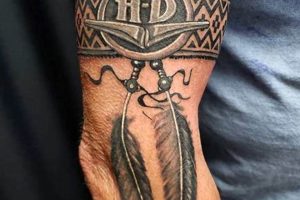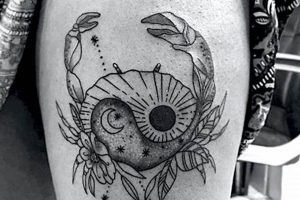



Aesthetically pleasing body art concepts, incorporating elements of artistry and personal significance, represent a growing trend. Examples include intricate floral designs, realistic portraits, and symbolic imagery, often customized to reflect individual preferences and narratives.
The pursuit of visually striking and meaningful body art serves as a powerful form of self-expression and can enhance personal identity. Historically, tattoos have held cultural and spiritual significance, evolving from tribal markings to contemporary artistic statements. This evolution underscores the enduring human desire for personal adornment and the communication of narratives through visual mediums.
Further exploration will delve into specific styles, artistic techniques, and the collaborative process between artist and client in achieving impactful and beautiful body art. Considerations such as placement, color palettes, and long-term care will also be addressed.
1. Artistry

Aesthetics play a crucial role in impactful tattoo design. Artistry elevates a tattoo from a simple image to a captivating piece of art. This involves a skillful blend of technical expertise, creative vision, and an understanding of how the design interacts with the individual’s body.
- Technical Skill
Proficiency in various tattooing techniques, including line work, shading, and color blending, is fundamental. Clean lines, smooth shading gradients, and vibrant color saturation contribute significantly to the overall visual impact. A skilled artist can execute intricate details and create realistic textures, enhancing the tattoo’s aesthetic appeal. For example, the delicate lines of a fine-line tattoo require precise control, while a realistic portrait demands mastery of shading and color blending.
- Composition and Design Principles
Understanding composition, balance, and flow is essential for creating visually harmonious tattoos. A well-composed tattoo considers the body’s natural curves and uses design principles like negative space and visual hierarchy to guide the viewer’s eye. A skilled artist can adapt designs to complement the individual’s anatomy, ensuring a seamless integration of art and body. For example, a flowing floral design might wrap around the arm, accentuating its contours, while a geometric pattern could be strategically placed to highlight specific body parts.
- Creative Vision and Style
An artist’s unique style and creative interpretation significantly influence the final result. Whether it’s a bold traditional design, a delicate watercolor effect, or a hyperrealistic portrait, the artist’s vision shapes the tattoo’s character and aesthetic. This individual style adds depth and personality to the design, making it a unique expression of both the artist’s and the client’s vision. For instance, an artist specializing in Japanese traditional tattoos will bring a distinctive aesthetic to their work, incorporating bold lines, vibrant colors, and traditional imagery.
- Collaboration and Customization
Effective communication and collaboration between the artist and client are crucial for achieving desired results. A skilled artist actively listens to the client’s vision, offering expert guidance and incorporating their ideas into the design process. This collaborative approach ensures the final tattoo reflects the client’s personal narrative and aesthetic preferences, enhancing its meaning and impact. For example, a client might request a tattoo incorporating specific symbols or elements representing their heritage, which the artist can then integrate into a cohesive and aesthetically pleasing design.
These facets of artistry combine to produce visually stunning and meaningful tattoos. By mastering technical skills, applying design principles, infusing creative vision, and fostering collaboration, artists create body art that transcends mere decoration and becomes a powerful form of personal expression.
2. Placement

Strategic placement is integral to achieving visually stunning body art. Consideration of body contours, visibility preferences, and the design’s inherent flow contributes significantly to the overall aesthetic impact. Harmonious integration of the tattoo with the body’s natural lines enhances its beauty and creates a cohesive visual narrative.
- Body Contours and Flow
Placement should complement the body’s natural curves and musculature. A design’s flow and composition can be enhanced by strategically aligning it with the body’s anatomy. For example, a serpentine design might gracefully follow the curve of the spine, while a floral piece could organically wrap around the shoulder. Careful consideration of how the design interacts with the body’s form creates a more integrated and aesthetically pleasing result.
- Visibility and Discretion
Placement influences how visible a tattoo is to oneself and others. Some individuals prefer easily visible placements to showcase their body art, while others opt for more discreet locations. Factors such as profession, lifestyle, and personal preference dictate placement choices. A large, intricate design on the forearm offers high visibility, while a small, delicate tattoo behind the ear provides a more subtle aesthetic.
- Size and Scale
The size and scale of a tattoo should be proportionate to the chosen placement. A large, detailed design requires ample space, while smaller, simpler designs suit smaller areas. Balancing the scale of the tattoo with the available space on the body ensures a harmonious composition. For instance, a large back piece allows for intricate detail and expansive imagery, while a small wrist tattoo necessitates a simpler, more concise design.
- Movement and Flexibility
Certain body areas experience more movement and flexing than others. Placement should consider how these movements might affect the tattoo’s appearance over time. Areas with frequent flexing, like joints, may require designs that adapt to these changes. A skilled artist will consider the body’s dynamic nature and choose placements that minimize distortion and maintain the tattoo’s integrity.
Thoughtful placement elevates a tattoo from a simple image to a thoughtfully integrated piece of body art. By considering body contours, visibility preferences, size and scale, and the body’s natural movement, individuals can ensure their tattoos are both visually stunning and harmoniously integrated with their physical form, enhancing their overall aesthetic impact and personal significance.
3. Color Palette

Color selection significantly influences the overall aesthetic impact of a tattoo. A thoughtfully curated palette enhances visual appeal, evokes specific moods, and contributes to the tattoo’s symbolic meaning. Understanding color theory principles, exploring diverse color schemes, and considering skin tone compatibility are essential for achieving vibrant and harmonious results.
- Color Theory Principles
Understanding color theory, encompassing complementary, analogous, and triadic color schemes, informs effective palette creation. Complementary colors create contrast and visual vibrancy, while analogous colors offer a harmonious and blended effect. Triadic schemes provide a balanced yet dynamic interplay of hues. Applying these principles ensures a visually cohesive and impactful tattoo. For example, a tattoo featuring a red rose against green leaves utilizes complementary colors to enhance both hues, while a design incorporating shades of blue and green creates a calming analogous palette.
- Diverse Color Schemes
Exploration of various color schemes, including monochromatic, vibrant, and muted palettes, expands artistic possibilities. Monochromatic palettes, using variations of a single color, create a subtle yet powerful effect. Vibrant palettes, employing saturated and contrasting colors, offer bold visual statements. Muted palettes, utilizing desaturated colors, evoke a softer, vintage aesthetic. Choosing a scheme aligned with the desired mood and subject matter enhances the tattoo’s overall impact. For instance, a black and grey portrait utilizes a monochromatic palette to create a classic and timeless feel, while a watercolor-style floral design might employ a vibrant palette to capture a sense of energy and vitality.
- Skin Tone Compatibility
Skin tone influences color vibrancy and longevity. Certain colors appear more vibrant on lighter skin tones, while others are better suited for darker complexions. Considering skin tone compatibility ensures the chosen colors retain their impact and do not fade or become distorted over time. For example, darker pigments tend to hold better on darker skin tones, while lighter colors might require more frequent touch-ups. Consulting with an experienced tattoo artist helps determine the best color choices based on individual skin tones.
- Symbolic Meaning of Colors
Colors often carry cultural and symbolic meanings, adding layers of depth to a tattoo. Red can symbolize passion or danger, blue can represent tranquility or sadness, and green can signify growth or nature. Incorporating colors with intended symbolism enhances the tattoo’s narrative and personal significance. For example, a yellow tattoo might represent joy and optimism, while a purple tattoo could symbolize royalty or mystery. Understanding these symbolic associations allows individuals to imbue their tattoos with deeper meaning.
A well-chosen color palette elevates a tattoo from a simple image to a captivating work of art. By understanding color theory, exploring diverse color schemes, considering skin tone compatibility, and incorporating symbolic meanings, individuals can achieve visually stunning and deeply meaningful body art. The interplay of colors creates depth, evokes emotions, and contributes to the overall narrative of the tattoo, enhancing its aesthetic impact and personal significance.
4. Personal Meaning

The aesthetic appeal of a tattoo is often deeply intertwined with its personal significance. A gorgeous tattoo idea transcends mere visual attractiveness; it resonates with the individual’s narrative, values, and experiences, transforming body art into a powerful expression of self. This connection between personal meaning and aesthetic beauty elevates the tattoo from decoration to a deeply personal and meaningful statement.
- Memorable Events
Commemorating significant life events through tattoos allows individuals to carry tangible reminders of these experiences. Birthdates of loved ones, anniversaries, or dates marking personal achievements can be artistically rendered into visually striking designs. A stylized depiction of a wedding bouquet, for instance, can serve as a beautiful and permanent reminder of a couple’s special day, weaving personal meaning into the aesthetic design. The visual beauty of the tattoo becomes amplified by the emotional resonance it holds.
- Loved Ones and Relationships
Expressing love and connection through tattoos is a powerful way to honor important relationships. Portraits of family members, pets, or symbolic representations of shared experiences can create lasting tributes. A delicate rendering of a child’s handprint, for example, can capture a precious moment in time, transforming a simple image into a powerful symbol of familial love. The aesthetic beauty of the tattoo is interwoven with the deep emotional connection it represents.
- Personal Beliefs and Values
Tattoos can serve as visual representations of deeply held beliefs, values, or spiritual philosophies. Symbolic imagery, quotes, or meaningful texts can be incorporated into aesthetically pleasing designs, expressing core aspects of one’s identity. A geometric pattern representing a specific spiritual belief, for example, can be both visually striking and deeply meaningful to the individual. The aesthetic appeal of the tattoo is enhanced by the profound personal significance it carries.
- Personal Growth and Transformation
Marking personal growth, overcoming challenges, or embracing new beginnings through tattoos can be a powerful form of self-expression. Symbolic imagery representing resilience, growth, or transformation can be incorporated into aesthetically pleasing designs, serving as permanent reminders of personal journeys. A phoenix rising from ashes, for instance, can symbolize overcoming adversity and embracing new opportunities. The visual beauty of the tattoo becomes a testament to personal strength and growth.
By imbuing a tattoo with personal meaning, individuals create a powerful connection between their physical form and their inner narrative. The aesthetic beauty of the tattoo is amplified by its significance, transforming it from a simple decoration into a deeply personal and meaningful work of art. This fusion of visual appeal and personal resonance elevates the tattoo to a powerful form of self-expression and storytelling, creating a lasting and beautiful testament to one’s individual journey.
5. Detail and Intricacy

Detail and intricacy significantly contribute to the creation of visually captivating tattoos. The level of detail influences the overall aesthetic impact, adding depth, dimension, and artistic complexity. Intricate designs often involve meticulous line work, subtle shading gradients, and carefully placed details that capture the eye and hold attention. The presence of fine details can transform a simple design into a mesmerizing piece of art. For example, a mandala tattoo’s visual appeal is often derived from the intricate interplay of geometric patterns and fine lines, creating a sense of visual harmony and complexity. Similarly, a realistic portrait relies on intricate details to capture the subject’s likeness, from the subtle wrinkles around the eyes to the individual strands of hair.
The impact of detail and intricacy extends beyond mere visual appeal. These elements can enhance the narrative and symbolic meaning of a tattoo. Intricate details can be used to tell stories, depict complex scenes, or incorporate symbolic elements that add layers of meaning to the design. A tattoo depicting a mythological scene, for instance, can utilize intricate details to portray the characters, setting, and symbolic objects, enriching the narrative and adding depth to the overall composition. In the case of a floral tattoo, intricate details within the petals and leaves can enhance the realism and beauty of the design, while also potentially incorporating symbolic elements related to specific flowers.
Achieving a high level of detail and intricacy requires artistic skill, patience, and precision. Experienced tattoo artists possess the technical expertise and steady hand necessary to execute intricate designs effectively. The process often involves multiple sessions and meticulous attention to detail to ensure the final result meets the desired level of complexity and visual impact. Furthermore, the long-term maintenance of intricate tattoos requires diligent aftercare to preserve the fine lines and details over time, preventing fading and blurring. Proper aftercare practices, including moisturizing and sun protection, are crucial for preserving the integrity of the tattoo and ensuring its intricate beauty endures.
6. Long-Term Care

Preserving the aesthetic quality of a tattoo requires diligent long-term care. Gorgeous tattoo ideas, initially vibrant and captivating, can fade or lose detail over time without proper maintenance. Understanding and implementing appropriate aftercare practices ensures the longevity and continued beauty of body art, safeguarding the initial investment of artistry and personal expression.
- Sun Protection
Ultraviolet (UV) radiation from sunlight is a primary factor in tattoo fading. Consistent use of high-SPF, broad-spectrum sunscreen on exposed tattoos is crucial, especially during prolonged sun exposure. This protective measure shields the ink from UV damage, preserving color vibrancy and preventing premature aging of the tattoo. Neglecting sun protection can lead to significant fading, particularly in brightly colored or detailed tattoos, diminishing their aesthetic impact over time.
- Moisturization
Hydrated skin maintains elasticity and vibrancy, contributing to a tattoo’s overall appearance. Regularly moisturizing tattooed skin with fragrance-free, alcohol-free lotions helps prevent dryness and cracking, which can distort the ink and lead to premature fading. Proper hydration supports skin health, creating an optimal canvas for the tattoo and preserving its visual appeal. Dry, flaky skin can detract from a tattoo’s beauty, making moisturization a key component of long-term care.
- Hygiene Practices
Maintaining proper hygiene is essential for preventing infections and ensuring optimal healing during the initial stages and preserving the tattoo’s appearance long-term. Keeping the tattooed area clean and avoiding harsh soaps or abrasive cleaning agents helps prevent irritation and damage to the ink. Proper hygiene also minimizes the risk of infection, which can compromise the tattoo’s integrity and lead to scarring. Consistent adherence to hygiene practices contributes to the overall health and longevity of the tattoo.
- Touch-Ups and Refreshments
Even with meticulous care, some fading or color shifting can occur over time due to natural skin changes and environmental factors. Periodic touch-ups by a qualified tattoo artist can restore vibrancy and maintain the tattoo’s original aesthetic. These touch-up sessions address any fading or blurring, ensuring the tattoo continues to look its best. Planning for potential touch-ups as part of long-term care helps preserve the tattoo’s intended appearance and ensures continued enjoyment of the artwork.
Long-term care is an essential aspect of maintaining the beauty and vibrancy of gorgeous tattoo ideas. By diligently following these practices, individuals protect their investment in body art and ensure that the initial artistry and personal meaning remain vibrant and captivating for years to come. Consistent sun protection, moisturization, hygiene practices, and occasional touch-ups contribute to the longevity and enduring beauty of tattoos, allowing them to remain powerful expressions of personal style and identity.
Tips for Achieving Stunning Body Art
Careful consideration of several factors contributes significantly to achieving aesthetically pleasing and meaningful tattoos. These tips provide guidance for navigating the process of selecting and maintaining impactful body art.
Tip 1: Research and Select a Skilled Artist:
Thorough research is paramount. An artist’s portfolio should demonstrate proficiency in the desired style, whether it’s realism, watercolor, or traditional. Technical skill, artistic vision, and hygiene practices are critical considerations. Reviewing testimonials and seeking recommendations can provide valuable insights into an artist’s professionalism and client satisfaction. For example, an individual seeking a realistic portrait should prioritize artists specializing in that style and possessing a strong portfolio of portrait work.
Tip 2: Collaborative Design Process:
Open communication with the chosen artist is essential. Clearly articulating desired concepts, themes, and stylistic preferences ensures the final design aligns with personal vision. A collaborative approach, incorporating the artist’s expertise and the individual’s preferences, results in a more meaningful and aesthetically pleasing outcome. Sharing reference images and discussing symbolic meanings contributes to a cohesive design process. For instance, providing images of specific flowers and discussing their symbolic meaning can assist the artist in creating a personalized floral tattoo.
Tip 3: Strategic Placement Considerations:
Placement impacts both aesthetics and visibility. Consider body contours, lifestyle, and personal preferences when deciding on placement. Areas with frequent movement or sun exposure might influence design choices and long-term care. A large, intricate design might be best suited for the back or thigh, while a smaller, more discreet tattoo might be placed on the wrist or ankle. Considering placement in relation to clothing choices and professional requirements also contributes to a well-informed decision.
Tip 4: Color Palette Selection:
Skin tone, design elements, and symbolic meaning should influence color choices. Vibrant colors create bold statements, while muted tones offer a softer aesthetic. Consulting with the artist on color compatibility and longevity ensures the desired visual impact is maintained over time. For individuals with darker skin tones, certain pigments might be more suitable for achieving vibrancy and preventing premature fading.
Tip 5: Personal Meaning Integration:
Infusing personal meaning elevates a tattoo from a decorative element to a powerful form of self-expression. Incorporating meaningful symbols, dates, or quotes adds depth and personal resonance. A tattoo commemorating a significant life event, for instance, carries deeper emotional weight than a purely aesthetic design. Connecting the visual elements with personal narratives enhances the tattoo’s overall impact.
Tip 6: Long-Term Care Commitment:
Maintaining a tattoo’s beauty requires ongoing care. Protecting the tattoo from sun exposure, moisturizing regularly, and following proper hygiene practices are crucial for preserving color vibrancy and preventing premature fading. Understanding the long-term commitment involved ensures the tattoo remains a source of personal pride and aesthetic enjoyment. Regularly applying sunscreen, especially during periods of extended sun exposure, helps protect the ink from UV damage and maintains its vibrancy.
Careful consideration of these elements significantly contributes to achieving visually stunning and personally meaningful body art. By prioritizing artistry, collaboration, strategic placement, and long-term care, individuals can ensure their tattoos remain impactful and aesthetically pleasing for years to come.
By following these tips, individuals can embark on the journey of acquiring body art with confidence and foresight, resulting in a piece that not only enhances their aesthetic but also holds deep personal significance.
Frequently Asked Questions about Aesthetically Pleasing Tattoo Concepts
This section addresses common inquiries regarding the process of selecting and maintaining visually appealing and meaningful tattoos.
Question 1: How does one determine the right tattoo style and artist?
Extensive research is crucial. Examining artists’ portfolios, focusing on preferred styles such as realism, watercolor, or traditional, helps identify suitable artists. Reading client testimonials and seeking recommendations offers valuable insights. Compatibility between the artist’s style and individual preferences ensures a satisfactory outcome.
Question 2: What factors influence tattoo placement decisions?
Placement depends on several factors: visibility preferences, body contours, lifestyle considerations, and pain tolerance. Certain areas are more prone to sun exposure or friction from clothing, impacting longevity and design choices. Consulting with an artist helps determine optimal placement based on individual needs and desired aesthetics.
Question 3: How does skin tone affect color choices in tattoo design?
Skin tone significantly impacts color vibrancy and longevity. Certain colors appear more vibrant on lighter skin, while others are better suited for darker complexions. Experienced artists possess the expertise to recommend appropriate color palettes based on individual skin tones, ensuring optimal visual impact and longevity.
Question 4: What is the significance of incorporating personal meaning into a tattoo?
Personal meaning elevates a tattoo from mere decoration to a powerful form of self-expression. Incorporating symbolic elements, significant dates, or meaningful quotes adds depth and emotional resonance, creating a lasting connection between the individual and their body art. This personal touch transforms the aesthetic experience into a deeply meaningful one.
Question 5: How can one ensure the long-term vibrancy and clarity of a tattoo?
Diligent aftercare is essential for preserving a tattoo’s aesthetic quality. Protecting the tattoo from sun exposure, moisturizing regularly, and following proper hygiene practices are crucial. These practices minimize fading, maintain color vibrancy, and prevent premature aging of the tattoo.
Question 6: What are the typical costs associated with aesthetically pleasing tattoos, and how does one budget accordingly?
Tattoo costs vary significantly based on size, complexity, artist’s experience, and geographic location. Detailed, intricate designs by renowned artists typically command higher prices. Obtaining quotes from multiple artists allows for cost comparison and informed budgeting decisions. Discussing payment plans with chosen artists facilitates financial planning.
Careful consideration of these factors ensures a positive and fulfilling tattoo experience. Thorough planning, artist selection, and diligent aftercare contribute significantly to achieving aesthetically pleasing and personally meaningful body art.
This information provides a foundational understanding for those considering aesthetically pleasing tattoos. Further research and consultation with experienced professionals will aid in making informed decisions.
Gorgeous Tattoo Ideas
Exploration of aesthetically captivating tattoo concepts reveals the multifaceted nature of body art. From the interplay of artistry and personal meaning to the technical considerations of placement, color palettes, and long-term care, achieving visually stunning and enduring body art requires careful consideration. The fusion of artistic skill, symbolic representation, and individual expression transforms skin into a canvas, narrating personal stories and reflecting individual identities.
The pursuit of beautiful and meaningful body art represents a powerful form of self-expression and an enduring human desire to adorn and communicate through visual mediums. As artistic techniques evolve and personal narratives continue to find expression through body art, the potential for impactful and aesthetically captivating tattoos remains boundless. Careful consideration of the elements discussed empowers individuals to make informed decisions, ensuring their chosen designs resonate with personal significance and stand the test of time.