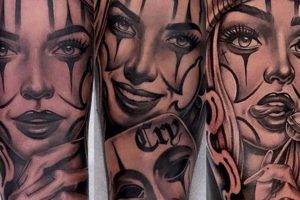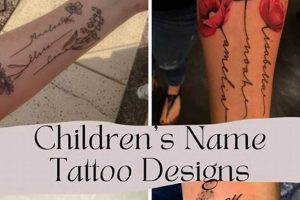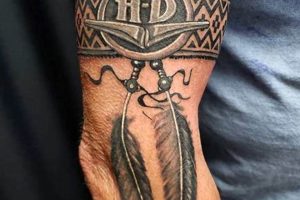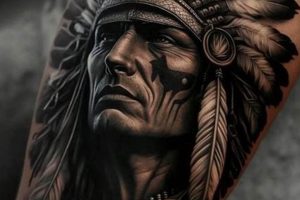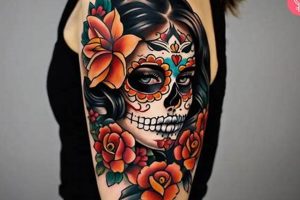



Tattoos inspired by urban art encompass a wide range of styles, from vibrant tags and throwups to intricate murals and character-based designs. These designs often feature bold lines, dynamic color schemes, and stylized lettering reminiscent of spray paint aesthetics. An example might include a tattoo showcasing a classic bubble letter design or a portrait rendered in a graffiti-inspired style.
This art form allows for personalized expression and celebrates the raw energy of street art. Historically rooted in counter-culture movements, its adaptation into tattooing offers a powerful means of reclaiming public spaces and expressing individuality. The visual impact of these tattoos can be striking, conveying both a rebellious spirit and an appreciation for artistic skill. The dynamic compositions and vibrant colors can transform the body into a living canvas.
Further exploration of this vibrant tattooing style will cover key themes such as popular design elements, the selection of appropriate artists, and considerations for placement and aftercare. These aspects are crucial for ensuring a high-quality, lasting piece that effectively captures the essence of urban art.
1. Style

Style is a defining characteristic of graffiti-inspired tattoos, directly impacting the visual narrative and overall aesthetic. Different graffiti styles translate uniquely onto the skin. A wildstyle tattoo, with its intricate interwoven letters and sharp angles, conveys a sense of dynamism and complexity. Conversely, a bubble letter design, characterized by rounded, playful forms, offers a softer, more approachable aesthetic. Throwups, with their quick, bold strokes, evoke the raw immediacy of street art. Choosing the right style is crucial for capturing the desired energy and meaning.
Consider the impact of incorporating elements like drips, stencils, or character-based designs. Drips, simulating flowing paint, add a sense of movement and spontaneity. Stencils offer clean lines and bold shapes, while characters inject narrative and personality. A tattoo featuring a classic New York-style subway car rendered in vibrant colors, for example, tells a specific story about urban culture and artistic history. Similarly, a portrait done in a graffiti style merges traditional portraiture with urban aesthetics. Understanding these stylistic nuances allows for a more informed and meaningful artistic expression.
Effective style selection requires understanding individual preferences and the desired visual impact. Balancing complexity with readability, boldness with subtlety, ensures a cohesive and impactful design. The style choice fundamentally shapes how the tattoo is perceived and how it resonates with both the wearer and the observer. It’s the visual language through which the energy and spirit of graffiti are translated onto the body.
2. Color Palette
Color selection is paramount in graffiti-inspired tattoos, impacting the overall aesthetic and conveying the vibrancy associated with the art form. A well-chosen palette amplifies the design’s energy, creating a visual experience that resonates with the dynamic nature of street art. Understanding color theory and its application within graffiti culture is essential for achieving a successful and impactful tattoo.
- Vibrancy and Contrast
Graffiti often utilizes highly saturated, contrasting colors to create visual impact and stand out in urban environments. This translates directly to tattooing, where bold color choices can make a design pop. Consider juxtaposing complementary colors like orange and blue or red and green for maximum effect. This high contrast mimics the bold statements often seen in street art, ensuring the tattoo remains visually striking.
- Fades and Blends
Mimicking the smooth transitions of spray paint is a hallmark of graffiti-inspired tattoos. Skilled artists can recreate these fades and blends, creating a sense of depth and movement within the design. These techniques add a layer of realism, further connecting the tattoo to its artistic roots. Subtle gradations within a color family or smooth transitions between contrasting hues can elevate the design’s visual appeal.
- Limited Palettes vs. Full Spectrum
While some graffiti artists prefer a limited color palette, focusing on two or three key colors, others embrace a full spectrum. This choice influences the tattoo’s overall mood and complexity. A limited palette can create a sense of focus and boldness, while a full spectrum allows for greater detail and dynamism. The decision depends on the specific design and the desired visual impact. A simple tag might benefit from a limited palette, while a complex mural might require a broader range of colors.
- Color Symbolism and Personal Meaning
Color carries symbolic weight and can add layers of personal meaning to a tattoo. Consider the cultural and personal significance of different colors when selecting a palette. Black and white can represent classic graffiti styles, while brighter colors might express individuality or specific emotions. Incorporating personal color associations enhances the tattoo’s narrative and strengthens the connection between the wearer and the design.
The interplay of these color considerations contributes significantly to the final aesthetic of a graffiti-inspired tattoo. A thoughtfully selected color palette elevates the design, capturing the energy and spirit of graffiti while allowing for personalized expression. Understanding the impact of color choices is essential for translating the vibrancy of urban art onto the skin.
3. Placement

Placement is integral to the overall impact of graffiti-inspired tattoos. The body’s contours become the canvas, and strategic placement enhances the design’s flow and visual impact. A large-scale piece featuring a complex wildstyle design might be best suited for the back or chest, allowing ample space for intricate details. Smaller, more concise designs, such as tags or throwups, can effectively utilize areas like the forearm, calf, or even the hand. Curved surfaces, like the shoulder or thigh, offer opportunities to emphasize the three-dimensional aspects of graffiti, creating the illusion of depth and movement. Placement should complement the design, creating a harmonious relationship between the art and the body.
Consider how placement interacts with the body’s natural movement. A dynamic design placed on a flexing muscle can create a sense of animation, further enhancing the graffiti aesthetic. For example, a piece depicting dripping paint placed on the bicep can visually mimic the flow of paint as the muscle contracts and relaxes. Similarly, a design placed along the ribcage can expand and contract with each breath, adding a subtle but dynamic element. Thoughtful placement maximizes the visual impact and creates a cohesive artistic statement.
Effective placement optimizes the visibility and impact of graffiti-inspired tattoos. Understanding the interplay between design, body contours, and movement is essential for achieving a cohesive and impactful result. The body becomes an active component of the artwork, contributing to the overall narrative and aesthetic of the tattoo. Careful consideration of placement ensures the design integrates seamlessly with the individual, creating a powerful and personalized statement.
4. Artist Selection
Selecting the right artist is paramount when realizing graffiti-inspired tattoo concepts. A deep understanding of graffiti art, its nuances, and its technical demands is essential for successful execution. The artist’s skill directly impacts the tattoo’s quality, longevity, and ability to capture the essence of this dynamic art form. Choosing an artist experienced in translating graffiti aesthetics to skin ensures a result that resonates with the desired style and energy.
- Specialization and Experience
Seek artists specializing in graffiti-style tattoos. Their portfolios should demonstrate a strong grasp of letterforms, color palettes, and compositional techniques specific to graffiti art. Experience translating the dynamic, often improvisational nature of graffiti onto the static medium of skin is crucial. A specialized artist understands the intricacies of line weight, shading, and color saturation necessary to capture the authentic look and feel of graffiti.
- Technical Skill and Application
Technical proficiency is essential for executing clean lines, smooth blends, and intricate details. The artist’s ability to control the tattoo machine and apply ink precisely impacts the final result. Look for portfolios showcasing crisp lines, vibrant colors, and smooth transitions, demonstrating mastery of the technical aspects. A skilled artist can replicate the textures and effects of spray paint, translating the energy of urban art onto the skin.
- Collaborative Approach and Communication
Open communication with the chosen artist is vital. A collaborative approach ensures the final design aligns with individual preferences and captures the desired aesthetic. Discuss stylistic choices, color palettes, and placement to ensure a shared vision. A collaborative artist welcomes input and offers expert guidance, resulting in a tattoo that reflects personal style and artistic vision.
- Understanding of Graffiti Culture
An artist’s genuine appreciation for graffiti culture informs their artistic choices and ensures an authentic representation. This understanding extends beyond technical skill to encompass the history, styles, and cultural significance of graffiti art. An artist immersed in the culture can offer valuable insights and create a design that resonates with the spirit of graffiti, paying homage to its roots while embracing individual expression.
These factors significantly influence the outcome of a graffiti-inspired tattoo. Choosing an artist who possesses both technical expertise and a deep understanding of graffiti culture ensures a high-quality, lasting piece that captures the energy and spirit of this dynamic art form. The artist becomes a collaborator, translating individual vision into a powerful artistic statement that resonates with the rich history and vibrant aesthetics of graffiti.
5. Size and Scale
Size and scale are critical considerations in graffiti-inspired tattoos, directly influencing the design’s impact and feasibility. The chosen dimensions affect readability, detail complexity, and the overall balance within the composition. A large-scale piece allows for intricate details and complex compositions, such as a full back piece depicting an urban cityscape with interwoven characters and vibrant color transitions. Conversely, smaller tattoos might focus on a single element, like a tag or a character portrait, emphasizing clean lines and bold colors for maximum impact within a limited space. The scale must complement the chosen design and the available canvas on the body.
Consider the relationship between size, scale, and placement. A large, detailed piece requires ample space, making areas like the back, chest, or thighs suitable locations. Smaller designs can effectively utilize areas like the forearm, calf, or even fingers, allowing for focused visual statements. Scale also impacts the longevity of the tattoo. Intricate details in a small-scale tattoo might lose clarity over time as ink spreads, whereas larger designs can retain their visual integrity longer due to the greater distance between lines and colors. Understanding these factors allows for informed decisions that balance artistic vision with practical considerations.
Balancing size and scale with the chosen design and placement ensures a cohesive and impactful result. Careful consideration of these factors contributes to the tattoo’s longevity and its ability to effectively capture the desired aesthetic. Successfully navigating the interplay between size, scale, and other design elements results in a powerful visual statement that resonates with the energy and dynamism of graffiti art while respecting the limitations and potential of the chosen canvas.
6. Personal Meaning

Graffiti-inspired tattoos offer a powerful medium for expressing personal narratives. The inherent rebellious spirit of graffiti, born from urban environments and counter-culture movements, provides a framework for conveying individuality and challenging established norms. Incorporating personal meaning elevates these tattoos beyond mere aesthetics, transforming them into deeply symbolic representations of one’s journey, values, or beliefs. A name or date rendered in a graffiti style might commemorate a loved one, while a symbolic image drawn from personal experience can encapsulate a significant life event or overcome challenge. The style itself can also hold personal meaning; choosing a specific graffiti style prevalent in one’s hometown or a style that resonates with personal artistic preferences further deepens the connection.
Real-life examples illustrate this connection. A musician might choose a tattoo featuring a boombox rendered in a vibrant, wildstyle graffiti design, representing their passion for music and connection to hip-hop culture. An activist might incorporate elements of protest art into their tattoo, using graffiti aesthetics to express their commitment to social change. These personalized narratives transform the tattoo into a powerful visual statement, reflecting the individual’s unique story and connection to the world around them. The adaptability of graffiti allows for endless possibilities, ensuring the tattoo remains a deeply personal and meaningful expression.
Understanding the potential for personal meaning within graffiti-inspired tattoos allows individuals to create powerful and resonant artwork. The fusion of personal narrative with the dynamic aesthetics of graffiti results in a unique and enduring form of self-expression. This understanding encourages a deeper appreciation for the art form and its ability to transcend mere aesthetics, becoming a tangible representation of one’s identity, values, and journey. It highlights the importance of thoughtful design choices, ensuring the final piece resonates with both the wearer and the rich cultural history of graffiti art itself.
Tips for Graffiti Tattoo Designs
Successful execution of graffiti-inspired tattoos relies on careful planning and consideration of key elements. These tips provide guidance for navigating the design process, ensuring a visually striking and personally meaningful result.
Tip 1: Research Styles Thoroughly: Explore various graffiti styles, from wildstyle and bubble letters to throwups and stencils. Understand their distinct characteristics and visual impact. Example: Researching the historical context of wildstyle can inform a more authentic and nuanced design.
Tip 2: Prioritize Artist Selection: Seek artists specializing in graffiti-style tattoos with demonstrable experience in translating the art form to skin. Review portfolios carefully, focusing on line work, color saturation, and composition. Example: An artist specializing in realism may not possess the necessary expertise in graffiti lettering styles.
Tip 3: Plan Placement Strategically: Consider the body’s contours and how the tattoo’s placement interacts with movement. Larger pieces require ample space, while smaller designs can utilize specific areas effectively. Example: A dynamic design on a flexing muscle enhances the sense of movement.
Tip 4: Develop a Meaningful Concept: Infuse the design with personal meaning, connecting it to individual experiences, values, or cultural references. Example: Incorporating elements of local graffiti culture can create a personalized and geographically relevant design.
Tip 5: Embrace Color Theory: Utilize a vibrant color palette that reflects the energy of graffiti. Understand color symbolism and its potential to enhance meaning. Example: Bold, contrasting colors create a strong visual impact, while fades and blends mimic the fluidity of spray paint.
Tip 6: Consider Size and Scale Carefully: Balance the desired level of detail with the chosen placement and the limitations of the medium. Example: Intricate details in a small-scale tattoo might lose clarity over time.
Tip 7: Communicate Effectively with the Artist: Clearly articulate design preferences, desired style, and personal meaning. Open communication ensures a collaborative process and a successful outcome. Example: Sharing reference images and discussing personal narratives can inform the design process.
Careful consideration of these aspects ensures a successful and meaningful graffiti-inspired tattoo. The result should be a piece that resonates with personal style, celebrates the art form, and stands the test of time.
This detailed exploration of graffiti tattoo designs prepares for the concluding remarks on the significance and impact of this unique art form.
Frequently Asked Questions
This section addresses common inquiries regarding tattoos inspired by urban art, providing clarity and guidance for those considering this style.
Question 1: How long do these tattoos typically take to complete?
Completion time varies based on size, complexity, and the artist’s technique. Small designs might take a few hours, while larger, more intricate pieces can require multiple sessions spanning several days or weeks.
Question 2: What is the typical cost range?
Cost depends on factors such as the artist’s experience, location, size, and complexity of the design. It is advisable to consult with several artists to obtain accurate quotes and compare pricing structures.
Question 3: Are these tattoos more painful than other styles?
Pain levels vary based on individual pain tolerance and tattoo placement. Areas with thinner skin or closer proximity to bone tend to be more sensitive. Discuss pain management options with the chosen artist.
Question 4: What are the key aftercare considerations?
Proper aftercare is essential for healing and longevity. Follow the artist’s specific instructions, which typically include keeping the tattoo clean, moisturized, and protected from sun exposure during the healing process. Neglecting aftercare can lead to infection or fading.
Question 5: Can these tattoos be covered up or removed later?
Cover-ups and removals are possible but present unique challenges due to the often bold colors and intricate designs. Consult with a specialist to discuss options and potential limitations. Laser removal might require multiple sessions and may not completely erase the tattoo.
Question 6: How does one choose the right graffiti style for a tattoo?
Style selection should reflect personal preferences and desired visual impact. Research various styles, considering their historical context and aesthetic characteristics. Consult with the artist to discuss which style best suits individual preferences and the desired narrative.
Thorough consideration of these frequently asked questions empowers informed decision-making, contributing to a positive and successful tattoo experience.
This FAQ section concludes the exploration of key aspects related to graffiti-inspired tattoos. The subsequent section will offer concluding remarks on the enduring appeal and cultural significance of this dynamic art form.
Conclusion
Exploration of graffiti-inspired tattoo designs reveals a dynamic interplay between artistic expression, personal narrative, and cultural significance. Careful consideration of style, color palette, placement, artist selection, size, scale, and personal meaning are essential for successful execution. These elements contribute to a visually impactful and enduring piece that resonates with the raw energy and rebellious spirit of graffiti art. Understanding the historical context and technical demands of this style empowers informed decisions, ensuring the tattoo reflects both individual expression and an appreciation for the art form’s rich history.
The enduring appeal of graffiti-inspired tattoos lies in their ability to transform the body into a living canvas, celebrating individuality and challenging conventional aesthetics. This fusion of urban art and personal narrative continues to evolve, offering a powerful medium for self-expression and a vibrant testament to the enduring power of graffiti’s visual language. Further exploration of individual styles and artists within this dynamic field offers continued opportunities for artistic innovation and personal expression.