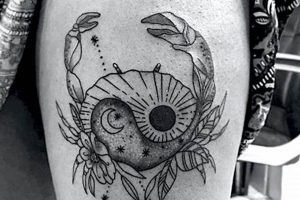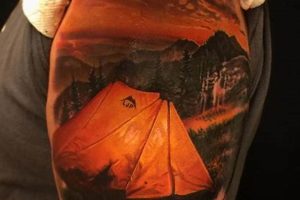



Permanent body art reflecting the sport of golf encompasses a wide range of imagery, from realistic depictions of equipment like clubs and balls to stylized renderings of courses, landscapes, and iconic figures. Examples include minimalist outlines of a golfer’s swing, detailed portraits of legendary players, or creative incorporations of golfing terminology and scoring elements.
These designs can serve as personal tributes to a beloved pastime, showcasing an individual’s passion, skill level, or memorable golfing experiences. They can also represent core values associated with the sport, such as precision, discipline, and sportsmanship. The increasing popularity of golf-themed tattoos reflects the sport’s growing global presence and its integration into mainstream culture.
Further exploration will cover various design categories, stylistic approaches, and factors to consider when choosing a permanent golfing emblem. Placement options, aftercare instructions, and the selection of a reputable tattoo artist will also be addressed.
1. Imagery

The visual representation chosen for a golf-themed tattoo significantly impacts its overall aesthetic and personal meaning. Selecting appropriate imagery requires careful consideration of individual preferences and the desired message. The following facets illustrate the diverse range of visual options available.
- Equipment
Representations of golf clubs, balls, tees, and other equipment offer a direct and recognizable connection to the sport. A classic image might feature crossed clubs behind a ball, while a more personalized approach could incorporate a specific club model or brand favored by the individual. Such imagery can symbolize a dedication to the game and a focus on technical skill.
- Landscapes
Images of golf courses, including fairways, greens, bunkers, and water features, evoke the environment where the game is played. Specific courses holding personal significance, such as a home course or the location of a memorable round, can be depicted. These landscapes capture the serene beauty and challenging nature of golf.
- Figures
Silhouettes or portraits of golfers, either famous professionals or personal representations, add a human element to the design. Dynamic poses mid-swing capture the athleticism of the sport, while more static poses can convey a sense of focus and concentration. Incorporating figures can personalize the tattoo and highlight admiration for specific players or the individual’s own golfing style.
- Symbolic Elements
Abstract imagery like flagsticks, scorecards, or numerical representations of significant scores (e.g., a hole-in-one) offer a more subtle approach. Incorporating elements like stylized animals associated with particular courses or symbolic representations of golfing achievements allows for a more layered and personalized meaning. These abstract elements can represent key milestones or personal philosophies related to the game.
Careful selection of imagery, considering its symbolic weight and aesthetic appeal, is essential for creating a meaningful and visually impactful golf-themed tattoo. The chosen image should resonate with the individual’s personal connection to the sport and effectively communicate their passion for the game.
2. Style

The chosen artistic style significantly influences the overall aesthetic and impact of a golf-themed tattoo. Selecting an appropriate style requires careful consideration of personal preferences, the complexity of the chosen imagery, and the desired visual effect. The following stylistic approaches demonstrate the diverse range of artistic interpretations available.
- Realism
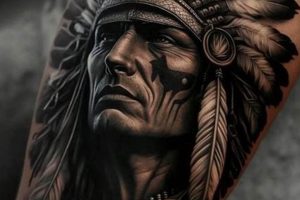
Realistic depictions prioritize accurate representation of subjects, capturing intricate details and textures. A realistic tattoo might showcase a highly detailed portrait of a favorite golfer or a meticulously rendered image of a specific golf club. This style emphasizes precision and craftsmanship, mirroring the technical demands of the sport.
- Watercolor
The watercolor style mimics the fluidity and vibrancy of watercolor paintings, creating a softer, more artistic impression. This approach can be particularly effective for depicting landscapes or incorporating splashes of color into more abstract designs. Watercolor tattoos offer a less traditional and more expressive aesthetic, emphasizing the artistic and emotional aspects of the game.
- Minimalism
Minimalist designs prioritize simplicity and clean lines, often using black ink and geometric shapes to create impactful imagery. A minimalist golf tattoo might feature a simple outline of a golfer’s swing or a stylized representation of a flagstick. This style emphasizes essential elements and symbolic representation, reflecting the focus and discipline inherent in golf.
- Tribal
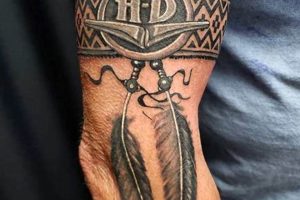
Tribal designs incorporate bold lines, geometric patterns, and often black ink to create a strong and symbolic image. A tribal golf tattoo might integrate golf-related imagery into traditional tribal patterns, creating a unique and culturally influenced design. This style can represent a connection to heritage and a more abstract interpretation of the sport.
The selected style profoundly impacts the visual narrative of the tattoo, influencing its perceived meaning and aesthetic appeal. Harmonizing the chosen style with the desired imagery ensures a cohesive and effective representation of the individual’s connection to the sport of golf. Ultimately, the optimal style choice depends on personal preference and the desired visual statement.
3. Placement

Strategic placement significantly enhances the visual impact and personal meaning of golf-themed tattoos. Consideration of body contours, visibility preferences, and the design’s size and shape ensures optimal presentation. The following placement options illustrate the diverse possibilities available.
- Wrist/Forearm
The wrist and forearm offer prominent display areas for smaller, minimalist designs, such as a simple golf club outline or a golfer’s initials. These locations are readily visible, allowing for easy appreciation of the tattoo and frequent reminders of the individual’s connection to golf. However, these areas offer limited space for intricate details.
- Bicep/Shoulder
The bicep and shoulder provide larger canvas areas suitable for more detailed designs like portraits of golfers or landscapes of favorite courses. The curvature of these areas can be incorporated into the design, enhancing its visual flow and impact. These locations offer a balance between visibility and discretion.
- Back/Chest
The back and chest offer expansive canvases for elaborate and large-scale designs, such as full course landscapes or intricate golfing scenes incorporating multiple elements. These areas allow for maximum detail and artistic expression but may be less frequently visible to the individual. These locations are ideal for showcasing complex and meaningful imagery.
- Leg/Ankle
The leg and ankle provide options for both small, discreet designs and larger, more prominent pieces. A small golf ball on the ankle can be a subtle nod to the sport, while a larger design extending up the calf can showcase a more elaborate depiction of a golfer’s swing. These locations offer versatility in terms of size and visibility.
Careful consideration of placement optimizes the tattoo’s aesthetic presentation and its personal significance. Harmonizing the chosen location with the design’s size, complexity, and desired level of visibility ensures a cohesive and impactful representation of the individual’s passion for golf.
4. Size
The size of a golf-themed tattoo significantly impacts its visual impact and the level of detail achievable. Careful consideration of size involves balancing desired visibility, the complexity of the chosen design, and the available canvas area on the body. Smaller tattoos, such as a simple outline of a golf club or a small numerical representation of a significant score, can be discreetly placed on the wrist, ankle, or behind the ear. These smaller designs offer subtle reminders of the individual’s connection to the sport without dominating the chosen body area. Conversely, larger tattoos, such as detailed landscapes of golf courses or portraits of iconic players, require more extensive canvas areas like the back, chest, or thigh. These larger pieces allow for intricate details and greater visual impact, showcasing a more profound commitment to the sport. A small, minimalist design might depict a single golf ball, while a larger piece could depict a full golfing scene with multiple figures and background elements.
Choosing the appropriate size also necessitates considering the desired level of detail. Intricate designs require sufficient space for the artist to effectively render fine lines, shading, and textures. Attempting to compress a complex design into a small area can compromise its visual clarity and overall impact. For instance, a highly detailed portrait of a golfer would require a larger area than a stylized outline of a golf bag. Similarly, larger designs allow for the incorporation of background elements and multiple imagery components, enriching the visual narrative and overall aesthetic. A large-scale tattoo might feature a golfer mid-swing against a backdrop of a lush green, while a smaller design might focus solely on the golfer’s silhouette.
Selecting the appropriate size ensures the chosen design effectively communicates the intended message and complements the individual’s body contours. A well-sized tattoo enhances the aesthetic appeal of the design, allowing for optimal visibility and appreciation of its artistic details. Careful consideration of size, alongside other design elements, results in a cohesive and impactful representation of the individual’s passion for golf. The chosen size should harmonize with the overall design concept, ensuring the tattoo remains visually appealing and effectively communicates the individual’s connection to the sport.
5. Color
Color selection significantly influences the visual impact and overall aesthetic of golf-themed tattoos. Careful consideration of color palettes allows for enhanced realism, symbolic representation, and personalized expression. Understanding the interplay of colors and their potential interpretations within the context of golf imagery is crucial for achieving a successful and meaningful tattoo.
- Realistic Color Palettes
Realistic color palettes aim to replicate the natural hues associated with golf, such as the greens of the course, the browns of the earth, and the white of the golf ball. Subtle variations in shading and tone create depth and dimension, enhancing the realism of the depicted elements. A realistic depiction of a golf course would utilize varying shades of green for the fairways, rough, and greens, while incorporating browns for bunkers and trees. This approach emphasizes the visual accuracy and natural beauty of the sport.
- Monochromatic Palettes
Monochromatic color schemes, often utilizing black ink, offer a classic and timeless aesthetic. This approach emphasizes the outlines and shapes of the design, creating a bold and impactful visual statement. A monochromatic tattoo might feature a silhouette of a golfer against a solid black background or a simple outline of crossed golf clubs. This style emphasizes simplicity and focuses attention on the essential elements of the design.
- Vibrant Color Accents
Incorporating vibrant color accents, such as the bright colors of golf attire or the flag on the green, adds a dynamic and eye-catching element to the design. These splashes of color can draw attention to specific details or create a sense of energy and movement. A tattoo might feature a golfer wearing a brightly colored shirt against a more subdued background or highlight the flag on the green with a vibrant red. This approach emphasizes specific elements and adds a personalized touch to the design.
- Symbolic Color Choices
Colors can hold symbolic meaning, allowing for a deeper layer of interpretation within the tattoo design. Green, for instance, can represent growth, tranquility, and connection to nature, reflecting the environment of the golf course. Blue can symbolize stability, precision, and focus, mirroring the mental aspects of the game. Incorporating colors with personal significance adds a deeper layer of meaning to the tattoo, reflecting individual values and experiences related to the sport.
The effective use of color enhances the visual narrative and personal meaning of golf-themed tattoos. Careful consideration of color palettes, considering both aesthetic appeal and symbolic representation, ensures a cohesive and impactful design that effectively communicates the individual’s passion for the sport. The chosen colors should harmonize with the overall design concept, creating a visually appealing and meaningful representation of the individual’s connection to golf.
6. Detail

The level of detail within a golf-themed tattoo significantly impacts its realism, visual depth, and overall aesthetic impact. Detail encompasses the intricacies of line work, shading, texture, and the rendering of specific elements within the design. A high level of detail can transform a simple image into a captivating piece of art, imbuing it with depth and personality. Consider the difference between a basic outline of a golf ball and a meticulously rendered image showcasing its dimples and subtle imperfections. The latter, through its attention to detail, achieves a heightened sense of realism and visual appeal. Similarly, a golfer’s portrait can range from a stylized outline to a photorealistic representation capturing facial features, clothing textures, and the nuances of expression. This detailed approach elevates the design, transforming it from a simple image to a captivating portrayal of a specific individual or iconic figure. The inclusion of background elements, such as the detailed rendering of blades of grass or the subtle textures of a golf glove, further enhances the overall composition and adds to the sense of realism.
The desired level of detail often influences stylistic choices and necessitates careful consideration of the tattoo artist’s skill. Intricate designs require a skilled artist capable of executing fine lines, precise shading, and subtle color gradations. A highly detailed design, such as a realistic depiction of a golf course at sunset, demands a greater level of artistic skill than a minimalist outline of a flagstick. Attempting a highly detailed piece with an inexperienced artist may result in a compromised final product lacking the desired precision and visual impact. Therefore, selecting an artist specializing in the desired style and possessing the technical expertise to execute the required level of detail is paramount. Examining an artist’s portfolio and discussing the design concept in detail beforehand ensures a successful outcome.
Detail serves as a crucial component in effectively conveying the intended message and personal significance of the tattoo. The careful rendering of specific elements can add layers of meaning and symbolism to the design. For example, the inclusion of a specific brand or model of golf club, meticulously rendered with attention to detail, can signify the individual’s preference and dedication to a particular aspect of the game. Similarly, the detailed depiction of a specific golf course, capturing its unique features and landscape elements, can evoke personal memories and experiences associated with that location. By focusing on specific details, the tattoo becomes a more personalized and meaningful representation of the individual’s connection to the sport. The level of detail, therefore, plays a critical role in transforming a simple image into a powerful and evocative piece of body art that resonates with the individual’s passion for golf.
Tips for Golf Tattoo Designs
Careful planning ensures a successful and personally meaningful golf tattoo. Consideration of the following tips helps individuals achieve a design that effectively communicates their passion for the sport.
Tip 1: Research Thoroughly
Explore various design options and artistic styles before committing to a specific concept. Examine online galleries, consult with tattoo artists, and gather inspiration from other golf enthusiasts’ tattoos. Thorough research helps refine design preferences and ensures selection of imagery and style that resonate with personal aesthetics and golfing experiences. For instance, researching different depictions of golf clubs can inspire a unique and personalized design.
Tip 2: Choose a Reputable Artist
Selecting a skilled and experienced tattoo artist specializing in the desired style is crucial. Review portfolios, seek recommendations, and schedule consultations to discuss design ideas and assess the artist’s expertise. A skilled artist ensures proper execution of the design and adherence to safety standards. An artist specializing in realism might be preferred for a detailed portrait of a golfer.
Tip 3: Consider Placement Carefully
Placement impacts visibility, aesthetics, and how the design complements body contours. Consider the size and complexity of the design when choosing a location. A small, minimalist design might suit the wrist, while a larger, more intricate piece might be better suited for the back or shoulder.
Tip 4: Size Matters
Balance desired visibility and the level of detail achievable within the chosen size. Intricate designs require sufficient space for proper execution. A small design might lack the space for intricate details, while a large design might overwhelm a smaller body area.
Tip 5: Color Considerations
Color choices impact visual impact and symbolic representation. Realistic palettes emphasize natural hues, while monochromatic schemes create a classic look. Vibrant accents can draw attention to specific elements, while symbolic color choices add deeper meaning. Green can represent the golf course, while blue might symbolize focus and precision.
Tip 6: Detail Enhances Realism
The level of detail influences the overall realism and visual depth of the design. Intricate line work, shading, and texturing enhance realism and create a more captivating piece. A highly detailed design, however, requires a skilled artist capable of executing intricate work.
Tip 7: Plan for Aftercare
Proper aftercare is essential for preserving the tattoo’s vibrancy and preventing complications. Follow the artist’s instructions regarding cleaning, moisturizing, and sun protection. Diligent aftercare ensures the longevity and aesthetic appeal of the tattoo.
Following these tips ensures a well-executed and personally meaningful golf tattoo that effectively represents an individual’s passion for the sport.
This detailed exploration of golf tattoo ideas provides a solid foundation for informed decision-making. The subsequent conclusion will summarize key takeaways and offer final recommendations for those considering a permanent tribute to their love of golf.
Frequently Asked Questions about Golf Tattoos
This section addresses common inquiries regarding golf-themed tattoos, providing concise and informative responses to facilitate informed decision-making.
Question 1: How much do golf tattoos typically cost?
Cost varies based on size, complexity, artist’s experience, and geographic location. Smaller, simpler designs may cost less than larger, more intricate pieces requiring multiple sessions. Consulting with several artists allows for comparison of pricing and ensures alignment with budgetary constraints.
Question 2: What are the most popular golf tattoo designs?
Popular designs include golf clubs, balls, flagsticks, golfers in action, and landscapes of famous courses. Personalization, such as incorporating specific scores or memorable dates, adds unique meaning.
Question 3: Where is the best place to get a golf tattoo?
Optimal placement depends on design size, complexity, and desired visibility. The forearm, bicep, and shoulder are common locations for smaller to medium-sized designs. Larger pieces may be better suited for the back, chest, or leg. Placement should complement body contours and the design’s overall aesthetic.
Question 4: How long does it take to get a golf tattoo?
Completion time depends on size, complexity, and the artist’s speed. Smaller designs may take a single session of a few hours. Larger, more intricate pieces may require multiple sessions spread over several weeks or months to allow for healing between sessions.
Question 5: What is the proper aftercare for a golf tattoo?
Proper aftercare is essential for preventing infection and ensuring optimal healing. Following the artist’s specific instructions is crucial. General aftercare involves keeping the tattoo clean, moisturized, and protected from sun exposure. Avoiding swimming and excessive sweating during the healing process is also recommended.
Question 6: Can golf tattoos be removed or covered up?
Removal is possible through laser treatments, but complete removal may be challenging and costly. Cover-up tattoos, where a new design incorporates the existing one, are also an option. Consulting with a skilled tattoo artist regarding removal or cover-up options provides personalized guidance.
Careful consideration of these frequently asked questions ensures individuals approach the process of acquiring a golf-themed tattoo with realistic expectations and a comprehensive understanding of the associated factors. This knowledge facilitates informed decision-making and contributes to a positive and successful tattoo experience.
The subsequent section provides a concluding summary of key takeaways and offers final recommendations for individuals embarking on their golf tattoo journey.
Conclusion
Exploration of permanent golf-themed body art reveals a diverse range of design possibilities, encompassing imagery, style, placement, size, color, and detail. Careful consideration of these elements ensures a successful and personally meaningful tattoo. Selecting a reputable artist, researching design options thoroughly, and adhering to proper aftercare procedures are crucial for achieving a high-quality, lasting tribute to one’s passion for the sport.
A golf tattoo serves as a permanent reminder of the values, experiences, and personal connection associated with the game. The chosen design reflects individual preferences and serves as a visual testament to the enduring appeal of golf. Ultimately, a well-executed golf tattoo embodies the individual’s unique relationship with the sport and stands as a lasting symbol of their dedication and passion.