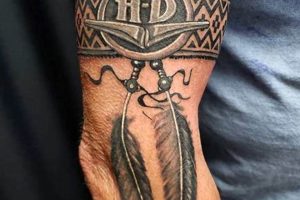



The concept of finding inspiration for body art intended for a male offspring involves exploring various design motifs, styles, and symbolic representations. This might include considering elements that reflect shared interests, family history, or personal values, such as nature imagery, geometric patterns, or meaningful quotations. For example, a father and son might choose matching or complementary designs representing a shared hobby like fishing or a favorite sports team.
Selecting meaningful and appropriate designs for permanent body art is a significant decision. When considering designs for a son, the process takes on added importance due to the familial bond and the enduring nature of tattoos. Thoughtful choices can strengthen intergenerational connections, commemorate shared experiences, and serve as a lasting reminder of family ties. Historically, body art has signified lineage, group affiliation, and rites of passage, further emphasizing the potential depth of meaning in such a choice.
This exploration will delve into a variety of design options categorized by theme, style, and placement, offering a comprehensive guide for those seeking meaningful and aesthetically pleasing concepts suitable for a son’s tattoo.
1. Meaningful Symbolism

Meaningful symbolism lies at the heart of successful tattoo design, particularly when considering body art for a son. A tattoo’s permanence necessitates careful selection of imagery that resonates deeply and stands the test of time. This significance is amplified in the parent-child dynamic, where a tattoo can serve as a lasting symbol of connection, shared values, or commemorated experiences. Choosing a design imbued with personal meaning elevates the tattoo beyond mere aesthetics, transforming it into a powerful expression of familial bonds and shared narratives. For example, a design incorporating elements from nature, such as a specific type of tree or flower, could represent resilience, growth, or a shared love of the outdoors. Alternatively, geometric patterns or symbols drawn from specific cultures can carry profound significance related to heritage, spirituality, or personal philosophies.
The process of selecting meaningful symbolism often involves open communication and shared exploration between parent and son. Discussions about family history, personal values, shared passions, and significant life events can unearth potent imagery that resonates with both individuals. This collaborative approach strengthens the bond between them, ensuring the chosen design reflects not only the son’s individuality but also the enduring connection with the parent. Practical considerations include researching the historical and cultural connotations of potential symbols to avoid unintended interpretations. This research adds depth and authenticity to the chosen design, reinforcing its enduring value.
Ultimately, the incorporation of meaningful symbolism transforms a tattoo into a powerful narrative, reflecting individual identity, shared experiences, and the enduring bond between parent and son. The chosen design becomes a tangible expression of love, support, and the ongoing story of a family’s journey. Understanding the crucial role of symbolism allows for thoughtful decision-making, resulting in a piece of body art that holds lasting significance for both generations.
2. Age-Appropriate Designs

The enduring nature of tattoos necessitates careful consideration of age appropriateness, especially when selecting a design for a son. A design suitable for a young adult might not resonate later in life. Therefore, anticipating future perspectives is crucial for ensuring the tattoo remains a source of pride rather than regret. This involves considering evolving tastes, career aspirations, and potential societal perceptions associated with specific designs.
- Maturity of Design:
Simpler designs often hold greater longevity than intricate or trend-driven ones. A small, symbolic image can maintain its elegance over time, while a large, elaborate piece might appear dated or less appealing as tastes mature. Consider a classic nautical star versus a complex, cartoon-inspired design. The former’s timeless appeal contrasts with the latter’s potential to become a nostalgic relic of youth.
- Size and Placement:
Smaller tattoos offer greater flexibility for future additions or modifications, accommodating evolving preferences. Placement also influences perception; a visible tattoo might pose challenges in certain professional settings. A discreet ankle tattoo allows for greater adaptability than a large neck tattoo, which might be subject to stricter dress codes or societal biases.
- Cultural and Societal Shifts:
Trends and cultural perceptions of tattoos evolve. A design considered fashionable today might be viewed differently in the future. Tribal designs, popular in the past, illustrate this potential shift. Thorough research and a focus on timeless imagery mitigate the risk of a design becoming culturally outdated or carrying unintended connotations in the future.
- Personal Growth and Evolution:
Individual tastes and values evolve over time. A design reflecting a son’s current interests might not align with his future self. Choosing a design that embodies core values or timeless principles, rather than fleeting trends or interests, allows the tattoo to remain relevant throughout personal growth and transformation.
By considering these factors, parents can guide their sons towards selecting designs that resonate not only in the present but also hold enduring significance throughout their lives. This foresight ensures the tattoo remains a source of pride and positive reflection, strengthening the familial bond represented by the shared experience.
3. Placement Considerations

Placement is a crucial factor when choosing a tattoo, particularly for a son. A tattoo’s location on the body impacts its visibility, societal perception, and practical implications. Careful consideration of placement ensures the design aligns with personal preferences, professional aspirations, and evolving societal norms.
- Visibility and Discretion:
Tattoo visibility ranges from highly exposed areas like the hands and neck to more concealed locations such as the back or ribs. Highly visible tattoos may face greater scrutiny in professional environments or social settings with conservative dress codes. A son considering a career in a more traditional field might opt for a less conspicuous placement. Conversely, a son embracing a more artistic or expressive profession might choose a more visible location to showcase personal style.
- Body Canvas and Design:
The body’s natural contours and musculature influence a tattoo’s aesthetic impact. Certain designs lend themselves better to specific body parts. A flowing, serpentine design might complement the curve of a bicep, while a geometric pattern could suit the flat expanse of a back. Understanding how the chosen design interacts with the body’s shape is essential for achieving a visually harmonious result.
- Pain Tolerance and Healing:
Different areas of the body possess varying sensitivities. Areas with thinner skin or closer proximity to bone tend to be more sensitive during the tattooing process. A son with a lower pain threshold might choose a fleshier area like the thigh or outer arm. Furthermore, certain placements, like elbows and knees, experience more skin stretching and movement, potentially affecting healing time and the long-term appearance of the tattoo.
- Future Modifications and Additions:
Strategic placement allows for potential expansion or incorporation of future designs. Planning for potential additions ensures a cohesive and aesthetically pleasing overall composition over time. For instance, a smaller initial tattoo on the forearm could later be incorporated into a larger half-sleeve design. This foresight allows for a gradual and planned approach to building a more complex piece of body art.
Ultimately, thoughtful placement enhances the aesthetic and personal value of a tattoo. By considering these factors, a son can select a location that complements the chosen design, respects professional and social contexts, and anticipates future additions, ensuring the tattoo remains a source of pride and personal expression throughout life.
4. Collaborative Design Process
A collaborative design process significantly enhances the meaning and satisfaction associated with a son’s tattoo. Open communication between parent and son fosters a deeper understanding of desired aesthetics, symbolic representation, and personal significance. This shared exploration transforms the tattoo into a joint project, strengthening the familial bond and ensuring the final design resonates with both individuals. When a father actively participates in the design process, offering suggestions and sharing personal experiences, the tattoo becomes more than just body art; it becomes a symbol of shared values and intergenerational connection. For example, incorporating elements representing a shared hobby, a significant family event, or a meaningful quote can enrich the design’s personal significance, creating a lasting reminder of their relationship.
Practical benefits arise from collaborative design. A parent’s life experience can offer valuable insights regarding design longevity, cultural appropriateness, and potential professional implications. This guidance helps navigate design choices, ensuring the tattoo remains relevant and appreciated throughout the son’s life. A father might suggest modifications to a design that could be perceived negatively in professional settings or offer alternatives that better represent the son’s evolving identity. This collaborative approach minimizes potential regrets and maximizes the tattoo’s long-term value, both aesthetically and personally.
Collaboration mitigates potential misunderstandings or misinterpretations of design intent. Clear communication ensures the final product aligns with the son’s vision while incorporating the parent’s wisdom and support. This shared ownership fosters a sense of pride and strengthens the emotional connection represented by the tattoo. The collaborative process transforms a potentially individualistic act into a shared experience, solidifying the bond between father and son and creating a lasting symbol of their relationship.
5. Skilled Artist Selection

A skilled artist is paramount to realizing a meaningful and well-executed tattoo, particularly when the design is intended for a son. The permanence of tattoos necessitates a high level of artistic proficiency to ensure the chosen design is rendered with precision and artistry. Selecting an artist with a proven track record and a style compatible with the desired aesthetic is essential for a satisfactory and lasting result. This careful selection process safeguards against potential disappointment and ensures the tattoo becomes a cherished piece of body art reflecting the significance of the parent-son relationship.
- Portfolio Examination:
A thorough review of an artist’s portfolio reveals their technical skill, artistic style, and specialization. Examining healed tattoos within the portfolio provides realistic expectations for long-term results. For a son’s tattoo, particularly one with symbolic importance, aligning the artist’s style with the design’s intent is crucial. A realistic portrait requires different skills than an abstract watercolor piece, highlighting the need for careful portfolio scrutiny to ensure stylistic compatibility.
- Hygiene and Safety Standards:
Stringent hygiene practices are non-negotiable in tattooing. A reputable artist adheres to strict sterilization protocols and utilizes single-use needles and equipment. This diligence protects against infection and ensures the health and safety of the recipient. For a son’s well-being, selecting an artist committed to impeccable hygiene is of paramount importance, mitigating potential health risks associated with the procedure.
- Communication and Collaboration:
Effective communication between artist and client is crucial for translating a design concept into a successful tattoo. A skilled artist actively listens, offers professional guidance, and addresses any concerns. Open dialogue ensures the final design accurately reflects the son’s vision. The artist’s expertise contributes valuable insights regarding placement, sizing, and technical feasibility, resulting in a tattoo that meets aesthetic and practical considerations.
- Experience and Reputation:
An artist’s experience and reputation within the tattoo community offer valuable indicators of their skill and professionalism. Seeking recommendations, reading online reviews, and verifying certifications contribute to informed decision-making. A well-respected artist with a proven track record offers greater assurance of quality and expertise, minimizing potential risks and maximizing the likelihood of a successful and cherished tattoo for the son.
Selecting a skilled artist ensures the chosen design for a son is executed with precision, artistry, and adherence to the highest hygiene standards. This careful selection transforms the tattoo into a lasting testament to the familial bond, reflecting the care and consideration invested in its creation. The skilled artist acts as a facilitator, translating the shared vision of father and son into a tangible and meaningful piece of art.
Tips for Choosing a Tattoo for a Son
Selecting a tattoo design for a son involves careful consideration of various factors to ensure a meaningful and enduring result. The following tips offer guidance for navigating this significant decision.
Tip 1: Prioritize Meaningful Symbolism: A tattoo’s permanence necessitates selecting imagery that resonates deeply with both parent and son. Explore shared interests, family history, or values to identify symbols that hold lasting significance. For instance, a shared love of the ocean could be represented by a wave, a nautical star, or a specific species of fish.
Tip 2: Consider Age Appropriateness: Anticipate future perspectives and how the chosen design might evolve in meaning over time. A design suitable for a teenager might not resonate with an adult. A small, symbolic design offers greater flexibility than a large, intricate piece, allowing for adaptation to changing tastes and societal perceptions.
Tip 3: Strategically Choose Placement: Tattoo placement impacts visibility, professional implications, and long-term aesthetics. Consider the son’s career aspirations and potential societal perceptions associated with visible tattoos. A discreet placement offers greater adaptability than a highly visible one.
Tip 4: Foster Collaborative Design: Open communication between parent and son is essential. Engage in discussions about design preferences, symbolic meaning, and potential placement. Collaborative design strengthens the familial bond and ensures the final result reflects shared values.
Tip 5: Research Skilled Artists: Thoroughly examine portfolios, verify hygiene standards, and seek recommendations to identify a reputable artist whose style aligns with the desired design. A skilled artist ensures professional execution and minimizes potential health risks.
Tip 6: Emphasize Timeless Design: Trends fluctuate. Opt for classic imagery and avoid overly trendy designs that might appear dated in the future. Timeless designs maintain their appeal and relevance throughout life.
Tip 7: Plan for Future Additions: Consider potential future additions or modifications when selecting the initial design and placement. Strategic planning allows for cohesive expansion of the tattoo over time, reflecting evolving personal narratives.
Thoughtful consideration of these tips ensures the chosen tattoo becomes a cherished symbol of the parent-son bond, reflecting shared values and enduring connection.
By following these guidelines, the process of selecting a tattoo becomes a meaningful experience, strengthening the familial bond and resulting in a piece of body art that holds lasting significance for both parent and son.
Frequently Asked Questions
This section addresses common inquiries regarding the selection of appropriate and meaningful tattoo designs for sons.
Question 1: How can one ensure a tattoo design remains relevant as a son matures?
Selecting classic imagery and avoiding trend-driven designs helps ensure the tattoo’s longevity. Prioritizing symbolic meaning over purely aesthetic appeal also contributes to a design’s enduring relevance.
Question 2: What factors should be considered when choosing tattoo placement on a son’s body?
Placement considerations include visibility preferences, professional implications, the body’s natural contours, pain tolerance, and potential future additions to the design. Each factor impacts the tattoo’s aesthetic and practical implications.
Question 3: How can a parent effectively participate in the tattoo design process with their son?
Open communication, active listening, and respectful dialogue create a collaborative environment. Sharing personal experiences and offering guidance regarding design longevity and cultural appropriateness fosters a meaningful exchange.
Question 4: What are the key indicators of a skilled and reputable tattoo artist?
A strong portfolio showcasing healed work, stringent hygiene practices, clear communication skills, a positive reputation within the community, and relevant certifications demonstrate an artist’s expertise and professionalism.
Question 5: How can one address potential cultural sensitivities or misinterpretations of a tattoo design?
Thorough research regarding the historical and cultural context of chosen symbols helps avoid unintended meanings. Consulting with the chosen artist and individuals familiar with relevant cultural nuances provides valuable insights.
Question 6: What steps can be taken to minimize potential regrets regarding a tattoo choice?
Careful consideration of design symbolism, placement, and artist selection minimizes potential regrets. Thorough planning, open communication, and a focus on timeless imagery contribute to a satisfying and enduring result.
Careful consideration of these frequently asked questions ensures a thoughtful approach to selecting a tattoo for a son, fostering a positive and meaningful experience for both parent and child.
Further exploration of specific design themes and stylistic options will be provided in the following sections.
Conclusion
Selecting appropriate body art for a son involves a multifaceted process. Careful consideration of symbolic meaning, age appropriateness, placement, collaborative design, and artist selection ensures a meaningful and enduring outcome. Prioritizing timeless imagery over fleeting trends safeguards against future regrets. Thorough research and open communication between parent and son foster a shared understanding and strengthen familial bonds throughout the decision-making process. Ultimately, a well-chosen tattoo becomes a powerful symbol of connection, shared values, and the enduring relationship between parent and child.
Permanent body art represents a significant commitment. Thoughtful reflection on the concepts presented hereinmeaningful symbolism, collaborative design, and skilled executionallows individuals to navigate this process with confidence and foresight. A well-chosen tattoo serves as a lasting testament to familial bonds, personal narratives, and the enduring power of artistic expression.