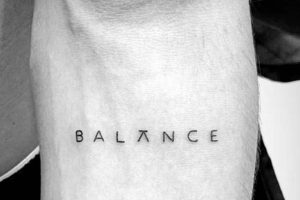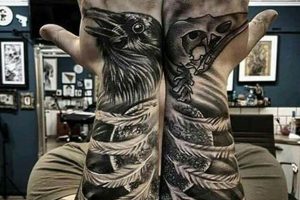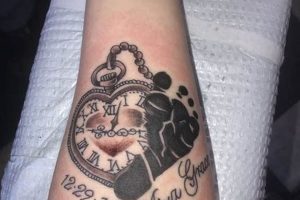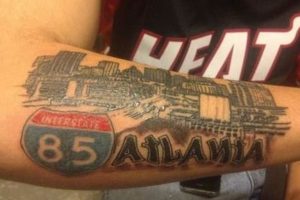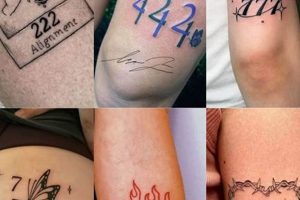



Symbolic imagery, often deeply personal and representative of service, sacrifice, and the principles of law enforcement, provides a rich source of inspiration for body art among police officers. Examples include badges, Thin Blue Line designs, scales of justice, and memorial tattoos honoring fallen colleagues. The selection of a specific design often reflects an individual officer’s values, experiences, and commitment to the profession.
Such designs can serve as a powerful expression of camaraderie and shared identity within the law enforcement community. They can also provide a visual reminder of the responsibilities and risks inherent in police work, acting as a source of personal strength and motivation. The practice of incorporating meaningful symbols into body art has a long history across various cultures and professions, including law enforcement, and continues to evolve with changing aesthetics and technologies.
Exploring the diverse range of designs available offers valuable insights into the personal narratives and shared experiences of those in law enforcement. Key considerations include design symbolism, placement on the body, and artistic style. A deeper understanding of these elements can help individuals make informed choices about their own body art and appreciate the significance of tattoos within this specific community.
1. Symbolism

Symbolism plays a crucial role in tattoos for law enforcement officers, imbuing designs with personal meaning and representing shared values within the profession. Careful selection of symbolic elements allows officers to express their dedication, commemorate experiences, and honor the principles they uphold.
- Thin Blue Line
The Thin Blue Line, a single blue line across a black background, symbolizes the role of law enforcement in separating order from chaos and protecting society. It represents solidarity and the inherent dangers faced by officers. This widely recognized symbol can be incorporated into various tattoo designs, often combined with other elements.
- Scales of Justice
Representing fairness, impartiality, and the pursuit of justice, the scales are a traditional symbol often chosen by those in legal professions, including law enforcement. They can symbolize an officer’s commitment to upholding the law and ensuring equitable outcomes. Variations in design can include swords, scrolls, or blindfolds, adding layers of meaning.
- Badges and Shields
Badges and shields, central to law enforcement identity, are frequently incorporated into tattoo designs. They can represent an officer’s specific department or rank, serving as a permanent reminder of their commitment and affiliation. These designs can be highly personalized with individual badge numbers or departmental crests.
- Memorial Tattoos
Memorial tattoos commemorate fallen colleagues or significant events in an officer’s career. These deeply personal designs often feature names, dates, end-of-watch times, or portraits. They serve as a lasting tribute and a powerful reminder of the sacrifices made in the line of duty.
Understanding the symbolism behind these common themes provides valuable context for appreciating the significance of tattoos within the law enforcement community. The choice of symbols reflects individual narratives and shared experiences, offering a glimpse into the values and motivations of those who serve.
2. Placement

Placement is a critical factor in tattoo design for law enforcement officers, influencing visibility, discretion, and professional presentation. Careful consideration of placement ensures the tattoo aligns with departmental regulations and personal preferences regarding public display. The location of a tattoo can also affect its aesthetic impact and how it interacts with the body’s contours.
Visible placements, such as forearms, hands, or neck, can convey strong messages of identity and affiliation but may not comply with all departmental dress codes. These locations may also be subject to stricter scrutiny in professional settings. Less visible areas, like the back, chest, or upper arms, offer greater discretion, allowing officers to display meaningful artwork while maintaining a professional appearance in uniform. Factors influencing placement decisions include the size and complexity of the design, individual pain tolerance, and the desire to conceal or showcase the tattoo.
Understanding the practical implications of tattoo placement is essential for law enforcement professionals. Careful planning and consultation with experienced tattoo artists familiar with departmental regulations can help officers make informed choices. Strategic placement ensures that tattoos serve as a source of personal meaning and professional pride while adhering to the standards of the law enforcement community.
3. Size and Detail

Size and detail are integral aspects of tattoo design, particularly within the law enforcement community, where tattoos often carry significant personal and symbolic meaning. The size of a tattoo directly influences its visual impact and the level of detail that can be incorporated. Smaller tattoos may be ideal for subtle expressions of personal beliefs or memorials, while larger pieces can accommodate intricate designs incorporating multiple elements and finer details, such as portraits, landscapes, or complex symbolic imagery. The choice between a small, discreet tattoo and a larger, more elaborate one depends on individual preferences, the desired level of visibility, and departmental regulations regarding tattoo size and placement.
The level of detail achievable in a tattoo is closely tied to its size. Highly detailed designs, such as photorealistic portraits or complex scenes, require sufficient space to render intricate features accurately. Attempting to compress a highly detailed design into a small area can result in a blurred or muddled appearance, diminishing the tattoo’s aesthetic appeal and potentially compromising its intended meaning. Choosing an appropriate size that allows for the desired level of detail ensures the tattoo’s clarity and longevity, preserving its artistic integrity over time. For example, a small badge number might be effectively rendered in a simpler style, while a memorial portrait would benefit from a larger canvas and a more detailed approach.
Careful consideration of size and detail is crucial for achieving a successful and meaningful tattoo. Balancing these elements requires an understanding of the desired visual impact, the complexity of the design, and the practical limitations of the chosen placement. Consulting with experienced tattoo artists specializing in law enforcement-themed artwork can provide valuable insights and guidance. A thorough understanding of the interplay between size and detail empowers individuals within law enforcement to create tattoos that effectively express their personal narratives and professional affiliations while upholding the standards of their profession.
4. Artist Selection
Artist selection holds paramount importance when considering law enforcement-themed tattoos. The chosen artist’s skill, experience, and specialization significantly impact the final result. A skilled artist adept at fine lines and detail is crucial for rendering intricate designs like badges, portraits, or Thin Blue Line imagery effectively. Experience with specific styles, such as realism, traditional, or black and grey, ensures the tattoo aligns with the individual’s aesthetic preferences. Furthermore, artists specializing in law enforcement-themed tattoos possess a deeper understanding of the symbolism and significance behind these designs, contributing to a more meaningful and accurate representation. For instance, an artist experienced in portraiture can capture the likeness of a fallen colleague with sensitivity and precision, while an artist familiar with law enforcement iconography can accurately depict departmental crests or badge details. Selecting an artist with a portfolio demonstrating proficiency in these areas ensures a high-quality, impactful tattoo that honors the intended message.
Beyond technical skill, an artist’s understanding of skin tones and their ability to adapt designs to different body placements are crucial factors to consider. Certain color palettes or shading techniques may appear differently on various skin tones, affecting the final appearance and longevity of the tattoo. An experienced artist can tailor the design and ink selection to complement individual skin tones, ensuring the tattoo ages gracefully and remains vibrant over time. Furthermore, a skilled artist understands how the body’s contours can influence a tattoo’s appearance and can adapt the design accordingly to ensure optimal visual impact and prevent distortion over time. For example, a large, intricate design intended for the back requires an artist experienced in working with larger canvases and adapting the design to the curvature of the spine. Thorough consultation with potential artists, including a review of their portfolios and discussions regarding design adaptation and placement, is essential for informed decision-making.
Selecting the right artist is an investment in the quality and longevity of a tattoo. Thorough research, portfolio reviews, and consultations are crucial steps in this process, particularly for designs carrying profound personal or professional significance, such as those chosen by law enforcement officers. Prioritizing experience, specialized skills, and a clear understanding of the symbolism inherent in law enforcement-themed tattoos ensures a meaningful and well-executed piece of art that reflects the individual’s values and honors the traditions of their profession. This careful approach to artist selection safeguards against unsatisfactory results and contributes to a positive and meaningful tattooing experience.
5. Department Regulations

Department regulations play a significant role in shaping tattoo choices for police officers. These regulations vary between agencies but generally address aspects such as visibility, content, and size. Policies often restrict visible tattoos on areas like the face, neck, and hands, requiring officers to cover them while on duty. Content restrictions prohibit tattoos deemed offensive, discriminatory, or gang-related. Size limitations often exist to maintain a professional appearance. Such regulations ensure adherence to standards of professionalism and public perception within law enforcement. For example, an officer with a large neck tattoo might be required to wear a high-collared uniform shirt or a turtleneck to cover the tattoo while in uniform. This ensures a consistent and professional appearance across the department.
Understanding department regulations is crucial for officers considering tattoos. Non-compliance can result in disciplinary actions, ranging from reprimands to suspension. Prior to getting a tattoo, officers should carefully review their agency’s specific policies and consult with supervisors if needed. This proactive approach helps officers make informed decisions about design, placement, and size, ensuring their personal expression aligns with professional standards. Choosing a location easily concealed by the uniform, opting for smaller designs, or selecting less controversial imagery can enable officers to express themselves through body art while respecting departmental guidelines. For example, an officer passionate about memorializing a fallen colleague might choose a smaller, discreet tattoo on their inner forearm rather than a large, highly visible piece on their outer arm.
Navigating the intersection of personal expression and professional image requires careful consideration of departmental regulations. These regulations serve a practical purpose, ensuring officers present a uniform and professional image to the public. By understanding and adhering to these guidelines, officers can exercise their right to self-expression through tattoos while maintaining the standards expected of law enforcement professionals. Ultimately, this awareness fosters a balance between individual identity and the image projected by the law enforcement community.
Tips for Law Enforcement Tattoos
Careful planning ensures meaningful and appropriate tattoos that reflect professional standards and personal values within law enforcement.
Tip 1: Research Symbolism Thoroughly: Deeply understanding the meaning behind chosen symbols prevents misinterpretations. A misinterpreted symbol can unintentionally convey a message contrary to the officer’s intentions or values.
Tip 2: Consult with Reputable Artists: Experienced artists specializing in law enforcement themes offer valuable insights into design, placement, and symbolism. They can advise on appropriate imagery and adapt designs to complement individual skin tones and body contours.
Tip 3: Prioritize Quality over Cost: High-quality tattoos require skilled artists and premium inks. Investing in quality ensures a lasting, vibrant tattoo that maintains its integrity over time, avoiding potential fading or blurring.
Tip 4: Consider Long-Term Implications: Tattoos are permanent. Reflecting on the long-term implications of a chosen design and placement ensures the tattoo remains meaningful and appropriate throughout an officer’s career and beyond.
Tip 5: Review Department Policies: Adhering to departmental regulations regarding tattoo visibility, content, and size is essential. Non-compliance can lead to disciplinary actions and compromise professional image.
Tip 6: Plan for Proper Aftercare: Following proper aftercare procedures is crucial for tattoo healing and longevity. Neglecting aftercare can lead to infections, fading, or scarring, compromising the tattoo’s appearance and potentially posing health risks.
Tip 7: Choose Meaningful Designs: Selecting imagery that reflects personal values, experiences, or commemorates significant events adds depth and significance to the tattoo. This ensures the tattoo remains a source of personal pride and meaning over time.
Careful consideration of these tips ensures law enforcement professionals make informed decisions about their tattoos, creating meaningful and appropriate body art that aligns with both personal values and professional standards. These guidelines support a thoughtful approach to tattoo selection, emphasizing symbolism, quality, and adherence to departmental regulations.
By following these guidelines, individuals within law enforcement can express themselves through meaningful tattoos while upholding the values and image of their profession. This careful approach contributes to a positive and responsible representation of law enforcement within the community.
Frequently Asked Questions
Addressing common inquiries regarding tattoos within law enforcement provides clarity and guidance for officers considering body art.
Question 1: What are common misconceptions about police tattoos?
A common misconception is that all police tattoos must be aggressive or intimidating. Many officers choose meaningful, symbolic designs that reflect personal values or commemorate significant events, rather than projecting an aggressive image.
Question 2: How can officers ensure their tattoos align with departmental policies?
Reviewing agency-specific regulations before getting a tattoo is crucial. Direct consultation with supervisors clarifies any uncertainties regarding acceptable content, size, and placement.
Question 3: Are there specific tattoo styles recommended for law enforcement professionals?
While personal preference guides style selection, realism, traditional, and black and grey are popular choices for effectively rendering detailed designs and symbolic imagery within law enforcement themes.
Question 4: What factors should be considered when choosing a tattoo artist for a law enforcement-themed design?
Prioritizing experience with law enforcement imagery, skill in specific styles (e.g., portraiture, fine line work), and a strong portfolio demonstrating relevant work are crucial factors in artist selection.
Question 5: How can officers balance personal expression with professional image regarding tattoos?
Strategic placement, considering visibility and departmental regulations, enables personal expression while maintaining a professional appearance. Smaller, discreet tattoos or placements easily concealed by uniform offer balanced solutions.
Question 6: What steps can be taken to ensure the longevity and quality of a law enforcement tattoo?
Investing in a skilled artist, using high-quality inks, following proper aftercare procedures, and choosing a design appropriate for the chosen placement contribute to a tattoo’s longevity and visual appeal over time.
Addressing these common questions provides valuable insights for law enforcement professionals navigating the intersection of personal expression and professional standards within the context of body art. Open communication and informed decision-making ensure tattoos serve as a positive and meaningful form of self-expression.
Exploring further resources and seeking professional guidance facilitates a deeper understanding of best practices and responsible tattoo choices within the law enforcement community.
Conclusion
Body art within law enforcement represents a powerful intersection of personal narrative and professional identity. Careful consideration of symbolism, placement, artistic style, and departmental regulations ensures meaningful and appropriate designs. Exploring the diverse range of options available to law enforcement officers provides valuable insights into the values, experiences, and shared identity within this community. Key considerations include honoring fallen colleagues, expressing commitment to duty, and upholding the principles of justice.
Thoughtful selection of a tattoo design serves as a lasting testament to an officer’s dedication and experiences within law enforcement. Understanding the significance and symbolism behind these designs fosters respect and appreciation for the individuals who choose to express their commitment through this unique art form. The enduring nature of tattoos underscores the importance of informed choices and the lasting impact of these powerful symbols within the law enforcement community.