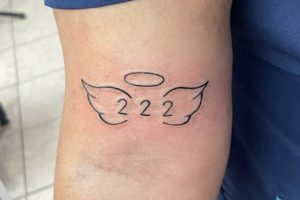



Numeric sequences, often repeating, are sometimes interpreted as having spiritual significance. These sequences, frequently encountered in daily life, are believed by some to offer guidance or represent messages from a higher power. Integrating such sequences into body art allows individuals to carry this perceived meaning with them constantly. For example, the sequence “444” is often associated with stability and support.
The practice of ascribing meaning to numerical patterns has roots in various spiritual and numerological traditions. Representing these patterns through permanent body art can serve as a personal reminder of one’s beliefs, offering comfort, inspiration, or a connection to something greater than oneself. This permanent representation can also be a visual expression of personal values and aspirations.
Exploring this form of symbolic expression involves considerations of design, placement, and the specific numerical sequence chosen. Each element contributes to the overall meaning and aesthetic of the final piece.
1. Number Symbolism

The core of angel number tattoos lies in the attributed meaning of specific number sequences. Understanding these symbolic associations is crucial for creating a tattoo that resonates with the individual’s intended message. This symbolic layer adds depth and personal significance beyond mere aesthetics.
- Individual Number Meanings
Each digit (0-9) carries its own symbolic weight. For example, 1 often represents new beginnings and independence, while 7 is associated with spiritual awakening and introspection. These individual meanings form the foundation for interpreting multi-digit sequences. Selecting numbers based on these established meanings allows for a personalized and nuanced representation in a tattoo.
- Repeating Sequences
The repetition of digits amplifies their inherent meaning. Seeing “111” might be interpreted as a heightened emphasis on new beginnings or a particularly potent moment for manifestation. This repetition adds a layer of urgency or significance, making these sequences popular choices for tattoos intended to serve as constant reminders.
- Cultural Variations
While some number associations are widespread, cultural context can influence interpretations. Certain numbers may hold specific meanings within particular spiritual traditions or belief systems. Researching these variations ensures the chosen sequence aligns with the intended message and avoids unintended interpretations.
- Personal Resonance
Beyond established meanings, individuals may have personal associations with specific numbers. Perhaps a significant life event occurred on a particular date, or a number holds sentimental value for other reasons. Incorporating these personal connections adds another layer of meaning, making the tattoo even more unique and resonant.
Ultimately, the chosen number sequence provides the foundation for the entire tattoo’s meaning. Careful consideration of individual digit meanings, the impact of repetition, cultural nuances, and personal associations ensures the final piece carries the intended message and resonates deeply with the individual. This understanding transforms a simple numerical sequence into a powerful symbol imbued with personal significance.
2. Placement Discretion

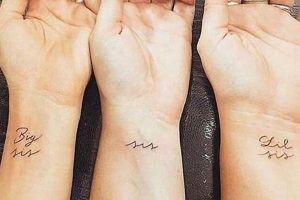
Placement discretion plays a vital role in the effectiveness and personal significance of angel number tattoos. The chosen location on the body affects visibility, subtly, and how the tattoo interacts with the individual’s form. A small, delicate sequence on the inner wrist carries a different impact than a larger design across the back. The former offers a private reminder, readily visible only to the wearer, while the latter makes a bolder statement. Choosing a location that aligns with the intended message and the individual’s comfort level with visibility is paramount.
Consider the anatomical contours of the body. A flowing script might complement the curve of a bicep or collarbone, while a more geometric design could suit a flatter area like the forearm or chest. Placement can also be imbued with symbolic meaning. A tattoo near the heart might represent a deeply held belief, while one on the wrist could symbolize action and manifestation. These considerations elevate the tattoo beyond mere aesthetics, transforming it into a meaningful expression integrated with the individual’s physical form.
Practical considerations also influence placement decisions. Certain professions may require tattoos to be easily concealed. Areas exposed to frequent sun exposure may experience faster ink fading. Pain tolerance also varies across different body parts. Careful consideration of these practicalities ensures the tattoo remains aesthetically pleasing and meaningful over time. Ultimately, thoughtful placement enhances the personal and symbolic resonance of an angel number tattoo, ensuring it remains a powerful and relevant expression of personal belief.
3. Font Selection

Typography plays a crucial role in the overall aesthetic and symbolic impact of angel number tattoos. Font choice contributes significantly to the visual representation of numerical sequences, influencing legibility, style, and overall design cohesion. Selecting a font that aligns with the intended message and personal aesthetic is essential for creating a tattoo that resonates on multiple levels.
- Readability and Clarity
While ornate fonts may appear visually appealing, prioritizing legibility ensures the numerical sequence remains easily discernible. Intricate designs or excessively stylized fonts can become difficult to read, especially as the tattoo ages and the ink potentially spreads. Simple, clean fonts often provide the best long-term readability, ensuring the intended message remains clear.
- Style and Aesthetics
Font styles range from classic serif and sans-serif options to more elaborate script or decorative typefaces. Each style evokes a different mood and aesthetic. A minimalist, sans-serif font might convey a sense of modernity and simplicity, while a flowing script can add a touch of elegance or romance. Matching the font style to the overall design and the individual’s personal aesthetic contributes to a cohesive and visually appealing tattoo.
- Symbolic Associations
Certain fonts carry cultural or historical associations. A gothic typeface might evoke a sense of mystery or spirituality, while a typewriter font could convey a vintage or industrial aesthetic. Considering these symbolic undertones can add depth and nuance to the tattoo’s message. Choosing a font that complements the symbolism of the numerical sequence itself enhances the overall meaning and impact.
- Proportion and Scale
The chosen font should be scaled appropriately for the desired tattoo size and placement. A delicate script might be suitable for a small tattoo on the wrist, while a bolder font might be necessary for a larger design on the back. The font’s weight and size should complement the surrounding design elements, creating a balanced and visually harmonious composition. Proportion and scale contribute significantly to the tattoo’s overall aesthetic and legibility.
Ultimately, font selection acts as a powerful tool for conveying meaning and enhancing the visual impact of angel number tattoos. Balancing readability, style, symbolic associations, and scale ensures the chosen font effectively communicates the intended message and complements the individual’s personal aesthetic. Careful consideration of these typographic elements elevates the tattoo from a simple numerical sequence to a personalized and visually compelling piece of art.
4. Incorporating Design

Integrating design elements with numerical sequences significantly enhances the aesthetic appeal and symbolic depth of angel number tattoos. Design elements provide a visual context for the numbers, transforming them from simple digits into a cohesive and personalized piece of art. The incorporation of related symbols amplifies the intended message, creating a richer narrative within the tattoo.
Several design elements can complement angel number tattoos. Wings, halos, and feathers often accompany angel numbers, reinforcing their celestial association. Geometric patterns, mandalas, or floral motifs can add visual complexity and create a balanced composition. Incorporating elements relevant to the number’s meaning further personalizes the tattoo. For example, a tattoo featuring the number 8, often associated with infinity, could be intertwined with an infinity symbol or a Mbius strip. Similarly, the number 4, associated with stability, might be incorporated into a square or a four-pointed star. These design choices enhance the tattoo’s narrative and create a visually compelling representation of the chosen number’s significance. A skilled tattoo artist can provide guidance on selecting and integrating appropriate design elements that harmonize with the numerical sequence and the individual’s personal aesthetic.
The interplay between design and numerical significance creates a powerful synergy, elevating the tattoo beyond a mere inscription. Visual elements amplify the intended message, adding depth and complexity to the overall design. This fusion of symbolism and aesthetics transforms the tattoo into a personalized and meaningful piece of art, reflecting the individual’s beliefs and aspirations. Choosing design elements that resonate with both the numerical sequence and personal preferences ensures a cohesive and impactful final result.
5. Size Considerations
Scale significantly impacts the visual presentation and long-term clarity of angel number tattoos. Size choices should complement the chosen numerical sequence, design elements, and placement on the body. A small, intricate design might be lost on a larger area like the back, while a large, bold font could overwhelm a delicate area like the inner wrist. Careful consideration of size ensures the tattoo remains legible and aesthetically pleasing over time.
Smaller tattoos offer subtlety and discretion, often chosen for personal affirmations or hidden meanings. They are ideal for shorter numerical sequences or minimalist designs. Larger tattoos allow for greater detail and complexity, accommodating longer sequences, intricate design elements, and more elaborate fonts. Placement also influences size considerations. A tattoo intended for the wrist necessitates a smaller scale than one designed for the chest or back. The chosen size should harmonize with both the design’s complexity and the placement’s anatomical contours.
Practical implications of size extend beyond immediate aesthetics. Smaller tattoos generally heal faster and require less touch-up work. Larger tattoos, however, offer greater visibility for bolder statements of personal belief or spiritual significance. The longevity of a tattoo’s clarity also depends on size. Fine details in smaller tattoos can blur over time as ink naturally spreads beneath the skin. Larger designs, with bolder lines and more spacing between elements, tend to maintain clarity longer. Balancing aesthetic preferences with practical considerations ensures the tattoo remains a meaningful and visually appealing expression for years to come. Considering these elements allows individuals to select a size that effectively communicates the intended message and complements the chosen design and placement.
6. Artist Consultation

Collaboration with a skilled tattoo artist is crucial for translating the concept of angel number tattoos into a successful and meaningful piece of body art. A thorough consultation bridges the gap between personal vision and technical execution, ensuring the final tattoo aligns with the individual’s intentions and aesthetic preferences. This collaborative process enhances the likelihood of a positive outcome, combining artistic expertise with the individual’s unique vision.
- Design Refinement
Artists provide valuable input on design elements, suggesting refinements that enhance visual impact and symbolic representation. They can recommend appropriate fonts, incorporate complementary imagery, and optimize placement based on the body’s contours. This collaborative refinement process ensures the final design is both aesthetically pleasing and symbolically resonant.
- Technical Expertise
Experienced tattoo artists possess technical skills essential for precise execution. They understand ink behavior, skin types, and appropriate needle sizes, ensuring clean lines, vibrant colors, and long-term clarity. This technical expertise is fundamental to the tattoo’s longevity and visual appeal, guaranteeing a professional and high-quality result.
- Personalized Guidance
Consultations offer personalized guidance tailored to individual needs and preferences. Artists can advise on size, placement, and design choices, considering factors like pain tolerance, lifestyle, and desired level of visibility. This personalized approach ensures the tattoo aligns with the individual’s comfort level and personal aesthetic.
- Hygiene and Safety
Reputable tattoo artists prioritize hygiene and safety, adhering to strict sterilization protocols and using high-quality materials. This focus on safety minimizes risks associated with the tattooing process, safeguarding the individual’s health and well-being. A clean and sterile environment is paramount for a positive tattooing experience.
Ultimately, artist consultation elevates the process of creating an angel number tattoo. By combining personal vision with professional expertise, individuals ensure a final result that is both aesthetically satisfying and deeply meaningful. This collaborative process fosters a positive and informed tattooing experience, resulting in a piece of body art that resonates with personal beliefs and aspirations for years to come. The consultation transforms a simple idea into a powerful and enduring symbol.
Tips for Angel Number Tattoos
Successful execution of symbolic tattoos requires careful planning and consideration. The following tips provide guidance for creating meaningful and aesthetically pleasing angel number tattoos.
Tip 1: Research Thoroughly
Comprehensive research on number symbolism is crucial. Varied interpretations exist across different spiritual traditions. Ensure the chosen sequence aligns with intended meaning. Understanding the symbolism prevents misinterpretations and ensures the tattoo resonates with personal beliefs.
Tip 2: Visualize Placement
Consider how the tattoo will interact with the body’s natural contours. Visualize the placement in different poses and clothing styles. This pre-emptive visualization ensures the tattoo complements the body’s form and remains aesthetically pleasing regardless of movement or attire.
Tip 3: Explore Font Options
Experiment with various fonts to find one that complements the chosen numbers and overall design. Consider legibility, style, and symbolic associations. Browse tattoo artists’ portfolios for inspiration and examples. Font choice significantly impacts the tattoo’s visual appeal and long-term clarity.
Tip 4: Plan for Design Cohesion
Design elements should enhance, not overwhelm, the numerical sequence. Strive for a balanced composition where imagery complements the numbers’ symbolism. Avoid excessive clutter that could detract from the tattoo’s core message. Cohesive design ensures the final piece remains visually appealing and symbolically resonant.
Tip 5: Size Matters
Scale the tattoo appropriately for chosen placement and design complexity. Smaller tattoos offer subtlety, while larger ones allow for greater detail. Consider long-term legibility and how the tattoo will age. Size choices impact both aesthetics and the clarity of the numerical sequence over time.
Tip 6: Consult Multiple Artists
Seek consultations with multiple artists to compare styles, expertise, and hygiene practices. Review portfolios to assess artistic skill and suitability for desired aesthetic. Multiple consultations provide a broader perspective and facilitate informed decision-making.
Tip 7: Prioritize Aftercare
Diligent aftercare is essential for preserving the tattoo’s vibrancy and longevity. Follow the artist’s instructions meticulously. Proper aftercare protects the investment and ensures the tattoo heals correctly, maintaining its aesthetic appeal for years to come.
Following these tips ensures a well-executed and meaningful tattoo that resonates with personal beliefs and aesthetic preferences. Careful planning and thoughtful consideration of each element contribute to a successful and enduring piece of body art.
These preparatory steps lead to a fulfilling tattoo experience, resulting in a piece of body art that holds lasting significance.
Frequently Asked Questions
Addressing common queries regarding numerically inspired tattoos provides clarity and facilitates informed decisions. The following addresses key concerns and potential misconceptions.
Question 1: Do these tattoos hold inherent spiritual power?
The power attributed to such tattoos is subjective, derived from personal belief and interpretation rather than any inherent property of the ink or design itself. The meaning resides in the individual’s connection to the chosen numerical sequence.
Question 2: Are there specific sequences to avoid?
Sequence selection should be guided by personal resonance and intended meaning. Researching diverse interpretations within different belief systems is crucial to avoid unintended negative connotations. While no universally “bad” sequences exist, individual cultural or personal beliefs may influence choices.
Question 3: Does placement affect symbolic interpretation?
While placement primarily affects visibility and aesthetics, some individuals imbue specific body locations with symbolic meaning. Placement choices are largely driven by personal preference and practical considerations. The significance of placement remains subjective.
Question 4: How does one choose an appropriate font?
Font selection should balance legibility with aesthetic appeal. Consider the overall design, tattoo size, and personal preferences. Consulting with a tattoo artist provides expert guidance on font choices that complement the numerical sequence and desired aesthetic.
Question 5: What factors influence the cost?
Cost typically depends on size, complexity, artist experience, and studio location. Larger, more intricate designs require more time and skill, thus increasing cost. Obtaining quotes from multiple artists allows for comparison and informed budget planning.
Question 6: Can these tattoos be removed or altered?
Tattoo removal is possible, but typically involves multiple laser sessions and can be costly and time-consuming. Slight alterations or additions might be feasible, depending on the original design and the desired changes. Consulting with a tattoo artist regarding removal or alteration options provides realistic expectations.
Thorough research, consultation with reputable artists, and careful consideration of personal preferences ensure a positive and meaningful experience. Informed decision-making contributes to a lasting piece of body art that resonates with individual beliefs and aesthetic sensibilities.
Further exploration of related topics, such as numerology, symbolic representation in art, and tattoo aftercare, can enrich understanding and enhance appreciation for this expressive art form.
Angel Number Tattoo Ideas
Exploring the realm of angel number tattoo ideas reveals a complex interplay of symbolism, aesthetics, and personal expression. Careful consideration of numerical significance, placement, font selection, design integration, and size ensures a cohesive and meaningful final result. Collaboration with a skilled tattoo artist bridges the gap between concept and execution, transforming abstract ideas into tangible works of art. Addressing practical concerns, such as cost and aftercare, safeguards both the aesthetic integrity and longevity of the tattoo.
Ultimately, angel number tattoos offer a powerful medium for externalizing internal beliefs and aspirations. These permanent markings serve as constant reminders of personal values, spiritual connections, or significant life events. The enduring nature of tattoos underscores the importance of thoughtful planning and informed decision-making, ensuring a piece of body art that resonates with individual meaning and aesthetic sensibilities for years to come. This form of symbolic expression continues to evolve, reflecting the dynamic relationship between personal beliefs and artistic representation.