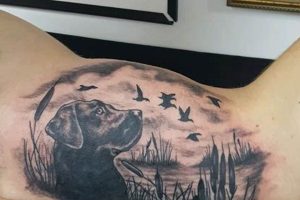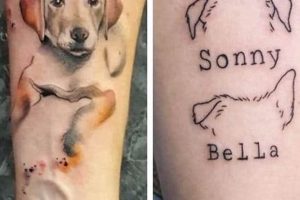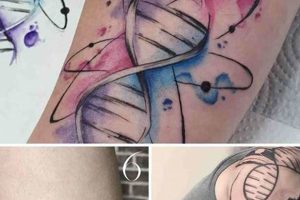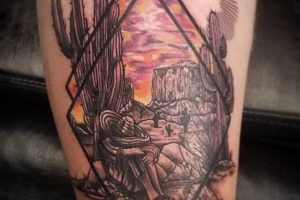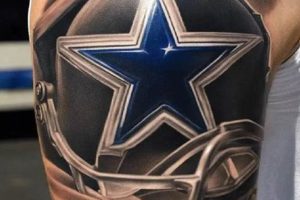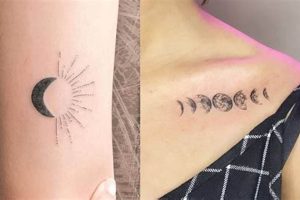



Tattoos designed to evoke fear, unease, or a sense of the macabre represent a specific niche within the broader art of tattooing. These designs often draw inspiration from horror literature and film, folklore, the gothic aesthetic, and the natural world’s more unsettling aspects. Examples include depictions of monstrous creatures, skeletal figures, unsettling imagery, and scenes of violence or decay. The stylistic range for such tattoos can vary widely, from highly detailed realism to minimalist linework and abstract representations.
The appeal of unsettling body art lies in its ability to express individuality, embrace darker themes, and challenge conventional aesthetics. Historically, tattoos have served as markers of cultural affiliation, spiritual beliefs, and personal narratives. Within this context, images intended to provoke fear can represent an individual’s fascination with the unknown, a celebration of the grotesque, or a confrontation of mortality. They can also serve as powerful symbols of personal strength, resilience, or a memento mori. Such designs can be deeply meaningful for the wearer, representing personal struggles, triumphs, or a unique perspective on the world.
Further exploration of this topic will encompass specific design motifs, artistic styles, and the cultural significance associated with frightening imagery in body art. Considerations for placement, color palettes, and responsible tattoo practices will also be addressed.
1. Imagery

The effectiveness of a frightening tattoo hinges significantly on the chosen imagery. Selecting impactful visuals is crucial for conveying the desired unsettling effect and creating a resonant piece of body art. The following facets illustrate the diverse range of imagery employed in scary tattoos and their respective impacts.
- Monstrous Creatures
Depictions of creatures from mythology, folklore, or horror fiction, such as vampires, werewolves, zombies, or demons, frequently appear in scary tattoos. These figures tap into primal fears and cultural narratives surrounding the monstrous and the unknown. The specific creature chosen can hold personal significance, reflecting the wearer’s individual interests or anxieties. A snarling werewolf, for example, might represent suppressed rage or a connection to the wild.
- Macabre and Grotesque Elements
Imagery of skulls, skeletons, decaying flesh, or anatomical depictions can create a visceral sense of unease. These visuals often symbolize mortality, the fragility of life, or a fascination with the darker aspects of existence. A realistic skull tattoo, perhaps adorned with decaying flowers, can serve as a memento mori, a reminder of the inevitability of death.
- Horror Film Icons
Characters and scenes from iconic horror films provide a readily recognizable and effective source of frightening imagery. These tattoos can represent a homage to the genre, an appreciation for specific films, or an embodiment of the psychological themes explored in these narratives. A portrait of Freddy Krueger, for instance, might reflect a fascination with the nature of nightmares and the power of the subconscious.
- Surreal and Abstract Designs
Abstract or surreal imagery can evoke a sense of unease through unsettling juxtapositions, distorted figures, and dreamlike landscapes. These designs often tap into deeper psychological fears and anxieties, relying on symbolism and interpretation rather than explicit depictions of horror. A swirling vortex of eyes, for example, can suggest paranoia and a sense of being watched.
Ultimately, the chosen imagery contributes significantly to the overall impact of a scary tattoo. By carefully considering the visual elements and their associated symbolism, individuals can create tattoos that effectively convey their intended message and resonate with their personal narratives.
2. Placement

Strategic placement amplifies the impact of frightening tattoos. Consideration of body location significantly influences the design’s visibility, its interaction with the body’s natural contours, and the overall message conveyed. Placement can heighten the unsettling effect, creating a more immersive and disturbing experience for both the wearer and the observer.
- Natural Contours
Utilizing the body’s natural curves and shapes can enhance a scary tattoo’s visual impact. A serpentine design winding around a forearm or a clawed hand gripping a shoulder blade can create an illusion of movement and depth, intensifying the unsettling effect. Placement that complements the body’s form contributes to a more cohesive and visually striking tattoo.
- Visibility and Concealment
The choice of placement determines how readily visible the tattoo is. Highly visible locations, such as the hands, neck, or face, maximize the tattoo’s impact, making a bold statement. Conversely, less visible placements, like the back or ribs, allow for more personal and intimate expressions of unsettling themes, offering a sense of mystery and revelation. This interplay between visibility and concealment adds another layer of complexity to the design’s impact.
- Size and Scale
The size of a scary tattoo often dictates its ideal placement. Larger, more detailed designs might require a larger canvas, such as the back or chest, to fully realize their impact. Smaller, more minimalist designs can be effectively placed on areas like the wrist, ankle, or behind the ear. Careful consideration of size and scale ensures the design’s clarity and impact, preventing it from appearing cramped or overwhelming.
- Movement and Interaction
Placement can also utilize the body’s movement to enhance the tattoo’s effect. A design placed on a joint, such as the elbow or knee, can appear to shift and distort with the body’s movement, creating a more dynamic and unsettling image. Similarly, a tattoo placed near muscles can appear to flex and ripple, adding another dimension to the frightening imagery.
The interplay between imagery and placement contributes significantly to the effectiveness of a scary tattoo. A thoughtfully chosen location can transform a simple design into a powerful statement, amplifying its unsettling nature and creating a lasting impact.
3. Style
The stylistic execution of a frightening tattoo dramatically impacts its overall effect. Different artistic styles evoke distinct emotional responses and contribute to the tattoo’s narrative. Understanding these stylistic nuances is crucial for achieving the desired level of fear and creating a visually compelling piece.
Realism, often employed for depictions of monsters or portraits, prioritizes detail and accuracy, aiming to create a lifelike representation. This style can heighten the unsettling effect by blurring the lines between reality and depiction. A hyperrealistic rendering of a decaying zombie, for example, can evoke a visceral sense of disgust and fear due to its lifelike portrayal. Conversely, illustrative styles, characterized by bold lines and exaggerated features, can create a more stylized and graphic representation of horror. Think of an illustrative depiction of a skeletal figure, where bold lines emphasize the starkness of bone and the macabre nature of death. This style leans into the symbolic representation of fear, often drawing inspiration from comic books, graphic novels, and traditional tattoo art. Abstract styles, utilizing distorted figures and surreal imagery, tap into psychological unease. An abstract representation of a screaming face, for example, can evoke a sense of existential dread and psychological torment without relying on explicit depictions of gore or violence.
Choosing the right style is essential for aligning the tattoo’s aesthetic with the intended emotional impact. While realism aims for visceral reactions through lifelike depictions, illustrative styles leverage symbolic representation for a more graphic and stylized approach. Abstract styles delve into psychological unease through distortion and surrealism. The choice of style ultimately shapes how the scary tattoo resonates with the observer and conveys its intended message of fear and unease.
4. Symbolism

Symbolism plays a crucial role in imbuing frightening tattoos with deeper meaning and personal significance. While the visual impact of a scary tattoo can be immediately unsettling, the underlying symbolism adds layers of interpretation and connects the imagery to broader cultural narratives, personal experiences, or psychological concepts. Understanding the symbolism embedded within these designs provides insight into the wearer’s motivations and the intended message.
Consider a raven tattoo. Beyond its visual representation as a dark and ominous bird, the raven carries rich symbolic weight. In many cultures, it is associated with death, prophecy, and the afterlife. As a tattoo, a raven might symbolize the wearer’s acceptance of mortality, their fascination with the unknown, or a connection to a darker spiritual realm. Similarly, a serpent tattoo can represent a multitude of concepts. While often associated with danger and temptation, the serpent can also symbolize transformation, healing, and knowledge, drawing upon its shedding of skin and its association with ancient wisdom. Therefore, a serpent tattoo might represent the wearer’s ability to overcome adversity, their pursuit of knowledge, or their embrace of primal instincts. These examples demonstrate how seemingly simple imagery can hold profound symbolic meaning, enriching the narrative of the tattoo and connecting it to deeper personal or cultural themes.
Effective use of symbolism elevates frightening tattoos beyond mere aesthetic displays of fear. Symbolism provides a framework for understanding the complex relationship between imagery, personal narrative, and cultural context. By incorporating symbolic elements, individuals can create tattoos that resonate on a deeper level, conveying complex ideas, beliefs, or experiences through a visually striking and unsettling medium. This understanding of symbolism allows for a more nuanced appreciation of frightening tattoos, recognizing their potential for profound personal expression and cultural commentary.
5. Artist Skill

A skilled tattoo artist is essential for realizing the full potential of frightening tattoo designs. The technical expertise and artistic vision of the artist directly impact the effectiveness of the tattoo in evoking fear, unease, or a sense of the macabre. Several key aspects of artist skill contribute significantly to the success of these designs. Precision in linework, shading, and color application is crucial for creating realistic and impactful imagery. For instance, a poorly executed portrait of a monstrous figure can appear comical rather than terrifying, diminishing the intended effect. A skilled artist understands how to use fine lines to create detail, shading to build depth and dimension, and color to enhance mood and atmosphere. Furthermore, the artist’s ability to capture the essence of the chosen subject matter, whether it’s a grotesque creature or an unsettling scene, is paramount. This requires not only technical proficiency but also an understanding of the psychological and emotional impact of the imagery.
The interplay between technical skill and artistic vision allows a skilled artist to transform a concept into a compelling piece of body art. Consider the challenge of creating a realistic depiction of decaying flesh. An experienced artist will understand how to use color and shading to create the illusion of texture and depth, capturing the unsettling details of decomposition while maintaining a cohesive and aesthetically pleasing composition. Conversely, a less experienced artist might struggle to achieve this level of realism, resulting in a tattoo that lacks impact or appears amateurish. The artist’s ability to interpret the client’s vision and translate it into a technically sound and visually striking tattoo is crucial for achieving the desired outcome. This collaborative process ensures that the final product not only meets the client’s expectations but also showcases the artist’s unique skills and artistic sensibilities.
Ultimately, the success of a frightening tattoo relies heavily on the artist’s skill. Technical proficiency, artistic vision, and the ability to understand and interpret the client’s desires are essential for creating a tattoo that effectively evokes the intended emotional response. Choosing a skilled and experienced artist ensures that the unsettling imagery is rendered with precision and impact, transforming a concept into a powerful and lasting piece of body art that resonates with the wearer’s vision and embraces the darker aesthetics of tattooing.
Tips for Choosing Scary Tattoo Designs
Careful consideration is crucial when selecting a design for a frightening tattoo. These permanent additions to the body should resonate with personal aesthetics and narratives while adhering to responsible tattoo practices.
Tip 1: Research Thoroughly
Explore various artists, styles, and imagery. Consider the historical and cultural context of potential designs to ensure informed choices. A deep dive into the rich history of memento mori imagery, for instance, can inspire unique and meaningful tattoo concepts.
Tip 2: Prioritize Artist Skill
Selecting a skilled artist specializing in the desired style is paramount. Examine portfolios, seek recommendations, and consult with potential artists to ensure their expertise aligns with the project’s vision. A technically proficient artist can transform a simple concept into a breathtaking piece.
Tip 3: Reflect on Personal Meaning
A frightening tattoo should resonate with personal narratives, beliefs, or experiences. Consider the symbolism embedded within the imagery and how it reflects individual values or struggles. A phoenix engulfed in flames, for example, could symbolize overcoming adversity.
Tip 4: Plan Placement Carefully
Tattoo placement impacts visibility, interaction with body contours, and overall effect. Consider how the chosen design will interact with the body’s natural lines and how its visibility aligns with personal preferences. A spider tattoo crawling up the neck carries a different impact than one hidden on the back.
Tip 5: Consider Long-Term Impact
Tattoos are permanent. Reflect on the chosen design’s long-term implications, considering potential changes in personal aesthetics or societal perceptions. A highly visible and controversial design might limit future professional opportunities.
Tip 6: Prioritize Aftercare
Proper aftercare is essential for preserving the tattoo’s integrity and preventing complications. Follow the artist’s instructions diligently to ensure proper healing and longevity of the design. Neglecting aftercare can lead to infections or fading, compromising the tattoo’s visual impact.
Careful planning and execution are essential for achieving impactful and meaningful results. These tips offer a framework for navigating the process responsibly and ensuring the chosen tattoo reflects individual preferences and narratives while adhering to best practices within the art form.
Following these guidelines will help ensure a successful and meaningful tattoo experience. The subsequent conclusion will summarize key takeaways and offer final thoughts on embracing the unsettling beauty of frightening tattoos.
Frequently Asked Questions about Scary Tattoos
This section addresses common inquiries regarding tattoos designed to evoke fear or unease, offering clarity and guidance for those considering such body art.
Question 1: Do scary tattoos always have negative connotations?
While often associated with darker themes, frightening tattoos can hold positive meanings for the wearer, symbolizing resilience, overcoming challenges, or embracing unconventional aesthetics. The interpretation is ultimately subjective and personal.
Question 2: How does one choose appropriate imagery for a scary tattoo?
Imagery selection should align with personal narratives and aesthetic preferences. Researching symbolic meanings and exploring various artistic styles can aid in selecting imagery that resonates deeply and conveys the intended message effectively.
Question 3: What are the key considerations for placement of a scary tattoo?
Placement depends on desired visibility, the tattoo’s size and shape, and how it interacts with the body’s contours. Highly visible placements make bold statements, while concealed locations offer intimacy. The placement should complement the design and enhance its unsettling effect.
Question 4: How does artistic style influence the impact of a scary tattoo?
Style significantly impacts the overall aesthetic and emotional response. Realism emphasizes detail and lifelike representation, while illustrative and abstract styles offer stylized or symbolic interpretations of fear. The chosen style should align with the intended message and personal preferences.
Question 5: Are there cultural sensitivities to consider when choosing a scary tattoo?
Certain images may carry specific cultural or religious connotations. Researching the chosen imagery’s cultural context is crucial to avoid unintentional misinterpretations or offense. Respectful consideration of cultural sensitivities is essential.
Question 6: What are the potential long-term implications of getting a scary tattoo?
Tattoos are permanent. One should consider potential changes in personal aesthetics, societal perceptions, and professional implications. Visible and potentially controversial designs might affect future career prospects or social interactions.
Careful consideration of these frequently asked questions ensures informed decisions and responsible practices within the realm of frightening body art. Thorough research, personal reflection, and open communication with a skilled artist are crucial for achieving a meaningful and impactful result.
The following conclusion summarizes the key considerations for embracing the unsettling beauty of scary tattoos and offers final thoughts on responsible practices within this unique art form.
Conclusion
Exploration of frightening tattoo designs reveals a complex interplay of imagery, symbolism, artistic style, and placement. Effective execution relies on careful consideration of these elements, ensuring the tattoo resonates with personal narratives while adhering to responsible artistic practices. From monstrous creatures to macabre symbolism, these designs offer a powerful medium for expressing individuality and confronting darker themes. The choice of style, ranging from stark realism to evocative abstraction, further shapes the tattoo’s impact and its ability to evoke fear, unease, or a sense of the macabre. Ultimately, the success of a frightening tattoo hinges on the artist’s skill and the wearer’s thoughtful consideration of the design’s long-term implications.
Tattoos designed to unsettle and disturb represent a unique form of self-expression and artistic exploration. These designs offer a powerful canvas for confronting mortality, celebrating the grotesque, and challenging conventional aesthetics. By understanding the historical context, symbolic meanings, and technical considerations associated with frightening imagery, individuals can make informed decisions and embrace the unsettling beauty of these powerful and evocative forms of body art. The enduring fascination with the macabre within tattooing underscores the human capacity to find beauty in darkness and meaning in the unsettling aspects of existence.