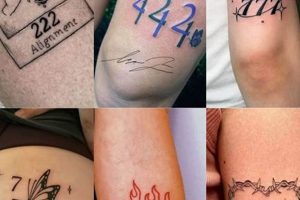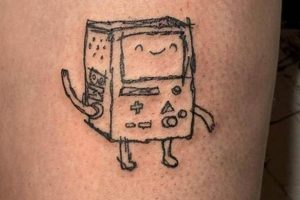



Tattoos conveying impactful messages through aggressive imagery, provocative symbolism, or assertive text are increasingly popular. Examples include depictions of predatory animals, weaponry, skulls, or phrases expressing strength, resilience, or defiance.
Such designs can serve as powerful forms of self-expression, reflecting personal experiences, beliefs, or simply an appreciation for striking aesthetics. Historically, tattoos bearing aggressive or intimidating designs served purposes ranging from tribal identification and intimidation to spiritual protection and declarations of status within a group. Today, these designs continue to resonate with individuals seeking to project an image of strength, independence, or to commemorate significant life events.
This article will explore various impactful tattoo designs, delving into the symbolism behind popular motifs and exploring the cultural and historical contexts that inform their significance. It will also provide practical advice for those considering such a tattoo, addressing topics like placement, artistic style, and responsible aftercare.
1. Symbolism

Symbolism forms the foundation of impactful tattoo designs, imbuing them with depth and personal significance. The chosen imagery acts as a visual language, communicating complex ideas, experiences, or values. A serpent, for instance, can symbolize transformation and rebirth, while a raven might represent mystery and wisdom. The effectiveness of a design hinges on the clarity and resonance of its symbolic elements. Consider a tattoo featuring a compass: it might represent guidance, a sense of direction, or a commitment to a particular journey. The specific meaning becomes personal to the individual, shaping the narrative their tattoo tells. Careful consideration of symbolism ensures the design communicates the intended message effectively.
Several factors influence symbolic interpretation. Cultural context plays a significant role; a particular symbol might hold different meanings across various cultures. Individual experiences further personalize the symbolism. A lion, traditionally representing courage and strength, could hold a deeper, more nuanced meaning for someone who has overcome significant personal challenges. Practical applications of this understanding include researching symbolic meanings before committing to a design. Consulting with experienced tattoo artists who understand symbolism’s complexities can also ensure a well-informed and meaningful outcome.
Understanding the power of symbolism unlocks the potential of impactful tattoo designs. By carefully selecting images and motifs that resonate with personal narratives, individuals can create powerful, enduring forms of self-expression. The interplay between personal meaning and broader cultural interpretations adds layers of complexity and richness, transforming a simple image into a potent statement. This careful consideration of symbolism is what elevates a design from mere decoration to a truly meaningful piece of art.
2. Placement

Placement is a critical factor in impactful tattoo design. It influences not only the design’s visibility but also how it interacts with the body’s natural contours, impacting overall aesthetic and symbolic resonance. Strategic placement can enhance the design’s message, while poorly chosen placement can diminish its impact.
- Visibility and Discretion
Visibility plays a significant role in how a tattoo is perceived. Highly visible placements, such as the hands or neck, project a bold statement, while more discreet locations, like the back or ribs, offer an element of privacy. This consideration becomes particularly relevant for designs intended to convey strong messages. A visible, aggressive design communicates confidence and openness, while a more hidden design might hold deeper personal significance.
- Body Contours and Flow
The human body’s natural curves and lines offer a dynamic canvas for tattoo designs. Skillful placement considers these contours, allowing the design to flow seamlessly with the body’s form. A design intended to convey power, for example, might be strategically placed along a muscle group to emphasize its form and create a sense of movement. This harmonious integration enhances both the aesthetic and symbolic impact of the tattoo.
- Size and Scale
Placement directly influences the perceived size and scale of a tattoo. Larger designs require ample space and are often placed on areas like the back, chest, or thighs. Smaller, more intricate designs might be better suited for wrists, ankles, or behind the ear. The size and placement should complement each other, ensuring the design’s details are clear and its message is effectively conveyed. A large, detailed design on a small area might appear cluttered, while a small, simple design on a large area could seem lost.
- Practical Considerations
Practical considerations, such as sun exposure and potential friction from clothing, also influence placement decisions. Areas frequently exposed to the sun might require more frequent touch-ups to maintain vibrancy. Areas that experience friction from clothing might be more susceptible to fading or irritation during the healing process. These practical aspects are essential for preserving the tattoo’s longevity and minimizing potential discomfort.
Considering these placement factors contributes significantly to the overall impact of a tattoo. Careful consideration of visibility, body contours, size, and practical aspects ensures that the design not only looks visually appealing but also effectively communicates its intended message, enhancing its personal and symbolic significance.
3. Style

Style significantly impacts the effectiveness of impactful tattoo designs. The chosen style dictates the overall aesthetic, influencing how the design’s message is perceived. Different styles evoke distinct emotions and associations, shaping the narrative the tattoo tells. A traditional Japanese style, with its bold lines and vibrant colors, might convey a sense of strength and heritage, while a minimalist, blackwork style could project a sense of mystery and sophistication. The interplay between style and subject matter is crucial; a realistic portrayal of a snarling wolf, for example, will have a different impact than a stylized, geometric representation of the same animal. The chosen style should amplify the intended meaning, ensuring the design’s message resonates effectively.
Consider the stylistic choices available: realism, traditional, neo-traditional, Japanese, tribal, minimalist, blackwork, and many others. Each style possesses unique characteristics. Realism emphasizes detail and accuracy, creating lifelike depictions. Traditional styles often feature bold outlines and a limited color palette. Neo-traditional builds upon traditional foundations, incorporating modern elements and a broader range of colors. Japanese style emphasizes intricate details, bold lines, and vibrant imagery often rooted in mythology and nature. Tribal styles draw inspiration from indigenous cultures, featuring geometric patterns and symbolic imagery. Minimalist styles prioritize simplicity and clean lines. Blackwork utilizes solely black ink, creating striking contrasts and dramatic imagery. Choosing the right style requires careful consideration of the design’s subject matter, intended message, and personal preferences. A skull rendered in a realistic style might evoke a sense of mortality and decay, while the same skull in a traditional style could symbolize remembrance and respect.
Understanding the impact of style is essential for creating impactful tattoo designs. The chosen style should complement the design’s subject matter, enhancing its message and ensuring it resonates with the individual’s vision. A mismatch between style and subject matter can diminish the design’s impact, creating a disconnect between the intended message and the final result. By carefully considering the stylistic options and their respective characteristics, individuals can ensure their tattoo effectively communicates its intended meaning and becomes a powerful form of self-expression.
4. Artist Skill

Artist skill is paramount in executing impactful tattoo designs. The technical proficiency of the artist directly influences the final result, impacting the clarity, precision, and overall aesthetic of the tattoo. A skilled artist possesses a deep understanding of line work, shading, color theory, and composition. These skills are essential for translating a concept into a visually compelling and technically sound piece of body art. A design intended to convey power and aggression, for example, requires an artist capable of rendering dynamic lines, realistic textures, and impactful shading to achieve the desired effect. An unskilled artist might struggle to capture the nuances of the design, resulting in a muddled or inaccurate representation that diminishes the intended impact.
Consider the impact of line work on a tattoo depicting a coiled snake. A skilled artist will use precise, confident lines to create a sense of movement and tension, emphasizing the snake’s muscular form and predatory nature. An unskilled artist might produce lines that are shaky or inconsistent, undermining the design’s impact and diminishing the snake’s menacing presence. Similarly, the application of color and shading requires artistic expertise. A skilled artist understands how to use color to create depth, highlight details, and evoke specific emotions. The skillful use of shading creates the illusion of three-dimensionality, adding realism and visual interest. Examples of this include the subtle gradations of shading used to depict the contours of a skull, or the vibrant color palette employed to create a striking floral design.
Choosing a skilled artist is an investment in the quality and longevity of a tattoo. Technical proficiency ensures the design is executed with precision and artistry, maximizing its visual impact and ensuring the intended message is effectively conveyed. The difference between a skilled and unskilled artist can be significant, affecting not only the aesthetic appeal of the tattoo but also its symbolic resonance. Ultimately, artist skill elevates a tattoo from a simple image on the skin to a powerful and enduring work of art.
5. Cultural Sensitivity

Cultural sensitivity is paramount when considering impactful tattoo designs, particularly those incorporating imagery or symbolism drawn from other cultures. Designs perceived as aggressive or assertive carry an added layer of complexity, making cultural awareness crucial. Misappropriation or misrepresentation of cultural elements can cause offense and perpetuate harmful stereotypes. A design featuring a Native American headdress, for instance, when worn by someone outside that culture, can be seen as disrespectful appropriation of a sacred object. Similarly, using symbols from other cultures without understanding their significance can lead to unintended misinterpretations and cultural insensitivity. This underscores the importance of thorough research and respectful engagement with the cultures from which these designs originate.
Practical applications of cultural sensitivity include researching the origins and meanings of symbols before incorporating them into a design. Engaging in respectful dialogue with members of the culture in question can provide valuable insights and prevent unintentional offense. Consider the example of a tattoo featuring a Maori T moko design. Without understanding the cultural significance and protocols surrounding these traditional markings, applying such a design can be deeply disrespectful. Appropriate cultural engagement ensures that powerful designs are not only aesthetically impactful but also ethically sound. Respectful consideration of cultural context avoids perpetuating harmful stereotypes and demonstrates appreciation for the rich heritage associated with these symbols. This understanding enhances the meaning of the design and strengthens the wearer’s connection to the cultural narrative it represents.
Navigating the complexities of cultural appropriation requires careful consideration of the power dynamics and historical context surrounding cultural imagery. Impactful designs should empower and celebrate cultural heritage rather than perpetuate harmful stereotypes or trivialize sacred traditions. The ethical considerations surrounding cultural appropriation are essential for ensuring that powerful designs resonate with respect and authenticity. This responsible approach fosters cross-cultural understanding and contributes to a more inclusive and appreciative approach to tattoo artistry. Ignoring cultural sensitivity can lead to misinterpretations, perpetuate harmful stereotypes, and ultimately diminish the intended impact of the design.
6. Personal Meaning

The most impactful tattoo designs are those imbued with deep personal meaning. While a design might appear aggressive or assertive to an outside observer, its true significance lies in the individual’s personal narrative. This connection between personal meaning and impactful imagery transforms a tattoo from mere decoration into a powerful expression of identity, experience, or belief.
- Commemoration and Remembrance
Tattoos can serve as powerful reminders of significant life events, relationships, or personal struggles. A snarling bear, for instance, might commemorate overcoming a significant challenge, symbolizing resilience and strength. Memorial tattoos, often featuring names, dates, or portraits, offer a lasting tribute to loved ones. The imagery chosen reflects the individual’s emotional connection to the event or person being commemorated.
- Values and Beliefs
Impactful designs can also represent deeply held values or beliefs. A depiction of a warrior, for instance, might symbolize courage and a commitment to justice. Religious or spiritual symbols can represent faith and provide a source of strength. Abstract designs can represent philosophical concepts or personal mantras. These designs serve as visual reminders of core values, guiding principles, and personal philosophies.
- Transformation and Growth
Tattoos can mark significant personal transformations or periods of growth. A phoenix rising from flames, for example, might symbolize overcoming adversity and embracing new beginnings. Images of serpents shedding their skin can represent renewal and transformation. These designs serve as visual representations of personal journeys, marking milestones and acknowledging the continuous process of growth and change.
- Identity and Self-Expression
Impactful designs offer a powerful means of self-expression, allowing individuals to communicate aspects of their identity that might not be readily apparent. A skull, while often associated with mortality, might represent an individual’s embrace of nonconformity or their fascination with the darker aspects of life. Animal imagery can represent personality traits or spiritual connections. These designs serve as visual declarations of individuality, allowing individuals to project their inner selves outward.
Ultimately, the effectiveness of a “mean” tattoo hinges on its personal resonance. The same design can hold vastly different meanings for different individuals. It is this personal connection that imbues the design with true power and transforms it from a simple image into a deeply meaningful and enduring personal statement. By understanding the individual narratives behind these designs, we gain a deeper appreciation for the complex relationship between personal meaning and impactful imagery.
Tips for Impactful Tattoo Designs
Careful planning ensures impactful tattoo designs resonate with intended meaning and maintain aesthetic integrity. The following tips offer guidance for achieving desired results.
Tip 1: Research Symbolism Thoroughly
Symbolism is fundamental to impactful designs. Thorough research ensures chosen symbols accurately reflect intended meanings. A misunderstanding of symbolic meaning can lead to misinterpretations and regret. Consulting reputable sources and engaging with relevant cultural experts can provide valuable insights.
Tip 2: Prioritize Placement Carefully
Placement impacts visibility, aesthetics, and how the design interacts with body contours. Consider factors like clothing coverage, sun exposure, and the design’s relationship to body shape. Strategic placement enhances both visual impact and symbolic resonance.
Tip 3: Choose a Style that Complements the Design
Style dictates the overall aesthetic. Aligning style with subject matter ensures the design’s message is effectively conveyed. Consider the emotional impact of different stylesrealism, traditional, minimalistand choose one that complements the design’s intended meaning.
Tip 4: Select a Skilled and Reputable Artist
Artist skill is paramount. A skilled artist translates concepts into visually compelling, technically sound tattoos. Research portfolios, seek recommendations, and consult with multiple artists to find the best fit for a specific design and style.
Tip 5: Consider Cultural Sensitivity
Cultural sensitivity is essential, especially with designs incorporating elements from other cultures. Research origins and meanings of symbols to avoid misappropriation and unintentional offense. Engage respectfully with relevant cultural experts when necessary.
Tip 6: Reflect on Personal Meaning
The most impactful designs resonate with personal meaning. Connect the imagery to personal narratives, values, or experiences. This personal connection imbues the design with lasting significance.
Tip 7: Plan for Aftercare
Proper aftercare is crucial for preserving a tattoo’s vibrancy and longevity. Follow artist instructions diligently and protect the tattoo from sun exposure and excessive friction. Proper aftercare maintains the design’s integrity and minimizes potential complications.
By following these tips, individuals can ensure their impactful tattoo designs not only look visually stunning but also hold deep personal significance for years to come. These considerations facilitate a successful and meaningful tattoo experience.
The subsequent conclusion will summarize key takeaways and offer final thoughts on impactful tattoo design.
Frequently Asked Questions about Impactful Tattoo Designs
This section addresses common queries regarding impactful tattoo designs, offering clarity and guidance for those considering such a tattoo.
Question 1: How does one choose appropriate symbolism for an impactful tattoo?
Symbolism should resonate with personal experiences, values, or beliefs. Thorough research and consultation with experienced artists are essential for selecting appropriate and culturally sensitive symbols.
Question 2: What factors influence the ideal placement for an impactful design?
Placement depends on desired visibility, the design’s size and shape, and how it interacts with the body’s contours. Practical considerations, such as sun exposure and clothing friction, should also be taken into account.
Question 3: How does artistic style impact the overall effect of an impactful tattoo?
Style dictates the aesthetic and emotional impact. Realism conveys detail and accuracy, while traditional styles emphasize bold lines and symbolic imagery. The chosen style should complement the design’s subject matter and intended message.
Question 4: Why is selecting a skilled artist crucial for impactful tattoo designs?
A skilled artist possesses the technical expertise to execute complex designs with precision and artistry. Their proficiency in line work, shading, and color application significantly impacts the final result.
Question 5: What are the ethical considerations regarding cultural appropriation in tattooing?
Cultural sensitivity is paramount. Researching the origins and meanings of symbols prevents misappropriation. Engaging respectfully with other cultures ensures designs are ethically sound and avoid perpetuating harmful stereotypes.
Question 6: How does personal meaning enhance the impact of a tattoo design?
Personal meaning imbues a design with lasting significance. Connecting the imagery to personal narratives, experiences, or beliefs transforms the tattoo into a powerful form of self-expression.
Careful consideration of these questions ensures impactful designs are well-planned, aesthetically pleasing, and ethically sound. Ultimately, informed decisions contribute to a more meaningful and satisfying tattoo experience.
The following conclusion provides a summary of key insights and considerations regarding impactful tattoo designs.
Conclusion
Designs intended to convey strength, aggression, or defiance require careful consideration of several key elements. Symbolism, placement, style, artist skill, cultural sensitivity, and personal meaning all contribute to the overall impact and effectiveness of such designs. A thorough understanding of these elements ensures the final result resonates with intended meaning and avoids unintended misinterpretations or cultural insensitivity. Careful planning and collaboration with a skilled artist are essential for achieving a powerful and enduring piece of body art.
Ultimately, the power of impactful tattoo designs lies in their ability to communicate complex narratives, express deeply held values, and commemorate significant life experiences. By thoughtfully considering the symbolic weight, aesthetic impact, and cultural context of these designs, individuals can create powerful, enduring forms of self-expression that resonate with personal meaning and contribute to the rich tapestry of tattoo artistry.