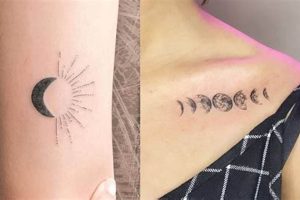



Temporary skin decorations designed for children offer a fun, expressive outlet. These can range from small, simple designs like stars or hearts to more elaborate depictions of favorite characters or animals. Typically applied with water-based inks or specialized adhesive stickers, they are easily removed with soap and water or gentle rubbing. This allows children to explore different aesthetics and express their creativity without the permanence of traditional tattoos.
Such temporary adornments provide a safe and playful way for children to engage with body art. They can foster imagination and self-expression, allowing children to emulate admired figures or embody fantastical characters. Historically, temporary body decoration has served diverse purposes across cultures, from ceremonial markings to playful adornment. In a contemporary context, these ephemeral designs offer a similar avenue for personal expression tailored to a child’s developmental stage.
Further exploration of this topic will cover various application methods, design considerations, and safety precautions associated with temporary skin decorations for children.
1. Safety
Prioritizing safety is paramount when considering temporary skin decorations for children. Potential skin irritations, allergic reactions, and accidental ingestion of materials pose significant risks if precautions are not taken. Choosing products specifically designed for children’s skin, such as those labeled hypoallergenic and non-toxic, mitigates these risks. For example, opting for water-based inks over solvent-based alternatives reduces the likelihood of skin irritation. Similarly, verifying that adhesive stickers are made with non-toxic glues prevents potential harm if accidentally ingested.
Further safeguarding children involves adult supervision during both application and removal. This oversight ensures proper application techniques, minimizing the risk of skin reactions and preventing children from applying decorations to sensitive areas like the eyes or mouth. Supervising removal is equally crucial, as improper methods can cause skin irritation or damage. Educating children about appropriate usage, including avoiding contact with eyes and mouth, instills responsible practices and further reduces potential hazards. For instance, explaining the temporary nature of these decorations discourages children from attempting permanent methods like scratching designs into their skin.
In summary, a comprehensive approach to safety involves selecting appropriate materials, providing adult supervision, and educating children about proper usage. These measures ensure that temporary skin decorations remain a fun and expressive activity without compromising a child’s well-being. Addressing potential hazards proactively allows children to explore their creativity safely and responsibly.
2. Age Appropriateness
Developmental stages significantly influence the suitability of temporary skin decorations. Younger children, particularly toddlers and preschoolers, may find intricate designs overwhelming or frustrating. Simpler motifs, such as basic shapes, single-color images of familiar objects (stars, hearts, animals), or easily recognizable characters, cater to their cognitive and emotional development. These straightforward designs are also easier to apply and remove, reducing potential frustration for both child and caregiver. For example, a three-year-old might enjoy a small, temporary tattoo of a brightly colored butterfly or a single, large star, while a detailed depiction of a superhero might be more appropriate for an older child.
As children mature, their interests and cognitive abilities expand, allowing for more complex designs. Older children and preteens often gravitate towards intricate patterns, detailed depictions of favorite characters, or personalized symbols. Temporary tattoos can then become a medium for expressing individual identity and exploring broader themes, such as fandom, social groups, or abstract concepts. The ability to personalize these decorations, perhaps by incorporating names, initials, or specific colors, further enhances their appeal. An older child might appreciate a temporary tattoo featuring a detailed rendering of a dragon or a personalized design incorporating their favorite sports team’s logo.
Selecting age-appropriate temporary skin decorations ensures a positive and enjoyable experience for children. Recognizing the developmental stages and corresponding interests allows caregivers to provide options that foster creativity and self-expression without causing undue stress or frustration. This consideration underscores the importance of viewing these decorations as a developmental tool, offering children an outlet for creative exploration appropriate to their age and cognitive capabilities.
3. Application Method

The application method significantly impacts the safety, ease of use, and overall aesthetic outcome of temporary skin decorations for children. Choosing an appropriate method depends on the child’s age, the complexity of the design, and the desired level of parental involvement. Several techniques offer varying degrees of control and creative possibilities.
- Stencils
Stencils provide a simple and effective method for applying intricate designs with precision. Pre-cut stencils ensure consistent shapes and prevent smudging. They are particularly useful for applying complex patterns or characters that may be challenging to draw freehand. For example, a stencil can be used to create a detailed outline of a dinosaur or a symmetrical floral pattern. This method offers a high degree of control and allows for consistent results, even for individuals with limited artistic skills.
- Stamps
Stamps offer a quick and easy application method, ideal for younger children or simple designs. Pre-inked stamps require minimal effort and create uniform impressions. They are particularly well-suited for repetitive patterns or single images, such as stars, hearts, or animal paw prints. Stamps allow for quick application across larger areas of skin and minimize the risk of smudging or uneven application, making them a convenient option for creating all-over patterns or multiple identical designs.
- Freehand Drawing
Freehand drawing offers maximum creative freedom, allowing for personalized designs and unique artistic expression. Using specialized skin markers, individuals can create original artwork directly on the skin. This method is best suited for older children or adults assisting younger children. While offering greater creative control, freehand drawing requires more skill and precision than stencils or stamps. It allows for intricate details and personalized touches, making each temporary tattoo a unique piece of art.
- Transfer Tattoos
Transfer tattoos, also known as decal tattoos, provide pre-designed images printed on a thin adhesive sheet. Applying these involves placing the sheet against the skin and dampening the backing paper, transferring the image onto the skin. This method offers a wide variety of readily available designs, from popular characters to intricate patterns. Transfer tattoos are convenient and easy to apply, requiring minimal effort and providing professional-looking results. They are particularly suitable for replicating complex designs or characters that would be challenging to create using other methods.
Each application method presents distinct advantages and limitations. Selecting the most appropriate technique depends on the desired outcome and the individual’s artistic skills and preferences. Considering factors such as the complexity of the design, the child’s age and dexterity, and the availability of materials ensures a successful and enjoyable experience. By understanding the nuances of each method, caregivers can guide children toward creating safe and expressive temporary skin decorations.
4. Removal Process
The ease and safety of removal are critical aspects of temporary skin decorations for children. Because children’s skin is more delicate and susceptible to irritation than adult skin, removal processes must be gentle and non-abrasive. Difficult removal can lead to skin damage, discomfort, and negative associations with the activity. The availability of multiple removal methods allows caregivers to select the most appropriate technique based on the type of temporary tattoo and the child’s skin sensitivity.
Water-based temporary tattoos are typically removed with soap and warm water. Gentle rubbing with a soft cloth or sponge usually suffices. For more resistant decorations, specialized temporary tattoo removal wipes or mild baby oil can be effective. Adhesive-based temporary tattoos can often be peeled off directly. If residue remains, applying baby oil or a gentle adhesive remover can aid in complete removal. Avoiding harsh scrubbing or the use of alcohol-based products is essential to prevent skin irritation. For example, using an alcohol-based hand sanitizer to remove a temporary tattoo could dry out the skin and cause redness or discomfort. Instead, opting for a gentle oil-based remover provides a more comfortable and skin-friendly approach.
Incorporating a simple and effective removal process into temporary skin decoration activities ensures a positive experience for children. Easy removal contributes to the ephemeral nature of these decorations, allowing children to explore different designs and aesthetics without long-term commitment. This understanding encourages responsible use and minimizes potential negative consequences associated with improper removal techniques. The emphasis on gentle removal reinforces the importance of skin health and safety, promoting positive habits for long-term skincare practices.
5. Design Inspiration
Design inspiration plays a crucial role in shaping enjoyable and expressive temporary skin decorations for children. Drawing inspiration from diverse sources allows for personalized designs that reflect individual interests, developmental stages, and creative explorations. The following facets illustrate the breadth of inspiration available for creating unique and engaging temporary tattoos for children.
- Nature
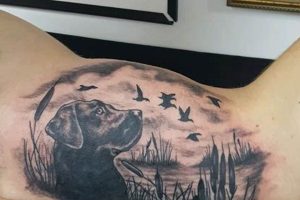
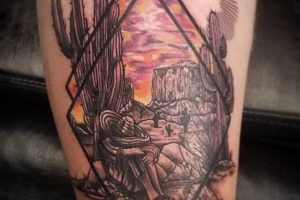
The natural world offers a rich source of inspiration, encompassing a vast array of flora, fauna, and natural phenomena. Images of animals, flowers, trees, celestial bodies, and weather patterns can be translated into captivating temporary tattoo designs. For instance, a butterfly, a sunflower, a crescent moon, or a stylized cloud can become a visually appealing and symbolic skin decoration. These designs can spark conversations about the environment, foster appreciation for nature, and connect children with the world around them.
- Characters
Beloved characters from books, movies, television shows, and video games provide a wealth of inspiration. Depicting favorite heroes, princesses, animals, or fantastical creatures allows children to express their fandom and embody admired figures. A temporary tattoo featuring a popular cartoon character, a superhero emblem, or a beloved storybook animal can become a source of pride and imaginative play. These designs can also facilitate social interaction, as children connect over shared interests and engage in pretend play based on their favorite characters.
- Abstract Patterns
Abstract patterns and geometric shapes offer a versatile and visually stimulating avenue for design inspiration. Simple shapes like stars, hearts, and circles, as well as more complex patterns like swirls, zigzags, and tribal motifs, can create visually appealing and symbolic designs. These patterns can be combined with other design elements or used independently to create unique and personalized temporary tattoos. Exploring abstract designs can also foster an early appreciation for art and design principles, encouraging children to experiment with different shapes, colors, and compositions.
- Personalization
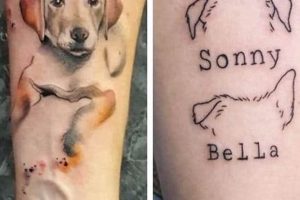
Incorporating personal elements, such as names, initials, special dates, or meaningful symbols, adds a unique touch to temporary skin decorations. Personalizing designs allows children to express their individuality and create keepsakes commemorating special occasions or achievements. For example, a temporary tattoo featuring a child’s name, a special date, or a symbol representing a shared interest can transform the decoration into a cherished memento. This aspect of design inspiration empowers children to take ownership of their creative expression and imbue their temporary tattoos with personal significance.
By drawing inspiration from these diverse sources, temporary skin decorations can become a powerful medium for creative expression, storytelling, and personal connection. The chosen designs can reflect individual preferences, celebrate shared interests, and foster a deeper understanding of the world around them. Ultimately, design inspiration elevates temporary tattoos beyond mere decoration, transforming them into meaningful and engaging experiences for children.
Tips for Temporary Skin Decorations for Children
The following tips provide practical guidance for ensuring safe, enjoyable, and creative experiences with temporary skin decorations for children. Careful consideration of these recommendations maximizes the benefits while minimizing potential risks.
Tip 1: Patch Test: Always conduct a patch test before applying any new product to a child’s skin. Apply a small amount of the product to an inconspicuous area, such as the inner forearm, and wait 24 hours to observe for any adverse reactions. This precaution helps prevent widespread allergic reactions or skin irritations.
Tip 2: Supervision: Adult supervision is crucial throughout the entire process, from product selection to application and removal. This ensures proper usage, minimizes risks, and provides opportunities for shared creativity and learning.
Tip 3: Appropriate Placement: Avoid applying temporary tattoos near sensitive areas such as the eyes, mouth, or broken skin. These areas are more susceptible to irritation and accidental ingestion of materials.
Tip 4: Design Selection: Involve children in the design selection process, allowing them to express their preferences and explore their creativity. Age-appropriate designs and themes enhance engagement and enjoyment.
Tip 5: Proper Removal: Utilize appropriate removal methods specific to the product used. Gentle techniques, such as soap and water or baby oil, minimize the risk of skin irritation or damage.
Tip 6: Material Selection: Opt for products specifically designed for children’s skin, such as hypoallergenic and non-toxic options. This prioritizes safety and reduces the likelihood of adverse reactions.
Tip 7: Educational Opportunity: Use temporary skin decorations as an opportunity to discuss safety, hygiene, and responsible self-expression with children. This fosters a positive learning experience and promotes healthy habits.
Adhering to these guidelines ensures a positive and safe experience, fostering creativity and self-expression while prioritizing the well-being of children. Temporary skin decorations offer a valuable avenue for imaginative play and artistic exploration when approached responsibly.
The insights and recommendations presented throughout this discussion provide a comprehensive understanding of temporary skin decorations for children. By incorporating these considerations, caregivers can create enriching and safe experiences that foster creativity and self-expression.
Frequently Asked Questions about Temporary Skin Decorations for Children
This section addresses common inquiries regarding temporary skin decorations for children, providing clarity and guidance for safe and enjoyable experiences.
Question 1: What are the safest types of temporary tattoos for children?
Products specifically designed for children, labeled as hypoallergenic and non-toxic, are generally considered safest. Water-based inks and adhesives are preferable to solvent-based alternatives. Always conduct a patch test before widespread application.
Question 2: How long do temporary tattoos typically last?
The duration varies depending on the product and application method. Generally, temporary tattoos last from a few days to a week. Some specialized formulations may last longer.
Question 3: Can temporary tattoos damage a child’s skin?
While generally safe, temporary tattoos can cause skin irritation or allergic reactions in some individuals. Using products designed for sensitive skin and conducting a patch test minimizes these risks.
Question 4: How are temporary tattoos removed?
Most temporary tattoos can be removed with soap and warm water. Gentle rubbing with a soft cloth or sponge usually suffices. Specialized removal wipes or baby oil can assist with more resistant decorations.
Question 5: Are there age restrictions for temporary tattoos?
While no strict age restrictions exist, certain designs and application methods are more appropriate for specific age groups. Simpler designs and application techniques are generally recommended for younger children.
Question 6: Where should temporary tattoos be avoided?
Avoid applying temporary tattoos near the eyes, mouth, or on broken or irritated skin. These areas are more susceptible to irritation and potential complications.
Understanding these common concerns ensures responsible and informed decisions regarding temporary skin decorations for children. Prioritizing safety and following recommended guidelines maximizes enjoyment and minimizes potential risks.
This concludes the frequently asked questions section. Further exploration of this topic might include specific product recommendations or detailed application tutorials.
Conclusion
Temporary skin decorations offer children a dynamic avenue for self-expression and creative exploration. Safe application practices, age-appropriate design selection, and proper removal methods are crucial for ensuring positive experiences. Understanding the diverse range of available designs, from simple shapes to intricate characters, empowers informed choices tailored to individual preferences and developmental stages. Prioritizing safety through material selection and adult supervision safeguards children’s well-being while encouraging artistic exploration.
Responsible engagement with temporary skin decorations cultivates creativity, facilitates imaginative play, and provides opportunities for personal expression. Continued exploration of design possibilities and application techniques further enhances the potential for enriching experiences. Careful consideration of the information presented empowers informed decisions and promotes positive outcomes for children engaging with this dynamic form of self-expression.