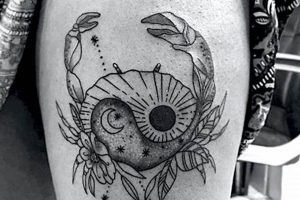



Matching or complementary body art represents a powerful way for fathers and sons to express their enduring bond. These designs can range from simple, shared symbols to elaborate, interconnected artwork, each carrying personal significance. Examples include matching geometric patterns, depictions of shared hobbies, or symbolic representations of strength and guidance.
Permanent ink offers a unique opportunity to commemorate a significant relationship. This enduring form of expression can serve as a constant reminder of shared experiences, values, and love. Historically, body art has symbolized kinship and belonging within various cultures, offering a modern way to carry on this tradition. These permanent markings can provide comfort, inspiration, and a sense of connection that transcends time and distance.
This article will explore a variety of design concepts suitable for this purpose, ranging from traditional motifs to contemporary styles, and offering guidance on choosing meaningful and aesthetically pleasing artwork.
1. Matching Designs

Matching designs represent a popular choice for fathers and sons seeking to visually represent their shared connection. This approach emphasizes unity and equality within the relationship, signifying a bond built on shared values and experiences. Identical or near-identical tattoos can symbolize a joint journey through life, mirroring each other’s commitment. For example, matching Celtic knots can represent an unbreakable bond, while identical depictions of a significant date commemorate a shared milestone. The inherent symmetry in matching designs reinforces the idea of a balanced, reciprocal relationship.
The selection of a matching design should reflect shared interests or significant memories. Consider hobbies, passions, or inside jokes that hold meaning for both individuals. A shared love of music could be represented by matching musical notes or instruments. Similarly, matching images of a beloved pet or a meaningful quote can serve as a permanent reminder of shared experiences. This collaborative selection process further strengthens the bond, transforming the tattooing experience into a meaningful shared event.
While matching designs offer a powerful statement of unity, variations within the matching theme can introduce individuality while maintaining a cohesive aesthetic. Slight alterations in color, size, or placement can personalize each tattoo, reflecting individual preferences while preserving the overarching theme of connection. This approach allows for a nuanced expression of the father-son relationship, acknowledging both shared history and individual identities. Ultimately, careful consideration of design elements and their symbolic meaning ensures a lasting tribute to a special bond.
2. Complementary Imagery

Complementary imagery offers a nuanced approach to representing the father-son dynamic through body art. Unlike identical designs, complementary tattoos utilize distinct yet interconnected images to symbolize the unique roles and contributions within the relationship. This approach allows for a more complex and layered representation of the bond, acknowledging both shared experiences and individual identities. For instance, a tree and its roots could represent the father’s role as a grounding force, while a soaring bird symbolizes the son’s journey towards independence. Alternatively, a lock and key, or a compass and map, can visually represent the complementary nature of guidance and exploration within the father-son dynamic.
The strength of complementary imagery lies in its ability to capture the evolving nature of the father-son relationship. While maintaining a visual connection, these designs allow for individual expression and personal interpretation. This approach is particularly well-suited for representing the transition from dependence to independence, acknowledging the father’s enduring influence while celebrating the son’s individual growth. A lighthouse and a ship, for example, can symbolize guidance and the journey towards self-discovery. The selection of appropriate imagery should reflect shared values, personal experiences, or metaphors that resonate with both individuals. Careful consideration of symbolism ensures a meaningful and enduring representation of the unique bond.
Complementary imagery offers a powerful means of expressing the multifaceted nature of the father-son relationship through body art. It provides a visual language for acknowledging both shared history and individual growth, celebrating the unique contributions of each individual within the bond. This approach encourages dialogue and reflection on the evolving dynamics of the relationship, transforming the tattoos into a lasting conversation piece and a testament to the enduring power of familial connection.
3. Symbolic Representation

Symbolic representation forms the core of meaningful father-son tattoos, elevating them beyond mere aesthetics to powerful expressions of shared values, experiences, and aspirations. Careful selection of symbols imbues the body art with profound personal significance, creating a lasting tribute to the unique bond. These symbols can draw from a vast array of sources, including cultural iconography, personal anecdotes, shared hobbies, and abstract concepts. The effectiveness of symbolic representation lies in its ability to convey complex emotions and ideas concisely and powerfully. For instance, a pair of intertwined oak trees can symbolize strength, resilience, and the enduring nature of the familial connection, while matching anchors might represent stability, security, and the father’s role as a guiding force.
The choice of symbols should resonate deeply with both father and son, reflecting shared experiences or values. A shared love of the outdoors could be represented by mountains, waves, or compass designs. Representations of animals, such as bears or lions, can symbolize strength, protection, and guidance. Geometric patterns, such as Celtic knots or mandalas, can represent interconnectedness, eternity, and the cyclical nature of life. Even seemingly simple symbols, like matching Roman numerals representing a significant date or shared initials subtly interwoven into a larger design, can hold immense personal meaning. The process of selecting these symbols often fosters deeper communication and understanding between father and son, further strengthening their bond.
Symbolic representation offers a powerful means of encapsulating the essence of the father-son relationship within a visual medium. It provides a lasting testament to shared history, values, and aspirations, creating a tangible reminder of the unique connection. The enduring power of these symbols transforms the tattoos into more than just body art; they become a visual language of love, respect, and enduring connection, etched not only onto the skin but also into the shared narrative of a familial bond.
4. Placement Considerations
Placement plays a crucial role in the overall impact and meaning of father-son tattoos. Careful consideration of location affects visibility, practicality, and the symbolic resonance of the chosen design. Factors such as pain tolerance, lifestyle, and professional considerations influence placement decisions. A highly visible location, like the forearm, can signify a public declaration of the bond, while a more discreet placement, such as the chest or back, offers a sense of personal intimacy. The size and complexity of the design also influence placement; larger, more intricate pieces require more surface area, often favoring the back, chest, or thigh. Smaller, simpler designs can be effectively placed on the wrist, ankle, or behind the ear.
Placement can further enhance the symbolic meaning of the chosen design. For example, a tattoo placed over the heart can amplify the emotional significance of the artwork, while a design positioned on the arm or shoulder might symbolize strength and support. Matching placements on both father and son can further emphasize the connection and shared experience. For instance, matching tattoos on the inside of the wrists create a sense of mirroring and interconnectedness. Conversely, complementary designs placed on different parts of the body can symbolize the individual roles and contributions within the relationship. A father might choose a design on his chest, close to his heart, while the son might opt for a placement on his forearm, representing his outward journey.
Ultimately, placement decisions should reflect the individual preferences and lifestyles of both father and son. A thoughtful approach to placement ensures that the chosen artwork resonates with personal meaning and remains aesthetically pleasing over time. This consideration transforms the tattoos into more than just body art; they become a carefully considered expression of a unique and enduring bond, placed with intention and imbued with lasting significance.
5. Size and Scale
Size and scale significantly impact the visual impact and practicality of father-son tattoos. Larger designs offer greater detail and artistic complexity, accommodating intricate scenes, portraits, or extensive lettering. Smaller designs, conversely, emphasize simplicity and subtlety, often featuring minimalist symbols, initials, or concise phrases. Scale must be carefully considered in relation to the chosen imagery and the desired level of visibility. A large, detailed design might suit a back piece, while a smaller, more discreet design could be placed on the wrist or ankle. The physical size and stature of the individuals involved also factor into the decision-making process. A large-scale design might appear overwhelming on a smaller frame, while a small design could get lost on a larger build. For example, a sprawling family tree might be suitable for a back piece on a larger individual but would likely be scaled down for placement on a forearm or calf.
Practical considerations also influence size and scale decisions. Larger tattoos require multiple sessions and greater time commitment, both during the application process and the subsequent healing period. Smaller tattoos, while quicker to apply and heal, might limit the level of detail and complexity achievable. Placement and visibility also intertwine with size and scale. A large, visible tattoo makes a bold statement, while a smaller, more discreet design offers a sense of personal intimacy. Consider the desired level of visibility in relation to lifestyle and professional requirements. A small, symbolic design on the inner wrist might be easily concealed, while a large-scale piece on the forearm would be more difficult to hide. These considerations ensure the chosen artwork remains appropriate and aesthetically pleasing in various contexts. For instance, matching geometric patterns could be scaled down for placement on the fingers, while a larger portrait of a significant figure might be more suitable for the chest or back.
Careful consideration of size and scale ensures the chosen father-son tattoos effectively communicate their intended message while remaining aesthetically pleasing and practical in the long term. Balancing artistic vision with practical constraints ensures the final result resonates with both individuals, serving as a lasting tribute to their unique bond. This balance elevates the tattoos beyond mere body art, transforming them into a thoughtfully considered and visually impactful expression of a meaningful connection.
6. Artistic Style
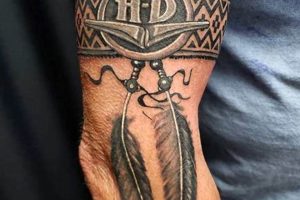
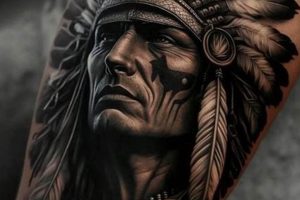
Artistic style significantly influences the aesthetic and emotional impact of father-son tattoos. Selecting an appropriate style ensures the chosen design resonates with both individuals’ tastes and effectively conveys the intended message. Styles range from minimalist linework and geometric patterns to intricate realism, watercolor effects, and traditional tribal motifs. Each style evokes a distinct mood and carries specific cultural or historical connotations. For instance, minimalist designs emphasize simplicity and clean lines, often featuring symbolic imagery or concise text. This style suits those seeking a subtle yet powerful statement. Realism, conversely, focuses on detailed and lifelike depictions, often used for portraits or nature scenes, allowing for a highly personalized and visually striking representation. Traditional tribal styles, often rich in symbolism and cultural significance, offer a powerful way to connect with heritage and ancestry.
The chosen artistic style should complement the selected imagery and reflect the overall message of the tattoos. Matching or complementary styles can further emphasize the connection between father and son. For example, both individuals might opt for minimalist linework tattoos featuring complementary symbols, or they might choose matching traditional tribal designs reflecting shared heritage. The skill and experience of the chosen tattoo artist also play a crucial role in realizing the desired artistic style. Researching artists specializing in the preferred style ensures a high-quality and aesthetically pleasing result. For instance, an artist specializing in realism might be the best choice for portrait tattoos, while an artist experienced in geometric patterns would be better suited for intricate mandala designs. Consulting with the artist during the design process ensures the final artwork aligns with the desired aesthetic and effectively captures the intended message.
Careful consideration of artistic style elevates father-son tattoos beyond mere body art, transforming them into powerful expressions of a unique bond. The chosen style contributes significantly to the overall aesthetic impact and emotional resonance of the tattoos, ensuring they remain meaningful and visually appealing for years to come. Selecting a style that reflects both individuals’ tastes and effectively conveys the intended message ensures the tattoos serve as a lasting tribute to their shared connection. This considered approach transforms the process into a collaborative artistic endeavor, further strengthening the bond between father and son.
Tips for Choosing Father-Son Tattoos
Selecting appropriate body art to commemorate a father-son relationship requires careful planning and consideration. These tips offer guidance for navigating the process and ensuring a meaningful and enduring result.
Tip 1: Collaborative Design: Open communication and collaboration are essential. Discuss design ideas, symbolic meanings, and placement preferences together. This shared process strengthens the bond and ensures both individuals feel represented in the final artwork. For example, explore shared hobbies or meaningful memories for inspiration.
Tip 2: Research and Selection: Thoroughly research potential tattoo artists, focusing on their portfolios and specializations. Choose an artist whose style aligns with the desired aesthetic and who demonstrates expertise in the chosen design elements. Reading reviews and seeking recommendations can help ensure a positive experience.
Tip 3: Symbolic Resonance: Select imagery and symbols that hold deep personal meaning for both individuals. Consider shared values, experiences, or inside jokes that reflect the unique nature of the relationship. Avoid generic or trendy designs that lack personal significance.
Tip 4: Placement Considerations: Carefully consider placement in relation to visibility, practicality, and pain tolerance. Discuss potential locations and their symbolic implications. Think about lifestyle and professional requirements when choosing visible or discreet placements.
Tip 5: Size and Detail: Balance desired detail and complexity with practical considerations like healing time and placement limitations. Larger designs allow for greater detail but require more commitment. Smaller designs offer simplicity and subtlety.
Tip 6: Budgetary Planning: High-quality tattoos represent an investment. Discuss budget constraints openly and factor in potential costs for multiple sessions, touch-ups, and aftercare products. Transparency ensures a realistic and manageable approach.
Tip 7: Aftercare Commitment: Proper aftercare is crucial for preserving the quality and longevity of the tattoos. Follow the artist’s instructions diligently to ensure proper healing and prevent complications. This shared commitment demonstrates respect for the artwork and the relationship it represents.
By following these tips, individuals can ensure the chosen artwork serves as a powerful and enduring symbol of their unique connection, reflecting shared values and creating a lasting tribute to the father-son bond. These considerations elevate the process beyond mere aesthetics, transforming it into a meaningful and collaborative experience.
This careful planning ensures a positive and meaningful experience, resulting in body art that serves as a lasting reminder of a cherished bond.
Frequently Asked Questions
This section addresses common inquiries regarding permanent body art commemorating the father-son relationship.
Question 1: What are some popular design choices?
Popular choices include matching or complementary symbols, geometric patterns, depictions of shared hobbies, quotes, portraits, and representations of strength, guidance, or family heritage.
Question 2: How does one choose a reputable artist?
Thorough research is crucial. Examine portfolios, read reviews, seek recommendations, and verify licensing and hygiene practices. A consultation with potential artists allows for discussion of design ideas and assessment of artistic compatibility.
Question 3: What factors influence placement decisions?
Visibility preferences, pain tolerance, lifestyle considerations, and symbolic meaning influence placement choices. Highly visible areas like forearms convey a public declaration, while more discreet locations like the chest or back offer a sense of personal intimacy.
Question 4: What is the typical cost range?
Costs vary based on size, complexity, artist experience, and geographic location. Small, simple designs might range from a few hundred dollars, while larger, more intricate pieces can cost several thousand. Discuss budgetary constraints with the chosen artist during the consultation.
Question 5: What aftercare procedures are necessary?
Diligent aftercare is essential for proper healing and longevity. Follow the artist’s instructions carefully, which typically include keeping the tattoo clean, moisturized, and protected from sun exposure. Avoid swimming or submerging the tattoo in water for several weeks.
Question 6: Can tattoos be removed or altered?
Removal is possible through laser treatments, but it is a costly, time-consuming, and sometimes imperfect process. Alterations or cover-ups are also possible, depending on the original design and the desired changes. Consult with a qualified artist to discuss options.
Careful consideration of these frequently asked questions ensures a well-informed approach to the process, resulting in a positive experience and body art that holds lasting significance.
For further personalized guidance, consult with a reputable tattoo artist to discuss specific design ideas and address individual concerns. Professional expertise ensures a well-informed decision and a satisfying outcome.
Father Son Tattoos
Exploring permanent body art as a medium for expressing the father-son bond reveals a powerful avenue for commemorating shared experiences and values. From matching symbols of unity to complementary imagery reflecting individual roles, these designs offer a visual language for celebrating a unique connection. Careful consideration of symbolic representation, placement, size, scale, and artistic style ensures the chosen artwork resonates with personal meaning and remains aesthetically pleasing over time. Practical considerations, such as artist selection, budgetary planning, and aftercare commitment, are crucial for a positive and successful outcome.
Body art offers a profound way to encapsulate the essence of this special relationship. These permanent markings serve not only as aesthetic enhancements but as enduring testaments to a bond that transcends time and distance. Thoughtful selection and execution transform these designs into a lasting legacy, etched onto the skin and woven into the shared narrative of a familial connection.