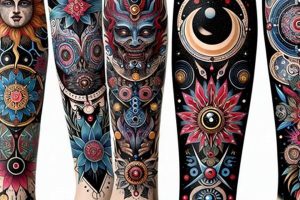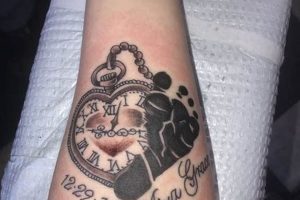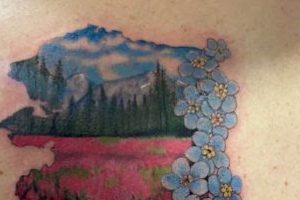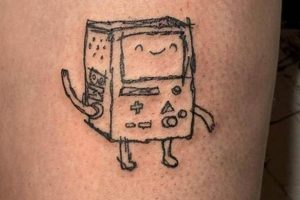



Tattoos representing absence of light, both literally and figuratively, offer a wide range of aesthetic and symbolic possibilities. These designs can encompass literal depictions of night, shadows, or celestial bodies obscured by darkness, as well as metaphorical representations of negative emotions, the unknown, or powerful forces. Examples include blackwork tattoos, depictions of nocturnal animals like bats or owls, or abstract patterns evoking the void.
Such imagery can be a powerful means of self-expression, allowing individuals to externalize complex feelings or experiences. Historically, darkness has been associated with mystery, introspection, and the subconscious. In body art, these concepts can be explored through negative space, intricate shading, and the interplay of light and dark elements. Choosing this thematic focus allows for highly personalized designs that resonate deeply with the wearer’s personal narrative.
Exploring specific imagery and styles related to this theme further illuminates the richness and versatility of these artistic expressions. Considerations of color palettes, placement, and cultural symbolism contribute to the creation of meaningful and impactful body art.
1. Blackwork

Blackwork serves as a foundational element within darkness-themed tattoo designs. Its reliance on solid black ink creates strong visual contrasts, lending itself readily to depictions of shadows, negative space, and the absence of light. The techniques intensity can amplify the symbolic weight of the chosen imagery, whether a depiction of a raven, a geometric pattern, or an abstract representation of the void. Consider, for example, a blackwork tattoo of a skeletal hand reaching out from a solid black background. The absence of other colors intensifies the images macabre nature, making the concept of darkness palpable.
The versatility of blackwork allows artists to explore a range of stylistic approaches within the darkness theme. Intricate dotwork can create subtle gradations within the blackness, giving depth and dimension to otherwise flat areas. Bold lines and solid shapes can be used to evoke a sense of strength and permanence, while more delicate linework can suggest fragility or ephemerality. A large-scale blackwork piece depicting a swirling vortex, for instance, can evoke the vastness and unknowability of darkness, while a smaller, finely detailed blackwork moth could represent a delicate creature drawn to the light, contrasting with the surrounding dark ink.
Understanding the relationship between blackwork and darkness-themed tattoos enables a deeper appreciation for the artistic possibilities within this genre. The skillful manipulation of black ink, combined with thoughtful imagery, provides a potent visual language for exploring complex themes related to the unknown, the subconscious, and the human condition’s inherent duality. This technique offers a powerful platform for expressing individual narratives through body art.
2. Negative Space
Negative space plays a crucial role in darkness-themed tattoos, offering a powerful tool for conveying depth, mystery, and the absence of light itself. Rather than relying solely on black ink to represent darkness, negative space utilizes the skin as a canvas element, allowing the untattooed areas to define the shape and form of the darker elements. This creates a sense of contrast and visual intrigue, drawing the viewer’s eye to the interplay between presence and absence.
Consider a tattoo of a silhouetted wolf howling at a crescent moon, where the wolf and moon are formed by the negative space surrounding the black ink representing the night sky. This technique not only highlights the subjects but also amplifies the sense of darkness enveloping them. Similarly, a swirling galaxy depicted through negative space within a solid black background can evoke a sense of vastness and cosmic mystery. The absence of ink in these designs becomes as important as the ink itself, actively contributing to the overall composition and symbolic meaning. Negative space also offers opportunities for more abstract representations of darkness, such as a series of strategically placed voids suggesting a fragmented or obscured reality.
Understanding the skillful use of negative space is essential for creating impactful darkness-themed tattoos. It allows for a nuanced exploration of light and shadow, presence and absence, and the interplay between the tangible and the intangible. This technique elevates the artistic expression beyond simple depictions of darkness, offering a more sophisticated and evocative visual language. The strategic incorporation of negative space adds layers of meaning and allows for a greater degree of artistic interpretation within the darkness theme, facilitating the creation of visually striking and conceptually rich body art.
3. Nocturnal Imagery

Nocturnal imagery provides a rich source of symbolic representation within darkness-themed tattoos. Creatures and phenomena associated with the night possess inherent connections to mystery, the unknown, and the primal forces often associated with darkness. Incorporating such imagery allows for visually compelling designs imbued with deeper meaning.
- Creatures of the Night
Animals like owls, bats, wolves, and moths are frequently chosen for their symbolic weight. Owls represent wisdom and vigilance, while bats symbolize transition and mystery. Wolves embody strength and loyalty, and moths signify transformation and attraction to light. A tattoo featuring a wolf howling at a full moon, for instance, can evoke a sense of wildness and connection to primal instincts.
- Celestial Bodies
The moon, stars, and constellations hold powerful symbolic meaning in many cultures. The moon, in particular, represents cyclical change, femininity, and the hidden aspects of the self. A tattoo of a crescent moon partially obscured by clouds, for example, can symbolize the interplay between light and darkness, or the cyclical nature of life and death.
- Symbolic Plants and Objects
Certain plants, like nightshade or moonflowers, and objects like skulls or hourglasses, carry connotations of darkness, mortality, and the passage of time. A nightshade tattoo can represent danger and mystery, while an hourglass surrounded by dark imagery can symbolize the fleeting nature of life. These elements enhance the overall thematic coherence of the tattoo.
- Cultural References
Drawing from mythology, folklore, and literature can further enrich the symbolic depth of nocturnal imagery. Figures like vampires, werewolves, and demons represent powerful archetypes associated with the shadow self and the darker aspects of human nature. A stylized depiction of a mythological creature intertwined with celestial elements can create a visually striking and deeply personal representation of the individual’s relationship with darkness.
By carefully selecting and combining these elements, individuals can create highly personalized tattoos that explore their unique relationship with the concepts of darkness, mystery, and the unknown. The inherent symbolism of nocturnal imagery provides a powerful language for self-expression, allowing wearers to communicate complex ideas and emotions through visually captivating body art.
4. Abstract Patterns

Abstract patterns offer a compelling avenue for exploring darkness-themed tattoos, moving beyond literal representations and delving into evocative visual metaphors. These non-representational designs utilize shapes, lines, and shading to create an atmosphere of mystery, chaos, or the unknown. The absence of recognizable imagery allows for a more visceral and emotional interpretation of darkness, focusing on the feeling it evokes rather than a specific depiction. A swirling vortex of black ink, for instance, can represent the overwhelming nature of despair, while fragmented geometric shapes might symbolize the breakdown of order or the fragility of reality. The lack of concrete imagery opens the door for personal interpretation, allowing the wearer and observer to project their own experiences and understanding onto the design.
The versatility of abstract patterns allows for a broad spectrum of expressions within the darkness theme. Sharp, angular lines can evoke a sense of aggression or danger, while flowing, organic shapes might suggest the subtle, insidious nature of fear or doubt. Subtle gradations in shading can create depth and dimension, adding to the visual intrigue and symbolic complexity. Consider a tattoo of densely packed, intersecting lines that gradually fade into negative space, symbolizing the gradual encroachment of darkness or the blurring of boundaries between the known and unknown. Similarly, a chaotic arrangement of geometric shapes could represent the disorienting nature of a traumatic experience or the struggle to find order within chaos.
Utilizing abstract patterns in darkness-themed tattoos provides a powerful means of expressing complex emotions and experiences that may be difficult to articulate through literal imagery. This approach allows for a more personalized and nuanced exploration of the darkness theme, tapping into the subjective nature of individual perception and interpretation. The absence of concrete representation encourages introspection and dialogue, inviting viewers to engage with the artwork on a deeper emotional and intellectual level. This makes abstract patterns a valuable tool for those seeking to express complex, often intangible concepts related to the human condition through the medium of body art.
5. Subtle Shading
Subtle shading is a critical component in realizing effective darkness-themed tattoos. It transcends mere representation, adding depth, dimension, and a sense of realism to otherwise flat, two-dimensional designs. This technique allows artists to manipulate light and shadow, creating the illusion of form and texture, and amplifying the emotional impact of the chosen imagery.
- Gradual Transitions
Subtle shading allows for the creation of smooth transitions between light and dark areas, mimicking the natural interplay of light and shadow. This technique adds realism to depictions of objects like skulls, flowers, or animals, making them appear more three-dimensional and lifelike. In the context of darkness tattoos, gradual transitions can be used to depict the slow encroachment of darkness onto light, or the subtle blurring of boundaries between different states of being.
- Depth and Dimension
By carefully manipulating shading, artists create the illusion of depth and volume within the tattoo. This is particularly effective in depicting scenes or objects associated with darkness, such as a dense forest, a swirling vortex, or a figure emerging from shadows. The use of subtle shading transforms flat shapes into dynamic forms, enhancing the visual impact and symbolic resonance of the design. A subtly shaded raven’s wing, for example, can appear to curve and fold, capturing a sense of movement and power.
- Emotional Impact
Shading can evoke a range of emotions associated with darkness, such as fear, mystery, or tranquility. Darker shading can create a sense of foreboding or menace, while lighter shading can suggest hope or vulnerability. Consider a portrait partially obscured by shadow; the strategic use of shading can create a sense of intrigue or melancholy, inviting viewers to contemplate the subject’s inner world. This nuanced use of shading amplifies the emotional impact of the tattoo, making it more than just a visual representation but a powerful expression of feeling.
- Texture and Detail
Subtle shading allows for the depiction of texture and detail, adding another layer of realism to the tattoo. The rough texture of tree bark, the smooth surface of a skull, or the delicate veins of a wilting flower can all be rendered through careful shading techniques. This attention to detail enhances the overall aesthetic appeal of the tattoo and contributes to its symbolic richness. A subtly shaded cobweb, for example, can evoke feelings of decay, abandonment, or the passage of time, adding depth to the overall narrative of the tattoo.
The mastery of subtle shading is essential for creating truly impactful darkness-themed tattoos. It elevates the artwork beyond simple depictions of dark imagery, imbuing the designs with depth, emotion, and a sense of realism. By carefully manipulating light and shadow, artists can explore the full spectrum of meanings associated with darkness, creating powerful and evocative visual narratives that resonate deeply with the wearer and observer alike. The technique allows for a nuanced exploration of themes related to mortality, the unknown, and the human condition, making subtle shading a critical tool for self-expression through body art.
Tips for Darkness Tattoo Designs
Careful consideration of several factors ensures a darkness-themed tattoo effectively conveys its intended message and remains visually compelling.
Tip 1: Research Symbolism: Thoroughly research the symbolism associated with chosen imagery. A raven, while visually representing darkness, can symbolize intelligence or transition in certain cultures. Understanding these nuances prevents unintended interpretations.
Tip 2: Placement Considerations: The body’s contours influence a tattoo’s impact. A sprawling design representing the vastness of space might suit a larger area like the back, while a small, intricate moth could be placed discreetly on the wrist. Placement should complement the design’s scale and message.
Tip 3: Artist Collaboration: Open communication with a skilled tattoo artist is paramount. Discuss desired aesthetics, symbolic intentions, and placement. A collaborative approach ensures the final design aligns with individual preferences and artistic expertise.
Tip 4: Contrast and Shading: Effective use of contrast and shading are crucial. Skilled shading techniques bring depth and dimension to dark imagery, preventing a flat, muddled appearance. Contrast highlights key elements and adds visual interest.
Tip 5: Explore Different Styles: Blackwork, dotwork, and realism offer distinct aesthetics. Research various styles to determine which best complements the intended mood and imagery. Blackwork’s starkness might suit abstract concepts, while realism could enhance the depiction of nocturnal animals.
Tip 6: Consider Long-Term Impact: Tattoos are permanent. Reflect on the chosen design’s long-term implications. Ensure the chosen imagery and symbolism resonate deeply and remain personally meaningful over time. Avoid impulsive decisions driven by fleeting trends.
Tip 7: Aftercare Commitment: Proper aftercare is essential for preserving the tattoo’s vibrancy and preventing complications. Follow the artist’s aftercare instructions diligently to ensure the tattoo heals properly and retains its intended appearance. Diligent care preserves the artwork’s integrity.
Careful planning and execution result in a powerful, visually striking piece of body art that effectively captures the essence of chosen darkness themes.
These considerations facilitate a meaningful and aesthetically impactful representation of darkness through body art.
Frequently Asked Questions about Darkness Tattoos
Addressing common queries regarding darkness-themed tattoos provides clarity and facilitates informed decisions.
Question 1: Do darkness tattoos always symbolize negative emotions?
Not necessarily. While often associated with negative emotions, darkness can also represent introspection, mystery, strength, and the unknown. Symbolic meaning depends heavily on specific imagery and personal interpretation.
Question 2: Are darkness tattoos only done in black ink?
While black ink is prevalent, other colors can enhance specific elements or create contrast. Deep blues, purples, and reds can evoke nocturnal atmospheres or represent specific symbolic elements, such as celestial bodies or mythological creatures.
Question 3: How does one choose the right imagery for a darkness tattoo?
Careful consideration of personal meaning is paramount. Reflect on experiences, emotions, and concepts one wishes to express. Researching symbolic meanings associated with different images ensures the chosen design aligns with intended messaging.
Question 4: Are darkness tattoos more prone to fading than other tattoo styles?
Not inherently. Fading depends on factors like ink quality, sun exposure, and aftercare practices. Proper aftercare, including moisturizing and sun protection, preserves vibrancy regardless of thematic focus.
Question 5: Can darkness tattoos be incorporated into larger, existing pieces?
Absolutely. Skilled tattoo artists can seamlessly integrate darkness-themed elements into existing work. This can involve incorporating shading, negative space, or symbolic imagery to enhance or complement the overall design.
Question 6: What are the typical costs associated with darkness-themed tattoos?
Cost varies depending on size, complexity, artist’s experience, and geographic location. Smaller, simpler designs might require a single session, while larger, more intricate pieces necessitate multiple sessions, increasing overall cost. Consulting with prospective artists provides accurate estimates.
Understanding these aspects empowers individuals to make informed decisions when exploring darkness as a theme for their body art.
Further exploration of specific design elements and artist portfolios refines conceptualization and realization of impactful darkness-themed tattoos.
Conclusion
Exploring darkness as a theme in tattoo art reveals a rich tapestry of symbolic expression. From the stark contrasts of blackwork to the nuanced interplay of negative space and subtle shading, the absence of light offers a powerful canvas for conveying complex emotions, personal narratives, and profound concepts. Nocturnal imagery, abstract patterns, and careful consideration of placement and symbolism contribute to the creation of deeply meaningful and visually striking designs. Understanding the technical and artistic elements involved allows for a more informed approach to this evocative form of self-expression.
The enduring allure of darkness in tattoo art lies in its ability to represent the multifaceted nature of the human experience. It serves as a reminder that embracing the shadows, exploring the unknown, and confronting the complexities within oneself can lead to profound self-discovery and artistic expression. Ultimately, darkness-themed tattoos offer a powerful medium for translating the intangible into a tangible form, inviting contemplation and sparking dialogue about the profound depths that reside within us all.