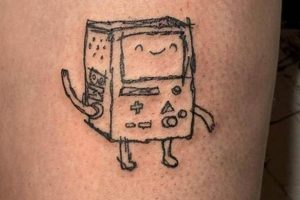



Conceptual visualizations of body art, rendered on paper or digitally, serve as blueprints for permanent skin embellishments. These visual representations range from simple sketches to intricate, full-color designs, often incorporating diverse styles and motifs. Examples include a minimalist outline of a celestial body, a detailed rendering of a mythological creature, or a stylized floral pattern.
Such pre-visualization is critical for both the client and the tattoo artist. It allows clients to carefully consider placement, size, and artistic details before committing to a permanent alteration of their bodies. For artists, these renderings serve as guides during the tattooing process, ensuring accuracy and client satisfaction. Historically, tattoo designs were often drawn directly on the skin, but the development of drawing tools and artistic techniques led to the creation of more complex and planned designs, further solidifying the importance of pre-drawn concepts.
This exploration will delve further into various aspects of design conceptualization, including style considerations, popular motifs, and the collaborative process between artist and client.
1. Conceptualization

Conceptualization forms the bedrock of effective tattoo design. It is the process of transforming abstract ideas and emotions into concrete visual representations. This initial stage dictates the overall direction of the design, influencing style choices, motif selection, and ultimately, the final aesthetic impact. A strong concept ensures the tattoo resonates with personal meaning and stands the test of time. For example, a client desiring a tattoo representing resilience might conceptualize an image of a phoenix rising from flames, or a delicate wildflower pushing through cracked concrete. Without a well-defined concept, the design process risks becoming aimless and the resulting tattoo may lack depth and significance.
The conceptualization process often involves in-depth exploration of personal experiences, cultural influences, and symbolic imagery. Researching different art styles, exploring potential motifs, and collecting reference images are crucial steps. This phase also benefits from open communication between the client and the artist. A skilled artist can help clients articulate their vision and translate abstract ideas into tangible design elements. For example, a client’s love for literature might be conceptualized as a stylized open book with a meaningful quote, or a portrait of a beloved author, rendered in a style that reflects the literary period. This collaborative approach ensures the final design is not only visually appealing but also deeply personal and meaningful.
Strong conceptualization mitigates the risk of design regrets later. By thoroughly exploring ideas and considering various artistic possibilities during the initial stages, clients can ensure the chosen design accurately reflects their intended message and aesthetic preferences. This careful consideration of meaning and symbolism during conceptualization adds depth and longevity to the tattoo, transforming it from mere body art into a powerful form of self-expression. The challenges lie in effectively communicating abstract ideas and translating them into visual language. Overcoming this hurdle requires patience, open communication, and a willingness to explore various artistic interpretations during the conceptualization process.
2. Style selection

Style selection significantly impacts the aesthetic and communicative power of a tattoo design. A chosen style dictates the overall visual language, influencing linework, color palettes, and the level of detail. This choice should align with the intended message and personal aesthetic preferences. For example, a client seeking a bold, impactful design might opt for a traditional Japanese style with its vibrant colors and strong lines, while someone desiring a subtle, understated piece might choose a minimalist style characterized by fine lines and negative space. The relationship between concept and style is symbiotic; the chosen style must effectively translate the concept into a visually compelling form. A mismatch can result in a disjointed and aesthetically unsatisfying result.
Numerous tattoo styles exist, each possessing unique characteristics. Realism focuses on lifelike depictions, while traditional styles adhere to established conventions and iconography. Geometric styles utilize precise lines and shapes, and watercolor styles mimic the fluidity and vibrancy of watercolor paintings. Understanding the nuances of each style allows for informed decision-making. For instance, a portrait tattoo demands a realistic approach, capturing intricate details and expressions, while a nature-inspired design might benefit from the flowing lines and vibrant colors of a watercolor style. Careful consideration of stylistic elements ensures the final design effectively communicates the intended message.
Selecting an appropriate style is crucial for achieving a successful tattoo. This decision impacts not only the immediate visual appeal but also the longevity of the design. Certain styles age better than others; bold lines and strong colors tend to hold up over time, while delicate, fine-line tattoos might require more frequent touch-ups. Understanding the aging process of various styles allows clients to make informed choices that ensure their tattoos remain visually appealing for years to come. The challenge lies in navigating the diverse landscape of tattoo styles and selecting one that aligns with both the desired aesthetic and the practicalities of long-term wear. Thorough research and consultation with an experienced artist are essential for making an informed and satisfying style choice.
3. Placement considerations

Placement is an integral aspect of tattoo design, significantly influencing the final visual impact and personal significance. Thoughtful placement enhances the aesthetic appeal by complementing body contours and maximizing visibility. It also contributes to the narrative of the tattoo, allowing for strategic placement that amplifies symbolic meaning. Careful consideration of placement ensures the tattoo harmoniously integrates with the body, becoming a seamless extension of personal expression.
- Visibility and Discretion
Visibility plays a crucial role in how a tattoo is perceived and experienced. Highly visible placements, such as hands and forearms, make a bold statement, while more discreet locations, like the back or ribs, offer privacy and intimacy. Choosing between visibility and discretion depends on individual preferences and the intended message of the tattoo. A commemorative piece might be placed prominently to serve as a constant reminder, while a more personal design might be placed discreetly, reserved for intimate viewing.
- Body Contours and Flow
The human body is a three-dimensional canvas, and effective tattoo placement considers its natural curves and contours. Designs should flow harmoniously with the body’s lines, enhancing rather than disrupting its natural form. A skilled artist considers the interplay between the design and the body’s topography, creating a visually cohesive and aesthetically pleasing result. For example, a long, flowing design might be placed along the spine or a limb, emphasizing the body’s natural lines, while a smaller, self-contained design might be better suited for a flat area like the chest or shoulder blade.
- Symbolism and Meaning
Placement can contribute to the symbolic meaning of a tattoo. Certain locations on the body hold cultural or personal significance, further enriching the narrative of the design. For example, a heart tattoo placed over the actual heart carries deeper emotional weight than one placed elsewhere. Similarly, tattoos placed near areas of personal strength, like the shoulder or forearm, can symbolize resilience and power. Strategic placement amplifies the intended message, transforming the tattoo into a powerful visual metaphor.
- Practical Considerations and Aftercare
Practical considerations also influence placement choices. Areas subject to frequent friction or sun exposure may experience faster fading or distortion. Additionally, certain placements may be more painful or require specific aftercare. Understanding these practicalities ensures the longevity of the tattoo and facilitates proper healing. For example, tattoos on hands and feet require more diligent aftercare due to their constant exposure and use. Consulting with an experienced artist provides valuable insights into these practical considerations, guiding clients toward informed placement choices.
By considering these facets of placement, individuals can ensure their chosen design integrates seamlessly with their bodies, enhancing both its aesthetic impact and personal significance. Effective placement elevates the tattoo from a simple image to a powerful form of self-expression, deeply interwoven with the wearer’s identity and narrative.
4. Artistic Detail

Artistic detail distinguishes exceptional tattoo designs from the mundane. It encompasses the nuanced elements that bring a concept to life, transforming a simple idea into a compelling piece of art. Within the realm of tattoo design drawings, artistic detail manifests in various forms, each contributing to the overall aesthetic impact and longevity of the final tattoo. Understanding these facets is crucial for both artists and clients seeking truly remarkable body art.
- Linework
Linework forms the foundation of any tattoo. Its variations in weight, thickness, and style dramatically influence the overall aesthetic. Bold, thick lines create a powerful, graphic impact, often associated with traditional styles. Fine, delicate lines offer subtlety and detail, frequently employed in realism and minimalist designs. The interplay of different line weights adds depth and dimension, mimicking the natural contours of the subject matter. For instance, a portrait tattoo might utilize varying line weights to capture facial features, while a geometric design might employ consistent, precise lines for a clean, modern look. The artist’s skill in manipulating linework is fundamental to achieving the desired visual effect.
- Shading and Texture
Shading and texture imbue tattoos with depth and realism. Subtle gradations of tone create the illusion of three-dimensionality, transforming flat designs into dynamic, lifelike images. Different shading techniques, such as stippling and cross-hatching, contribute to the overall texture and visual interest. For example, smooth shading might be used to depict the soft petals of a flower, while rough, textured shading might portray the bark of a tree. The artist’s command of shading and texture elevates the tattoo beyond a simple outline, adding complexity and visual richness.
- Color Palette
Color palettes evoke specific moods and emotions, adding layers of meaning to tattoo designs. Vibrant, saturated colors create a bold, energetic feel, while muted, earthy tones convey a sense of calm and naturalism. The choice of color palette should align with the overall concept and style of the tattoo. A traditional Japanese tattoo might utilize a vibrant palette of reds, blues, and golds, while a watercolor tattoo might employ soft, blended hues. Careful color selection enhances the visual impact and symbolic depth of the design.
- Composition and Balance
Composition refers to the arrangement of elements within the tattoo design. A well-balanced composition directs the viewer’s eye through the design, creating a harmonious and visually pleasing effect. Principles of balance, symmetry, and negative space contribute to a strong composition. A symmetrical design, for instance, conveys a sense of stability and order, while an asymmetrical design might create a more dynamic and energetic feel. Understanding composition allows the artist to effectively arrange elements within the confines of the tattoo space, ensuring a cohesive and visually compelling final product.
These facets of artistic detail are intrinsically linked, working in concert to achieve a cohesive and visually striking tattoo. The interplay of linework, shading, color, and composition elevates a simple drawing into a compelling piece of art. Mastering these elements allows artists to create tattoos that resonate with clients on both an aesthetic and emotional level, transforming skin into a canvas for meaningful self-expression.
5. Collaboration

Collaboration forms the cornerstone of successful tattoo design, bridging the gap between artistic vision and personal expression. It transforms the process from a transaction into a creative partnership, ensuring the final design resonates deeply with the individual receiving the tattoo. This synergistic relationship between artist and client is essential for realizing a truly meaningful and aesthetically compelling piece of body art. Effective collaboration hinges on open communication, mutual respect, and a shared understanding of the desired outcome. For example, a client might provide the artist with a collection of images and ideas representing resilience, and through collaborative discussion, they might arrive at the concept of a stylized oak tree with roots extending deep into the earth, symbolizing strength and groundedness. Without this collaborative exploration, the design might have remained superficial, lacking the personal depth achieved through shared creative input.
The collaborative process typically begins with an initial consultation. During this meeting, the client articulates their vision, sharing inspiration, desired symbolism, and placement preferences. The artist listens attentively, asking clarifying questions and offering professional insights regarding stylistic choices, technical feasibility, and long-term considerations like aging and maintenance. This exchange lays the foundation for a shared understanding, ensuring both parties are aligned on the project’s direction. The artist then translates the client’s vision into preliminary sketches, incorporating feedback and revisions throughout the design development phase. This iterative process allows for continuous refinement, ensuring the final design accurately reflects the client’s desires while adhering to artistic principles. For instance, a client might initially envision a realistic depiction of a beloved pet, but through collaborative discussion, they might realize that a stylized portrait, incorporating symbolic elements related to the pet’s personality, better captures the essence of their bond. This collaborative exploration often leads to more meaningful and personalized designs.
The benefits of a strong collaborative relationship extend beyond achieving a visually appealing design. Collaboration fosters trust and understanding, mitigating the potential for miscommunication and dissatisfaction. It empowers clients to actively participate in the creative process, ensuring the final tattoo reflects their unique identity and narrative. Furthermore, collaboration allows artists to fully utilize their expertise, offering technical guidance and artistic insights that elevate the design beyond the client’s initial vision. Challenges in the collaborative process might arise from differing aesthetic preferences or communication barriers. Overcoming these challenges requires patience, empathy, and a commitment to open dialogue. Ultimately, successful collaboration cultivates a shared sense of ownership and pride in the final product, transforming a simple tattoo into a powerful symbol of personal expression and artistic achievement.
Tips for Effective Tattoo Design Drawings
Successful tattoo design hinges on careful planning and execution. These tips provide guidance for creating compelling and meaningful tattoo drawings, ensuring client satisfaction and artistic integrity.
Tip 1: Research and Gather Inspiration: Thorough research is paramount. Explore various tattoo styles, artists, and motifs. Collect reference images that resonate with the desired aesthetic and symbolic meaning. This foundational exploration informs subsequent design choices and ensures a cohesive final product. For example, researching traditional Japanese tattooing might reveal specific iconography and color palettes that align with a client’s desired theme of strength and resilience.
Tip 2: Prioritize Clear Communication: Open communication between the artist and client is crucial. Clearly articulate design preferences, including desired style, placement, and symbolism. Active listening and constructive feedback ensure a shared understanding and prevent misinterpretations. This collaborative dialogue forms the bedrock of a successful tattoo design process.
Tip 3: Focus on Composition and Placement: Consider how the design will interact with the body’s contours. A well-composed design flows harmoniously with the body’s natural lines, enhancing rather than disrupting its form. Strategic placement maximizes visual impact and amplifies symbolic meaning. For example, a wing design might be placed along the shoulder blade to emphasize the natural curve of the bone, creating a sense of anatomical integration.
Tip 4: Emphasize Line Quality and Detail: Precise linework is essential for a successful tattoo. Varying line weights and styles creates depth and visual interest. Attention to detail in shading, texture, and color application elevates the design, transforming a simple drawing into a compelling work of art. For example, a portrait tattoo requires precise linework to capture facial features accurately, while varying line weights in a floral design can create a sense of depth and movement.
Tip 5: Utilize High-Quality Materials: Employing professional-grade drawing materials enhances precision and longevity. Archival-quality paper and inks prevent fading and deterioration, preserving the integrity of the design over time. These materials also facilitate cleaner lines and more nuanced shading, contributing to a higher quality final product.
Tip 6: Practice and Refine Techniques: Consistent practice is crucial for developing artistic skill. Experiment with different styles, techniques, and mediums to expand artistic versatility. Regular practice refines line control, shading techniques, and composition skills, ultimately leading to more polished and professional tattoo drawings.
Tip 7: Seek Feedback and Critique: Constructive feedback from experienced artists or mentors provides valuable insights for improvement. Sharing work and soliciting feedback helps identify areas for growth and refinement, accelerating the development of artistic skill and professional competency.
By adhering to these guidelines, individuals involved in creating tattoo designs can ensure a successful outcome. Careful planning, clear communication, and meticulous execution transform initial concepts into meaningful and enduring works of art.
This foundation in effective design practices prepares for the subsequent exploration of various tattoo styles and their unique characteristics.
Frequently Asked Questions about Tattoo Design Drawings
This section addresses common inquiries regarding the creation and utilization of tattoo design drawings, providing clarity and guidance for both artists and clients.
Question 1: What is the significance of a detailed tattoo design drawing?
Detailed renderings serve as crucial blueprints for permanent body art. They provide a visual roadmap for both the artist and the client, ensuring a shared understanding of the final result. Detailed drawings allow for precise planning of elements like placement, size, and intricate details, minimizing the risk of miscommunication and dissatisfaction. This meticulous pre-visualization process contributes significantly to the success and longevity of the tattoo.
Question 2: How does one choose an appropriate tattoo style?
Style selection should align with the intended message and personal aesthetic preferences. Researching different styles, considering their unique characteristics, and consulting with experienced artists are crucial steps. Factors like linework, color palettes, and level of detail vary significantly between styles, influencing the overall aesthetic impact. Aligning style with personal preferences and symbolic meaning ensures a cohesive and personally resonant result.
Question 3: What factors influence optimal tattoo placement?
Optimal placement considers visibility preferences, body contours, and symbolic significance. Highly visible areas make bold statements, while discreet placements offer privacy. Designs should flow harmoniously with the body’s natural lines, enhancing rather than disrupting its form. Placement can also amplify symbolic meaning, adding depth and personal significance to the tattoo. Practical considerations, such as sun exposure and potential friction, also influence placement choices.
Question 4: How can one ensure the longevity of a tattoo design?
Longevity depends on factors such as style choice, placement, and aftercare. Bold lines and solid colors tend to age better than fine lines and delicate shading. Areas with minimal friction and sun exposure experience slower fading. Proper aftercare, including moisturizing and sun protection, is crucial for preserving the vibrancy and integrity of the tattoo over time.
Question 5: What role does collaboration play in the design process?
Collaboration between artist and client is fundamental to successful tattoo design. Open communication, active listening, and mutual respect ensure a shared understanding of the desired outcome. This collaborative approach allows for the integration of personal narratives and symbolic meaning, resulting in a tattoo that resonates deeply with the individual. Collaborative discussions also allow artists to offer technical expertise and artistic insights, elevating the final design.
Question 6: What are common misconceptions about tattoo design drawings?
A common misconception is that the drawing must be a perfect replica of the final tattoo. While precision is important, design drawings serve as guides, not rigid templates. The organic nature of skin and the tattooing process introduces subtle variations. Another misconception is that any image can be easily translated into a tattoo. Certain images, particularly those with excessive detail or poor resolution, might not translate well onto the skin. Consulting with an experienced artist helps determine the feasibility and potential limitations of translating specific images into tattoo designs.
Understanding these aspects of tattoo design drawings empowers both artists and clients to make informed decisions, fostering a collaborative and fulfilling creative process.
The subsequent section will delve into specific examples of popular tattoo motifs and their symbolic meanings.
Conclusion
Conceptual visualizations of future body art serve as more than just aesthetic sketches; they represent a crucial planning phase in the realization of permanent self-expression. This exploration has highlighted the multifaceted nature of these designs, emphasizing the importance of conceptualization, style selection, placement considerations, artistic detail, and collaborative communication between artist and client. Each element contributes to the final product’s overall impact, longevity, and personal resonance. From initial concept sketches to refined digital renderings, these visualizations provide a roadmap for both the artist and the individual receiving the tattoo, ensuring a shared vision and minimizing the potential for miscommunication. The process emphasizes not only the visual appeal but also the profound significance imbued within each design.
The power of pre-visualization lies in its ability to transform abstract ideas into tangible forms, paving the way for meaningful and enduring body art. Careful consideration of these elements ensures that each tattoo becomes a powerful narrative etched onto the skin, reflecting individual stories, beliefs, and aspirations. This understanding underscores the significance of viewing tattoo design drawings not as mere sketches but as integral components of a transformative artistic journey.