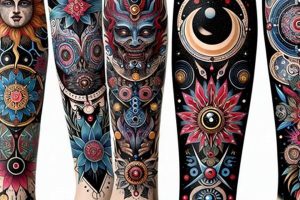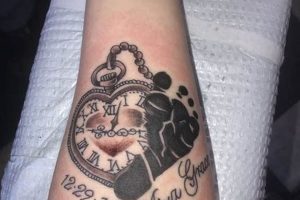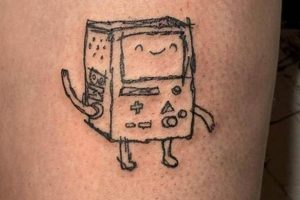



Temporary skin decorations designed for younger individuals often feature playful, colorful imagery like cartoon characters, animals, or whimsical patterns. These can be applied for special occasions, parties, or simply for fun, and are easily removed.
Such temporary adornments offer a safe and creative outlet for self-expression, allowing children to explore different identities and interests without the permanence of traditional tattoos. Historically, body painting and temporary markings have been used in various cultures for celebrations, rituals, and storytelling, providing a rich context for this contemporary practice. They can foster creativity and imagination, offering a playful way to engage with art and personal style.
Further exploration of this topic will cover design considerations, application techniques, safety precautions, and the cultural significance of temporary body art for children.
1. Safety

Safety is paramount when considering temporary skin decorations for children. The delicate nature of children’s skin necessitates careful selection of materials and application methods. Products must be non-toxic, hypoallergenic, and specifically formulated for cutaneous use. This minimizes risks of allergic reactions, skin irritation, or other adverse health effects. Opting for products compliant with relevant safety standards provides further assurance. For example, using temporary tattoos specifically designed for children, rather than adult products or permanent inks, drastically reduces potential harm. Thoroughly researching product ingredients and manufacturer reputations is crucial.
Beyond material safety, the application process itself warrants attention. Clean hands and a clean application area are essential to prevent infection. Adult supervision ensures proper application techniques and discourages children from applying products to sensitive areas like the eyes or mouth. Following manufacturer instructions precisely is vital for optimal safety. Furthermore, patch testing a small area of skin before widespread application can help identify potential sensitivities in advance. Prompt removal of the temporary tattoo if any irritation occurs demonstrates proactive safety management.
Prioritizing safety cultivates a positive experience with temporary skin decoration. Choosing safe products and following recommended practices not only protects children’s health but also fosters trust and responsibility. This approach encourages creative expression while minimizing potential risks, creating a foundation for future explorations of self-expression through temporary body art.
2. Age Appropriateness
Age appropriateness forms a critical cornerstone in the selection and application of temporary skin decorations for children. A child’s developmental stage significantly influences their understanding of symbolism, context, and the temporary nature of these adornments. Designs suitable for a toddler might differ drastically from those appropriate for a pre-teen. Younger children often gravitate towards simple, brightly colored imagery like cartoon characters or animals, while older children might express interest in more complex designs reflecting hobbies or popular culture trends. Failing to consider age appropriateness can lead to misinterpretations, discomfort, or even distress. For example, a young child might be frightened by a temporary tattoo depicting a realistic spider, even if intended to be fun, while an older child might find childish designs embarrassing.
The concept of age appropriateness extends beyond design selection to encompass the application process itself. Younger children typically require more assistance and supervision during application to ensure safety and prevent accidental ingestion of products. Older children, while capable of greater independence, still benefit from adult guidance in choosing appropriate designs and placement locations. This shared decision-making fosters open communication and reinforces the importance of responsible self-expression. Moreover, age appropriateness also considers the social context in which temporary tattoos are worn. Certain designs might be suitable for a birthday party but inappropriate for a school setting. Understanding these nuances helps children navigate social situations with confidence and avoid unintended negative consequences.
Respecting age appropriateness demonstrates consideration for a child’s developmental needs and social environment. By carefully selecting designs and involving children in the decision-making process, temporary skin decorations can serve as a positive platform for self-expression, creativity, and exploration of personal identity. This mindful approach ensures a safe, enjoyable, and age-appropriate experience, allowing children to engage with body art in a manner that aligns with their developmental stage and social context. It also fosters positive discussions around body image, self-expression, and the difference between temporary and permanent modifications.
3. Temporary Application

The temporary nature of skin decorations designed for children is a defining characteristic, directly influencing appropriate materials and application methods. This impermanence offers a safe and flexible avenue for creative expression, allowing experimentation without long-term commitment. Understanding the various facets of temporary application is crucial for ensuring both safety and enjoyment.
- Material Selection
Appropriate materials for temporary skin decorations prioritize safety and ease of removal. These typically include water-based paints, non-toxic markers specifically designed for skin, and adhesive stickers or stencils. Such materials minimize the risk of skin irritation and are easily washable or peelable. For instance, specialized face paints comply with cosmetic safety regulations, ensuring they are non-toxic and gentle on sensitive skin. Avoidance of permanent inks or dyes is crucial, given the potential for long-term health consequences and the inability to easily remove them.
- Application Methods
Application methods vary depending on the chosen material. Paints and markers typically require brushes, sponges, or stencils for controlled application. Adhesive stickers are pre-designed and simply require careful placement and pressing onto the skin. Proper application techniques are essential for achieving the desired aesthetic and minimizing mess or accidental transfer. For example, using a stencil when applying glitter tattoos ensures a clean, defined design, while applying face paint with a damp sponge achieves smoother coverage.
- Removal Process
Easy removal is a key advantage of temporary skin decorations. Water-based paints and markers readily wash off with soap and water. Adhesive stickers peel off easily, leaving minimal residue. Knowing the appropriate removal method for each material type ensures quick and clean removal without causing skin irritation. For instance, some adhesive tattoos may require gentle rubbing with baby oil or alcohol for complete removal, while others peel off effortlessly. Understanding these specific removal procedures simplifies the process and minimizes potential skin discomfort.
- Duration and Longevity
The temporary nature of these decorations implies a limited lifespan. Depending on the material and application, designs can last from a few hours to a few days. This temporary aspect allows children to frequently change their designs, exploring various styles and themes without long-term commitment. For example, a face paint design might last for a single event, while a glitter tattoo could last for several days. This limited duration aligns with the playful, exploratory nature of childhood self-expression, allowing for frequent changes and creative experimentation.
The temporary application aspect of children’s skin decorations allows for a safe, creative outlet that reflects the dynamic nature of childhood interests. The combination of safe materials, easy application and removal processes, and limited duration fosters a positive experience, encouraging self-expression and imaginative exploration without the permanence of traditional tattoos. This understanding reinforces the crucial role of temporary application in ensuring the safety, enjoyment, and creative potential of body art for children.
4. Creative Designs
Creative designs form the heart of temporary skin decorations for children, transforming simple adornments into meaningful expressions of individuality. The design process offers a unique opportunity to engage a child’s imagination, fostering creativity and allowing exploration of personal interests in a safe, temporary format. A well-chosen design can spark joy, tell a story, or celebrate a special occasion, enhancing the overall experience and creating lasting memories.
- Theme Selection
Thematic designs provide a framework for creative exploration, aligning with a child’s interests, passions, or the occasion. Popular themes include favorite animals, cartoon characters, superheroes, nature motifs, or festive holiday designs. For example, a child fascinated by dinosaurs might choose a temporary tattoo featuring a Tyrannosaurus Rex, while a child attending a birthday party might opt for a celebratory cake or balloon design. Theme selection provides a starting point for the design process, channeling creativity and ensuring relevance to the child’s individual preferences.
- Color Palette
Color plays a crucial role in the visual appeal and emotional impact of temporary skin decorations. Bright, vibrant colors often resonate with children, evoking feelings of joy and excitement. Subtle, pastel shades can create a softer, more whimsical aesthetic. The chosen color palette can also complement the selected theme, enhancing its visual storytelling. A rainbow design, for instance, might incorporate a full spectrum of vibrant colors, while a floral design could utilize softer pastels. Understanding color psychology and its impact on mood and perception allows for the creation of designs that resonate with a child’s sensibilities.
- Design Complexity
Design complexity should align with a child’s age and developmental stage. Younger children often prefer simpler designs with clear, recognizable imagery. Older children might appreciate more intricate patterns or detailed illustrations. A toddler might enjoy a simple heart or star design, while a pre-teen might be drawn to a more complex design featuring their favorite band’s logo. Matching design complexity to a child’s developmental capabilities ensures engagement and appreciation of the chosen design.
- Personalization
Adding personalized elements elevates temporary skin decorations from generic adornments to unique expressions of individuality. Incorporating a child’s name, initials, or a special date into the design adds a personal touch, making it even more meaningful. For example, a temporary tattoo featuring a butterfly could be personalized with the child’s name written across the wings, creating a unique keepsake. This element of personalization fosters a sense of ownership and pride, transforming the temporary tattoo into a cherished memento.
Creative designs in temporary skin decorations provide a canvas for self-expression and imaginative exploration, transforming simple adornments into meaningful representations of a child’s personality and interests. By carefully considering theme selection, color palette, design complexity, and personalization, temporary tattoos can become powerful tools for fostering creativity, celebrating individuality, and creating cherished memories. These creative elements contribute significantly to the overall positive experience of temporary body art for children, promoting self-esteem and providing a fun, safe outlet for creative exploration.
5. Parental Involvement

Parental involvement plays a crucial role in ensuring the safe and positive experience of temporary skin decorations for children. This involvement spans various aspects, from initial discussion and design selection to application and removal. Active parental participation safeguards children’s well-being and fosters open communication about self-expression and body image. A parent’s guidance helps children make informed decisions about appropriate designs, placement, and materials, minimizing potential risks and maximizing creative enjoyment. For example, a parent can research safe, non-toxic products and discuss age-appropriate design choices with their child. They can also supervise the application process, ensuring proper hygiene and preventing application to sensitive areas.
Beyond safety considerations, parental involvement transforms the temporary tattoo experience into a shared activity, strengthening the parent-child bond. Engaging in discussions about design choices, exploring different themes, and applying the decorations together creates opportunities for connection and shared creativity. This shared experience fosters positive communication and allows parents to impart valuable lessons about responsible self-expression and the difference between temporary and permanent body modifications. For instance, applying temporary tattoos together for a themed birthday party can become a fun, memorable family activity, fostering creativity and shared enjoyment. This shared experience also provides an opportunity to discuss the temporary nature of the decorations, reinforcing the understanding that body art can be a playful and transient form of self-expression.
Effective parental involvement establishes clear boundaries and expectations surrounding temporary skin decorations. Open communication about appropriate occasions, placement limitations, and removal procedures ensures that children understand the temporary nature of these adornments and their appropriate context. This guidance helps children develop a healthy understanding of body image and self-expression, promoting responsible decision-making and preventing potential misunderstandings or social discomfort. By establishing clear guidelines and fostering open dialogue, parents equip children with the knowledge and skills to navigate the world of temporary body art safely and responsibly, fostering a positive and enriching experience for all involved. This approach emphasizes the importance of parental guidance in nurturing children’s creative exploration while prioritizing their safety and well-being.
Tips for Temporary Skin Decorations for Children
The following tips provide guidance for ensuring a safe, enjoyable, and age-appropriate experience with temporary skin decorations for children. These recommendations emphasize safety, creativity, and responsible decision-making.
Tip 1: Prioritize Safety
Always select products specifically designed for children’s skin. Look for non-toxic, hypoallergenic formulations compliant with relevant safety standards. Avoid using permanent inks or dyes. A patch test on a small area of skin is recommended before wider application. Adult supervision during application and removal is crucial.
Tip 2: Consider Age Appropriateness
Select designs that align with a child’s developmental stage and understanding. Simple, brightly colored imagery is often suitable for younger children, while older children may appreciate more complex designs. Involve children in the design selection process, encouraging their input and preferences.
Tip 3: Opt for Temporary Application Methods
Choose materials that are easily removable, such as water-based paints, non-toxic markers, or adhesive stickers. Follow manufacturer instructions carefully for both application and removal. Ensure proper hygiene by using clean hands and a clean application area.
Tip 4: Encourage Creative Expression
Provide opportunities for children to explore their creativity through design selection, color choices, and personalized elements. Offer a variety of design options and materials to stimulate imagination and self-expression. Consider using stencils or stamps to facilitate intricate designs.
Tip 5: Establish Clear Guidelines
Communicate clear expectations regarding appropriate occasions, placement limitations, and removal procedures. Discuss the temporary nature of these decorations and their distinction from permanent tattoos. Establish open communication to address any questions or concerns.
Tip 6: Research Product Quality
Thoroughly research product ingredients and manufacturer reputations before making a purchase. Look for reputable brands known for their commitment to safety and quality. Read product reviews and seek recommendations from other parents or experts.
Tip 7: Supervise Application and Removal
Adult supervision is essential throughout the entire process, from application to removal. Ensure proper application techniques and prevent application to sensitive areas such as the eyes or mouth. Supervise the removal process to minimize skin irritation and ensure complete removal of the product.
Adhering to these guidelines ensures a positive and enriching experience with temporary skin decorations, fostering creativity and self-expression while prioritizing children’s safety and well-being. These tips equip parents and caregivers with the knowledge to make informed decisions and guide children in exploring body art responsibly.
By following these guidelines, temporary skin decorations can become a valuable tool for creative expression, fostering imagination and self-esteem in a safe and enjoyable manner. This concludes the discussion on tips and recommendations.
Frequently Asked Questions about Temporary Skin Decorations for Children
This section addresses common inquiries regarding temporary skin decorations for children, providing clarity on safety, application, and responsible practices.
Question 1: What types of temporary skin decorations are safe for children?
Products specifically designed for children’s skin, such as water-based paints, non-toxic markers, and adhesive stickers, are generally considered safe. Avoid permanent inks or dyes.
Question 2: How long do temporary skin decorations typically last?
The duration varies depending on the material and application method, typically ranging from a few hours to a few days.
Question 3: How can temporary skin decorations be removed safely?
Water-based paints and markers can be removed with soap and water. Adhesive stickers can be peeled off gently. Specific removal instructions may vary depending on the product.
Question 4: Are there any age restrictions for temporary skin decorations?
While there are no strict age restrictions, design selection and application methods should be age-appropriate. Adult supervision is crucial, particularly for younger children.
Question 5: What precautions should be taken before applying temporary skin decorations?
Perform a patch test on a small area of skin to check for potential sensitivities. Ensure the application area is clean. Follow manufacturer instructions carefully.
Question 6: Where should temporary skin decorations not be applied?
Avoid applying decorations to sensitive areas such as the eyes, mouth, or broken skin. Be mindful of potential irritations or allergies.
Careful consideration of these frequently asked questions ensures informed decision-making and promotes responsible use of temporary skin decorations for children.
The next section will explore various design ideas suitable for different age groups and interests.
Conclusion
Exploration of temporary skin decorations for children necessitates careful consideration of safety, age appropriateness, and creative expression. Non-toxic materials, appropriate application methods, and designs aligned with a child’s developmental stage are paramount. Parental involvement remains crucial throughout the process, fostering responsible decision-making and open communication.
Temporary skin decorations offer a valuable avenue for creative exploration and self-expression without the permanence of traditional tattoos. Prioritizing safety and fostering open communication empowers children to engage with body art responsibly, promoting a positive and enriching experience that nurtures both creativity and well-being.