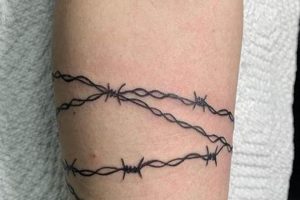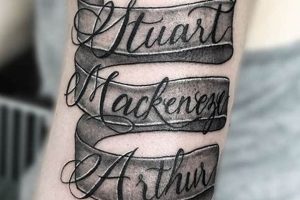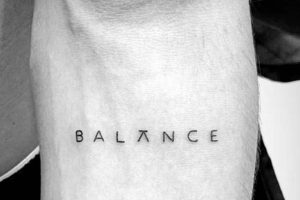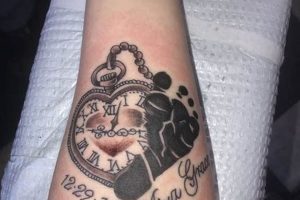



Small, discreet designs placed on the skin just behind the ear have become a popular form of self-expression. This area offers a unique canvas for various artistic styles, from minimalist lines and symbols to intricate, detailed artwork. Examples include delicate florals, single words, or small portraits of beloved pets.
The subtle placement offers a sense of intimacy and personal significance. This body art can be easily concealed by hair, allowing for a private display of personal taste or a meaningful reminder. Historically, ear decoration has been a cross-cultural practice, ranging from simple piercings to elaborate jewelry. Contemporary small tattoos in this location offer a modern interpretation of this tradition, appealing to those seeking subtle yet impactful adornment.
Exploration of specific design concepts, pain management advice, aftercare instructions, and reputable artists specializing in this delicate area will further inform those considering this form of body art.
1. Size and Placement

The area behind the ear presents a unique canvas for tattoo art, demanding careful consideration of size and placement to achieve aesthetically pleasing and technically sound results. A harmonious balance between design and available space is essential for maximizing visual impact and ensuring proper healing.
- Anatomical Considerations
The curvature and limited space behind the ear necessitate designs specifically tailored to this area. Larger pieces may wrap around the ear or extend onto the neck, while smaller designs can nestle discreetly within the contours. Understanding the underlying bone structure and tissue sensitivity is crucial for both design choices and comfort during the tattooing process.
- Scale and Proportion
Miniature designs, such as fine linework, small symbols, or single words, often harmonize well with the delicate nature of this location. Larger, more complex designs require careful planning to avoid a crowded or disproportionate appearance. The size of the design should complement the individual’s anatomy and desired level of visibility.
- Visibility and Concealment
The area behind the ear offers a degree of concealability, allowing individuals to choose between displaying or hiding their body art. Placement higher on the ear provides greater visibility, while designs positioned closer to the hairline can be easily covered by hair. This factor influences design choices based on personal preferences for discretion.
- Design Orientation and Flow
The natural curves of the ear and neck influence the optimal orientation of the design. Designs can follow the ear’s contour, extend downwards towards the neck, or wrap around the ear itself. Careful consideration of the design’s flow ensures a harmonious integration with the body’s natural lines.
Careful consideration of these factors ensures a successful and aesthetically pleasing outcome. A well-planned design, appropriate for the specific anatomy and desired aesthetic, results in a harmonious blend of art and body.
2. Design Aesthetics

Design aesthetics play a pivotal role in the success of tattoos placed behind the ear. This area’s small scale and visibility necessitate careful consideration of stylistic elements to ensure a visually appealing and meaningful result. The interplay of linework, color, and imagery contributes significantly to the overall impact of the tattoo.
Minimalist designs, characterized by clean lines and simple forms, frequently complement the delicate nature of this location. Single-needle tattoos, utilizing fine lines to create intricate details, offer a subtle yet impactful aesthetic. Geometric patterns, often incorporating symmetry and precise angles, provide a modern and visually striking option. Script tattoos, featuring elegant lettering or meaningful quotations, can convey personal messages in a discreet manner. Floral motifs, ranging from simple outlines to detailed renderings, offer a timeless and elegant aesthetic. Small animal portraits, capturing the essence of a beloved pet, provide a lasting tribute within a confined space. Abstract designs, utilizing shapes and colors to evoke emotions or concepts, offer a unique and personalized touch. The choice of style should harmonize with individual preferences and the desired level of symbolism.
Effective use of negative space, allowing the skin to show through as part of the design, can enhance visual interest and create a sense of depth. Color choices, whether vibrant or muted, contribute significantly to the overall mood and impact. Black and grey realism, focusing on intricate shading and detail, can create stunning miniature portraits or depictions of natural elements. Watercolor-style tattoos, characterized by flowing colors and soft edges, offer a vibrant and artistic expression. Ultimately, the chosen aesthetic should reflect personal style and enhance the individual’s overall presentation. Careful consideration of these elements ensures a cohesive and aesthetically pleasing result that complements the unique canvas behind the ear.
3. Pain Management

Pain management constitutes a crucial aspect of the tattooing process, particularly for sensitive areas like the skin behind the ear. This area’s proximity to bone and thin skin can increase sensitivity, making effective pain mitigation essential for a comfortable experience. Understanding the physiological basis of tattoo pain, coupled with available management strategies, empowers individuals to approach the procedure with greater confidence and minimize discomfort.
Tattooing inherently involves needles penetrating the skin to deposit ink, triggering pain receptors. Individual pain thresholds vary, influenced by factors such as genetics, previous tattoo experience, and overall health. The thin skin and proximity to bone behind the ear contribute to heightened sensitivity in this area. Effective pain management strategies range from topical anesthetic creams, applied prior to the procedure to numb the area, to over-the-counter pain relievers taken as directed. Deep breathing techniques and meditation can also help manage discomfort by promoting relaxation and reducing anxiety. Open communication with the tattoo artist regarding pain levels throughout the process allows for adjustments in technique or breaks as needed. Avoiding alcohol and caffeine before the procedure can also minimize discomfort and bleeding.
Proper pain management contributes significantly to a positive tattooing experience, particularly for sensitive locations. By understanding the factors influencing pain perception and utilizing appropriate strategies, individuals can minimize discomfort and ensure a more comfortable and successful outcome. This allows for greater focus on the artistic process and minimizes potential complications arising from excessive pain or anxiety. Ultimately, a comprehensive approach to pain management optimizes the overall experience and contributes to a positive outcome for both the client and the artist.
4. Aftercare Practices

Diligent aftercare practices are essential for ensuring the longevity and vibrancy of tattoos, especially those located behind the ear. This area’s unique characteristics, including its tendency to accumulate moisture and its frequent contact with hair and hair products, necessitate a tailored approach to aftercare. Neglecting proper aftercare can lead to complications such as infection, ink fading, or scarring. Understanding the specific needs of this sensitive area is crucial for preserving the integrity of the artwork.
The healing process for a behind-the-ear tattoo typically involves keeping the area clean and moisturized. Gentle cleansing with fragrance-free soap and water removes excess ink, plasma, and debris. Application of a thin layer of unscented, hypoallergenic moisturizer prevents excessive dryness and promotes skin regeneration. Avoiding harsh chemicals, including hair products and perfumes, minimizes irritation and potential allergic reactions. Protecting the tattoo from direct sunlight during the healing phase prevents premature fading and discoloration. Refraining from touching or picking at the tattoo reduces the risk of infection and scarring. Careful adherence to these practices promotes optimal healing and preserves the clarity of the design.
Consistent adherence to a tailored aftercare regimen contributes significantly to the long-term aesthetic of a behind-the-ear tattoo. These practices minimize the risk of complications and maintain the vibrancy of the ink over time. Consultation with a reputable tattoo artist provides personalized guidance and ensures appropriate aftercare tailored to individual skin type and the specific tattoo design. Diligent attention to these details demonstrates a commitment to preserving the artistic integrity of the tattoo and ensuring a positive healing outcome. This meticulous approach safeguards the investment in body art and contributes to a lasting and visually appealing result.
5. Artist Selection
Artist selection holds paramount importance when considering a tattoo behind the ear. This area’s delicate nature and limited space necessitate a skilled artist capable of executing intricate designs with precision. An experienced artist understands the anatomical nuances of this location, ensuring the design complements the ear’s curvature and minimizes discomfort during the procedure. Their expertise extends to selecting appropriate needle sizes and ink types for fine lines and detailed work, crucial for achieving optimal results in a confined space. Portfolios showcasing previous work in this specific area provide valuable insight into an artist’s proficiency. Examples of successful behind-ear tattoos demonstrate an artist’s ability to create visually appealing and technically sound artwork tailored to this unique canvas.
A skilled artist also possesses a thorough understanding of hygiene and aftercare protocols. Sterile equipment and proper sanitation practices minimize the risk of infection, a critical consideration for any tattoo, especially in a sensitive area. Clear and comprehensive aftercare instructions provided by the artist promote optimal healing and preserve the longevity of the tattoo. Furthermore, effective communication between the client and artist is essential. A collaborative approach allows for a thorough discussion of design preferences, placement considerations, and potential challenges specific to behind-ear tattoos. This ensures the final result aligns with the client’s vision and minimizes the risk of complications or dissatisfaction. Choosing an artist specializing in fine linework or small-scale designs further enhances the likelihood of a successful outcome.
Ultimately, selecting a qualified and experienced artist significantly impacts the aesthetic and longevity of a behind-the-ear tattoo. Thorough research, portfolio review, and open communication are essential steps in this selection process. Prioritizing experience, technical skill, and a commitment to hygiene ensures a positive experience and a visually appealing result that withstands the test of time. This careful approach to artist selection represents a crucial investment in the quality and longevity of the artwork. The delicate nature of this placement demands an artist capable of executing the design with precision and artistry, resulting in a beautiful and lasting piece of body art.
Tips for Behind-Ear Tattoos
Careful planning ensures a successful and aesthetically pleasing behind-ear tattoo. Consider these tips before committing to a design.
Tip 1: Size Matters: Small, minimalist designs often work best due to the limited space. Intricate details can get lost or appear crowded. Consider simple lines, small symbols, or short text.
Tip 2: Placement is Key: The curvature of the ear affects the design’s visibility and how it interacts with hairstyles. Placement higher on the ear increases visibility, while lower placements offer more discretion.
Tip 3: Design with the Ear in Mind: Designs should complement the ear’s shape. Flowing lines and shapes often work better than rigid or angular designs. Consider how the tattoo will look from different angles.
Tip 4: Consult a Specialist: Choose a tattoo artist experienced with behind-ear tattoos. They understand the anatomical challenges and can offer expert advice on design and placement.
Tip 5: Pain Tolerance and Management: This area is considered more sensitive than some other tattoo locations. Discuss pain management options with the artist beforehand.
Tip 6: Aftercare is Crucial: This area can be prone to moisture buildup. Follow aftercare instructions meticulously to ensure proper healing and prevent infection.
Tip 7: Hair and Product Considerations: Be mindful of hair products and how they might interact with the healing tattoo. Opt for fragrance-free and hypoallergenic products during the healing process. Consider hairstyles that won’t rub against the fresh tattoo.
Careful consideration of these factors contributes to a successful behind-ear tattoo experience. Planning ensures a design that complements individual anatomy and personal style.
These considerations provide a solid foundation for making informed decisions about design, placement, and artist selection, ensuring a positive and aesthetically pleasing outcome.
Frequently Asked Questions
Individuals considering a tattoo behind the ear often have specific questions regarding the process, aftercare, and potential risks. The following addresses common inquiries to provide clarity and facilitate informed decision-making.
Question 1: How painful are behind-ear tattoos?
Pain levels vary due to individual tolerances and the specific location on the ear. Generally, the area is considered more sensitive than other tattoo locations due to thin skin and proximity to bone. Consultations with tattoo artists allow for discussions about pain management strategies.
Question 2: How long do behind-ear tattoos take to heal?
Healing typically requires 2-4 weeks. Adherence to aftercare instructions, including keeping the area clean and moisturized, promotes optimal healing and minimizes the risk of complications.
Question 3: What are the best design choices for behind-ear tattoos?
Small, minimalist designs, such as simple lines, small symbols, or short text, tend to complement the limited space. Consultation with an experienced artist assists in selecting a design appropriate for the area’s curvature and individual preferences.
Question 4: Can hair products affect a healing behind-ear tattoo?
Hair products, particularly those containing fragrances or harsh chemicals, can irritate a healing tattoo. Opting for fragrance-free and hypoallergenic products during the healing process minimizes potential complications.
Question 5: How much do behind-ear tattoos typically cost?
Costs depend on factors such as design complexity, artist experience, and studio location. Consulting with prospective artists provides accurate pricing information.
Question 6: What are the potential risks associated with behind-ear tattoos?
Potential risks include infection, allergic reactions to ink, and scarring. Choosing a reputable artist adhering to strict hygiene protocols and following proper aftercare instructions minimizes these risks.
Careful consideration of these factors facilitates a successful and enjoyable tattooing experience. Consultation with experienced professionals provides personalized guidance and addresses individual concerns thoroughly. This informed approach ensures the desired aesthetic outcome and minimizes potential complications.
Further exploration of specific design styles, artist portfolios, and aftercare practices equips individuals with the knowledge necessary to make informed decisions about this unique form of self-expression.
Behind Ear Tattoo Ideas
Exploration of discreet body art positioned behind the ear reveals a canvas rich with potential for personal expression. Careful consideration of design aesthetics, appropriate sizing, and anatomical factors ensures successful integration of artwork with the individual’s form. Pain management strategies, coupled with diligent aftercare practices, contribute to a positive experience and optimal healing. Selection of a skilled artist specializing in this delicate area remains paramount for achieving desired results and minimizing potential risks.
Permanent body modification requires informed decision-making. Thorough research, consultation with reputable artists, and realistic expectations are essential components of a fulfilling artistic journey. The placement’s inherent intimacy underscores the importance of thoughtful design choices, reflecting personal narratives and aesthetic preferences. This deliberate approach transforms a small canvas into a powerful statement of self-expression.