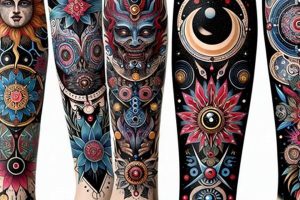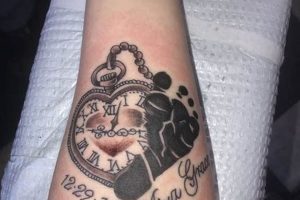



Tattoos depicting strands of sharp wire, often intertwined, represent a specific aesthetic. These designs can range from simple, single-strand depictions to complex arrangements incorporating other elements. A single band around the bicep, for example, might symbolize strength and resilience, while a more elaborate design interwoven with flowers could represent the complexities of love and loss. The imagery evokes themes of protection, boundaries, confinement, sacrifice, and remembrance.
The historical context of this imagery draws upon the practical application of barbed wire as a barrier. Its association with confinement and division lends itself to symbolic representation in body art, conveying both physical and emotional boundaries. Furthermore, the enduring nature of both the material and the tattoo itself signifies commitment, resilience, and the lasting impact of experiences. The capacity for personalization through size, placement, and accompanying imagery allows individuals to create unique and meaningful representations of personal narratives.
Exploring the diverse artistic interpretations of this potent symbol reveals a spectrum of styles and meanings. Considerations such as placement on the body, artistic style (e.g., realistic, tribal, geometric), and the inclusion of additional elements (e.g., flowers, crosses, hearts) all contribute to the overall narrative of the design. Examining these nuances provides a deeper understanding of the artistic potential and symbolic significance embodied in this form of body art.
1. Placement

The location of a barbed wire tattoo significantly influences its visual impact and symbolic meaning. Placement choices contribute to the overall aesthetic and narrative of the design. Careful consideration of body contours and the intended message ensures a cohesive and impactful result.
- Arm Bands
Encircling the bicep, forearm, or wrist, arm band placements evoke themes of strength, protection, and resilience. This placement often mimics the function of actual barbed wire, emphasizing a barrier or boundary, whether physical or emotional. The continuous loop can also symbolize enduring qualities or cyclical processes.
- Chest and Ribcage
Across the chest or along the ribcage, these placements convey deeply personal meanings. The proximity to the heart associates the design with matters of love, loss, and emotional vulnerability. The curvature of the ribs allows for dynamic and expressive lines, enhancing the visual impact.
- Leg and Ankle
Barbed wire tattoos around the leg or ankle often represent groundedness, overcoming obstacles, or the journey through life. The placement can emphasize movement and progress. The ankle, in particular, can symbolize foundations and the steps taken on a personal path.
- Back and Shoulder
Larger and more intricate designs often find a home on the back or shoulder. These placements offer greater surface area for detailed artistry, incorporating additional elements and symbolism. The back, specifically, can represent burdens carried or the strength to bear them.
Ultimately, placement choices should complement the specific symbolism and style of the barbed wire tattoo. By strategically positioning the design, individuals can effectively communicate their chosen narrative and enhance the visual power of the tattoo.
2. Symbolism

Symbolism plays a crucial role in the design and interpretation of barbed wire tattoos. The inherent visual qualities of barbed wireits sharp edges, intertwined structure, and function as a barrierlend themselves to a range of symbolic interpretations. Understanding these symbolic associations provides a deeper appreciation for the individual narratives conveyed through these designs.
- Protection and Defense
Barbed wire’s primary function as a barrier translates readily to symbolic representations of protection, boundaries, and defense mechanisms. A barbed wire tattoo can signify a guarded nature, the establishment of personal limits, or a desire to keep emotional or physical harm at bay. This protective symbolism can also extend to loved ones, representing a commitment to safeguarding those within one’s circle.
- Confinement and Restriction
Conversely, barbed wire can also symbolize confinement, restriction, and the feeling of being trapped. This interpretation may resonate with individuals who have experienced periods of limitation, whether physical or emotional. The imagery can evoke feelings of being held back or struggling against constraints, representing a desire for freedom and liberation from difficult circumstances.
- Resilience and Strength
The enduring nature of barbed wire, its ability to withstand harsh conditions, lends itself to symbolic representations of resilience, strength, and the ability to overcome adversity. A barbed wire tattoo can signify an individual’s capacity to endure hardship, bounce back from challenges, and emerge stronger from difficult experiences. The sharp points also suggest an unwillingness to yield, reflecting inner strength and determination.
- Loss and Remembrance
In some contexts, barbed wire tattoos can serve as memorials or symbols of loss, particularly related to experiences of conflict or imprisonment. The imagery can evoke the sacrifices made, the pain endured, and the lasting impact of traumatic events. When combined with other elements, such as names, dates, or religious symbols, the barbed wire further personalizes the memorial, expressing remembrance and honoring the past.
The versatility of barbed wire as a symbolic element allows for a wide range of personal interpretations. The specific meaning conveyed often depends on the individual’s experiences, the chosen placement, and the inclusion of other symbolic elements. By carefully considering these factors, individuals can create tattoos that resonate deeply with their personal narratives and effectively communicate their chosen message.
3. Style (realistic, tribal)

Artistic style significantly impacts the aesthetic and symbolic interpretation of barbed wire tattoos. The chosen style influences the overall mood, visual impact, and the way the design interacts with the body’s contours. Exploring different stylistic approaches reveals the diverse expressive possibilities within this specific tattoo theme.
- Realism
Realistic depictions of barbed wire emphasize the material’s texture and three-dimensional form. Fine details, shading, and precise linework create the illusion of actual barbed wire wrapped around the body. This style often conveys a sense of rawness and intensity, amplifying the symbolic associations with pain, resilience, or confinement. Realistic barbed wire tattoos can serve as powerful reminders of personal experiences or act as visceral symbols of overcoming adversity.
- Tribal
Tribal styles offer a more abstract and stylized interpretation of barbed wire. Bold lines, geometric patterns, and often black ink characterize this approach. Tribal barbed wire tattoos can represent cultural heritage, ancestral connections, or a primal connection to strength and protection. The abstract nature of this style allows for greater creative freedom, incorporating traditional motifs and personal symbolism within the barbed wire design.
- Blackwork
Blackwork, characterized by its solid black ink coverage and bold lines, creates a striking visual impact. Barbed wire rendered in blackwork can evoke a sense of power, mystery, and rebellion. This style often emphasizes the barbed wire’s function as a barrier or boundary, symbolizing protection, defiance, or a separation from societal norms. The stark contrast of black ink against skin creates a visually arresting design.
- Watercolor
The watercolor style introduces a softer, more fluid aesthetic to barbed wire tattoos. Blending vibrant colors and diffused lines creates a dreamlike or ethereal effect. This style can soften the harshness often associated with barbed wire imagery, representing themes of hope, healing, or the beauty that can emerge from struggle. The watercolor technique allows for creative expression through color choices, reflecting individual emotions and experiences.
The chosen artistic style directly contributes to the overall message and impact of a barbed wire tattoo. By carefully considering the desired aesthetic and symbolic implications, individuals can select a style that effectively communicates their personal narrative. The interplay between style and symbolism creates a powerful form of self-expression, transforming the simple image of barbed wire into a unique and meaningful piece of body art.
4. Additional Elements

Incorporating additional elements into barbed wire tattoo designs adds layers of complexity and personal meaning. These additions can transform a simple barbed wire image into a richer narrative, reflecting individual experiences, beliefs, and aesthetic preferences. The careful selection and placement of these elements contribute significantly to the overall impact and symbolism of the tattoo.
- Flowers
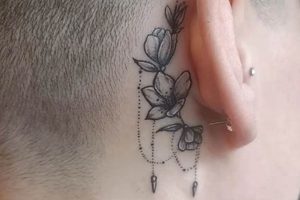
Flowers, often representing beauty, growth, and resilience, create a compelling juxtaposition when combined with barbed wire. Roses, in particular, symbolize love, loss, and remembrance, adding a layer of emotional depth to the design. The contrast between the delicate petals and the sharp wire can represent the duality of life, the interplay between beauty and pain, or the ability to find growth amidst adversity. Other floral choices, such as lilies (purity), poppies (remembrance), or lotus flowers (spiritual enlightenment), can further personalize the symbolic meaning.
- Crosses and Religious Symbols
Integrating crosses or other religious symbols connects the barbed wire imagery to themes of faith, sacrifice, and redemption. The barbed wire might symbolize the burdens borne or the challenges overcome in one’s spiritual journey. Combining a cross with barbed wire can represent the sacrifices made by religious figures or the struggles faced by individuals maintaining their faith. Other religious symbols, such as angels, praying hands, or scriptural verses, can further personalize the tattoo’s spiritual significance.
- Names and Dates
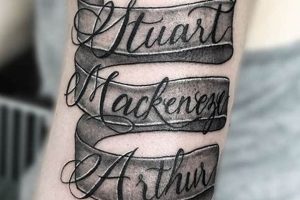
Adding names and dates transforms the barbed wire tattoo into a personalized memorial or tribute. This combination often commemorates significant life events, honoring loved ones lost, or marking periods of personal struggle and triumph. The barbed wire can symbolize the enduring impact of these experiences, while the names and dates provide specific context and emotional weight. This element adds a deeply personal and poignant layer to the design.
- Animals and Insects
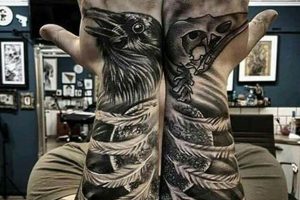
Incorporating animals or insects further expands the symbolic possibilities of barbed wire tattoos. Birds, for instance, can represent freedom, transcendence, or the overcoming of obstacles. Snakes symbolize transformation, healing, or hidden dangers. Butterflies represent metamorphosis, resilience, and the beauty of transformation. The specific animal chosen adds unique layers of symbolism, reflecting individual connections with nature, personal totems, or specific animalistic qualities.
These additional elements weave intricate narratives within the framework of barbed wire tattoos. The interplay between the barbed wire’s inherent symbolism and the added elements creates a complex and personalized design. By carefully selecting and integrating these components, individuals can craft tattoos that reflect their unique experiences, beliefs, and aesthetic sensibilities, transforming a simple image into a powerful statement of personal meaning.
5. Customization
Customization is paramount in realizing the full expressive potential of barbed wire tattoo ideas. A genuinely unique and meaningful tattoo emerges from adapting the core concept to individual narratives and aesthetic preferences. Customization options allow the wearer to communicate specific messages, commemorate personal experiences, and ensure the design resonates deeply with their identity. The seemingly simple image of barbed wire becomes a canvas for personal expression through considered modifications.
Several factors contribute to the customization process. Size, for instance, dramatically affects the visual impact and placement possibilities. A small, delicate strand of barbed wire around the wrist carries a different message than a large, intricate design encompassing the entire back. Color also plays a significant role; while black ink remains a classic choice, incorporating color allows for greater personalization and symbolic depth. Shades of red might evoke passion or sacrifice, while blues and greens could represent hope or resilience. Furthermore, the specific gauge and style of the barbed wire itself offer opportunities for customization. A thicker, more pronounced wire conveys strength and resilience, while a thinner, more delicate depiction might symbolize vulnerability or fragility.
The practical significance of customization lies in transforming a common motif into a unique piece of personal art. Without customization, the barbed wire tattoo remains a generic image. By considering the specific symbolism, desired aesthetic, and personal narrative, individuals can collaborate with skilled tattoo artists to create designs that authentically represent their individuality. This process elevates the tattoo from a mere image to a powerful symbol of personal expression, ensuring its lasting resonance and meaning for the wearer. Ultimately, customization is the key to unlocking the full potential of barbed wire tattoo ideas, transforming a simple concept into a powerful and deeply personal statement.
Tips for Barbed Wire Tattoo Designs
Careful planning ensures a successful and meaningful barbed wire tattoo. Consideration of these tips facilitates informed decisions, resulting in a design that resonates with personal style and intended symbolism.
Tip 1: Research Thoroughly
Explore various designs and artistic styles before committing. Gathering inspiration from diverse sourcesonline galleries, tattoo magazines, and artists’ portfoliosallows for informed decision-making and clarifies personal preferences.
Tip 2: Consult a Professional Tattoo Artist
Professional artists offer expertise in design, placement, and technique. Consultation provides valuable insights, addresses technical considerations, and ensures the final design aligns with individual expectations. A collaborative approach yields optimal results.
Tip 3: Consider Placement Carefully
Placement impacts both visibility and symbolic meaning. Reflect on personal preferences and the intended message. The body’s natural contours should complement the design, enhancing its visual impact and symbolic resonance.
Tip 4: Reflect on Personal Symbolism
Barbed wire carries diverse symbolic meanings. Personal experiences and intended messages should inform design choices. Aligning symbolism with personal narratives creates a deeply meaningful and resonant tattoo.
Tip 5: Choose a Style that Resonates
Artistic style significantly influences the tattoo’s overall aesthetic. Explore various stylesrealism, tribal, blackwork, watercolorto identify an approach that complements the chosen symbolism and personal preferences. Style selection contributes significantly to the final visual impact.
Tip 6: Plan for Long-Term Care
Tattoos require ongoing care to maintain their vibrancy and integrity. Understanding aftercare proceduresproper cleaning, moisturizing, and sun protectionensures the longevity and visual appeal of the design. Commitment to aftercare preserves the tattoo’s quality over time.
Tip 7: Embrace the Customization Process
Customization transforms a common motif into a unique personal statement. Collaborate with the artist to incorporate elements, adjust size and color, and ensure the design reflects individual preferences and narrative. Customization is key to a truly meaningful tattoo.
Careful consideration of these tips empowers informed decisions, resulting in a barbed wire tattoo that resonates with personal meaning and aesthetic preferences. The process of thoughtful planning yields a lasting piece of body art that effectively communicates individual narratives and symbolic significance.
Ultimately, a well-planned and executed barbed wire tattoo serves as a powerful form of self-expression. By heeding these guidelines, individuals can create body art that reflects their unique stories and resonates with personal meaning for years to come.
Frequently Asked Questions about Barbed Wire Tattoos
This section addresses common inquiries regarding barbed wire tattoo designs, providing factual information and clarifying potential misconceptions.
Question 1: Are barbed wire tattoos only associated with negative symbolism?
While often associated with confinement or pain, barbed wire tattoos can also symbolize resilience, protection, and overcoming adversity. The specific meaning depends on individual interpretation and incorporated elements.
Question 2: How painful is a barbed wire tattoo?
Pain levels vary based on individual pain tolerance, placement, and design complexity. Areas with thinner skin or closer proximity to bone tend to be more sensitive. Consulting with a tattoo artist allows for discussion of pain management techniques.
Question 3: What is the average cost of a barbed wire tattoo?
Cost depends on factors such as size, complexity, artist’s experience, and studio location. Small, simple designs typically cost less than larger, more intricate pieces. Obtaining quotes from multiple artists is recommended.
Question 4: How long does a barbed wire tattoo take to heal?
Healing time typically ranges from two to four weeks, depending on individual healing rates and proper aftercare. Following the artist’s aftercare instructions is crucial for proper healing and preventing complications.
Question 5: Can barbed wire tattoos be easily covered up or removed?
Covering up or removing a barbed wire tattoo depends on its size, color, and location. Laser removal is often effective but requires multiple sessions. Consultations with tattoo artists or laser removal specialists provide tailored advice.
Question 6: Are there cultural or historical considerations for barbed wire tattoos?
Barbed wire holds various meanings across different cultures and historical contexts. Researching potential cultural associations ensures sensitivity and avoids unintentional misinterpretations.
Understanding these frequently asked questions facilitates informed decision-making and ensures realistic expectations when considering a barbed wire tattoo. Thorough research and consultation with experienced professionals are crucial for a positive and meaningful tattoo experience.
Further exploration of specific design elements and symbolic interpretations allows for a deeper understanding of the artistic and personal potential of barbed wire tattoos.
Barbed Wire Tattoo Ideas
Exploration of barbed wire tattoo ideas reveals a potent symbol capable of conveying diverse meanings. Placement, style, and incorporated elements significantly influence the narrative communicated through these designs. From representing resilience and protection to confinement and remembrance, the barbed wire motif offers a versatile canvas for personal expression. Careful consideration of symbolic associations and artistic styles allows individuals to craft tattoos that resonate deeply with personal experiences and beliefs.
The enduring nature of both the imagery and the tattoo itself underscores the significance of thoughtful design choices. Barbed wire tattoos offer a powerful means of communicating personal narratives, transforming a simple image into a lasting symbol of individual journeys and experiences. Further exploration of individual symbolism and artistic interpretations allows for continued evolution and personalization within this compelling form of body art.