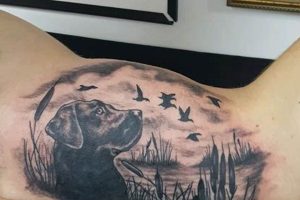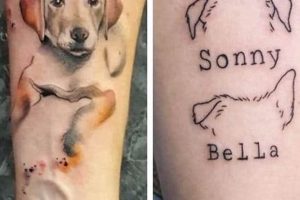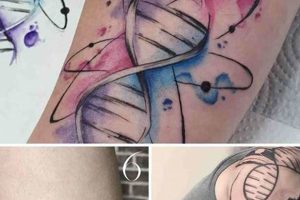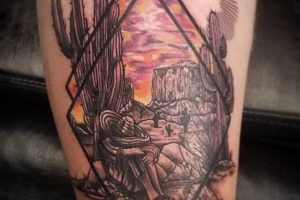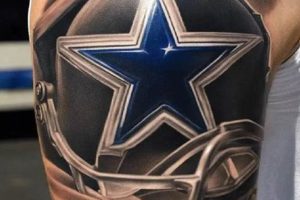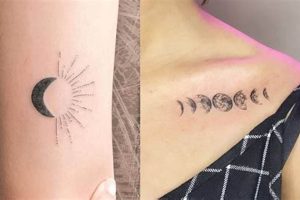



Illustrations permanently etched onto the skin can represent a barber’s profession, tools of the trade, or the art of hairstyling. Common examples include straight razors, scissors, combs, shaving brushes, or classic barbershop poles. More elaborate designs might incorporate portraits of historical barbers, intricate hairstyles, or symbolic representations of grooming and style.
These designs serve as a powerful form of self-expression, allowing barbers to showcase their passion for their craft and demonstrate their commitment to the profession. They can also function as a conversation starter, fostering a sense of community and connection with clients who share an appreciation for the art of barbering. Historically, specific imagery has been linked with barbering, tracing back to their additional role as surgeons in medieval times. These historical connections can add layers of meaning and significance to contemporary designs.
This exploration will delve further into various design styles, placement considerations, and the cultural significance surrounding body art within the barbering community.
1. Tools

The tools of the trade are central to the identity of a barber and frequently provide the core imagery for body art. Straight razors, scissors, combs, clippers, and shaving brushes are common motifs, each carrying symbolic weight. A straight razor, for instance, can represent precision and skill, while a pair of scissors might symbolize shaping and transformation. Depictions can range from highly realistic renderings to stylized interpretations, often incorporating other elements like flowers, skulls, or geometric patterns. The choice of tools and their stylistic representation often reflect the barber’s individual specialization and aesthetic preferences. For example, a barber specializing in traditional wet shaves might choose a classic straight razor design, while a barber known for intricate fades might opt for clippers integrated into a more complex design.
The visual representation of these tools offers a potent way to communicate professional pride and expertise. A meticulously detailed tattoo of a well-worn straight razor can speak volumes about a barber’s dedication to their craft. Furthermore, the arrangement and accompanying elements within the design can tell a story, perhaps highlighting a specific technique or a historical connection to the barbering profession. The incorporation of traditional tools also allows for visually striking compositions, playing with shapes, sizes, and textures to create a dynamic and impactful piece of body art.
Understanding the symbolism and visual impact of tools allows for the creation of meaningful and aesthetically compelling designs. The choice of tools, their stylistic rendering, and their placement on the body all contribute to the overall message conveyed by the tattoo. This careful consideration elevates the design beyond mere decoration, transforming it into a powerful statement of professional identity and personal expression within the barbering community.
2. Styles

The chosen artistic style significantly impacts the overall aesthetic and message conveyed by body art related to barbering. Different styles offer unique visual characteristics, influencing the design’s mood, complexity, and cultural associations. Selecting a style that resonates with the individual’s personality and artistic preferences is crucial for creating a meaningful and visually appealing piece.
- Traditional
Traditional style emphasizes bold lines, vibrant colors, and iconic imagery. Common examples include anchors, roses, and eagles. Within the context of barbering, this style might feature classic tools like straight razors and barber poles rendered in a bold, straightforward manner. Traditional tattoos often evoke a sense of timelessness and classic appeal.
- Realism
Realism focuses on detailed and lifelike depictions. Portraits, animals, and landscapes are frequent subjects. For barber-themed designs, realism could translate to highly detailed renderings of tools, intricate hairstyles, or even portraits of influential figures in the barbering world. This style demands technical skill and precision, resulting in visually impressive and often photorealistic artwork.
- Blackwork
Blackwork utilizes solid black ink to create bold and graphic designs. Geometric patterns, intricate linework, and negative space are characteristic elements. In barbering imagery, blackwork can be used to create striking depictions of tools, stylized portraits, or abstract representations of hair textures and patterns. This style offers a stark and impactful aesthetic, lending itself well to minimalist or symbolic designs.
- Neo-Traditional
Neo-traditional draws inspiration from traditional tattooing while incorporating modern elements and a wider color palette. This style often features stylized imagery with dynamic compositions and intricate details. In barbering tattoos, neo-traditional could blend classic imagery like straight razors with more contemporary elements, creating a unique and visually engaging design. This style provides a balance between classic aesthetics and contemporary artistic expression.
The selected style profoundly influences the overall aesthetic and message of the tattoo. By carefully considering different stylistic approaches, individuals can create body art that authentically represents their personal style and professional identity within the barbering community. The chosen style also contributes to the tattoo’s longevity, as certain styles age better than others. Understanding the nuances of each style is essential for making an informed decision that aligns with both artistic vision and practical considerations.
3. Placement

Placement is a crucial factor in the overall impact and effectiveness of body art related to barbering. The chosen location on the body influences visibility, aesthetics, and the narrative conveyed by the design. Practical considerations, such as pain tolerance and how the tattoo might distort with body movement over time, also play a significant role in placement decisions.
- Forearm
The forearm offers a prominent and readily visible canvas, ideal for showcasing designs related to tools of the trade. This placement allows barbers to easily display their passion for their craft and engage clients in conversations about their tattoos. The relatively flat surface of the forearm also provides a good foundation for detailed and intricate artwork.
- Hand and Fingers
Hand and finger tattoos make a bold statement, reflecting a strong commitment to the barbering profession. Smaller designs, such as individual tools or symbolic icons, are well-suited for these areas. However, hand and finger tattoos are more susceptible to fading due to frequent handwashing and exposure to the elements. Careful consideration should be given to design choices and aftercare to ensure longevity.
- Inner Arm/Bicep
The inner arm and bicep offer a less visible placement option, allowing for more personal and symbolic designs. This area can accommodate larger pieces and offers a degree of privacy when desired. The curvature of the bicep can present design challenges, requiring careful planning to ensure the tattoo flows naturally with the body’s contours.
- Back/Chest
The back and chest provide ample space for large-scale and complex designs, allowing for intricate compositions that incorporate multiple elements. These placements are ideal for telling visual stories related to the barbering profession, incorporating historical imagery, portraits, or detailed scenes. However, these areas can be more painful to tattoo and require a greater time commitment.
Strategic placement enhances the narrative and aesthetic impact of designs related to barbering. By considering factors such as visibility, available space, and the natural contours of the body, individuals can create body art that effectively communicates their professional identity and personal style. Careful consideration of placement ensures the design complements the body’s form and remains visually appealing over time. Furthermore, understanding the cultural associations and practical implications of different placements contributes to making informed decisions that align with individual preferences and professional contexts within the barbering community.
4. Symbolism

Symbolism plays a vital role in imbuing barber-related tattoos with deeper meaning and cultural significance. These symbolic elements can represent the history of the profession, core values, or personal connections to the craft. Incorporating meaningful symbols elevates the tattoo beyond mere aesthetics, transforming it into a powerful statement of identity and belonging within the barbering community.
The classic barber pole, with its spiraling red and white stripes, is a potent symbol with roots in medieval bloodletting practices. While barbers no longer perform surgical procedures, the barber pole persists as a recognizable emblem of the profession, representing its historical evolution and enduring legacy. Other common symbols include straight razors, representing precision and skill; scissors, symbolizing transformation and shaping; and combs, signifying order and refinement. These tools, often rendered with intricate detail, convey a deep respect for the craft and a commitment to excellence. Skulls, sometimes incorporated into designs, can represent the ephemeral nature of life and the transformative power of grooming, while floral motifs can add an element of artistry and beauty, reflecting the aesthetic aspect of barbering.
Understanding the historical and cultural significance of these symbols allows for the creation of tattoos that resonate on multiple levels. By incorporating meaningful symbolism, barbers can express their professional pride, connect with the rich history of their craft, and communicate their personal values and aspirations. The choice of symbols and their arrangement within the design can tell a story, reflecting the individual’s journey and connection to the barbering profession. This intentional use of symbolism transforms the tattoo into a powerful form of self-expression and a lasting tribute to the art of barbering.
5. Customization

Customization is paramount in creating body art that truly reflects a barber’s individual style, expertise, and connection to the craft. Generic designs lack the personal touch that transforms a tattoo from a simple image into a meaningful expression of identity. Tailoring the design to incorporate individual elements ensures a unique and resonant piece of art.
- Incorporating Personal Elements
Integrating elements unique to the individual, such as initials, significant dates, or meaningful quotes, adds a layer of personal significance. This could involve incorporating the name of a beloved mentor, the year they began their barbering career, or a quote that reflects their philosophy about the craft. These personal touches create a deeper connection to the tattoo and make it a truly unique representation of the individual’s journey.
- Reflecting Specialization
A barber specializing in a particular style, such as fades, beard trims, or straight razor shaves, can incorporate imagery that reflects their expertise. This could involve incorporating specific tools, techniques, or hairstyles associated with their specialization. For example, a barber specializing in straight razor shaves might incorporate a detailed rendering of a straight razor, while a barber known for their intricate fades might opt for a design that showcases different clipper guards and comb techniques.
- Blending Cultural Influences
Incorporating elements from one’s cultural heritage adds depth and richness to the design. This might involve incorporating traditional patterns, symbols, or colors that reflect the individual’s background. This fusion of cultural influences with barbering imagery creates a unique and personalized expression of identity.
- Stylistic Adaptations
Working closely with a skilled tattoo artist allows for the customization of existing designs or the creation of entirely original pieces. This collaborative process ensures the final design aligns perfectly with the individual’s vision and aesthetic preferences. Adapting traditional imagery or exploring unique stylistic interpretations allows for a truly personalized and impactful piece of body art.
Through customization, these designs become more than just decorative elements; they transform into powerful narratives that reflect individual journeys, skills, and passions within the barbering world. This personal touch elevates the art form, creating tattoos that resonate deeply with both the wearer and those who appreciate the artistry and dedication behind them. The result is a unique and meaningful piece of art that speaks to the individual’s personal and professional identity within the barbering community.
6. Artist Selection
Selecting a skilled tattoo artist is crucial for realizing the full potential of complex designs related to barbering. A skilled artist possesses the technical expertise and artistic vision to translate concepts into high-quality, lasting artwork. This careful selection process ensures the final tattoo meets the individual’s expectations and effectively communicates their intended message.
- Portfolio Examination
A thorough review of an artist’s portfolio provides insights into their style, technical proficiency, and experience with relevant subject matter. Looking for examples of previous work that demonstrates skill in rendering intricate details, realistic textures, and relevant imagery, such as tools of the trade or portraits, is essential. A strong portfolio demonstrates an artist’s ability to execute complex designs effectively.
- Style Alignment
Different artists specialize in various styles, from traditional to realism. Choosing an artist whose style aligns with the desired aesthetic ensures the final tattoo reflects the individual’s vision. Discussing stylistic preferences and exploring the artist’s strengths and limitations helps ensure a harmonious collaboration and a satisfactory outcome.
- Hygiene and Safety Practices
Reputable tattoo artists adhere to strict hygiene and safety standards, using sterilized equipment and following proper aftercare procedures. Inquiring about sterilization practices and verifying adherence to local health regulations is paramount for minimizing risks and ensuring a safe and positive tattooing experience. Prioritizing hygiene and safety protects both the client and the artist.
- Consultation and Communication
Open communication with the chosen artist is essential for refining design concepts and ensuring a shared understanding of the project’s goals. A thorough consultation allows the artist to understand the individual’s vision, offer professional guidance, and tailor the design to meet specific requirements. Effective communication fosters a collaborative environment and contributes to a successful outcome.
The selection of a skilled and compatible artist is an investment in the quality and longevity of a tattoo. By carefully considering these factors, individuals can ensure their chosen artist possesses the necessary expertise and artistic sensibility to bring their vision to life. This meticulous approach results in a tattoo that not only meets but exceeds expectations, serving as a powerful and enduring representation of the individual’s connection to the barbering profession.
Tips for Choosing Barber-Related Tattoos
Careful planning ensures a meaningful and well-executed design. Consider these essential tips before committing to permanent body art related to the barbering profession.
Tip 1: Research Thoroughly
Explore various design options, styles, and artists before making a decision. Gather inspiration from online galleries, social media platforms, and consultations with experienced tattoo artists. Thorough research leads to informed choices and reduces the likelihood of regret.
Tip 2: Consider Placement Carefully
Placement affects visibility, pain levels, and how the tattoo ages. Highly visible areas, such as hands and forearms, showcase the design prominently, while less visible areas, such as the back or chest, offer more privacy. Consider professional implications and personal preferences when selecting placement.
Tip 3: Prioritize Quality Over Cost
High-quality tattoos require skilled artists and premium materials, which may come at a higher cost. View this as an investment in a piece of art that will last a lifetime. Prioritizing quality ensures a well-executed and enduring design.
Tip 4: Communicate Effectively with the Artist
Clearly articulate design preferences, including specific imagery, styles, and placement. Open communication ensures the artist understands the vision and can execute it effectively. Bring reference images and discuss any concerns or questions thoroughly.
Tip 5: Reflect Personal Style and Expertise
Choose imagery that reflects individual skills and passions within barbering. Incorporate personal elements, such as specialized tools, preferred techniques, or meaningful symbols, to create a unique and representative design. A personalized design enhances the sense of pride and connection to the craft.
Tip 6: Plan for Aftercare
Proper aftercare is essential for preserving the vibrancy and longevity of the tattoo. Follow the artist’s instructions carefully, which typically involve keeping the tattoo clean, moisturized, and protected from sun exposure. Diligent aftercare ensures proper healing and prevents complications.
By following these guidelines, individuals can ensure their chosen tattoo becomes a cherished and enduring representation of their passion for barbering.
These tips lay the groundwork for a successful and meaningful tattoo experience, reflecting both personal style and professional dedication within the barbering community. The next section will offer a concluding perspective on the significance and artistry of these permanent expressions of identity.
Frequently Asked Questions
This section addresses common inquiries regarding permanent body art related to the barbering profession.
Question 1: How much do barber-themed tattoos typically cost?
Costs vary depending on size, complexity, artist experience, and geographic location. Smaller, simpler designs may cost less than larger, more intricate pieces. Consulting with several artists allows for comparison and informed budget decisions.
Question 2: What are the most popular design choices?
Popular designs often feature tools of the trade, such as straight razors, scissors, and combs. Classic imagery like barber poles and shaving brushes also remain prevalent. Incorporating personalized elements, like stylistic flourishes or meaningful symbols, adds individual flair.
Question 3: How long does a typical session last?
Session duration depends on design complexity and placement. Smaller designs may require a single session, while larger, more intricate pieces may necessitate multiple sessions, sometimes spanning several hours each.
Question 4: What is the healing process like?
Proper aftercare is essential for proper healing. The tattooed area typically remains sensitive for a few weeks, requiring regular cleaning, moisturizing, and protection from sun exposure. Following the artist’s aftercare instructions diligently minimizes risks and promotes optimal healing.
Question 5: Can barber-themed tattoos be covered up or removed later?
Cover-ups and removals are possible, but present challenges. Cover-ups require skilled artists and careful design planning to effectively conceal existing tattoos. Laser removal is a more complex and costly process, often requiring multiple sessions.
Question 6: Are there any specific considerations for barbers regarding tattoo placement?
While personal preferences dictate placement choices, some barbers opt for locations easily concealed by clothing to maintain a professional appearance in certain work environments. Visibility preferences and potential workplace dress code restrictions should factor into placement decisions.
Careful consideration of these frequently asked questions contributes to a more informed and positive experience when choosing and acquiring permanent body art that reflects a passion for barbering.
This concludes the FAQ section. The following segment will provide concluding thoughts on the enduring artistry and professional pride expressed through these unique designs.
Conclusion
Barber-related tattoo designs offer a powerful medium for expressing professional pride, showcasing artistic skill, and connecting with the rich history of the barbering profession. From classic tools of the trade to intricate stylistic interpretations, these designs represent a diverse range of aesthetic preferences and personal narratives. Careful consideration of design elements, placement, symbolism, and artist selection ensures a meaningful and well-executed piece of body art.
These permanent markings serve as a testament to the enduring artistry and dedication within the barbering community. They reflect not only a commitment to the craft but also a deep appreciation for the transformative power of grooming and style. As individual expressions of passion and professional identity, these designs continue to evolve, reflecting the ever-changing landscape of the barbering world.