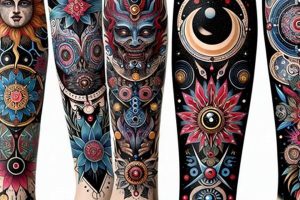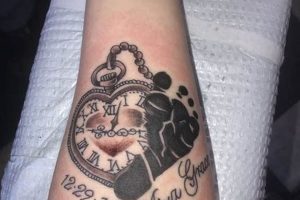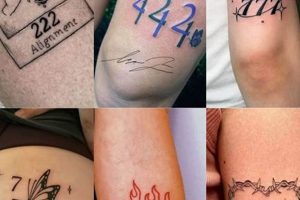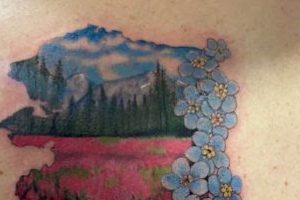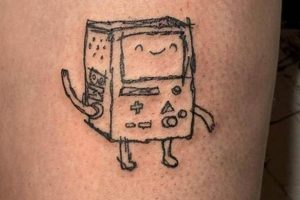



Vivid ink designs offer a wide spectrum of artistic expression, ranging from realistic depictions of nature to abstract patterns and symbolic imagery. A vibrant hummingbird with iridescent plumage or a stylized floral design incorporating a rainbow palette exemplify the potential of saturated hues in body art.
The use of rich pigments allows for greater depth, dimension, and visual impact in tattoo art. Historically, vibrant colors in tattoos held cultural significance, often representing status, beliefs, or group affiliation. Today, saturated inks provide an opportunity for individuals to showcase personality, celebrate passions, and create visually striking personal statements. This vibrant approach to body modification allows for designs with increased realism and emotional resonance.
Exploration of specific color palettes, design styles, and artistic techniques further illuminates the rich possibilities within the world of vibrant tattoo artistry. Considerations such as skin tone and placement also play a vital role in the final outcome and longevity of the design.
1. Colour Palette Selection

Effective colour palette selection is paramount in realizing the full potential of vibrant tattoo art. A well-chosen palette enhances the design’s visual impact, conveys desired emotions, and ensures long-term aesthetic appeal. Careful consideration of colour theory principles, individual skin tone, and the desired artistic style are crucial factors in this process.
- Complementary Colours
Utilizing complementary colours, those opposite each other on the colour wheel (e.g., red and green, blue and orange), creates striking contrast and visual dynamism. This approach can highlight specific design elements or create an overall sense of vibrancy. However, careful balancing is needed to prevent visual overload. For example, incorporating complementary coloured flowers in a nature-themed tattoo can create a focal point and enhance the design’s realism.
- Analogous Colours
Analogous colour palettes, comprised of hues adjacent to each other on the colour wheel (e.g., blue, blue-green, and green), create a harmonious and visually appealing blend. This approach offers a more subtle and cohesive look, often evoking feelings of tranquility or unity. An ocean-themed tattoo could employ analogous blues and greens to capture the natural gradients and depth of the sea.
- Triadic Colours
Triadic palettes involve three colours evenly spaced on the colour wheel (e.g., red, yellow, and blue). This selection offers a balanced yet vibrant combination, allowing for dynamic interplay between the hues. Triadic palettes can be used to create complex and visually engaging designs, such as geometric patterns or abstract art, by strategically distributing these colours throughout the tattoo.
- Skin Tone Considerations
Skin tone significantly influences how colours appear. Certain colours may appear more vibrant on darker skin tones, while others may be less noticeable. Lighter skin tones offer greater versatility, but careful consideration of contrast and saturation remains important. Consulting with a skilled tattoo artist is crucial to select a palette that complements individual skin tone and achieves the desired aesthetic result. For instance, pastel colours may appear washed out on darker skin, necessitating brighter alternatives to achieve the same visual impact.
Ultimately, thoughtful colour palette selection elevates a tattoo design from simply colourful to a cohesive and impactful work of art. By understanding the interplay of colour theory, skin tone considerations, and desired artistic style, individuals can collaborate with their tattoo artist to create a vibrant and personalized piece that stands the test of time.
2. Placement Considerations

Placement is a crucial factor influencing the overall impact of vibrant tattoo designs. Strategic placement optimizes visibility, complements body contours, and enhances the interplay of colour and form. Careful consideration of these factors ensures the tattoo integrates seamlessly with the body, creating a harmonious and visually striking result.
- Visibility and Discretion
Tattoo placement directly impacts how easily it can be seen. Highly visible areas like hands, forearms, and neck offer maximum exposure, making bold, colourful designs readily apparent. Conversely, less visible areas like the back, ribs, or thighs offer discretion, allowing for more personal or intricate artwork that can be selectively revealed. The choice depends on individual preferences and the desired level of personal expression.
- Body Contours and Flow
The natural curves and contours of the body provide a dynamic canvas for tattoo placement. Skilled artists leverage these contours to enhance the flow and composition of the design. A vibrant floral piece might gracefully wrap around a shoulder, or a geometric pattern could follow the lines of the ribcage. Careful placement accentuates both the body and the artwork, creating a unified aesthetic.
- Size and Scale
Placement considerations are intrinsically linked to the size and scale of the tattoo. Larger, more intricate designs with vibrant colour palettes often benefit from placement on broader areas like the back or chest, providing ample space for detail and visual impact. Smaller, simpler designs can be strategically placed on wrists, ankles, or behind the ear, offering subtle yet impactful pops of colour.
- Pain Tolerance and Healing
Different areas of the body have varying levels of sensitivity. Areas with thinner skin or closer proximity to bone, such as ribs, ankles, or elbows, tend to be more sensitive during the tattooing process. Placement choices should consider individual pain tolerance. Furthermore, certain areas, due to their frequent movement or exposure to friction, may require more diligent aftercare for optimal healing and colour retention.
By carefully considering these placement factors, individuals can ensure their vibrant tattoo designs are not only visually captivating but also harmoniously integrated with their bodies. Strategic placement elevates the artwork, creating a powerful and personalized statement that reflects individual style and aesthetic preferences.
3. Design Style Choice
Design style significantly impacts the aesthetic and expressive potential of colourful tattoos. The chosen style dictates the overall visual language of the tattoo, influencing colour palettes, linework, shading, and composition. A thorough understanding of various design styles empowers informed decisions, ensuring the final artwork aligns with individual preferences and desired visual impact.
- Watercolor
Watercolor tattoos mimic the fluid, translucent qualities of watercolor paintings. Characterized by soft colour gradients, gentle washes, and often abstract forms, this style excels in depicting ethereal subjects like flowers, landscapes, or abstract concepts. The vibrant hues often blend seamlessly, creating dreamlike and visually captivating compositions. The technique requires a skilled artist to capture the delicate nuances of watercolor aesthetics effectively.
- Geometric
Geometric tattoos utilize precise lines, shapes, and patterns to create structured and visually compelling designs. This style often incorporates bold colour choices to accentuate the geometric forms, ranging from simple mandalas to complex tessellations. Geometric tattoos can represent abstract concepts, spiritual beliefs, or simply offer a visually striking aesthetic, leveraging symmetry and precision for maximum impact.
- Traditional
Traditional tattooing, often referred to as American Traditional or Old School, features bold outlines, solid colour fills, and iconic imagery like anchors, roses, and eagles. This style prioritizes strong visual impact and longevity, utilizing a limited colour palette to create timeless designs that age well. While not as overtly focused on intricate colour blending as some contemporary styles, the strategic use of bold hues in traditional tattoos remains crucial for their distinctive aesthetic.
- Realism
Realism in tattooing strives to recreate images as faithfully as possible, capturing intricate details and subtle colour variations. This style demands exceptional artistic skill and a deep understanding of light, shadow, and colour theory. Portraits, animals, and natural scenes are popular subjects for realistic tattoos, with vibrant colour palettes playing a vital role in achieving lifelike representations.
Selecting an appropriate design style is essential for maximizing the impact of colourful tattoo ideas. Each style offers a unique visual language, impacting the overall aesthetic and how colours are utilized within the design. By carefully considering these stylistic nuances, individuals can collaborate with their chosen artist to create a vibrant and personalized tattoo that effectively reflects their individual style and desired visual narrative.
4. Artist Skill and Experience

A tattoo artist’s skill and experience directly influence the successful execution of vibrant, complex tattoo designs. Colour theory comprehension is crucial. An experienced artist understands colour interactions, saturation, and how colours appear on different skin tones. This knowledge ensures colour choices complement each other, creating a harmonious and visually appealing final result. Furthermore, experienced artists possess technical proficiency in colour blending and layering techniques. These skills are essential for achieving smooth transitions between colours, creating depth, and capturing the nuances of intricate designs, such as those found in watercolour or realism styles. An artist’s portfolio provides concrete evidence of their colour mastery. Examining previous work reveals their ability to execute various colour palettes and techniques, indicating their suitability for specific design styles.
Beyond technical skill, experience informs an artist’s ability to translate a client’s vision into a successful tattoo. Effective communication and collaborative design processes are essential, especially with intricate colourful pieces. Experienced artists guide clients through colour choices, placement considerations, and design elements that maximize visual impact and longevity. They can advise on potential challenges related to specific colour combinations or skin tones, offering informed solutions that ensure client satisfaction. For instance, an experienced artist might suggest alternative colour shades for a design on darker skin to ensure vibrancy and prevent the tattoo from appearing muddy or washed out over time. This expertise contributes significantly to the long-term aesthetic appeal of the tattoo.
Selecting a skilled and experienced artist represents a significant investment in the quality and longevity of a colourful tattoo. Technical proficiency in colour application and an understanding of design principles contribute to vibrant, well-executed artwork that ages gracefully. Furthermore, an experienced artist’s ability to navigate the complexities of colour theory and skin tone interactions ensures the final result aligns with the client’s vision, maximizing both aesthetic appeal and personal satisfaction.
5. Skin Tone Compatibility

Skin tone compatibility plays a pivotal role in the vibrancy and longevity of colourful tattoo designs. Melanin, the pigment responsible for skin colour, influences how tattoo inks interact with the skin and how colours appear over time. Darker skin tones, with higher melanin concentrations, absorb and disperse light differently than lighter skin tones. This affects colour saturation and visibility, particularly with lighter or pastel shades. For example, pastel colours on darker skin may appear muted or less vibrant than intended, potentially requiring adjustments to the colour palette for optimal results. Conversely, darker inks often appear richer and more saturated on darker skin tones.
Understanding the interplay between skin tone and ink colour is crucial for achieving desired aesthetic outcomes. Certain colour families, such as jewel tones or earth tones, often complement darker skin tones, creating a striking contrast or a harmonious blend. Lighter skin tones offer greater versatility in colour choices, but careful consideration of contrast and saturation remains important to prevent colours from appearing washed out. For instance, vibrant colours like reds, oranges, and yellows can appear particularly striking on lighter skin, while darker colours may require bolder application to maintain their intensity. Effective communication between the client and the tattoo artist is essential to ensure the chosen colours translate effectively onto the individual’s skin tone. Consultation involving colour swatches and digital mock-ups can facilitate this process and manage expectations regarding the final result.
Skin tone compatibility is not merely an aesthetic consideration; it also impacts the longevity of the tattoo. Lighter colours, particularly white ink, tend to fade more quickly on darker skin tones due to the higher melanin concentration. This fading can alter the overall composition and impact of the design over time. Therefore, realistic expectations regarding colour vibrancy and longevity are essential, particularly with lighter shades on darker skin. Careful consideration of skin tone, appropriate colour selection, and meticulous aftercare practices contribute significantly to preserving the vibrancy and integrity of colourful tattoo designs, ensuring they remain visually compelling for years to come.
6. Aftercare Practices
Diligent aftercare practices are essential for preserving the vibrancy and longevity of colourful tattoos. Fresh tattoos are essentially open wounds and require meticulous care to facilitate proper healing and prevent complications that can compromise colour saturation. Neglecting aftercare can lead to infection, scarring, and ink fading, diminishing the aesthetic impact of the design, particularly in vibrant, multi-coloured pieces. Proper aftercare starts immediately after the tattooing process is complete. The artist typically applies a protective bandage to minimize exposure to bacteria and other irritants. This bandage should remain in place for a specific period, as advised by the artist, typically a few hours. Upon removal, the tattoo should be gently washed with a mild, fragrance-free soap and lukewarm water. Harsh chemicals, scented products, and abrasive scrubbing should be avoided as they can irritate the skin and disrupt the healing process, potentially affecting ink retention and colour vibrancy.
Consistent moisturizing is crucial for maintaining skin hydration and promoting healthy healing. A thin layer of fragrance-free, alcohol-free lotion should be applied to the tattooed area several times a day. Over-moisturizing, however, can create an environment conducive to bacterial growth and should be avoided. Sun exposure is detrimental to fresh tattoos and can significantly impact colour vibrancy over time. Direct sunlight should be avoided completely during the initial healing phase, typically several weeks. Once healed, consistent use of high-SPF sunscreen is essential to protect the tattoo from UV radiation, which can cause fading and discolouration, especially in vibrant colours. For example, a brightly coloured hummingbird tattoo exposed to excessive sunlight without protection might experience fading, losing its vibrant hues and intricate details. Similarly, neglecting proper hygiene during the healing process could lead to infection, potentially causing scarring and ink loss, diminishing the overall aesthetic of the tattoo.
Appropriate aftercare practices are integral to maintaining the long-term vibrancy and aesthetic integrity of colourful tattoo designs. By adhering to recommended aftercare protocols, individuals protect their investment in body art, ensuring vibrant colours remain vivid and designs retain their intended impact for years to come. Understanding the connection between diligent aftercare and colour preservation empowers informed decisions and fosters a proactive approach to tattoo maintenance, crucial for preserving the artistry and personal expression embodied in colourful tattoos. This attention to detail ensures that the chosen design remains a vibrant and impactful representation of personal style and artistic expression.
Tips for Vibrant and Long-Lasting Tattoo Designs
Achieving vibrant and enduring tattoo designs requires careful planning and consideration. These tips offer guidance for navigating the process, from concept development to long-term care, ensuring a visually striking and personally meaningful result.
Tip 1: Research and Select a Skilled Artist: Thorough research is paramount. An artist’s portfolio should demonstrate proficiency in the desired style and colour application techniques. Seek artists specializing in vibrant tattoos, evidenced by their mastery of colour theory and saturation.
Tip 2: Prioritize Skin Tone Compatibility: Skin tone significantly impacts colour vibrancy. Consult with the artist to determine suitable colour palettes. Darker skin tones may require bolder colour choices to achieve desired saturation, while lighter skin tones offer greater versatility. Understanding these nuances is crucial for a successful outcome.
Tip 3: Invest Time in Design Development: Collaborative design development ensures the final artwork aligns with personal aesthetics and desired symbolism. Clear communication with the artist regarding colour preferences, placement, and overall composition is essential for realizing a cohesive and impactful design.
Tip 4: Consider Placement Carefully: Placement impacts visibility, aesthetic flow, and the tattoo’s interaction with body contours. Larger designs may benefit from placement on larger areas like the back or chest, while smaller designs can be strategically positioned for subtle yet impactful displays of colour.
Tip 5: Understand Colour Theory Principles: Familiarity with colour theory enhances communication with the artist and facilitates informed colour choices. Understanding complementary, analogous, and triadic colour schemes allows for strategic colour selection, maximizing visual impact and harmony.
Tip 6: Commit to Diligent Aftercare: Meticulous aftercare is crucial for preserving colour vibrancy and preventing complications. Follow the artist’s aftercare instructions precisely, including proper cleaning, moisturizing, and sun protection, to ensure long-lasting colour saturation and prevent fading.
Tip 7: Plan for Long-Term Maintenance: Vibrant tattoos require ongoing maintenance to preserve their brilliance. Regular moisturizing and consistent sun protection are essential for minimizing colour fading and maintaining the integrity of the design over time. Touch-ups may eventually be necessary to restore vibrancy.
By adhering to these guidelines, individuals can ensure their vibrant tattoo designs not only meet but exceed expectations, resulting in a piece of body art that remains visually stunning and personally meaningful for years to come.
These preparatory steps and long-term care considerations contribute significantly to a successful and satisfying tattoo experience, culminating in a vibrant, enduring piece of personal expression.
Frequently Asked Questions about Vibrant Tattoo Designs
This section addresses common queries regarding vibrant tattoo designs, offering insights into practical considerations, maintenance, and ensuring a positive tattooing experience.
Question 1: How does skin tone affect colour vibrancy?
Melanin content in skin influences colour saturation. Darker skin tones may require bolder colours for optimal vibrancy, while lighter skin tones offer greater versatility. Consulting a skilled artist is crucial for selecting appropriate colours based on individual skin tone.
Question 2: Which colours fade fastest?
Lighter colours, particularly pastels and white, tend to fade more quickly than darker, more saturated colours. Sun exposure accelerates fading, making consistent sun protection crucial for maintaining colour integrity.
Question 3: How can colour vibrancy be maintained over time?
Diligent aftercare, including moisturizing and sun protection, is essential. Regular moisturizing keeps skin hydrated, while sunscreen protects against UV damage, a primary cause of colour fading. Touch-ups may eventually be needed to restore vibrancy.
Question 4: What factors influence the cost of a colourful tattoo?
Size, complexity, colour palette, artist experience, and studio location all contribute to the overall cost. Intricate designs requiring extensive colour blending and multiple sessions typically incur higher costs.
Question 5: How long does a colourful tattoo take to heal?
Healing time varies depending on size, placement, and individual healing rates, typically ranging from a few weeks to a couple of months. Proper aftercare significantly influences healing time and minimizes the risk of complications.
Question 6: How should a tattoo artist be chosen for a vibrant design?
Portfolio review is crucial. Seek artists specializing in colourful work, demonstrating mastery of colour theory and diverse application techniques. Client testimonials and consultations provide further insights into their expertise and suitability.
Careful consideration of these factors contributes significantly to a positive tattooing experience and ensures vibrant, long-lasting results.
Understanding these aspects empowers informed decisions and fosters realistic expectations regarding the process, ensuring a satisfying and visually impactful outcome.
Colourful Tattoo Ideas
Exploration of vibrant tattoo designs necessitates careful consideration of several key elements. Colour palette selection, informed by colour theory principles and skin tone compatibility, significantly impacts visual impact and longevity. Placement choices should complement body contours and optimize visibility. Design style selection, ranging from watercolour to geometric and traditional, dictates the overall aesthetic. Artist skill and experience are paramount, particularly for complex colour blending and achieving desired saturation. Meticulous aftercare and long-term maintenance practices, including sun protection, preserve colour vibrancy and prevent premature fading.
Ultimately, vibrant tattoo designs represent a powerful medium for self-expression and artistic exploration. Informed decision-making, encompassing design choices, artist selection, and ongoing care, ensures these vibrant expressions of personal style retain their impact and artistic integrity for years to come. This commitment to thoughtful planning and diligent maintenance safeguards the investment in body art, allowing vibrant tattoo designs to remain a source of personal pride and aesthetic appreciation.