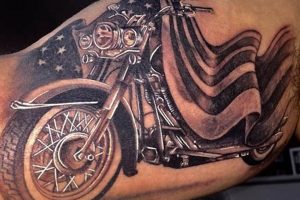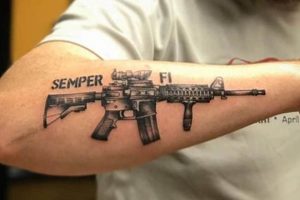



Representations of paradise inked onto the skin encompass a wide range of imagery, from celestial beings and winged creatures to symbolic landscapes featuring clouds, stars, and gates. These designs often incorporate religious iconography, such as crosses, halos, or specific deities, while others might focus on more secular imagery evocative of peace, tranquility, and remembrance of loved ones.
Memorial tattoos serve as poignant reminders of those who have passed, offering comfort and a sense of continued connection. The enduring nature of tattoos makes them a powerful medium for expressing grief and celebrating the lives of those lost. Designs featuring imagery associated with the afterlife provide solace and a tangible expression of remembrance. Furthermore, these designs can be highly personal, reflecting the beliefs, values, and shared memories of both the deceased and the individual bearing the tattoo.
This exploration delves into various design motifs commonly associated with memorial and spiritual tattoos, considering stylistic approaches, symbolic meanings, and placement considerations.
1. Placement
Placement significantly impacts the aesthetic and symbolic meaning of memorial tattoos. A small, delicate design on the inner wrist might represent a quiet, personal connection to the deceased, while a larger, more elaborate piece on the back could serve as a grander tribute. Rib cage placement, close to the heart, emphasizes emotional intimacy, whereas a forearm tattoo allows for more public visibility and sharing of the memorial. The physical location chosen for the tattoo thus intertwines with the individual’s relationship with the departed and their comfort level in expressing that connection outwardly. For example, a portrait of a loved one placed over the heart can symbolize their enduring presence in one’s life, while angel wings spanning across the back might convey a sense of protection and spiritual guidance.
Practical considerations also influence placement decisions. Areas of the body that experience frequent sun exposure may require more touch-ups to maintain vibrancy. Similarly, areas prone to friction from clothing might experience faster ink fading. Individuals should consider their lifestyle and long-term maintenance needs when choosing a location. A tattoo artist can provide valuable insights into ideal placement based on the specific design, skin type, and desired longevity of the piece. Choosing a discreet placement allows for private reflection, while a more visible location can spark conversations and raise awareness about important causes or beliefs related to the memorial.
Ultimately, placement decisions are deeply personal and should reflect individual preferences and the intended message of the tattoo. Careful consideration of placement ensures the design’s emotional impact and enduring significance. It contributes to the overall narrative of the tattoo, amplifying its power as a permanent tribute and visual representation of remembrance.
2. Symbolism

Symbolism plays a crucial role in conveying complex emotions and spiritual beliefs within the limited canvas of a tattoo. In the context of memorial and spiritual tattoos, symbols offer a visual shorthand for expressing concepts like remembrance, hope, and the afterlife. Careful selection of symbolic elements imbues the tattoo with deeper meaning, transforming it from mere body art into a powerful statement of personal values and beliefs.
- Religious Iconography
Religious symbols, such as crosses, angels, and specific deities, often feature prominently in tattoos representing heaven or the afterlife. These symbols carry pre-existing cultural and spiritual significance, allowing individuals to connect with established belief systems and express their faith through body art. A depiction of the Virgin Mary, for instance, might symbolize maternal love, compassion, and intercession, while a cross could represent sacrifice, redemption, and eternal life. The specific religious iconography chosen reflects the individual’s personal faith and its connection to their concept of heaven.
- Celestial Bodies
Stars, moons, and planets are frequently incorporated into designs, evoking the vastness and mystery of the cosmos. These celestial elements can represent guidance, hope, and the eternal nature of the soul. A crescent moon, for example, might symbolize transition and new beginnings, while a constellation could represent a loved one’s spirit shining brightly in the night sky. Such imagery creates a sense of wonder and connection to something larger than oneself.
- Natural Elements
Imagery drawn from nature, such as birds in flight, flowing water, or blossoming flowers, often represents the cyclical nature of life, death, and rebirth. Doves, in particular, are frequently associated with peace, purity, and the Holy Spirit, making them a common motif in memorial tattoos. A flowing river could symbolize the journey of life and the transition to the afterlife, while a blooming flower might represent new life, hope, and enduring beauty. These natural elements provide a tangible connection to the earth and the continuous cycle of existence.
- Personal Objects
Incorporating objects of personal significance to the deceased adds a layer of individual meaning to the tattoo. A musical instrument, a favorite book, or a symbolic item related to a shared hobby can serve as a unique and poignant reminder of the person’s life and passions. This personalized approach transforms the tattoo into a deeply intimate tribute, reflecting specific memories and shared experiences. A compass, for example, could represent the loved one’s adventurous spirit, while a key might symbolize unlocking memories or accessing a special place in one’s heart.
These symbolic elements, carefully woven together, transform a simple tattoo into a profound expression of personal beliefs, values, and remembrance. The chosen symbols create a narrative that transcends the visual, connecting the individual to their spiritual understanding of heaven and their enduring relationship with the departed. This nuanced interplay of symbolism imbues the tattoo with emotional depth and lasting significance.
3. Artistic Style

Artistic style significantly influences the overall aesthetic and emotional impact of a heaven-themed tattoo. The chosen style dictates the visual language of the design, impacting its mood, tone, and ability to convey complex spiritual concepts. From the delicate lines of fine line tattoos to the bold vibrancy of traditional American designs, the artistic style selected shapes the narrative and symbolic resonance of the tattoo.
- Realism
Realistic depictions of figures, objects, or landscapes create a sense of tangibility and immediacy. This style excels at capturing intricate details, making it suitable for portrait tattoos or designs featuring specific objects of personal significance. In the context of heaven tattoos, realism can lend a sense of groundedness and believability to otherwise abstract spiritual concepts.
- Watercolor
The watercolor style mimics the soft, diffused quality of watercolor paintings. Characterized by flowing lines and vibrant color gradients, this style evokes a dreamlike, ethereal quality, often associated with spiritual and otherworldly themes. Watercolor tattoos can effectively capture the sense of wonder and awe associated with concepts of heaven and the afterlife.
- Traditional American
Bold lines, vibrant colors, and iconic imagery define traditional American tattoos. This style often incorporates religious iconography, such as angels, crosses, and sacred hearts, making it a suitable choice for expressing faith-based concepts of heaven. The bold aesthetic of traditional American tattoos can convey a sense of strength, resilience, and enduring belief.
- Black and Gray
Black and gray tattoos rely on shading and contrast to create depth and dimension. This style can evoke a sense of solemnity, reverence, and remembrance, making it appropriate for memorial tattoos. The subtle gradations of black and gray can effectively capture the nuances of emotion and the complexities of grief and loss, often associated with reflections on heaven and the afterlife.
The chosen artistic style acts as a filter through which the concept of heaven is visually interpreted. It shapes the emotional resonance of the tattoo, influencing how the design is perceived and understood by both the wearer and the observer. Selecting an artistic style that aligns with personal aesthetics and the intended message of the tattoo ensures a cohesive and impactful final product, transforming a simple idea into a powerful piece of personal expression. Careful consideration of artistic style ensures that the chosen imagery effectively conveys the individual’s unique understanding and interpretation of heaven.
4. Color Palette
Color palettes contribute significantly to the emotional impact and symbolic meaning of heaven tattoo ideas. Color choices evoke specific moods and associations, influencing how the design is perceived and interpreted. Careful consideration of color symbolism and personal preferences ensures a cohesive and impactful final result, effectively conveying the individual’s unique vision of heaven.
- Vibrant Hues
Vibrant colors, such as blues, golds, and pinks, often represent joy, celebration, and spiritual transcendence. These colors can evoke a sense of awe and wonder, reflecting the radiant beauty often associated with depictions of heaven. A vibrant blue might symbolize the vast expanse of the sky, while gold can represent divine light and spiritual enlightenment. Pink can symbolize love, compassion, and the nurturing embrace of the divine.
- Muted Tones
Muted tones, such as grays, blacks, and deep blues, can create a sense of solemnity, reverence, and remembrance. These colors are often used in memorial tattoos to express grief, loss, and the quiet contemplation of the afterlife. A muted gray can symbolize the passage of time and the acceptance of mortality, while deep blues can evoke a sense of peace, tranquility, and spiritual depth. Black can represent the mystery of the unknown and the transition to the afterlife.
- Black and White
Black and white palettes emphasize contrast and form, creating a timeless and classic aesthetic. This approach can highlight the symbolic elements of the design, drawing attention to the imagery and its underlying meaning. Black and white tattoos can evoke a sense of clarity, purity, and spiritual focus, allowing the symbolic elements to take center stage.
- Realistic Color Palettes
Realistic color palettes aim to recreate the natural appearance of skin tones, objects, or landscapes. This approach lends a sense of tangibility and immediacy to the design, making it suitable for portrait tattoos or depictions of specific locations associated with cherished memories. Realistic color palettes can enhance the emotional connection to the tattoo, grounding the spiritual concepts in a recognizable and relatable visual language.
Color selection intertwines with other design elements, such as symbolism and artistic style, to create a cohesive and meaningful whole. A skilled tattoo artist can guide color choices, ensuring the palette complements the chosen imagery and effectively conveys the intended emotional and symbolic message. The chosen color palette becomes an integral part of the tattoo’s narrative, shaping its overall impact and enduring significance.
5. Personalization

Personalization imbues heaven tattoo ideas with unique significance, transforming generic motifs into deeply personal tributes. This intimate approach strengthens the emotional connection between the wearer and the tattoo, reflecting individual experiences, beliefs, and relationships. Incorporating specific elements relevant to the individual or a deceased loved one elevates the design beyond standard imagery, creating a lasting memorial and a powerful expression of personal connection to spiritual concepts. This personalization transforms the tattoo into a tangible representation of individual memories, values, and beliefs related to the afterlife.
Specific names, dates, or meaningful quotes directly link the tattoo to a particular individual or shared experience. Incorporating handwriting samples or recreating a loved one’s signature adds an intimate touch, further solidifying the personal connection. Symbolic objects representing shared passions, hobbies, or inside jokes create a private visual language understood only by those close to the deceased. For example, a feather might represent a shared love of birds, while a specific flower could symbolize a cherished memory or a significant date. These personal touches imbue the tattoo with profound emotional depth, acting as a constant reminder of the individual’s enduring presence. A portrait, rendered in a realistic style and incorporating specific details like a favorite piece of jewelry, becomes more than just a likeness; it becomes a deeply personal and moving tribute.
Personalized elements transform heaven tattoo ideas from symbolic representations into powerful narratives of individual lives and relationships. These personalized touches not only enhance the aesthetic value of the tattoo but also deepen its emotional resonance, ensuring its significance endures for years to come. This intimate approach reinforces the connection between the wearer, the deceased, and the broader spiritual concepts associated with heaven, creating a lasting tribute that transcends the purely visual and speaks to the heart.
Tips for Choosing Heaven Tattoo Designs
Selecting a design that effectively embodies personal beliefs and aesthetic preferences requires careful consideration. These tips offer guidance for navigating the process thoughtfully and ensuring a meaningful outcome.
Tip 1: Research Symbolism: Thoroughly research the symbolism associated with various design elements. A dove might represent peace, while a specific flower could hold personal significance. Understanding these nuances ensures the chosen imagery aligns with the intended message.
Tip 2: Consider Placement Carefully: Placement impacts visibility, symbolism, and the overall aesthetic. A wrist tattoo offers subtle remembrance, while a larger back piece allows for greater detail and complexity. Consider how placement interacts with body contours and clothing choices.
Tip 3: Explore Artistic Styles: Different artistic styles evoke distinct moods and aesthetics. Realism captures intricate details, while watercolor offers a softer, dreamlike quality. Research various styles to determine which best suits the desired tone and imagery.
Tip 4: Choose a Reputable Artist: A skilled tattoo artist possesses technical expertise and artistic vision. Research portfolios and seek recommendations to find an artist whose style aligns with personal preferences. Discuss the design concept thoroughly to ensure a shared understanding.
Tip 5: Reflect on Personal Significance: Incorporate elements of personal significance, such as names, dates, or symbolic objects, to create a unique and meaningful tribute. These personal touches transform a generic design into a deeply personal expression of remembrance.
Tip 6: Plan for Long-Term Care: Tattoos require ongoing care to maintain vibrancy and prevent fading. Follow aftercare instructions diligently and consider touch-ups as needed to preserve the design’s integrity over time. Discuss long-term care with the chosen artist.
Tip 7: Don’t Rush the Decision: A tattoo is a permanent commitment. Take time to reflect on the design, placement, and overall concept before proceeding. Consult with trusted friends or family members and gather multiple perspectives before making a final decision.
Careful consideration of these factors ensures a meaningful and aesthetically pleasing result, transforming a simple concept into a powerful and enduring personal statement.
These considerations pave the way for a fulfilling tattoo experience, resulting in a design that resonates deeply and stands the test of time.
Frequently Asked Questions about Heaven Tattoo Designs
This section addresses common inquiries regarding designs evocative of paradise, offering clarity and guidance for those considering such a permanent commitment.
Question 1: What are common symbolic elements used in heaven tattoos?
Common elements include angels, wings, clouds, stars, doves, religious figures, and gates. These symbols often represent concepts like peace, spirituality, transcendence, and remembrance of loved ones.
Question 2: How can memorial tattoos incorporate “heaven” themes?
Memorial tattoos can integrate these themes by combining imagery of loved ones with celestial elements, suggesting their presence in a peaceful afterlife. Incorporating dates, names, or meaningful quotes further personalizes the tribute.
Question 3: What factors influence placement choices for these tattoos?
Placement depends on desired visibility, design size and complexity, and personal preference. Areas like the chest, back, or forearm offer larger canvases, while wrists or ankles provide discreet options.
Question 4: How does artistic style impact the overall design?
Artistic style significantly affects the tattoo’s mood and message. Realism offers detailed depictions, while watercolor creates a softer, ethereal feel. Traditional styles can convey strength and timelessness.
Question 5: What color palettes are commonly used in heaven-themed tattoos?
Color palettes range from vibrant blues, golds, and pinks to evoke a sense of wonder, to muted grays and blacks for a more solemn tone. The chosen palette should align with the intended emotional expression.
Question 6: How can one ensure a meaningful and personalized design?
Thorough research, thoughtful reflection on personal beliefs and experiences, and open communication with a skilled tattoo artist are crucial for achieving a truly personalized and meaningful design. Incorporating unique elements like handwriting samples, symbolic objects, or specific quotes adds depth and individual significance.
Careful consideration of these frequently asked questions empowers individuals to make informed decisions, ensuring a tattoo that resonates deeply and holds lasting personal meaning.
Further exploration of specific design elements and artistic styles provides additional guidance for crafting a personalized and meaningful piece of body art. This subsequent section will offer a more comprehensive overview of various design motifs and stylistic approaches commonly utilized in heaven tattoos.
Heaven Tattoo Ideas
Exploring permanent body art representing concepts of paradise reveals a rich tapestry of symbolic imagery, artistic styles, and deeply personal narratives. Placement considerations, symbolic meanings, color palettes, and artistic styles converge to create powerful visual expressions of remembrance, faith, and spiritual connection. Personalization, through the incorporation of specific names, dates, or meaningful objects, further elevates these designs, transforming them into unique tributes imbued with individual significance. Careful consideration of these elements ensures the chosen design effectively communicates the intended message and resonates deeply with the wearer.
The enduring nature of tattoos underscores the importance of thoughtful design choices. Thorough research, introspection, and open communication with skilled artists are essential steps in this process. Ultimately, a well-crafted design transcends mere aesthetics, serving as a powerful reminder of cherished memories, enduring beliefs, and the enduring human desire to connect with something larger than oneself. The exploration of these concepts allows individuals to express profound emotions and spiritual beliefs through the powerful medium of body art, creating lasting tributes that resonate with personal meaning and offer solace, inspiration, and a tangible connection to the divine.