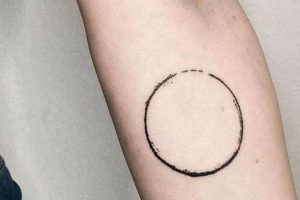



Small canvases like fingers, the back of the hand, or the palm offer unique placement options for body art. These locations can showcase intricate designs, minimalist symbols, or even lettering. Consider a single small image on a finger, a pattern wrapping around the wrist and onto the hand, or a more complex piece covering the back of the hand.
Placement on the hands carries cultural and personal significance in many societies, representing a visible commitment to self-expression and sometimes signifying social status or group affiliation. While hand tattoos have gained popularity in modern times, they historically served these important social functions across various cultures. Choosing this prominent placement requires careful consideration due to visibility and potential impact on professional opportunities.
Exploration of specific styles, designs, and practical advice regarding pain management and aftercare will follow. Further sections will delve into the diverse array of imagery suitable for hand placement, ranging from traditional motifs to contemporary aesthetics.
1. Size and Placement

The limited canvas of the hand necessitates careful consideration of size and placement for tattoos. A large, complex design might overwhelm the small surface area of a finger, while a tiny symbol could get lost on the back of the hand. Proportionality is key: the chosen design must harmonize with the specific area it will occupy. For instance, a band of lettering encircling a finger requires a concise font and minimal text to maintain legibility. Conversely, the back of the hand provides more space for detailed artwork, permitting larger imagery or more intricate patterns.
Placement significantly impacts both the aesthetic and practical implications of a hand tattoo. A design wrapping around the wrist and extending onto the hand creates a flowing, cohesive composition. However, this placement could pose challenges for professions requiring covered skin. Similarly, tattoos on the palm are subject to faster fading due to frequent contact and handwashing. Therefore, choosing highly durable inks and simpler designs is advisable for palm tattoos. Side finger tattoos offer a discreet option, often hidden in everyday interactions, while bolder statements can be made with prominent placements on the knuckles or back of the hand.
Strategic size and placement choices optimize both the visual impact and longevity of hand tattoos. Balancing design complexity with available space ensures clarity and prevents overcrowding. Considering the practicalities of daily wear and tear, alongside professional and social contexts, informs optimal placement decisions. Ultimately, careful planning regarding these factors results in a successful and aesthetically pleasing hand tattoo that integrates seamlessly with the wearer’s hand anatomy and lifestyle.
2. Style and Design

The interplay between style and design is paramount for hand tattoos. Given their prominent placement, careful selection of both stylistic elements and overall design composition is essential. This choice significantly influences the aesthetic impact and personal expression conveyed by the tattoo. The following facets illuminate this relationship:
- Realism versus Abstract
Realism, with its focus on intricate detail and lifelike representation, can create stunning visual displays on the hands. Portraits, animals, or natural elements rendered in a realistic style demand a high level of skill from the artist and often involve multiple sessions. Abstract designs, conversely, offer a different approach, prioritizing symbolic representation or geometric patterns over precise depiction. These designs can range from minimalist linework to complex interwoven shapes, offering a wide spectrum of visual possibilities.
- Traditional versus Contemporary
Traditional tattoo styles, such as American Traditional, Japanese, or Polynesian, possess rich histories and distinct visual characteristics. Bold lines, vibrant colors, and iconic imagery like anchors, eagles, or floral motifs are hallmarks of these styles. Contemporary styles, on the other hand, encompass a broader range of influences, often incorporating elements from various artistic movements and subcultures. Geometric patterns, watercolor effects, or fine line illustrations exemplify contemporary approaches.
- Color Palette
The choice of color significantly impacts the overall aesthetic of a hand tattoo. Bold, saturated colors create a vibrant and eye-catching effect, while a monochromatic palette using black and grey ink evokes a classic, timeless feel. Color considerations should also factor in skin tone and potential fading over time. Certain colors, especially lighter shades, may fade more quickly on hands due to frequent exposure to sunlight and washing.
- Scale and Composition
Scale and composition relate to how the design elements are arranged within the confines of the hand. A well-composed hand tattoo utilizes the available space effectively, balancing negative space with intricate details. The scale of the design must harmonize with the hand’s proportions. Overly large or excessively small designs can appear disjointed or lose impact. Considering the natural contours and movement of the hand further enhances the overall composition and flow of the design.
Harmonizing these facets of style and design ensures a visually appealing and personally meaningful hand tattoo. Careful consideration of these elements, combined with consultation with a skilled tattoo artist, results in a cohesive and impactful piece of body art that complements the wearer’s individual style and the unique canvas of the hand.
3. Pain Management

Hand tattoos present unique challenges regarding pain management due to the hand’s sensitive nature. The thin skin, proximity to bone, and abundance of nerve endings contribute to heightened sensitivity. Understanding and addressing potential discomfort is crucial for a positive tattooing experience. Effective pain management strategies empower individuals to approach hand tattoos with greater confidence and comfort.
- Nerve Distribution
The intricate network of nerves within the hand results in varying pain levels across different areas. Fingertips and the palm, densely packed with nerve endings, tend to be more sensitive than the back of the hand. Recognizing these variations allows individuals to anticipate and prepare for potential discomfort, selecting less sensitive areas if pain tolerance is a concern.
- Topical Anesthetics
Topical anesthetic creams containing lidocaine or benzocaine can offer significant pain relief during the tattooing process. Applying these creams prior to the procedure numbs the skin, reducing discomfort. Consulting with the tattoo artist about appropriate application methods and timing ensures optimal effectiveness.
- Distraction Techniques
Employing distraction techniques can help manage pain perception during the tattoo session. Listening to music, engaging in conversation, or focusing on breathing exercises can shift attention away from the sensation of the needle. These strategies offer a non-pharmacological approach to pain management.
- Breaks and Communication
Open communication with the tattoo artist is vital for effective pain management. Requesting short breaks during the session allows for rest and recovery, reducing overall discomfort. Communicating pain levels throughout the process enables the artist to adjust technique or pacing as needed, ensuring a more comfortable experience.
Implementing these pain management strategies contributes to a more positive and manageable experience when getting a hand tattoo. Proactive planning and open communication with the artist empower individuals to approach the process with confidence, minimizing discomfort and maximizing the enjoyment of acquiring their desired body art.
4. Aftercare and Healing

Diligent aftercare is crucial for hand tattoos due to the hand’s constant exposure to external elements and frequent use. Proper healing ensures the longevity and vibrancy of the tattoo, minimizing the risk of infection and complications. The hands’ constant interaction with the environment necessitates specific aftercare considerations distinct from other body areas. Ignoring proper aftercare can lead to ink fading, blurring, or infection, compromising the aesthetic integrity of the tattoo.
Regular handwashing, while essential for hygiene, presents a challenge for healing hand tattoos. Exposure to soap, water, and friction can disrupt the healing process and fade the ink. Using a gentle, fragrance-free cleanser and patting the tattoo dry instead of rubbing minimizes these risks. Applying a thin layer of unscented, tattoo-specific moisturizer throughout the day keeps the skin hydrated and promotes healing. Protecting the tattoo from direct sunlight, especially during the initial healing phase, is vital to prevent color fading and skin damage. Sunscreen with a high SPF rating should be applied regularly after the tattoo has fully healed.
Certain activities, like swimming or handling harsh chemicals, should be avoided during the healing period. These activities can introduce bacteria and irritate the sensitive skin around the fresh tattoo, increasing the risk of infection. Choosing appropriate clothing and avoiding tight-fitting gloves or jewelry that might rub against the tattoo also supports optimal healing. Careful attention to these aftercare practices ensures a vibrant, long-lasting hand tattoo and minimizes potential complications. Consulting with the tattoo artist for specific aftercare instructions tailored to individual needs and the chosen ink type is essential for achieving optimal results.
5. Professional Impact

Hand tattoos, due to their highly visible nature, can significantly impact professional prospects. While societal acceptance of tattoos has generally increased, certain industries maintain more conservative standards regarding visible body art. Potential consequences range from subtle biases in hiring processes to outright exclusion from specific roles. Understanding this potential impact is crucial when considering hand tattoos, particularly for individuals pursuing careers in fields like finance, law, healthcare, or education. For instance, client-facing roles often require adherence to stricter dress codes, and visible tattoos might be perceived as unprofessional or distracting.
Several factors influence the degree of professional impact. The size, style, and content of the tattoo play a role. A small, discreet design on a finger might be less noticeable and therefore less likely to elicit negative reactions than a large, intricate piece covering the entire back of the hand. Similarly, the specific industry and company culture influence acceptance levels. Creative fields like fashion or music tend to be more tolerant of visible tattoos compared to more traditional corporate environments. Researching industry-specific norms and company policies provides valuable insights for individuals navigating these considerations. Furthermore, geographic location also influences perceptions. Metropolitan areas often exhibit greater acceptance of visible tattoos compared to more conservative regions.
Weighing the potential professional impact against personal expression is a crucial step in the decision-making process for hand tattoos. Openly communicating with potential employers or researching company policies regarding body art provides clarity and manages expectations. Ultimately, informed decisions balance personal aesthetics with career aspirations, ensuring alignment between self-expression and professional goals. Strategic choices about design, placement, and even the timing of getting a hand tattoo can mitigate potential negative impacts while still allowing for meaningful personal expression.
Tips for Hand Tattoos
Careful planning is essential for successful hand tattoos. These tips provide guidance for navigating the decision-making process, ensuring a positive outcome and a tattoo that complements individual style and lifestyle.
Tip 1: Research Thoroughly.
Thorough research is paramount. Investigate various artists specializing in the desired style. Examine portfolios to assess skill level and consistency. Reading client reviews provides insights into professionalism and hygiene standards.
Tip 2: Consider Placement Carefully.
Placement significantly impacts visibility and practicality. Fingers and the back of the hand offer prominent display, while the palm experiences faster fading due to friction. Consider professional implications and lifestyle factors before choosing placement.
Tip 3: Choose a Design that Resonates.
Select a design holding personal meaning and reflecting individual style. Avoid impulsive decisions driven by trends. A well-chosen design remains aesthetically pleasing and personally relevant over time.
Tip 4: Prioritize Aftercare.
Diligent aftercare is essential for optimal healing and longevity. Follow artist instructions meticulously. Protect the tattoo from sun exposure and avoid harsh chemicals or submersion in water during the healing period.
Tip 5: Factor in Pain Management.
Recognize the hand’s sensitivity. Discuss pain management strategies with the artist. Consider topical anesthetics or distraction techniques to minimize discomfort during the procedure.
Tip 6: Evaluate Professional Implications.
Acknowledge potential career consequences. Research industry standards and company policies regarding visible tattoos. Balance self-expression with professional goals when making decisions about hand tattoos.
Tip 7: Communicate Openly with the Artist.
Open communication with the chosen artist is crucial. Discuss design preferences, placement considerations, and pain management strategies. Clear communication fosters a collaborative environment and ensures a successful outcome.
Following these tips ensures a well-informed decision-making process, minimizing potential regrets and maximizing the likelihood of a successful and personally meaningful hand tattoo.
By considering these factors, individuals can embark on the process of acquiring a hand tattoo with confidence, understanding the complexities and commitment involved. This preparation leads to a fulfilling experience and a piece of body art that resonates with personal style and remains a source of pride for years to come.
Frequently Asked Questions about Hand Tattoos
This section addresses common concerns and misconceptions regarding hand tattoos, providing factual information to facilitate informed decision-making.
Question 1: How much do hand tattoos typically cost?
Cost varies based on size, complexity, artist experience, and geographic location. Smaller, simpler designs generally cost less than larger, more intricate pieces. Consulting multiple artists allows for price comparison and ensures alignment with budgetary constraints.
Question 2: How painful are hand tattoos?
The hand’s thin skin and numerous nerve endings contribute to heightened sensitivity. Pain levels vary among individuals. Topical anesthetics and distraction techniques can help manage discomfort during the procedure. Discussing pain management strategies with the chosen artist is advisable.
Question 3: How long do hand tattoos take to heal?
Healing time typically ranges from two to four weeks, depending on individual healing rates and the tattoo’s size and complexity. Diligent aftercare, including regular moisturizing and sun protection, promotes efficient healing and minimizes complications.
Question 4: Do hand tattoos fade faster than tattoos on other body parts?
Due to frequent handwashing and exposure to environmental elements, hand tattoos are prone to faster fading. Choosing high-quality inks and adhering to proper aftercare practices, including regular sunscreen application, helps maintain vibrancy.
Question 5: Are hand tattoos appropriate for all professions?
Certain professions maintain conservative standards regarding visible tattoos. Hand tattoos might be perceived negatively in some fields. Researching industry norms and company policies is crucial before deciding on hand tattoos, particularly for individuals in client-facing roles or traditional corporate environments.
Question 6: Can hand tattoos be removed?
Laser tattoo removal is possible for hand tattoos, but complete removal might be challenging due to the density of ink often used in these tattoos. Multiple sessions are typically required, and the process can be costly and time-consuming. Fading, rather than complete removal, might be a more realistic outcome in some cases.
Careful consideration of these factors ensures informed decisions and realistic expectations regarding hand tattoos. Consulting experienced artists and conducting thorough research empowers individuals to make choices aligned with personal style and professional aspirations.
The subsequent section will offer a visual gallery showcasing diverse hand tattoo designs, providing inspiration and further insight into stylistic possibilities.
Hand Tattoo Ideas
Exploration of hand tattoo ideas requires careful consideration of various factors. Placement, size, style, and design significantly impact both aesthetic appeal and practical implications. Pain management, diligent aftercare, and potential professional ramifications necessitate thorough planning and informed decision-making. Understanding the hand’s unique characteristics as a canvas for body art is paramount for achieving satisfactory, long-lasting results.
Hand tattoos offer a powerful medium for self-expression, carrying cultural significance and personal meaning. A well-chosen design, executed skillfully and cared for diligently, becomes an enduring symbol of individuality. However, the decision to acquire a hand tattoo represents a significant commitment, demanding thoughtful reflection on both artistic and practical considerations. Ultimately, informed choices lead to a positive experience and a piece of body art that resonates with personal style and withstands the test of time.