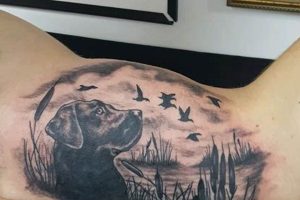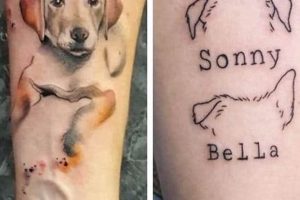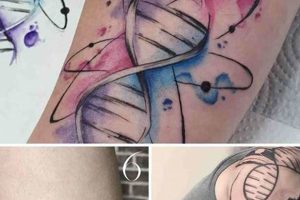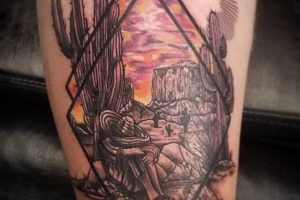



Character-based tattoos inspired by the animated series “Scooby-Doo” encompass a broad range of designs. These can feature individual characters like Scooby-Doo, Shaggy, Fred, Velma, Daphne, or the iconic Mystery Machine van. They can also include elements like ghosts, monsters, and other imagery associated with the show. Styles vary from simple line drawings to complex, colorful depictions, often incorporating elements of cartoon or illustrative styles.
Such designs offer a powerful way to express personal connection with a beloved childhood cartoon. Nostalgia plays a significant role, invoking memories of mystery-solving adventures and comedic escapades. The show’s enduring popularity, spanning generations, contributes to the enduring appeal of these designs. Beyond nostalgia, these tattoos can also symbolize themes of friendship, courage, and the pursuit of truth, reflecting the core values presented in the series.
Exploring the diverse array of design possibilities provides a deeper understanding of the potential for creative expression within this specific niche. Factors to consider include character selection, style preferences (realistic, cartoonish, etc.), color palettes, and incorporation of background elements. Further examination reveals how these choices can personalize the tattoo, allowing individuals to showcase their unique interpretation and appreciation for the “Scooby-Doo” universe.
1. Character Choice

Character selection represents a crucial initial step in designing a “Scooby-Doo”-themed tattoo. Each character embodies distinct personality traits and symbolic meaning, influencing the overall message conveyed. Selecting Scooby-Doo, for instance, might emphasize a playful, humorous approach, potentially highlighting themes of loyalty and appetite. Choosing Velma, conversely, could suggest an appreciation for intelligence, problem-solving, and a more analytical nature. This initial decision sets the tone for the entire design.
Consider a tattoo featuring Shaggy and Scooby together. This choice often represents a close friendship or a shared sense of humor and adventure. A tattoo of Daphne might symbolize courage, resourcefulness, or a fondness for fashion. Fred’s image could represent leadership and a methodical approach to challenges. Even secondary characters or villains, like the Creeper or the Hex Girls, offer unique symbolic possibilities, often resonating with viewers who appreciate specific episodes or storylines.
Understanding the inherent symbolism associated with each character allows for more effective communication of personal values and preferences through the tattoo. Choosing a character that resonates deeply adds a layer of personal meaning, transforming the design from a simple image into a statement of identity. This connection between character choice and personal significance reinforces the importance of careful consideration during the design process.
2. Visual Style

Visual style significantly impacts the overall aesthetic and interpretation of “Scooby-Doo” tattoo designs. This encompasses a spectrum of artistic approaches, each offering distinct advantages and aligning with different individual preferences. A realistic rendering of Scooby-Doo, for example, might evoke a sense of reverence for the original character design, capturing intricate details of fur and expression. Conversely, a more stylized, cartoonish approach could emphasize the show’s inherent humor and lightheartedness. Other stylistic choices include traditional animation styles, neo-traditional tattoo aesthetics, or even more abstract interpretations.
Consider the impact of linework. Bold, thick lines can create a strong, graphic image, while finer lines allow for greater detail and subtlety. Color palettes also play a crucial role. Vibrant, saturated colors evoke the classic “Scooby-Doo” aesthetic, while a muted palette can create a more vintage or subdued feel. Black and grey realism, focusing on shadow and texture, offers a dramatically different visual impact. Examples include a brightly colored, cartoonish Scooby-Doo tattoo capturing the spirit of the original animation, contrasting with a realistic, black and grey portrait of Shaggy showcasing intricate shading and detail.
Successful integration of visual style with the chosen character and overall theme strengthens the tattoo’s narrative and personal significance. Understanding the nuances of different artistic styles allows for informed decisions, ensuring the final design effectively communicates the intended message. Careful consideration of visual style elevates the tattoo beyond a simple image, transforming it into a personalized piece of art. Choosing a style that aligns with individual preferences ensures lasting satisfaction and a design that resonates with the wearer’s connection to the “Scooby-Doo” universe.
3. Color Palette
Color palettes play a critical role in the overall impact and interpretation of “Scooby-Doo” tattoo designs. Color choices influence the mood, aesthetic, and even the perceived era of the depicted characters or scenes. Careful consideration of color saturation, contrast, and specific hues ensures the final design effectively communicates the intended message and resonates with the wearer’s personal vision.
- Original Series Palette
Replicating the color schemes of the original “Scooby-Doo, Where Are You!” series evokes a sense of nostalgia and classic cartoon aesthetics. This typically involves vibrant, somewhat limited palettes, featuring colors like Scooby’s signature brown, Shaggy’s green, and the Mystery Machine’s teal and orange. Reproducing these colors accurately requires careful attention to hue and saturation, often referencing original animation cels or promotional materials. This approach appeals to those seeking a direct visual link to their childhood memories of the show.
- Modernized Palettes
Modernized palettes offer a contemporary twist on classic “Scooby-Doo” iconography. These might involve more nuanced shading, expanded color ranges, and incorporation of contemporary tattoo trends. For instance, a realistic portrait of Scooby-Doo might utilize a wider spectrum of browns and greys, while a more psychedelic interpretation could incorporate vibrant neon hues. Such palettes appeal to those seeking a fresh perspective on familiar characters.
- Muted or Monochromatic Palettes
Muted or monochromatic palettes, often featuring black and grey or sepia tones, offer a distinctly different aesthetic. These approaches can create a sense of mystery, timelessness, or even a darker, more dramatic interpretation of the source material. A black and grey rendering of the Mystery Machine, for instance, could emphasize the vehicle’s iconic silhouette and evoke a sense of gothic or noir aesthetics. This approach suits individuals seeking a more subtle or artistic rendering.
- Thematic Palettes
Thematic palettes align with specific episodes, villains, or recurring motifs within the “Scooby-Doo” universe. For example, a tattoo featuring the Hex Girls might incorporate deep purples and greens reflecting their mystical, witchy aesthetic. A tattoo depicting a specific monster could utilize a color scheme echoing the creature’s original appearance or a more personalized interpretation. This allows for highly specific references and personalized meaning within the design.
The chosen color palette fundamentally affects the overall tone, aesthetic, and even the perceived narrative of a “Scooby-Doo” tattoo. Selecting a palette that complements the chosen character, visual style, and intended message ensures a cohesive and impactful design. Effective use of color enhances the tattoo’s storytelling potential, allowing for a deeper expression of personal connection with the “Scooby-Doo” universe.
4. Composition

Composition, the arrangement of visual elements within a tattoo design, plays a crucial role in the overall impact and narrative of “Scooby-Doo” themed body art. Effective composition enhances visual interest, guides the viewer’s eye, and strengthens the connection between the chosen characters, background elements, and overall theme. Careful consideration of element placement, balance, and visual flow ensures a cohesive and engaging design.
- Focal Point
Establishing a clear focal point directs the viewer’s attention to the most important element of the design. This could be a specific character, the Mystery Machine, or a key object related to a particular episode or storyline. Positioning the focal point strategically, often using techniques like size variation or contrasting colors, ensures it stands out within the overall composition. For example, a larger image of Scooby-Doo surrounded by smaller depictions of the other characters immediately establishes Scooby as the central focus.
- Background Elements
Background elements provide context and depth to “Scooby-Doo” tattoo designs. These could include haunted houses, spooky forests, or even abstract patterns that evoke the show’s aesthetic. Carefully integrating background elements enhances the narrative and creates a more immersive visual experience. A tattoo of the Mystery Machine, for example, gains added context when placed against a backdrop of a spooky mansion or a winding, deserted road. Backgrounds should complement, not overwhelm, the main focal point.
- Balance and Symmetry
Balance and symmetry contribute to a visually harmonious and aesthetically pleasing design. Symmetrical compositions, where elements are mirrored across a central axis, create a sense of stability and order. Asymmetrical compositions, where elements are distributed unevenly, can create a more dynamic and energetic feel. A symmetrical tattoo might feature Scooby and Shaggy positioned equally on either side of the Mystery Machine, while an asymmetrical design could depict the entire gang chasing a ghost across the frame.
- Visual Flow
Visual flow guides the viewer’s eye through the tattoo design, creating a sense of movement and narrative. Techniques like leading lines, overlapping elements, and strategic placement of characters create a cohesive visual journey. A tattoo depicting the gang running from a monster, for example, can utilize leading lines and dynamic poses to convey a sense of action and urgency. Effective visual flow enhances storytelling within the tattoo.
Successful composition elevates “Scooby-Doo” tattoo designs from simple images to dynamic and engaging narratives. Consideration of these compositional elements ensures the final design effectively communicates the intended message and resonates with the wearer’s personal connection to the “Scooby-Doo” universe. A well-composed tattoo captures the spirit of the show while showcasing the wearer’s individual style and appreciation for the iconic characters and themes.
5. Placement
Tattoo placement significantly impacts the visibility, aesthetic, and overall narrative of “Scooby-Doo” designs. Consideration of body contours, available space, and the desired level of discretion influences the final composition and how the tattoo interacts with the wearer’s body. Strategic placement enhances the design’s impact and ensures its integration with individual anatomy.
- Size and Scale
Placement considerations are intrinsically linked to the size and scale of the chosen design. Larger, more detailed compositions, such as depictions of the entire Mystery Inc. gang or elaborate scenes, often require larger canvas areas like the back, chest, or thighs. Smaller, simpler designs, such as a portrait of Scooby-Doo or the Mystery Machine logo, can be effectively placed on smaller areas like the wrist, forearm, or ankle. Careful consideration of size and scale relative to placement ensures the design’s details are clearly visible and appropriately proportioned.
- Visibility and Discretion
Placement choices reflect individual preferences regarding visibility and discretion. Tattoos placed on frequently exposed areas like the hands, neck, or forearms communicate a greater degree of openness about personal interests. Conversely, tattoos placed on areas typically covered by clothing, such as the back, ribs, or thighs, offer greater privacy and control over when and where the design is displayed. Placement decisions should align with individual comfort levels and social contexts.
- Body Contours and Movement
Effective tattoo placement utilizes the natural contours of the body to enhance the design’s aesthetic and create a sense of flow. Designs can be strategically positioned to follow the lines of muscles, bones, or other anatomical features, creating a dynamic and visually appealing result. For instance, a tattoo of a running Scooby-Doo might be placed along the curve of the calf muscle to emphasize the sense of movement. Careful consideration of body contours ensures the tattoo integrates seamlessly with the wearer’s form.
- Long-Term Considerations
Placement choices should also account for potential changes in body shape and skin elasticity over time. Areas prone to significant changes, such as the abdomen or upper arms, might not be ideal for highly detailed or intricate designs, as stretching or shrinking skin can distort the image over time. Consulting with a tattoo artist about long-term placement considerations ensures the tattoo’s integrity and visual appeal are maintained throughout the wearer’s life.
Strategic placement elevates “Scooby-Doo” tattoos beyond mere decoration, transforming them into integrated elements of personal expression. Careful consideration of these placement factors ensures the design complements the wearer’s body, effectively communicates the intended message, and maintains its aesthetic integrity over time. A well-placed tattoo embodies both a celebration of the beloved cartoon and a thoughtful approach to personal body art.
Tips for Effective “Scooby-Doo” Tattoo Designs
Achieving a successful and personally meaningful “Scooby-Doo” tattoo requires careful consideration of several key factors. These tips provide guidance for navigating the design process, ensuring a result that resonates with individual preferences and effectively captures the spirit of this beloved animated series.
Tip 1: Research Different Artists: Tattoo artist styles vary significantly. Reviewing portfolios specializing in cartoon or illustrative styles helps identify an artist whose aesthetic aligns with the desired “Scooby-Doo” interpretation.
Tip 2: Prioritize Original Concepts: While drawing inspiration from existing designs is helpful, strive for originality. Incorporating personal elements or unique interpretations of characters and scenes results in a more distinctive and meaningful tattoo.
Tip 3: Consider Placement Carefully: Body placement impacts visibility, comfort, and how the design interacts with body contours. Consider long-term implications, potential changes in body shape, and lifestyle factors when selecting placement.
Tip 4: Communicate Clearly with the Artist: Open communication with the chosen artist is crucial. Sharing reference images, discussing desired styles, and providing detailed feedback throughout the design process ensures the final result aligns with the initial vision.
Tip 5: Plan for Aftercare: Proper aftercare is essential for preserving tattoo vibrancy and longevity. Following the artist’s aftercare instructions diligently protects the investment and maintains the design’s quality over time.
Tip 6: Embrace the Collaborative Process: View the tattoo design process as a collaboration between the individual and the artist. Openness to feedback and a willingness to explore different ideas often leads to the most successful and satisfying results.
Tip 7: Reflect Personal Style: Ultimately, the most effective “Scooby-Doo” tattoo reflects the wearer’s individual style and connection to the series. Prioritize design choices that resonate personally and effectively communicate a unique appreciation for the “Scooby-Doo” universe.
Careful consideration of these tips ensures a “Scooby-Doo” tattoo becomes a cherished piece of personal expression, effectively capturing the spirit of this iconic animated series while reflecting individual style and preferences. These guidelines provide a framework for a successful and rewarding tattoo experience.
By following these guidelines, individuals can ensure their “Scooby-Doo” tattoo becomes a source of personal pride and a lasting tribute to a beloved animated series. This concluding section summarizes the key takeaways and reinforces the importance of thoughtful planning and execution in the tattoo design process.
Frequently Asked Questions about “Scooby-Doo” Tattoo Designs
This section addresses common inquiries regarding “Scooby-Doo”-themed tattoos, providing factual information and clarifying potential misconceptions.
Question 1: How much do “Scooby-Doo” tattoos typically cost?
Tattoo costs vary based on size, complexity, artist experience, and studio location. Small, simple designs might range from $50 to $150, while larger, more intricate pieces can cost several hundred dollars or more. Consulting with chosen artists provides accurate cost estimates.
Question 2: What are the most popular “Scooby-Doo” character choices for tattoos?
Scooby-Doo himself remains a consistently popular choice. Shaggy, Fred, Velma, Daphne, and the Mystery Machine also frequently appear in tattoo designs. Character selection often reflects individual connections to specific personalities or storylines within the series.
Question 3: Are “Scooby-Doo” tattoos considered appropriate for all ages?
Tattoos are generally restricted to adults who have reached the legal age of consent in their respective jurisdictions. “Scooby-Doo” designs, while often associated with childhood nostalgia, are subject to these same legal restrictions.
Question 4: How long does it typically take to complete a “Scooby-Doo” tattoo?
Completion time depends on design complexity and size. Small, simple tattoos might take an hour or less, while larger, more detailed pieces can require multiple sessions spanning several hours each. Artists provide time estimates during consultation.
Question 5: What are the recommended aftercare procedures for “Scooby-Doo” tattoos?
Following artist-provided aftercare instructions is crucial. General guidelines include keeping the tattoo clean, applying recommended ointments, avoiding sun exposure, and refraining from swimming or submerging the tattoo in water for a specified period.
Question 6: How can one find a reputable tattoo artist specializing in “Scooby-Doo” or cartoon-style designs?
Researching local tattoo studios, reviewing artist portfolios online, seeking recommendations from friends or other tattoo enthusiasts, and attending tattoo conventions aids in locating artists specializing in desired styles.
Careful consideration of these frequently asked questions provides a more informed approach to “Scooby-Doo” tattoo design. Consulting with reputable artists and adhering to proper aftercare practices ensures a positive and successful tattoo experience.
Exploring additional related topics, such as tattoo removal options and long-term tattoo care, further enhances understanding of the broader context of body art decisions.
Scooby Doo Tattoo Ideas
Exploration of “Scooby Doo tattoo ideas” reveals a rich tapestry of design possibilities, reflecting the enduring appeal of this iconic animated series. Character selection, visual style, color palettes, composition, and placement all contribute to the final design’s narrative and personal significance. Careful consideration of these elements ensures a cohesive and impactful result, effectively communicating individual connections with the “Scooby-Doo” universe.
Ultimately, “Scooby Doo tattoo ideas” represent more than mere decorative markings; they embody personal narratives, nostalgic connections, and artistic expressions of a beloved cultural icon. Informed decision-making, collaboration with skilled artists, and diligent aftercare guarantee these designs remain cherished personal statements for years to come. The enduring popularity of “Scooby-Doo” suggests continued evolution and exploration within this vibrant niche of tattoo art.