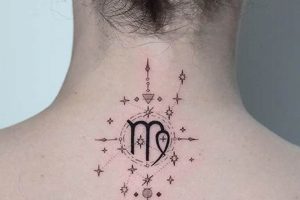



Written words in tattoos offer a powerful way to express personal narratives, beliefs, or commemorations. These range from single words carrying deep meaning to significant quotations, song lyrics, or even original poetry. Examples include names of loved ones, inspirational mottos, or excerpts from literary works rendered in various calligraphic styles.
The enduring popularity of text-based body art stems from its capacity to encapsulate profound sentiments in a concise and visually striking form. Choosing meaningful text adds a deeply personal layer to the tattoo, allowing wearers to carry their stories with them. This form of expression has historical precedents, with examples found in ancient cultures where scripts served not only as decorative elements but also as indicators of social status, lineage, or spiritual beliefs.
Exploring diverse typefaces, languages, and placement options is key to achieving a desired aesthetic and conveying intended messages effectively. Factors such as font selection, size, and placement on the body significantly influence the overall impact of the design. A discussion of these elements, alongside considerations for language, symbolism, and artistic collaboration with tattoo artists, provides a foundation for crafting a truly meaningful and aesthetically pleasing tattoo.
1. Font selection

Font selection is a critical element in the design of script tattoos. The chosen typeface significantly influences the overall aesthetic, readability, and the conveyed message. Careful consideration of font characteristics ensures the tattoo remains visually appealing and effectively communicates its intended meaning over time.
- Readability
Legibility is paramount, especially for longer texts or smaller tattoos. Highly stylized or ornate fonts, while visually appealing, can become difficult to decipher over time as ink spreads slightly with age. Simpler fonts, particularly those with clean lines and distinct character shapes, often offer better long-term readability.
- Style and Tone
Different fonts evoke different moods and aesthetics. A delicate script conveys elegance and femininity, while a bold, gothic font projects strength and intensity. Matching the font style to the message’s tone enhances the tattoo’s expressive power. For example, a romantic quote benefits from a flowing script, while a powerful statement might suit a more angular, assertive typeface.
- Cultural and Historical Connotations
Certain fonts carry specific cultural or historical associations. Using a font reminiscent of ancient calligraphy, for instance, can add a layer of historical depth to a tattoo. Likewise, employing a font commonly associated with a particular culture can lend a tattoo ethnic significance. Researching these connotations adds depth and authenticity to the design.
- Visual Harmony with Design Elements
If the script is incorporated with other visual elements like images or patterns, the font should complement these elements to create a cohesive design. The font’s weight, size, and style should harmonize with the overall composition, avoiding visual clashes and ensuring a balanced and aesthetically pleasing final result.
Ultimately, selecting the appropriate font is crucial for effectively conveying the desired message and ensuring the tattoo remains a source of personal meaning and visual satisfaction for years to come. A well-chosen font enhances both the aesthetic appeal and the communicative power of the script, transforming the tattoo into a truly personalized and enduring work of art.
2. Placement

Placement is a crucial factor in the overall impact of script tattoos. Consideration of body contours, visibility preferences, and the relationship between the script and the body’s natural lines contributes significantly to the aesthetic harmony and personal meaning of the tattoo.
- Body Contours and Flow
The natural curves and contours of the body provide a canvas that can either complement or detract from the script. Placement should enhance the flow and readability of the text. Curved areas like the ribcage, forearm, or bicep can be ideal for longer scripts, allowing the text to follow the body’s natural lines. Flatter areas like the back or chest offer more space for larger designs or those requiring straight lines.
- Visibility and Discretion
Placement determines how visible the tattoo is to oneself and others. Highly visible areas like the hands, neck, or face make a bold statement, while more discreet locations like the inner wrist, ankle, or back offer a sense of privacy. Consideration of personal preferences and social or professional contexts informs placement choices.
- Relationship to Other Tattoos
If the script tattoo is part of a larger composition or complements existing tattoos, placement should create a harmonious visual relationship between the elements. The script can be positioned to interact with other designs, creating a unified narrative or visual theme. Careful planning ensures that the placement enhances the overall aesthetic coherence of the body art.
- Size and Proportion
The size of the script should be proportionate to the chosen body part. A small, delicate script might be lost on a large area like the back, while a large, bold script could overwhelm a smaller area like the wrist. Balancing the size of the script with the available space ensures visual harmony and prevents the tattoo from appearing either too cramped or too sparse.
Strategic placement elevates a script tattoo beyond mere words on skin, transforming it into a thoughtfully integrated piece of body art. Careful consideration of these factors ensures that the placement contributes to both the aesthetic impact and the personal significance of the design.
3. Language
Language selection significantly impacts the aesthetic and cultural dimensions of script tattoos. The chosen language can reflect personal heritage, express affinity for a particular culture, or add a layer of mystique and intrigue. While English remains a popular choice, the increasing use of non-English scripts demonstrates a growing appreciation for linguistic diversity and the unique visual qualities of different writing systems. Japanese kanji, Arabic calligraphy, and Sanskrit script are prominent examples, offering distinctive aesthetics and symbolic richness. The choice of language can also amplify the meaning of the script itself. A phrase translated into another language carries both its original meaning and the cultural connotations associated with the chosen language.
Practical considerations related to language selection include accurate translation and understanding of cultural nuances. Mistranslations can lead to unintended meanings and cultural misunderstandings. Consulting with native speakers or expert translators is essential, particularly for languages with complex grammatical structures or symbolic systems. This research ensures the chosen script accurately reflects the intended message and respects the cultural context of the language. Beyond translation, understanding the cultural significance of specific words or phrases is crucial. Certain symbols or expressions may carry different meanings in different cultures, highlighting the importance of cultural sensitivity in tattoo design.
Careful consideration of language expands the expressive potential of script tattoos. Beyond its communicative function, language becomes an integral part of the aesthetic design, contributing to the overall impact and personal resonance of the tattoo. Thoughtful language selection imbues the tattoo with deeper cultural significance, transforming it into a powerful symbol of personal identity and cultural appreciation.
4. Quote Selection

Quote selection represents a pivotal element within script tattoo design. The chosen text serves as the core message, conveying personal values, beliefs, or experiences. A thoughtfully selected quote elevates the tattoo beyond mere aesthetics, transforming it into a powerful statement of personal identity. The impact of the quote resonates deeply, serving as a constant reminder of the chosen sentiment. This connection between the individual and the inscribed words imbues the tattoo with profound personal significance.
Several factors influence quote selection. Literary works, philosophical texts, song lyrics, and personal mottos often serve as inspiration. The length of the quote impacts font size and placement considerations. Shorter quotes offer design flexibility, while longer passages require careful planning to maintain legibility and aesthetic balance. For instance, a single word like “Resilience” can carry significant weight, while a longer quote from a favorite poem might require a larger canvas and careful font selection to ensure readability. Quotes in other languages introduce considerations of accurate translation and cultural sensitivity. A seemingly simple phrase can hold different connotations across cultures, underscoring the need for thorough research. For example, a Sanskrit mantra might hold spiritual significance for an individual but require expert consultation to ensure accurate transliteration and avoid misinterpretation.
Effective quote selection hinges on resonance and personal meaning. The chosen words should reflect deeply held values, commemorate significant life events, or encapsulate personal philosophies. This intimate connection between the individual and the inscription transforms the tattoo into a powerful symbol of self-expression. Choosing a quote solely for its aesthetic appeal can diminish its long-term significance. Authenticity stems from selecting words that genuinely resonate with one’s inner narrative, ensuring the tattoo remains a source of personal meaning and inspiration for years to come. Successfully integrating a quote into a script tattoo requires careful consideration of both aesthetic and personal elements. This deliberate selection process elevates the tattoo from a decorative element to a powerful expression of personal identity and enduring meaning.
5. Personal Meaning

Personal meaning forms the foundation of impactful script tattoos. While aesthetic considerations are important, the true power of these tattoos lies in their ability to express deeply personal narratives, beliefs, and experiences. This connection between the individual and the inscribed words transforms the tattoo from a decorative element into a powerful symbol of self-expression and identity. A script devoid of personal meaning risks becoming merely an aesthetically pleasing design, lacking the emotional depth and resonance that truly personalized tattoos possess. The act of permanently inscribing words onto one’s body underscores the significance of the chosen message. This permanence encourages careful consideration of the script’s meaning, ensuring its enduring relevance in the wearer’s life. For example, a date commemorating a significant life event, a quote embodying a personal motto, or lyrics from a song holding deep emotional resonance all demonstrate how personal meaning elevates a script tattoo into a powerful personal statement.
This emphasis on personal meaning influences all aspects of the tattoo design process. Font selection, placement, and language choices are guided by the desire to effectively communicate the chosen message and its associated emotions. A delicate script might be chosen for a name commemorating a loved one, while a bold, assertive font might accompany a quote symbolizing strength and resilience. Placement can further amplify personal meaning. A tattoo placed over the heart might signify a deeply held belief, while a script hidden on the inner wrist might represent a private and personal affirmation. Understanding the interplay between these elements allows individuals to craft tattoos that genuinely reflect their inner selves. The process of selecting a meaningful script often involves introspection and reflection. Individuals explore their values, beliefs, and experiences to identify words or phrases that resonate deeply. This introspective journey itself can be a powerful experience, leading to a greater sense of self-awareness and a deeper understanding of one’s personal narrative.
The enduring power of script tattoos lies in their ability to encapsulate personal meaning in a tangible and enduring form. This focus on personal significance elevates the tattoo beyond mere aesthetics, transforming it into a powerful symbol of identity, a constant reminder of cherished values, and a lasting testament to the individual’s unique story. Successfully realizing a meaningful script tattoo requires careful consideration of both the aesthetic and emotional dimensions of the design. This deliberate integration of personal meaning ensures that the tattoo remains a source of personal power and inspiration throughout the wearer’s life.
Tips for Meaningful Script Tattoos
Achieving a truly meaningful and aesthetically pleasing script tattoo requires careful consideration of several key factors. The following tips provide guidance for navigating the design process and ensuring a successful outcome.
Tip 1: Prioritize Readability: Intricate fonts can lose clarity over time. Opt for simpler typefaces, especially for smaller designs or longer texts, to ensure legibility endures.
Tip 2: Research Cultural Connotations: Certain fonts and languages carry specific cultural or historical weight. Thorough research prevents unintended interpretations and ensures respectful use of symbols.
Tip 3: Consider Placement Carefully: Body contours and visibility preferences influence the tattoo’s impact. Harmonize the script with the body’s natural lines and consider how placement affects visibility.
Tip 4: Ensure Accurate Translations: For non-English scripts, consult native speakers or expert translators. Accuracy avoids misinterpretations and respects the chosen language’s cultural context.
Tip 5: Reflect on Personal Meaning: Choose quotes or words that deeply resonate with personal values and experiences. This connection imbues the tattoo with lasting significance.
Tip 6: Collaborate with a Skilled Artist: A skilled tattoo artist provides valuable insights into design elements and ensures professional execution. Open communication about desired aesthetics and personal meaning is essential.
Tip 7: Plan for Long-Term Care: Tattoos require ongoing care to maintain vibrancy and prevent fading. Follow aftercare instructions diligently to preserve the tattoo’s quality over time.
By considering these factors, individuals can ensure their script tattoos are not only aesthetically pleasing but also deeply meaningful and personally resonant for years to come. These considerations pave the way for a tattoo that serves as a powerful and enduring expression of personal identity.
Successfully navigating these elements leads to a script tattoo that embodies both aesthetic excellence and profound personal significance.
Frequently Asked Questions about Script Tattoos
Individuals considering script tattoos often have questions about design, practicality, and aftercare. This section addresses common concerns and provides information to support informed decision-making.
Question 1: How does one choose the right font for a script tattoo?
Font selection depends on the desired aesthetic, the length of the script, and its placement on the body. Simple fonts often offer better long-term readability than highly stylized or ornate options, especially for smaller tattoos. A skilled tattoo artist can provide guidance on font choices that complement the desired style and message.
Question 2: What are the most suitable body placements for script tattoos?
Placement depends on factors like visibility preference, body contours, and the script’s length. The forearm, bicep, ribcage, and back are popular choices due to their relatively flat surfaces and ability to accommodate varying script lengths. Placement should harmonize with the body’s natural lines and consider how visibility aligns with personal preferences.
Question 3: What considerations are essential when choosing a quote in a language other than one’s native tongue?
Accuracy and cultural sensitivity are paramount. Consultation with a native speaker or qualified translator is crucial to ensure accurate translation and avoid unintended meanings or cultural misinterpretations. Researching the cultural context of the script helps ensure respectful and meaningful representation.
Question 4: How can one ensure the longevity and clarity of a script tattoo?
Proper aftercare is vital. Following the tattoo artist’s aftercare instructions diligently, including keeping the tattoo clean and moisturized, helps prevent infection and promotes proper healing. Protecting the tattoo from excessive sun exposure with sunscreen helps prevent fading and maintain vibrancy over time.
Question 5: What are the potential risks associated with script tattoos?
As with all tattoos, infection is a potential risk if proper aftercare procedures are not followed. Allergic reactions to ink, though rare, can also occur. Choosing a reputable and licensed tattoo artist who adheres to strict hygiene standards minimizes these risks. Regretting the chosen script is another potential risk, highlighting the importance of careful consideration and reflection before committing to a permanent design.
Question 6: What steps should one take when preparing for a script tattoo consultation?
Gathering inspiration, researching potential fonts and placements, and reflecting on personal meaning are essential preparatory steps. Bringing visual references to the consultation aids communication with the tattoo artist. Preparing specific questions about design, aftercare, and cost helps ensure a productive and informative consultation experience.
Careful consideration of these frequently asked questions empowers individuals to approach script tattoo design with informed awareness. Addressing these concerns enhances the likelihood of a positive and fulfilling tattoo experience.
Exploring these considerations further empowers individuals to approach script tattoo design with clarity and confidence.
Conclusion
Script tattoos offer a powerful medium for self-expression, allowing individuals to permanently inscribe meaningful words onto their bodies. Careful consideration of elements such as font, placement, language, and personal meaning ensures the chosen script resonates deeply and remains a source of personal significance. The enduring popularity of script-based body art highlights its capacity to capture personal narratives, beliefs, and experiences in a concise and visually striking form. A well-executed script tattoo transcends mere aesthetics, transforming into a powerful symbol of identity, a constant reminder of cherished values, and a lasting testament to one’s individual story.
Ultimately, the power of script tattoos lies in the wearer’s intention and the personal meaning imbued within the chosen words. This form of body art serves as a permanent reminder of one’s values, beliefs, and experiences, offering a tangible connection to one’s inner narrative. The process of selecting a meaningful script encourages introspection and self-discovery, transforming the act of tattooing into a powerful journey of self-expression and personal growth. As individuals continue to explore the expressive potential of language and body art, script tattoos will undoubtedly remain a potent means of conveying personal narratives and celebrating the enduring power of words.