


Tattoos placed on the back of the neck offer a unique canvas for self-expression. This area, often concealed by hair, allows for designs to be both private and easily displayed when desired. Small, minimalist designs like symbols, short quotes, or delicate linework are popular choices, as are larger, more intricate pieces extending onto the upper back. An example includes a single, stylized feather or a geometric pattern.
The discreet nature of this placement can be appealing for those seeking a tattoo that can be hidden in professional settings. The curved surface of the neck also presents an interesting anatomical challenge for artists, allowing for creative use of shape and perspective. Historically, neck tattoos have held significance across various cultures, often symbolizing strength, protection, or affiliation. While societal perceptions have evolved, the nape of the neck maintains a sense of intimacy and individuality as a tattoo location.
Design considerations for this area often involve factors like pain tolerance, hair growth, and visibility. Exploring these factors can help individuals make informed decisions about placement, size, and style. This article will further explore specific design concepts, stylistic approaches, and aftercare advice for tattoos in this location.
1. Placement

Placement is paramount when considering a tattoo on the back of the neck. This area offers a unique canvas with inherent limitations and advantages. High visibility is achievable with hair tied up, while hair worn down provides concealment. This duality makes it appealing for those seeking a tattoo that can be both displayed and hidden depending on circumstance. The curvature of the neck itself influences design choices; a skilled artist can utilize this curve to enhance the artwork’s flow and dimensionality. A small, centered design can emphasize the spine, while a design extending towards the ears or upper back creates a different visual dynamic. The nape, just below the hairline, is a popular choice for smaller, discreet designs, such as symbolic elements or short textual inscriptions. A larger design incorporating elements that flow onto the upper back or shoulders offers a more expansive, dramatic presentation.
Precise placement decisions depend on factors such as design size and intended visibility. For instance, a discreet, professionally acceptable tattoo might be placed higher, closer to the hairline for easy concealment. A larger, bolder design intended for display might be positioned lower, extending further down the neck and potentially onto the back. Designs extending onto the upper back offer greater artistic freedom but require more commitment due to increased visibility and surface area. Careful pre-planning, utilizing stencils and consultations with experienced artists, are crucial for achieving the desired aesthetic effect. The natural hairline must be considered, as changes in hair growth or style can impact a tattoo’s visibility over time.
Strategic placement is therefore fundamental to the success of a neck tattoo. It dictates the balance between visibility and discretion, influences the design’s interaction with the body’s natural contours, and ultimately determines the tattoo’s overall impact. An informed decision regarding placement, taking into account individual preferences and lifestyle factors, contributes to a well-executed and personally meaningful piece of body art.
2. Size and Scale

Size and scale are critical factors in the success of a neck tattoo. The available canvas on the back of the neck presents both opportunities and limitations. Smaller designs, such as single words, small symbols, or minimalist line art, can be elegantly incorporated into this space. These smaller pieces often leverage the neck’s curvature, creating a subtle yet impactful statement. Larger designs, extending onto the upper back or shoulders, offer a more expansive canvas for intricate details and complex compositions. However, larger pieces require careful planning to ensure the design flows naturally with the body’s contours and does not appear disproportionate.
The chosen subject matter influences the appropriate scale. A detailed portrait, for example, requires sufficient space to capture the intricacies of facial features, necessitating a larger scale or a stylized approach. Conversely, a simple geometric pattern or a single, symbolic image can be effectively rendered in a smaller scale, maintaining a sense of delicacy and proportion. The individual’s pain tolerance also plays a role in determining size. Larger tattoos require longer sessions, increasing discomfort. Scalability becomes crucial, allowing for designs to be adapted to different sizes without compromising their visual integrity. For instance, a floral motif can be scaled down to a single bloom or expanded into a sprawling arrangement depending on the desired size and available space. This adaptability ensures the chosen design remains aesthetically pleasing regardless of its final dimensions.
Careful consideration of size and scale is therefore essential for a harmonious and visually appealing neck tattoo. Balancing the design’s complexity, the available space, and the individual’s preferences ensures the final result complements the body’s natural contours and effectively conveys the intended message. A thorough consultation with an experienced tattoo artist is invaluable in determining the appropriate size and scale for any given design, ensuring a successful and satisfying outcome.
3. Design Style
Design style is a pivotal element in the overall aesthetic of a neck tattoo. The chosen style significantly impacts the tattoo’s visual impact, its personal meaning, and its longevity. A careful selection of style ensures the tattoo complements the individual’s personality, the neck’s unique curvature, and the desired level of visibility. The following facets illustrate the diverse range of styles suitable for neck tattoos and the factors influencing their selection.
- Minimalism
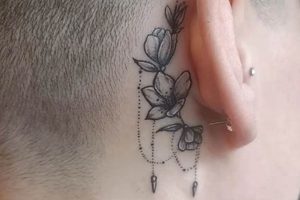
Minimalist designs, characterized by clean lines, simple shapes, and often a monochromatic palette, are a popular choice for neck tattoos. This style lends itself well to smaller designs, such as geometric patterns, single symbols, or short, meaningful words. A small, minimalist triangle behind the ear or a delicate line drawing of a flower at the nape of the neck exemplifies this style. Minimalism offers a subtle yet elegant aesthetic, often preferred by those seeking a discreet and timeless tattoo.
- Realism
Realism, as a tattoo style, focuses on replicating images from the real world with high fidelity. Portraits, animal depictions, or natural elements can be rendered in stunning detail. While challenging on a smaller canvas like the back of the neck, skilled artists can achieve impressive results. A small, realistically rendered hummingbird or a portrait of a beloved pet, while less common, can create a striking and personalized neck tattoo. Due to the level of detail required, realism typically demands a larger scale for optimal execution.
- Traditional/Neo-Traditional
Traditional and neo-traditional styles offer bold lines, vibrant colors, and iconic imagery. Traditional designs often feature classic motifs like anchors, roses, and skulls, while neo-traditional incorporates modern elements and broader color palettes. These styles, while often associated with larger pieces, can be adapted to the neck area. A small swallow or a stylized anchor behind the ear are examples of how these styles can be effectively implemented in a smaller scale. The bold lines and strong imagery ensure visibility, even in smaller designs.
- Script/Lettering
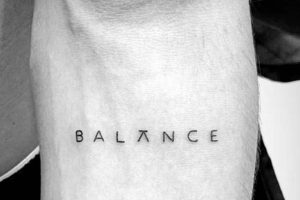
Script and lettering tattoos focus on typographic elements, featuring single words, short quotes, or meaningful names. The choice of font, size, and style dramatically influences the overall aesthetic. A delicate script featuring a loved one’s initials or a bold, gothic font showcasing a powerful word can be effectively placed on the back of the neck. The curvature of the neck can be incorporated into the design, creating a flowing and visually appealing composition. This style offers a highly personal and expressive option for neck tattoos.
The chosen design style fundamentally shapes the visual impact and personal significance of a neck tattoo. Consideration of personal aesthetics, the desired level of visibility, and the specific design elements contributes to a cohesive and meaningful piece of art. Consulting with an experienced tattoo artist is crucial for selecting a style that complements the individual’s vision and the unique characteristics of the neck as a canvas. The interplay between style, placement, and size ultimately determines the overall aesthetic success of the tattoo.
4. Pain Level

Pain level is a crucial consideration for anyone contemplating a neck tattoo. The back of the neck is generally considered a more sensitive area compared to other body parts due to its proximity to bone and nerve endings. Understanding the factors influencing pain and individual variations in pain tolerance is essential for making an informed decision and managing expectations. This section explores the complexities of pain associated with neck tattoos.
- Nerve Density
The back of the neck has a higher concentration of nerve endings compared to areas with more muscle or fat tissue. This increased nerve density contributes to heightened sensitivity during the tattooing process. The closer the tattoo placement is to the spine or base of the skull, the more intense the sensation is likely to be. This factor is consistent across individuals, though the perceived intensity varies depending on individual pain thresholds.
- Skin Thinness
The skin on the back of the neck is relatively thin, particularly near the hairline. Thinner skin offers less cushioning between the needle and the underlying nerves, resulting in a more pronounced sensation. This can be particularly noticeable during the outlining phase of the tattoo process, where the needle penetrates the skin more frequently. Individuals with naturally thicker skin may experience slightly less discomfort in this area.
- Individual Pain Tolerance
Pain tolerance is subjective and varies significantly from person to person. Factors such as previous tattoo experience, overall health, and psychological state can influence an individual’s perception of pain. Someone with multiple tattoos may find neck tattoos less painful than someone getting their first tattoo. Managing anxiety and maintaining a relaxed state can also contribute to a more comfortable experience. Open communication with the tattoo artist about pain levels is crucial for adjusting the process as needed.
- Tattoo Size and Detail
Larger, more detailed tattoos require longer sessions, increasing overall exposure to the sensation. Intricate designs involving fine lines or shading necessitate repeated passes with the needle, which can contribute to increased discomfort. Smaller, simpler designs can often be completed more quickly, minimizing the duration of the experience. Choosing a design appropriate for the individual’s pain tolerance and available time is essential for a positive experience.
Pain is an inherent aspect of the tattooing process, particularly in sensitive areas like the back of the neck. Understanding the contributing factors and individual variations in pain tolerance allows for informed decision-making and realistic expectations. Open communication with the tattoo artist, proper preparation, and aftercare practices can significantly contribute to managing discomfort and ensuring a positive tattooing experience. Ultimately, the decision to get a neck tattoo should involve careful consideration of both aesthetic desires and the anticipated level of discomfort.
5. Hair Growth

Hair growth is a significant factor to consider when planning a tattoo on the back of the neck. The presence and density of hair in this area directly impact a tattoo’s visibility and long-term aesthetic. Individuals with thick hair might choose to keep the design small and placed strategically for visibility when hair is styled up. Conversely, those with thinner hair or who shave the area might opt for larger, more intricate designs, knowing the tattoo will remain predominantly visible. The interplay between hair and tattoo requires careful consideration during the design process.
Several scenarios illustrate the practical implications. A large, detailed tattoo placed at the nape of the neck might be entirely concealed by long, thick hair, rendering it effectively private. This can be advantageous for individuals working in professional environments with strict dress codes. However, if the intent is to showcase the tattoo frequently, this placement might prove impractical. A smaller design placed higher on the neck, closer to the hairline, allows for greater visibility even with hair down. This placement offers a balance between discretion and display. Individuals experiencing hair thinning or loss should consider the potential impact on the tattoo’s long-term visibility. A design initially concealed might become more prominent over time.
Careful pre-planning with the tattoo artist is essential to navigate the relationship between hair growth and tattoo visibility. Simulating different hairstyles during the consultation can help visualize how the tattoo will appear under various conditions. Understanding the potential for changes in hair growth patterns over time is crucial for long-term satisfaction with the tattoo’s placement and overall aesthetic. This foresight ensures the chosen design remains visually appealing and aligns with individual preferences regardless of hair growth changes.
6. Aftercare

Aftercare plays a vital role in the healing and longevity of tattoos, particularly those located on the back of the neck. This area presents unique challenges due to its mobility, potential contact with hair products, and exposure to sunlight. Diligent aftercare practices mitigate risks of infection, promote vibrant color retention, and ensure the tattooed area heals properly. Neglecting aftercare can lead to complications such as infection, ink fading, and scarring, compromising the aesthetic and potentially the health of the individual. For example, improper cleaning can lead to bacterial growth and infection, while excessive sun exposure can cause fading and blurring of the tattoo’s intricate details.
Specific aftercare considerations for neck tattoos include careful cleaning with mild, fragrance-free soap, avoiding harsh scrubbing or picking at scabs. Protecting the tattoo from direct sunlight, especially during the initial healing phase, is crucial for preserving color vibrancy. Loose-fitting clothing minimizes friction and irritation, promoting faster healing. Hair products should be used cautiously, avoiding direct contact with the tattooed area until fully healed. Sleeping positions might require adjustment to minimize contact and potential disruption of the healing process. Consistent application of recommended aftercare products, typically fragrance-free and hypoallergenic moisturizers, helps maintain skin hydration and supports healthy healing. Consulting with the tattoo artist for personalized aftercare instructions, tailored to the specific ink and skin type, is essential. Professional guidance ensures optimal healing and long-term preservation of the tattoo’s quality.
Effective aftercare is integral to the success of a neck tattoo. It safeguards the investment, minimizes potential complications, and ensures the design retains its vibrancy and clarity over time. Understanding the specific aftercare requirements for this sensitive area, combined with consistent adherence to recommended practices, contributes significantly to a positive and aesthetically satisfying outcome. This diligent approach preserves the artistry and personal significance of the tattoo for years to come.
Tips for Neck Tattoos
Careful planning is crucial for a successful neck tattoo. These tips provide guidance for navigating design choices, placement, and aftercare, ensuring a positive experience and a visually appealing, long-lasting result.
Tip 1: Consult Experienced Artists: Research and select a reputable artist specializing in the style desired. Examine portfolios for examples of their neck tattoo work. An experienced artist understands the unique challenges and opportunities presented by this area, ensuring proper placement, size, and design execution.
Tip 2: Consider Visibility and Lifestyle: Neck tattoos offer varying levels of visibility depending on hairstyle and clothing choices. Consider professional and social contexts when determining placement and size. A higher placement offers greater discretion, while a lower placement increases visibility.
Tip 3: Prioritize Scalability: Designs should be adaptable to the available space on the back of the neck. Intricate details might require a larger scale, while simpler designs can be effectively executed in smaller dimensions. Scalability ensures the chosen design retains its integrity regardless of final size.
Tip 4: Plan for Hair Growth: Hair growth can significantly impact a neck tattoo’s visibility. Consider current hair length, density, and potential future changes when determining placement. A consultation with the artist can help visualize how the tattoo will interact with different hairstyles.
Tip 5: Understand Pain Levels: The back of the neck is a sensitive area. Research and prepare for a higher level of discomfort compared to other tattoo locations. Discuss pain management techniques with the artist and consider smaller designs for shorter sessions if pain tolerance is a concern. A smaller, simpler design, like a symbolic outline, might be preferable for a first neck tattoo.
Tip 6: Emphasize Aftercare: Diligent aftercare is crucial for proper healing and color retention. Follow the artist’s specific instructions carefully, including cleaning routines, product recommendations, and sun protection. Proper aftercare prevents complications and ensures the tattoo’s longevity.
Tip 7: Choose Meaningful Designs: Neck tattoos are highly visible and often hold personal significance. Select designs that resonate deeply and reflect individual values or experiences. Thorough consideration of symbolism and personal meaning ensures long-term satisfaction with the chosen design. For example, a small, stylized compass could represent a sense of direction or a love of travel.
Careful consideration of these tips ensures a well-executed, aesthetically pleasing, and personally meaningful neck tattoo. Planning and communication with a skilled artist are essential for a successful and satisfying experience.
By addressing these key considerations, individuals can approach the process of getting a neck tattoo with confidence and ensure a result that aligns with their aesthetic vision and lifestyle.
Frequently Asked Questions
This section addresses common inquiries regarding neck tattoos, providing factual information to assist individuals in making informed decisions.
Question 1: How much do neck tattoos typically cost?
Cost varies based on size, complexity, artist’s experience, and geographical location. Smaller, simpler designs generally cost less than larger, more intricate pieces. Consulting multiple artists allows for price comparisons and informed budget decisions.
Question 2: Are neck tattoos more painful than tattoos in other locations?
The back of the neck is considered a more sensitive area due to thinner skin and proximity to nerves. Individual pain tolerance varies, but generally, neck tattoos are perceived as more painful than tattoos on fleshier areas like the thigh or outer arm.
Question 3: How long does it take for a neck tattoo to heal?
Healing time typically ranges from 2 to 4 weeks, depending on individual factors and tattoo size. Diligent aftercare practices significantly influence healing time and minimize potential complications.
Question 4: Can neck tattoos be covered up for work?
Smaller neck tattoos placed higher on the neck can often be concealed by hair or clothing. Larger designs or those extending lower are more challenging to cover. Consider workplace dress codes and professional requirements when choosing placement and size.
Question 5: What are the potential risks or complications associated with neck tattoos?
As with any tattoo, risks include infection, allergic reactions to ink, and scarring. Proper aftercare minimizes these risks. Consulting a dermatologist before getting a tattoo is advisable for individuals with sensitive skin or pre-existing skin conditions.
Question 6: How does hair growth affect neck tattoos over time?
Hair growth can obscure or partially cover a neck tattoo depending on individual hair density and chosen placement. Consider potential changes in hair growth patterns over time and discuss these factors with the tattoo artist during the consultation process.
Addressing these common concerns provides a clearer understanding of the factors involved in getting a neck tattoo. Thorough research and consultation with experienced professionals are crucial for informed decision-making and a successful outcome.
The next section will explore a curated selection of design ideas specifically tailored for neck tattoos, offering inspiration and guidance for those considering this unique placement.
Behind Neck Tattoo Ideas
Exploration of tattoo designs for the back of the neck requires careful consideration of placement, size, style, pain tolerance, hair growth, and aftercare. These factors significantly influence the aesthetic outcome and longevity of the tattoo. Placement dictates visibility and how the design interacts with the neck’s curvature. Size and scale must complement the chosen design and individual anatomy. Style selection should align with personal aesthetics and practical considerations, ranging from minimalist symbols to intricate artwork. Pain levels, typically higher in this area, necessitate careful consideration and open communication with the artist. Hair growth can affect visibility over time, influencing placement decisions. Diligent aftercare ensures proper healing, color retention, and overall longevity of the tattoo. Understanding these elements allows for informed decisions and contributes to a successful outcome.
Ultimately, a well-executed neck tattoo represents a fusion of artistic expression and personal significance. Thoughtful planning, collaboration with a skilled artist, and diligent aftercare ensure a visually striking and enduring piece of body art. The back of the neck, while a challenging canvas, offers a unique opportunity for self-expression and a powerful statement of individuality. Choosing a design that resonates deeply and complements the individual’s unique characteristics ensures long-term satisfaction and a meaningful representation of personal style.