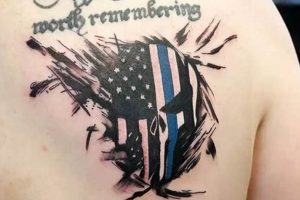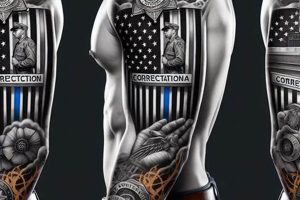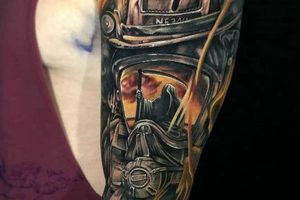



Large canvases like the back offer extensive space for elaborate and detailed artwork, ranging from single, impactful pieces to intricate, interconnected designs. Consider a detailed Japanese dragon winding from shoulder to hip, a delicate floral arrangement spanning the upper back, or a powerful symbolic image centered between the shoulder blades. These expansive designs can incorporate various elements, styles, and colors, allowing for truly personalized expressions of creativity.
The back’s size and relative flatness make it ideal for complex compositions and larger-scale pieces that might not be suitable for other body areas. Its discreet location allows individuals to choose whether to conceal or reveal their body art, offering flexibility and control over self-expression. Historically, back tattoos have held cultural significance in various traditions, representing everything from spiritual beliefs and tribal affiliations to personal narratives and artistic statements. This tradition continues today, with the back serving as a prominent canvas for meaningful and aesthetically striking body art.
Exploring design options for back tattoos necessitates careful consideration of factors such as placement, style, and artist expertise. Key considerations include the curvature of the spine, the width of the shoulders, and the overall shape of the back. Researching different tattoo styles, from realism and traditional to watercolor and geometric, ensures a design that aligns with individual aesthetics and desired symbolism. Selecting a skilled and experienced tattoo artist specializing in large-scale work is paramount for achieving a high-quality and impactful result.
1. Placement

Placement is a critical factor in back tattoo design, influencing the overall composition, visual impact, and how the artwork interacts with the body’s natural contours. Strategic placement maximizes the canvas’s potential, creating a harmonious relationship between the design and the individual’s physique.
- Upper Back
The upper back, encompassing the area between the shoulder blades and extending down to the mid-back, provides a relatively flat surface ideal for symmetrical designs, large-scale imagery, or detailed compositions. Elements like wings, mandalas, or intricate floral patterns often complement this area. Its visibility allows for prominent display while still offering the option of concealment with clothing.
- Spinal Tattoos
Following the curvature of the spine, these designs create a dramatic and visually striking effect. Script, single lines of symbols, or small, repeating patterns are common choices. Spinal tattoos can range from subtle and delicate to bold and prominent, depending on the design’s size and intricacy.
- Lower Back
Traditionally a popular placement, particularly for smaller designs, the lower back offers a canvas for motifs that can accentuate the body’s curves. Tribal designs, floral patterns, and symbolic imagery are frequent choices. However, the lower back’s curvature can present challenges for larger or more complex compositions.
- Full Back Pieces
Utilizing the entire back as a canvas allows for extensive and elaborate designs. These pieces can incorporate various elements, styles, and narratives, creating a powerful and comprehensive visual statement. Full back pieces require significant planning and commitment, given their size and complexity.
Careful consideration of these placement options ensures the chosen design harmonizes with the back’s natural contours, maximizing its aesthetic impact and personal significance. Placement not only influences visual appeal but also factors into practical considerations, such as visibility, concealability, and the potential distortion of the design with body movement.
2. Size and Scale

Size and scale are fundamental considerations in back tattoo design, directly impacting the artwork’s visual impact, detail level, and overall balance. The back’s expansive area offers a unique canvas for tattoos of various magnitudes, from small, minimalist designs to large, intricate masterpieces. Careful consideration of size and scale ensures the chosen design harmonizes with the individual’s physique and effectively conveys the intended message.
Smaller designs offer subtlety and discretion, often placed on the lower back or shoulder blade. These tattoos might feature simple symbols, short quotes, or minimalist imagery. Larger designs, however, can encompass the entire back, incorporating intricate details, complex compositions, and narratives. A large-scale Japanese dragon, for example, can utilize the back’s breadth to showcase the creature’s full form and intricate scales, while a smaller, stylized dragon might be placed discreetly on the shoulder blade. Scale also influences the perceived detail level. A large portrait benefits from the space to capture fine lines and subtle shading, whereas a smaller version necessitates simplification and bolder lines.
Effective use of size and scale creates a balanced and aesthetically pleasing composition. A small, intricate design might appear lost on a vast expanse of skin, while an overly large design can feel overwhelming and disproportionate. Achieving visual harmony requires careful consideration of the design’s subject matter, level of detail, and the individual’s body shape. Proportion and balance contribute significantly to the tattoo’s overall impact, ensuring it complements rather than overwhelms the wearer’s physique. Furthermore, the choice of size and scale influences practical considerations, such as the time commitment required for multiple tattoo sessions and the overall cost of the artwork. Large-scale pieces require significant planning and dedication, while smaller designs offer a more accessible entry point into body art.
3. Style and Imagery

Style and imagery are integral to back tattoo design, profoundly influencing the artwork’s aesthetic, narrative, and personal significance. The chosen style dictates the overall visual language, while the imagery conveys specific meanings, emotions, or stories. The back’s large canvas provides ample space for diverse artistic expressions, allowing for a wide range of styles and complex imagery to intertwine and create a powerful visual statement.
- Realism
Realistic tattoos strive to depict subjects with photographic accuracy, capturing intricate details and lifelike textures. Portraits, animals, and natural landscapes are common subjects in realism. The back’s expansive area allows for large-scale realistic pieces, showcasing the artist’s skill in capturing fine details and subtle shading. A realistic depiction of a loved one’s portrait, for example, can become a powerful and moving tribute.
- Traditional (American/Japanese)
Traditional tattoo styles, including American and Japanese traditions, utilize bold lines, vibrant colors, and iconic imagery. American traditional often features anchors, eagles, roses, and pin-up girls, while Japanese traditional incorporates dragons, koi fish, cherry blossoms, and samurai. The back’s size provides ample space for large-scale traditional pieces, allowing these bold designs to make a strong visual statement.
- Watercolor
Watercolor tattoos mimic the fluidity and soft transitions of watercolor paintings. Abstract shapes, floral motifs, and dreamlike imagery are often depicted in this style. The back’s smooth surface serves as an ideal canvas for the flowing, ethereal aesthetic of watercolor tattoos, allowing the colors to blend and diffuse seamlessly across the skin.
- Geometric/Abstract
Geometric and abstract tattoos utilize lines, shapes, and patterns to create visually striking designs. Mandala patterns, sacred geometry, and abstract interpretations of natural forms are common themes. The back’s flat areas, particularly the upper back, are well-suited to symmetrical geometric designs, while abstract patterns can flow and adapt to the body’s contours.
The interplay between style and imagery is crucial for creating a cohesive and meaningful back tattoo. Selecting a style that resonates with personal aesthetics and complements the chosen imagery ensures a harmonious and impactful result. The back, as a prominent and expansive canvas, provides a powerful platform for artistic expression, allowing individuals to showcase their chosen style and imagery in a visually striking and personally significant manner. Choosing the right combination elevates the tattoo beyond mere decoration, transforming it into a powerful form of self-expression and storytelling.
4. Artist Selection
Selecting a skilled and experienced tattoo artist is paramount for realizing complex back tattoo designs. The back’s large canvas presents unique challenges and opportunities, demanding an artist capable of executing intricate details, maintaining consistent line work across a broad area, and understanding how the design will interact with the body’s contours. A thoughtful artist selection process significantly impacts the final result, ensuring the envisioned design translates beautifully and effectively onto the skin.
- Portfolio Examination
Thoroughly reviewing an artist’s portfolio provides crucial insights into their style, skill level, and experience with back tattoos. Look for examples of large-scale work, intricate details, and consistent line quality. Assess the artist’s ability to execute various styles, particularly the style desired for the back piece. A strong portfolio demonstrates the artist’s technical proficiency and artistic vision, indicating their capacity to handle the complexities of a back tattoo.
- Specialization and Experience
Seek artists specializing in the desired style and possessing experience with large-scale projects. Some artists specialize in specific styles, such as realism, traditional, or watercolor. Experience with back pieces demonstrates an understanding of the unique challenges this area presents, including body contours, skin texture variations, and the extended duration of larger tattoo sessions. An artist’s specialization and experience directly correlate with their ability to execute the design effectively.
- Hygiene and Safety Practices
Prioritize artists who adhere to stringent hygiene and safety standards. A reputable tattoo studio should maintain a sterile environment, using single-use needles, sterilized equipment, and appropriate barrier techniques. Inquire about the artist’s sterilization procedures and ensure they comply with all relevant health and safety regulations. Prioritizing hygiene and safety mitigates risks and ensures a safe and comfortable tattooing experience.
- Consultation and Communication
A thorough consultation with the chosen artist is crucial for discussing design details, placement, and expectations. Effective communication ensures the artist understands the client’s vision and can offer expert advice on design feasibility, placement considerations, and potential challenges. Open communication fosters a collaborative relationship, enabling the artist to translate the client’s ideas into a stunning and personalized back tattoo.
Careful artist selection ensures the chosen design is executed with precision, artistry, and attention to detail. The artist’s skill, experience, and communication style significantly impact the final artwork’s quality and longevity. Given the back’s prominence and the permanence of tattoos, investing time in selecting the right artist is essential for achieving a result that meets expectations and becomes a cherished piece of body art.
5. Pain Management
Pain management is an essential consideration for back tattoos due to the area’s varying nerve density and proximity to bone. Developing a comprehensive pain management strategy before, during, and after the tattoo session contributes significantly to a more comfortable and positive experience, allowing individuals to focus on the artistic process rather than discomfort. Effective pain management techniques range from physical preparations to mental strategies and aftercare practices.
- Pre-Tattoo Preparation
Adequate rest, hydration, and nourishment in the days leading up to the tattoo appointment are crucial. A well-rested body tolerates pain more effectively. Hydration maintains skin elasticity, facilitating the tattooing process. A nutritious meal before the session ensures stable blood sugar levels, preventing lightheadedness or discomfort during the procedure. Avoiding alcohol and caffeine, which can thin the blood and increase sensitivity, is also recommended.
- During the Tattoo Session
Employing techniques like deep breathing, meditation, or listening to music can help manage discomfort during the session. Deep, controlled breaths can reduce anxiety and manage pain perception. Focusing on a calming activity, such as listening to music or audiobooks, can distract from the physical sensations. Communicating openly with the tattoo artist about pain levels allows for breaks when needed, ensuring a more manageable experience.
- Topical Anesthetics
Over-the-counter topical anesthetic creams containing lidocaine or benzocaine can numb the skin, reducing pain sensation during the tattooing process. Applying these creams prior to the session, as directed by the artist or product instructions, can significantly improve comfort levels, particularly in sensitive areas. However, it’s essential to discuss the use of topical anesthetics with the artist beforehand, as some artists may prefer to work without them due to potential impacts on skin texture.
- Aftercare Pain Management
Proper aftercare significantly impacts healing and minimizes discomfort. Keeping the tattoo clean and moisturized prevents infection and promotes healthy skin regeneration. Over-the-counter pain relievers, such as ibuprofen, can manage inflammation and discomfort during the healing process. Following the artist’s aftercare instructions diligently ensures optimal healing and minimizes potential complications, contributing to a more comfortable recovery period.
Implementing a comprehensive pain management strategy, encompassing pre-tattoo preparation, during-session techniques, and diligent aftercare, allows individuals to approach the process with greater comfort and focus. Effectively managing pain enhances the overall tattooing experience, transforming what might be perceived as an ordeal into a more manageable and ultimately rewarding artistic endeavor, especially crucial for large-scale projects like back pieces. This contributes to a more positive and fulfilling experience, enabling individuals to fully appreciate the process of transforming their chosen design into a cherished piece of body art.
Tips for Back Tattoo Designs
Careful planning is crucial for successful back tattoo designs. These tips offer guidance for navigating the process effectively, from concept development to aftercare.
Tip 1: Plan for Long-Term Commitment: Large back pieces often require multiple sessions and significant financial investment. Thorough planning ensures adequate time and resources are allocated.
Tip 2: Consider Body Shape and Movement: The back’s contours and flexibility influence design placement and composition. Designs should complement the body’s natural shape and adapt gracefully to movement.
Tip 3: Research Artists Extensively: Selecting a skilled artist specializing in the desired style and possessing experience with large-scale work is essential. Thorough portfolio review and consultations are crucial.
Tip 4: Prioritize Proper Aftercare: Diligent aftercare ensures vibrant color retention and prevents infection. Following the artist’s instructions meticulously promotes optimal healing.
Tip 5: Explore Design Meanings: Researching symbolism and cultural significance adds depth and personal meaning to the chosen imagery. Understanding the narrative behind a design enhances its impact.
Tip 6: Visualize the Final Result: Utilize digital tools or temporary tattoos to visualize the design’s placement, size, and overall effect on the back. Visualization aids in refining the design and ensuring satisfaction with the final result.
Tip 7: Prepare for Discomfort: Back tattoos can be time-consuming and potentially uncomfortable. Mental preparation, pain management techniques, and open communication with the artist contribute to a more positive experience.
Careful consideration of these tips ensures a successful and fulfilling back tattoo experience, resulting in a piece of body art that is both aesthetically pleasing and personally meaningful. Thorough planning and informed decision-making are essential for achieving a result that will be cherished for years to come.
By following these guidelines, individuals can approach the process with confidence, ensuring their back tattoo becomes a powerful expression of personal style and narrative.
Frequently Asked Questions
Addressing common inquiries regarding back tattoos provides clarity and facilitates informed decision-making. Understanding the process, potential challenges, and long-term implications empowers individuals to embark on this artistic journey with confidence.
Question 1: How painful are back tattoos?
Pain levels vary depending on individual pain tolerance, placement, and design intricacies. Areas with thinner skin or closer proximity to bone tend to be more sensitive. Effective pain management strategies can significantly improve comfort levels.
Question 2: How long do back tattoos take to heal?
Healing typically takes several weeks, with complete healing requiring up to two to three months. Adhering to proper aftercare procedures promotes efficient healing and minimizes potential complications.
Question 3: How much do back tattoos cost?
Costs vary based on design size, complexity, artist experience, and geographical location. Larger, more intricate designs by experienced artists in higher-cost areas generally command higher prices.
Question 4: Can back tattoos be covered up?
Most clothing easily conceals back tattoos. Full coverage may require specific clothing choices depending on the design’s size and placement. Concealability offers flexibility in professional or formal settings.
Question 5: What are the best design ideas for back tattoos?
Optimal designs depend on individual preferences, aesthetics, and desired symbolism. The back’s large canvas accommodates diverse styles, from intricate, full-back pieces to smaller, symbolic designs. Consulting with an experienced artist helps refine design concepts and ensures they complement the individual’s physique.
Question 6: How do I choose the right tattoo artist for a back piece?
Selecting an artist requires careful consideration of their portfolio, specialization, experience with large-scale work, and hygiene practices. Thorough research, portfolio reviews, and consultations are essential for choosing an artist whose style and expertise align with the desired design.
Informed decision-making requires comprehensive understanding. Addressing these common questions provides valuable insights and empowers individuals to approach back tattoo designs with confidence and clarity, ensuring a positive and fulfilling artistic experience.
Understanding these aspects allows individuals to make informed decisions and embark on the journey of creating a meaningful and aesthetically impactful back tattoo.
Conclusion
Exploring the realm of back tattoo designs necessitates careful consideration of various factors, including placement, size and scale, style and imagery, artist selection, and pain management. The back, as a canvas, offers unique opportunities for large-scale artwork, intricate details, and personalized expressions. Understanding the interplay of these elements is crucial for achieving a harmonious and impactful result. Effective design choices complement the body’s natural contours, conveying individual narratives and aesthetic preferences.
The process demands thoughtful planning, thorough research, and open communication with a skilled artist. A well-executed back tattoo becomes a powerful statement of personal style and storytelling, a permanent artwork that evolves with the individual. The journey requires commitment, dedication, and a deep understanding of the artistic process, ultimately culminating in a transformative and enduring piece of body art.