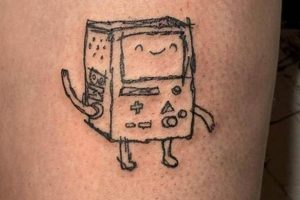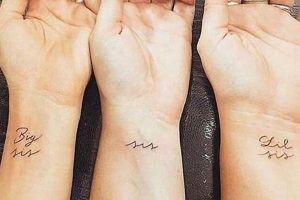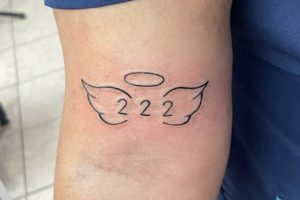



Small, delicate designs, floral motifs, meaningful quotes, and symbolic imagery represent popular aesthetic choices for permanent body art. Examples include butterflies, mandalas, constellations, and minimalist line drawings. Placement often favors areas like the wrist, ankle, ribs, or behind the ear.
The selection of body art designs reflects personal expression, commemoration of significant events, or the embodiment of cherished values. Historically, permanent body decoration has served diverse purposes across cultures, from signifying tribal affiliation and social status to acting as spiritual protection or adornment. Today, it remains a powerful means of self-expression and identity formation, especially for young women navigating self-discovery and personal style.
Factors such as design aesthetics, placement, and cultural significance contribute to the decision-making process. Exploring diverse artistic styles, understanding symbolic meanings, and considering practical aspects like pain tolerance and aftercare are crucial steps in choosing meaningful and aesthetically pleasing permanent body art.
1. Placement

Placement is a crucial factor in the design process, impacting both the visibility and aesthetic of permanent body art. Consideration of body shape, lifestyle, and desired level of discretion informs placement decisions.
- Visibility and Discretion
Placement determines how readily visible a design is to oneself and others. Highly visible areas like the forearm or neck offer bold statements, while discreet locations like the ribcage or ankle allow for more private expression. Choosing appropriate placement allows individuals to control the degree of self-expression and align it with personal comfort levels.
- Body Contour and Aesthetics
Placement interacts with the natural curves and contours of the body. Designs can be strategically placed to accentuate specific features or flow seamlessly with body lines. For example, a vine tattoo might gracefully wrap around the ankle, or a quote might follow the collarbone. Skillful placement enhances the overall aesthetic appeal of the design.
- Practical Considerations and Lifestyle
Certain professions or lifestyles may necessitate more discreet placement. Areas easily concealed by clothing offer flexibility in professional settings. Additionally, areas prone to friction or sun exposure should be considered carefully, as these factors can affect the longevity and vibrancy of the tattoo.
- Pain Tolerance
Different areas of the body have varying levels of sensitivity. Areas with thinner skin or closer proximity to bone tend to be more sensitive. Individuals with lower pain tolerance might opt for placement on fleshier areas like the thigh or outer arm. Researching pain levels associated with different placements can contribute to a more comfortable experience.
By considering these facets of placement, individuals can ensure their chosen design harmonizes with their body, lifestyle, and personal preferences, ultimately enhancing the overall impact and meaning of the permanent body art.
2. Size and Style
Size and style are fundamental considerations in the design process, significantly influencing the overall aesthetic and personal statement of permanent body art. A harmonious balance between these elements ensures the design complements the individual’s body, personality, and desired level of expression. Careful selection of size and style contributes to a visually appealing and personally meaningful outcome.
- Scale and Proportion
Scale refers to the overall size of the design relative to the body. A large-scale piece can make a bold statement on the back or thigh, while a smaller, more delicate design might be better suited for the wrist or ankle. Proportion considers the relationship between elements within the design itself, ensuring visual harmony and balance. Proper scale and proportion create a design that complements the body’s natural contours and avoids appearing overwhelming or disproportionate.
- Artistic Styles and Trends
Various artistic styles can be applied to create unique and personalized designs. Popular styles include minimalism, realism, watercolor, traditional, and geometric. Minimalism emphasizes clean lines and simple forms, while realism focuses on detailed and lifelike depictions. Watercolor imitates the fluidity and vibrancy of watercolor paintings, while traditional styles draw inspiration from classic tattooing techniques. Geometric styles incorporate geometric shapes and patterns. Choosing a style that resonates with personal aesthetics ensures a design that feels authentic and expressive.
- Detail and Complexity
The level of detail and complexity within a design influences its visual impact and longevity. Intricate designs with fine lines and intricate details may require more frequent touch-ups over time due to ink dispersion. Simpler designs with bolder lines tend to age better. The desired level of detail should be balanced with practical considerations of maintenance and long-term appearance.
- Personalization and Customization
Personalization allows individuals to create designs that hold unique meaning and significance. Incorporating personal symbols, quotes, or elements that reflect individual interests and values enhances the emotional connection to the body art. Customization allows for adaptation of existing designs or creation of entirely new concepts to ensure a truly unique and personalized expression of self.
The interplay between size and style significantly impacts the overall aesthetic and personal statement of permanent body art. Careful consideration of these elements ensures a cohesive and meaningful design that resonates with individual preferences and enhances personal expression.
3. Symbolic Meaning

Symbolic meaning imbues permanent body art with depth and personal resonance, transforming aesthetic choices into powerful expressions of identity, values, and experiences. For individuals seeking meaningful and personalized designs, exploring the symbolic significance of potential imagery is a crucial step in the decision-making process. Understanding the rich history and cultural context behind symbols allows for a deeper connection with the chosen design.
- Cultural and Historical Significance
Many symbols carry rich cultural and historical significance, representing specific values, beliefs, or traditions. For instance, the lotus flower symbolizes purity and rebirth in Eastern cultures, while the Celtic knot represents interconnectedness and eternity. Understanding the cultural context of a symbol adds layers of meaning and ensures respectful appropriation of cultural imagery.
- Personal Experiences and Memories
Symbols can serve as powerful reminders of personal experiences, relationships, or milestones. A specific flower might symbolize a loved one, a geometric pattern might represent a significant journey, or a quote might embody a personal motto. Connecting designs to personal narratives imbues them with emotional significance and transforms them into tangible representations of cherished memories.
- Abstract Concepts and Values
Abstract concepts such as freedom, strength, or hope can be represented through symbolic imagery. A bird in flight might symbolize freedom, a lion might represent strength, or a semicolon might signify resilience and hope. Choosing symbols that represent core values allows individuals to express their inner selves and aspirations through external representation.
- Spiritual and Philosophical Beliefs
Symbols often hold spiritual or philosophical significance, representing beliefs about the universe, existence, and the human condition. Mandalas, for example, represent wholeness and spiritual balance in Hindu and Buddhist traditions. Incorporating symbols that align with personal spiritual or philosophical beliefs adds a deeper layer of meaning and connection to the chosen design.
By carefully considering the symbolic meaning embedded within chosen designs, individuals can create permanent body art that resonates deeply with their personal narratives, values, and beliefs. This thoughtful approach transforms aesthetic choices into powerful expressions of self, adding layers of meaning and significance to the chosen artwork.
4. Color Palette

Color palettes play a significant role in the overall aesthetic and impact of permanent body art. Careful selection of colors enhances the design, evokes specific moods, and contributes to the longevity and vibrancy of the tattoo. Understanding the interplay of colors and their symbolic meanings allows for informed decisions that align with personal preferences and desired aesthetic outcomes.
- Color Psychology and Mood
Different colors evoke various emotions and associations. Warm colors like red and orange can convey passion, energy, or warmth, while cool colors like blue and green can evoke tranquility, serenity, or peace. Black represents power, mystery, or elegance, while white symbolizes purity, innocence, or simplicity. Selecting colors that align with the intended mood and message of the design enhances its emotional impact.
- Skin Tone and Color Vibrancy
Individual skin tones influence how colors appear on the body. Certain colors may appear more vibrant on lighter skin tones, while others may be more pronounced on darker skin tones. Consulting with a tattoo artist experienced in working with diverse skin tones helps ensure optimal color selection and vibrancy, taking into account individual skin undertones and color saturation.
- Color Symbolism and Cultural Significance
Colors hold symbolic meanings that vary across cultures. Red, for example, symbolizes good luck and prosperity in some cultures, while it represents mourning in others. Understanding the cultural context of color symbolism ensures respectful and appropriate use of color within the design. Incorporating colors with personal symbolic meanings adds depth and significance to the artwork.
- Color Combinations and Contrast
Harmonious color combinations enhance the visual appeal and balance of a design. Complementary colors, located opposite each other on the color wheel, create vibrant contrast, while analogous colors, situated next to each other, offer a more harmonious and blended effect. Careful consideration of color combinations ensures a visually pleasing and balanced composition that complements the chosen design.
The color palette is an integral aspect of permanent body art, impacting not only the aesthetic appeal but also the emotional resonance and symbolic meaning of the design. Thoughtful color selection, informed by color psychology, skin tone considerations, cultural context, and artistic principles, elevates the design and ensures a visually impactful and personally meaningful result. This contributes significantly to the overall satisfaction and long-term appreciation of the chosen artwork.
5. Artist Selection
Selecting a skilled and reputable artist is paramount when realizing permanent body art, particularly when exploring design concepts tailored towards individual expression. A competent artist translates concepts into aesthetically pleasing and technically sound realities, ensuring the final result aligns with the individual’s vision and adheres to safety standards. Choosing the right artist significantly impacts the quality, longevity, and overall satisfaction with the final artwork.
- Portfolio and Style Alignment
An artist’s portfolio provides crucial insight into their skill level, artistic style, and specialization. Examining previous work allows individuals to assess whether the artist’s aesthetic aligns with their desired design concept. Certain artists specialize in specific styles, such as fine line, realism, or watercolor. Choosing an artist proficient in the desired style increases the likelihood of achieving the desired visual outcome.
- Hygiene and Safety Practices
Maintaining stringent hygiene and safety practices is crucial in the tattooing process to minimize health risks. Reputable artists adhere to strict sterilization procedures, use single-use needles, and maintain a clean and sanitary work environment. Verifying an artist’s commitment to safety protocols protects against infections and ensures a safe and responsible tattooing experience.
- Communication and Collaboration
Effective communication and collaboration between the artist and individual are essential throughout the design process. A skilled artist actively listens to the individual’s vision, offers professional guidance, and collaborates on design modifications to ensure a cohesive and personalized result. Open communication fosters a collaborative environment where artistic expertise complements individual expression.
- Reputation and Client Testimonials
Researching an artist’s reputation and reviewing client testimonials provides valuable insights into their professionalism, artistic skill, and client satisfaction. Positive reviews and recommendations from previous clients indicate a reliable and trustworthy artist committed to delivering high-quality work. Assessing an artist’s reputation within the tattoo community helps inform the selection process and minimizes potential risks.
The selection of a qualified and reputable artist significantly influences the realization of a meaningful and aesthetically pleasing tattoo. Careful consideration of an artist’s portfolio, hygiene practices, communication style, and reputation ensures the chosen design is executed with skill, precision, and adherence to safety standards. This ultimately contributes to a positive and fulfilling tattooing experience, resulting in a piece of body art that reflects individual expression and stands the test of time.
Tips for Choosing Meaningful Body Art
Selecting permanent body art is a significant decision. These tips offer guidance for navigating the process thoughtfully and ensuring a design that resonates with personal style and values.
Tip 1: Research Thoroughly
Explore various artistic styles, research potential artists, and delve into the symbolism of potential designs. Thorough research ensures informed decisions aligned with personal aesthetics and desired meaning.
Tip 2: Consider Placement Carefully
Placement impacts visibility, aesthetics, and practicality. Consider lifestyle, clothing choices, and pain tolerance when selecting placement.
Tip 3: Prioritize Quality over Cost
Permanent body art is an investment. Prioritizing a skilled and reputable artist, even if it entails a higher cost, ensures a high-quality and safe result.
Tip 4: Reflect on Personal Meaning
Infuse the design with personal significance by incorporating elements that reflect individual values, experiences, or aspirations. Meaningful designs foster a deeper connection with the artwork.
Tip 5: Start Small and Simple
For first-time recipients, starting with a smaller, simpler design allows for acclimation to the process and reduces potential regret. Smaller designs can always be expanded upon later.
Tip 6: Communicate Effectively with the Artist
Open communication with the chosen artist ensures the design aligns with the individual’s vision. Clearly articulate preferences, ask questions, and actively participate in the design process.
Tip 7: Plan for Aftercare
Proper aftercare is essential for healing and preserving the vibrancy of the tattoo. Follow the artist’s aftercare instructions diligently to minimize complications and ensure optimal results.
By considering these tips, individuals can approach the process of selecting permanent body art with greater confidence and ensure a result that reflects their unique personality and values.
Thoughtful planning and careful consideration of these factors contribute to a positive and fulfilling experience, resulting in a piece of body art cherished for years to come.
Frequently Asked Questions
This section addresses common inquiries regarding permanent body art, providing factual information and clarifying potential misconceptions.
Question 1: How does one determine appropriate design size?
Design size should complement body proportions and placement. Smaller designs suit delicate areas like wrists or ankles, while larger designs can be accommodated on areas like the back or thigh. Consulting with a tattoo artist helps determine appropriate scale and proportion.
Question 2: What factors influence the longevity of a tattoo?
Factors influencing longevity include placement, ink quality, sun exposure, and aftercare practices. Designs located in areas prone to friction or sun exposure may require more frequent touch-ups. Diligent aftercare is crucial for preserving vibrancy and preventing premature fading.
Question 3: How does one choose a reputable tattoo artist?
Researching an artist’s portfolio, reviewing client testimonials, and verifying adherence to safety and hygiene protocols are crucial steps in selecting a reputable artist. A consultation allows for discussion of design concepts and assessment of the artist’s communication style and professionalism.
Question 4: What is the typical healing process for a tattoo?
The healing process typically takes several weeks, during which proper aftercare is essential. The tattooed area may initially appear red, swollen, and sensitive. Following the artist’s aftercare instructions diligently minimizes the risk of infection and promotes optimal healing.
Question 5: How can cultural sensitivity be maintained when choosing symbolic designs?
Researching the cultural and historical context of symbolic imagery is crucial for ensuring respectful appropriation. Consulting with cultural experts or individuals belonging to the relevant culture provides valuable insights and helps avoid misrepresentation or offense.
Question 6: What are the potential risks associated with tattooing?
Potential risks include infection, allergic reactions to ink, and scarring. Choosing a reputable artist who adheres to strict safety and hygiene protocols minimizes these risks. Individuals with pre-existing medical conditions should consult with a physician before getting a tattoo.
Thorough research, careful planning, and open communication with a qualified artist contribute to a positive and safe tattooing experience. Addressing these frequently asked questions provides valuable information for individuals considering permanent body art.
Further exploration of specific design styles and symbolic meanings can assist in the decision-making process.
Conclusion
Exploration of permanent body art designs for young women reveals a complex interplay of personal expression, aesthetic preferences, and cultural influences. Placement, size, style, symbolic meaning, color palettes, and artist selection are crucial factors contributing to meaningful and aesthetically pleasing outcomes. Careful consideration of these elements ensures designs resonate with individual values, enhance personal narratives, and stand the test of time.
Permanent body art serves as a powerful medium for self-expression and identity formation. Informed decision-making, grounded in research and thoughtful consideration, empowers individuals to embrace this art form responsibly and create lasting expressions of personal style and meaning.