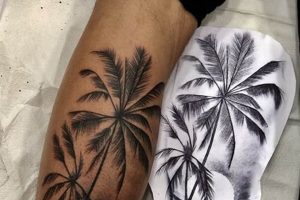



Conceptualizing body art within the United States often involves researching designs relevant to American culture, symbolism, and trends. This might include imagery drawn from nature (e.g., native flora and fauna), historical figures or events, or popular culture icons. Examples range from minimalist line drawings of state flowers to complex, full-color depictions of iconic landmarks or portraits of influential Americans.
Connecting personal expression with national identity through body art can be a powerful statement. It allows individuals to showcase patriotism, celebrate cultural heritage, or express a unique perspective on the American experience. Furthermore, the diversity within the United States ensures a constant evolution of artistic styles and influences, leading to a rich tapestry of tattoo designs unique to the nation. The development of distinct regional styles and the adoption and adaptation of global trends contribute to a vibrant and ever-changing landscape of American tattooing.
Exploring specific styles prevalent in the United States, such as American traditional, neo-traditional, or black and grey realism, provides further insight into the artistic landscape of American tattooing. Additionally, examining the evolution of these styles and the cultural influences that shape them offers a deeper understanding of the connection between body art and national identity.
1. American Traditional

American Traditional holds a significant position within the broader context of tattoo ideas in the United States. This style, characterized by bold lines, vibrant colors, and iconic imagery, represents a foundational element of American tattooing. Its influence stems from the early 20th century work of artists like Norman “Sailor Jerry” Collins, whose depictions of nautical themes, patriotic symbols, and classic Americana established a visual vocabulary that continues to resonate. Examples include anchors, eagles, roses, and pin-up girls, all rendered with a distinct aesthetic that emphasizes simplicity and impact. This style’s enduring popularity reflects a deep connection to American cultural heritage and a timeless appeal that transcends fleeting trends.
The impact of American Traditional extends beyond its stylistic elements. It represents a historical lineage within the art form, connecting contemporary tattooists to a rich tradition. Understanding this connection provides valuable context for appreciating the evolution of tattooing in the United States. Furthermore, American Traditional serves as a point of departure for many contemporary artists who draw inspiration from its classic motifs while incorporating modern techniques and interpretations. The style’s versatility allows for both faithful reproductions of traditional designs and innovative adaptations that reflect individual artistic expression.
In summary, American Traditional functions as a cornerstone of “tattoo ideas usa,” offering a powerful visual language deeply intertwined with American culture and history. Its enduring presence within the tattoo community underscores its significance, influencing both established artists and emerging trends. Recognizing its historical and artistic importance provides crucial insight into the broader landscape of American tattooing.
2. Nature-inspired designs
Nature-inspired designs hold a prominent position within the realm of American tattoo art, reflecting a deep connection to the nation’s diverse landscapes and ecological richness. This connection manifests in various forms, from depictions of iconic national parks and majestic mountain ranges to representations of native flora and fauna. Specific examples include redwood trees symbolizing California’s natural wonders, bald eagles embodying national pride, and state flowers representing regional identity. The incorporation of these elements into tattoo designs demonstrates an appreciation for the natural world and a desire to connect personal expression with environmental awareness. The prevalence of such imagery contributes significantly to the visual tapestry of “tattoo ideas usa,” demonstrating the influence of the natural world on artistic expression.
The significance of nature-inspired tattoos extends beyond mere aesthetics. They can represent a reverence for environmental conservation, a celebration of biodiversity, or a personal connection to specific natural settings. For instance, a tattoo of a threatened species might raise awareness about conservation efforts, while a depiction of a beloved hiking trail could symbolize a deep personal connection to a particular place. Furthermore, the stylistic versatility of nature-inspired designs allows for a broad range of interpretations, from highly realistic depictions to stylized and abstract representations. This adaptability enables individuals to express their unique connection to nature in a personalized and meaningful way. The diverse range of styles and symbolism further solidifies the importance of nature as a source of inspiration within American tattoo culture.
In summary, nature-inspired designs offer a compelling lens through which to examine the interplay between personal expression and environmental appreciation within the context of American tattooing. These designs serve as powerful reminders of the nation’s natural heritage and provide a platform for individuals to express their connection to the environment. The continued popularity of these themes underscores the enduring influence of the natural world on artistic creation within the United States, contributing significantly to the ongoing evolution of “tattoo ideas usa.”
3. Patriotic symbols

Patriotic symbols represent a significant category within the landscape of American tattoo art, offering a powerful means of expressing national identity and personal values. These symbols, ranging from the American flag and the bald eagle to depictions of national monuments and historical figures, evoke a sense of pride, heritage, and belonging. The choice to incorporate such imagery into permanent body art reflects a deep connection to the nation’s history, ideals, and cultural narrative. For example, a tattoo of the Stars and Stripes might signify patriotism and a commitment to national values, while a portrait of a founding father could represent an appreciation for the nation’s historical foundations. The prevalence of these symbols within tattoo culture underscores their enduring resonance within American society and their capacity to convey complex emotions and beliefs.
The significance of patriotic symbols in tattoo art extends beyond simple displays of national pride. They can serve as powerful reminders of shared values, historical events, or personal experiences connected to national identity. A service member might choose a tattoo of a military insignia to commemorate their service, while a first-generation immigrant might opt for a depiction of the Statue of Liberty to symbolize newfound opportunity and freedom. The integration of personal narratives with national symbols creates a unique and layered expression of identity, demonstrating the dynamic interplay between individual experience and collective belonging. This personalization of patriotic imagery underscores the complex relationship between individual expression and national identity within American culture.
In summary, patriotic symbols function as potent visual markers of national identity and personal conviction within the context of American tattoo art. They provide a powerful means of communicating complex emotions, commemorating significant events, and expressing a deep connection to the nation’s history and values. The ongoing prevalence of these symbols in tattooing reflects their enduring cultural significance and their capacity to resonate with diverse individuals across generations and backgrounds. Understanding the role and significance of patriotic symbols within tattoo culture provides valuable insights into the broader expression of American identity.
4. Pop Culture References

Pop culture references constitute a dynamic and evolving facet of tattoo ideas within the United States, reflecting the pervasive influence of entertainment, media, and contemporary trends on personal expression. These references can encompass a wide spectrum of sources, from iconic movie characters and musicians to memorable television shows, video games, and internet memes. The choice to embody these elements in permanent body art demonstrates the significant role of pop culture in shaping individual identities and aesthetic preferences. For example, a portrait of a beloved musician might symbolize a deep connection to their music and its associated cultural significance, while a tattoo inspired by a popular video game could represent a shared community and a passion for interactive entertainment. The integration of these references into tattoo designs underscores the power of pop culture to resonate with individuals and shape their sense of self.
The incorporation of pop culture imagery into tattoo art provides a lens through which to examine broader cultural trends and the evolution of artistic expression. The ephemeral nature of pop culture necessitates continuous adaptation within the tattooing community, leading to innovative interpretations and stylistic variations. A classic cartoon character might be reimagined in a realistic portrait style, while a minimalist line drawing of a recognizable logo could symbolize a specific cultural moment or subculture. Furthermore, the accessibility of pop culture imagery contributes to its widespread adoption within tattoo designs, fostering a sense of shared experience and collective identity among diverse groups. This adaptability and widespread recognition contribute to the dynamic interplay between pop culture and tattoo art within the United States.
In summary, pop culture references offer a vibrant and constantly evolving source of inspiration within American tattoo culture. These references demonstrate the profound influence of entertainment and media on personal expression, providing a platform for individuals to showcase their passions, affiliations, and connections to broader cultural trends. The continued integration of pop culture imagery into tattoo art reflects its enduring relevance and its capacity to resonate with diverse individuals, shaping the ongoing evolution of tattoo ideas within the United States.
5. Regional variations
Regional variations play a crucial role in shaping the diverse landscape of tattoo ideas within the United States. Distinct styles and preferences emerge from specific geographical areas, reflecting local cultural influences, artistic traditions, and historical contexts. These variations contribute to the rich tapestry of American tattooing, offering a nuanced perspective on the interplay between individual expression and regional identity. For instance, the West Coast, particularly California, has long been associated with black and grey realism, a style emphasizing intricate detail and photorealistic depictions. Conversely, the East Coast maintains a strong connection to traditional American tattooing, characterized by bold lines, vibrant colors, and iconic imagery. The South often showcases a blend of traditional and contemporary styles, incorporating elements of Southern folklore and cultural iconography. These regional distinctions offer valuable insights into the evolution and diversification of tattoo art across the United States.
The development of regional styles stems from various factors, including the migration of artists, the influence of local subcultures, and the availability of specific techniques and materials. The concentration of certain styles in particular areas fosters a sense of community and shared artistic identity among tattoo artists and enthusiasts. For example, the Chicano culture of the Southwest has significantly influenced tattoo art in the region, incorporating elements of religious iconography, lowrider culture, and traditional Mexican imagery. Similarly, the Pacific Northwest often features nature-inspired designs, reflecting the region’s lush landscapes and environmental consciousness. These localized influences contribute to the ongoing evolution of tattoo trends and provide a unique lens through which to understand the connection between personal expression and regional identity.
In summary, regional variations represent an essential component of understanding the multifaceted nature of tattoo ideas in the United States. These variations offer a compelling illustration of how local cultures, artistic traditions, and historical contexts shape the development and diversification of tattoo art. Recognizing the influence of regional styles provides a deeper appreciation for the rich tapestry of American tattooing and its ongoing evolution within distinct geographical areas. Further exploration of these regional nuances can enrich the understanding of tattooing as a dynamic form of artistic expression deeply intertwined with local communities and cultural identities.
Tips for Choosing a Tattoo in the USA
Careful consideration is essential when selecting a tattoo design. Permanence requires thoughtful planning and research. The following tips offer guidance for navigating the process.
Tip 1: Research Artists Thoroughly: Investigate portfolios, reviews, and specializations. Different artists excel in various styles, ensuring alignment between artistic vision and desired outcome.
Tip 2: Consider Placement and Size: Placement impacts visibility and aesthetic integration with body contours. Size influences detail complexity and overall visual impact. Practical considerations, such as professional dress codes, should also inform decisions.
Tip 3: Reflect on Personal Meaning: A tattoo should resonate with personal values, experiences, or aspirations. Meaningful designs foster a lasting connection with the chosen artwork.
Tip 4: Explore Style Variations: Research different tattoo styles, from traditional American and Japanese to realism, watercolor, and geometric. Understanding stylistic nuances informs design choices and artist selection.
Tip 5: Plan for Long-Term Care: Commitment extends beyond the initial application. Proper aftercare, including moisturizing and sun protection, ensures the tattoo’s longevity and vibrancy.
Tip 6: Budget Appropriately: High-quality tattoos represent an investment. Factor cost into planning, recognizing that larger, more complex designs require greater financial commitment.
Tip 7: Consult with Your Chosen Artist: Open communication with the artist fosters collaborative design refinement. Discuss ideas, address concerns, and ensure shared understanding before proceeding.
Informed decision-making results in a fulfilling and aesthetically pleasing tattoo that resonates for years to come. These tips provide a framework for navigating the process thoughtfully and responsibly.
By following these guidelines, individuals can approach the process of selecting a tattoo with confidence and ensure a positive outcome that aligns with their personal style and values.
Frequently Asked Questions about Tattoo Ideas in the USA
This section addresses common inquiries regarding tattoo selection, aftercare, and the regulatory landscape within the United States.
Question 1: How does one determine the right tattoo style?
Selecting a style requires careful consideration of personal aesthetics, cultural influences, and the desired visual impact. Researching various styles, from traditional American and Japanese to realism, watercolor, and geometric, provides a comprehensive understanding of available options and facilitates informed decision-making.
Question 2: What factors influence tattoo cost?
Cost depends on several factors, including size, complexity, artist experience, studio location, and materials used. Larger, more intricate designs typically require more time and specialized skills, resulting in higher costs. Geographic location can also influence pricing due to variations in market rates and cost of living.
Question 3: Are there legal restrictions on tattooing in the United States?
Regulations vary by state, encompassing age restrictions, licensing requirements for artists and studios, and permitted tattoo locations on the body. Thorough research into local regulations ensures compliance with legal standards and promotes safe practices.
Question 4: What constitutes proper tattoo aftercare?
Proper aftercare is crucial for healing and preserving tattoo vibrancy. Following artist instructions diligently, keeping the tattoo clean and moisturized, and avoiding excessive sun exposure promotes optimal healing and prevents complications.
Question 5: How can one find a reputable tattoo artist?
Finding a reputable artist requires thorough research and consideration of factors such as artistic style, experience, hygiene practices, and client reviews. Examining portfolios, visiting studios, and consulting with previous clients provides valuable insights into an artist’s skill and professionalism.
Question 6: Can tattoos be removed, and what factors influence removal effectiveness?
Tattoo removal is possible through laser treatments, although complete removal is not always guaranteed. Factors influencing removal effectiveness include ink color, tattoo age, skin type, and individual response to treatment. Multiple sessions are often required, and some residual scarring may occur.
Thorough research and informed decision-making are essential for a positive tattoo experience. Understanding stylistic options, cost factors, legal regulations, and aftercare procedures empowers individuals to make responsible choices.
Exploring additional resources, such as online forums and consultations with experienced professionals, further enhances knowledge and facilitates informed decisions throughout the tattoo process. Consulting with dermatologists or other medical professionals can address specific health concerns related to tattooing.
Conclusion
Exploration of tattoo design concepts within the United States reveals a diverse and evolving landscape. From traditional motifs rooted in American history to contemporary expressions influenced by pop culture and regional trends, the spectrum of possibilities reflects a dynamic interplay between individual expression and collective identity. Careful consideration of stylistic preferences, artist selection, placement, and long-term care ensures a fulfilling and responsible approach to acquiring body art. Understanding the historical context, cultural influences, and regional variations within American tattooing provides valuable insights for navigating this complex and deeply personal form of artistic expression.
The enduring popularity of tattooing within the United States underscores its significance as a powerful means of self-expression and cultural storytelling. As artistic techniques evolve and cultural influences shift, the landscape of tattoo ideas will undoubtedly continue to transform, offering a canvas for future generations to explore, express, and inscribe their narratives onto the body. Thoughtful engagement with this art form requires ongoing research, open dialogue, and a commitment to responsible practices. This approach ensures that the rich tapestry of American tattooing continues to thrive as a vibrant and meaningful form of personal and cultural expression.