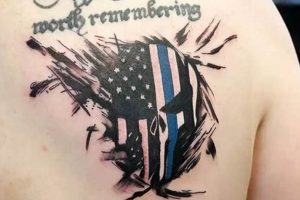



Permanent body art designed specifically for children raises complex issues. While traditional tattoos are applied to adults, the concept of permanent markings for minors introduces considerations of developmental stages, legal restrictions, and long-term implications. Examples might include small, symbolic designs, characters from beloved stories, or representations of personal interests. It is important to distinguish between permanent tattoos and temporary alternatives like henna or stick-on tattoos, which allow children to explore self-expression without lifelong commitment.
The discussion surrounding body art for children often centers on parental rights, a child’s capacity for informed consent, and the potential for regret as tastes and values evolve. The practice has a limited historical context in Western cultures, contrasting with some indigenous traditions where body marking holds cultural significance. Exploring the reasons behind the desire for permanent body modification in children, whether driven by the child or the parent, is crucial. Distinguishing between playful exploration of identity and potentially harmful practices requires careful consideration of ethical implications and legal frameworks governing body art on minors.
The following sections will delve deeper into the legal landscape surrounding tattoos for minors, explore the psychological and developmental aspects of childhood self-expression, and examine safe and temporary alternatives for children interested in body art. Furthermore, the potential health risks associated with tattooing, particularly for young skin, will be addressed.
1. Legality and Age Restrictions

Legal frameworks governing body art play a crucial role when considering tattoos for children. These regulations, designed to protect minors, directly impact parental decision-making regarding permanent body modifications. Understanding these restrictions is paramount before exploring any permanent body art options for a child.
- Minimum Age Requirements
Most jurisdictions enforce minimum age requirements for receiving tattoos, typically ranging from 16 to 18 years old. These laws often require parental consent even when the child reaches the minimum age. For example, a 16-year-old might still need a parent’s signed permission in many states. These regulations reflect the legal understanding of a minor’s capacity to make informed decisions about permanent body modifications.
- Parental Consent and its Limitations
Even with parental consent, some jurisdictions prohibit tattooing minors entirely. This underscores the weight given to a child’s long-term well-being and the potential for later regret. A parent’s desire for their child to have a tattoo does not override legal prohibitions designed to protect the child. This emphasizes the distinction between parental rights and a child’s best interests in the context of permanent body art.
- Enforcement and Penalties
Tattoo artists operating without adhering to age restrictions face penalties, including fines and license revocation. This accountability mechanism underscores the seriousness of these regulations. Documented cases of artists facing legal consequences for tattooing minors demonstrate the active enforcement of these protective measures. These legal repercussions deter non-compliance and reinforce the importance of adhering to established age limits.
- Variations in Regulations
Regulations can vary significantly across different regions, even within the same country. Researching specific local laws is essential for both parents and tattoo artists. For example, differing age limits and parental consent requirements between neighboring states highlight the need for awareness of local regulations. This variance emphasizes the importance of thorough research to ensure compliance and avoid potential legal complications.
The legal landscape surrounding tattoos for children prioritizes child protection and informed decision-making. Familiarizing oneself with relevant laws is essential for parents considering body art for their children and for tattoo artists aiming to practice responsibly and ethically. Ignoring these regulations not only carries legal ramifications but also potentially jeopardizes a child’s well-being.
2. Long-Term Implications

Permanent body art carries significant long-term implications, especially for children whose personal identities, values, and aesthetic preferences are still developing. Careful consideration of these potential consequences is crucial before making irreversible decisions regarding tattoos for minors. Understanding the multifaceted nature of these implicationssocial, professional, and personalprovides a framework for responsible decision-making.
- Evolving Self-Perception
A child’s self-image undergoes continuous transformation throughout adolescence and adulthood. Tattoos acquired at a young age may not align with their evolving sense of self later in life. A cartoon character cherished in childhood might feel incongruous with an adult’s professional image or personal aesthetic. This potential disconnect can lead to regret and a desire for costly and sometimes difficult removal procedures.
- Social and Professional Perceptions
Societal attitudes toward tattoos vary across cultures, subcultures, and professional environments. While acceptance is growing, certain professions maintain stricter dress codes that may view visible tattoos unfavorably. A seemingly innocuous tattoo acquired in childhood could potentially limit career opportunities or create unwanted social judgments. Careful consideration of prevailing social norms and professional expectations is essential.
- Physical Changes and Skin Health
The human body undergoes significant changes throughout life, including growth spurts and weight fluctuations. These changes can distort the original tattoo design, impacting its aesthetic appeal. Additionally, skin aging and sun exposure can further degrade the tattoo’s appearance over time. Understanding the long-term effects of these physical changes on the tattoo’s appearance is important for realistic expectations.
- Removal Procedures and Costs
Tattoo removal is a costly, time-consuming, and sometimes painful process. Laser removal, the most common method, requires multiple sessions and may not completely erase the tattoo. Financial considerations and the potential for scarring should be factored into the decision-making process. The availability and accessibility of removal procedures may also vary depending on location and resources.
The decision to acquire a tattoo carries lifelong implications, magnified when considering children. The evolving nature of personal identity, coupled with societal perceptions and the physical changes bodies undergo, necessitates a thorough understanding of the long-term consequences before permanently marking a child’s skin. Prioritizing open communication, exploring temporary alternatives, and considering the child’s long-term well-being remain crucial aspects of responsible decision-making.
3. Child's Maturity and Consent

A central ethical consideration regarding tattoos for children revolves around their capacity for mature consent. While a child might express a strong desire for a tattoo, their developmental stage may limit their ability to fully grasp the permanence and long-term implications of such a decision. This raises complex questions about parental authority, a child’s evolving autonomy, and the potential for future regret. A child’s enthusiasm for a popular cartoon character, for example, might wane as they mature, leaving them with a permanent reminder of a bygone interest. This disconnect between a child’s immediate desires and their future self underscores the importance of assessing their maturity before considering permanent body modifications.
Legal frameworks often reflect this developmental concern by establishing age restrictions and requiring parental consent for tattoos. However, even with parental consent, a child’s emotional and cognitive maturity must be carefully evaluated. A child pressured by peers or influenced by fleeting trends might not possess the critical thinking skills necessary to make informed decisions about permanent body art. Consider a scenario where a teenager, eager to fit in with a peer group, gets a tattoo they later regret once the social dynamic shifts. This highlights the potential for external pressures to override a child’s independent judgment, emphasizing the need for careful assessment of their decision-making capacity. This evaluation extends beyond simply understanding the physical process of tattooing to encompass comprehending the lifelong implications for their evolving identity.
Distinguishing between a child’s passing whims and genuine, well-considered desires presents a significant challenge. Open communication within the family, coupled with guidance from professionals such as child psychologists or counselors, can help navigate these complexities. Encouraging children to explore temporary alternatives, such as henna or stick-on tattoos, allows them to experiment with self-expression without the permanence of ink. Ultimately, respecting a child’s evolving autonomy involves fostering their decision-making skills while safeguarding them from choices they might later regret. This careful balance protects their present well-being and respects their future self.
4. Safety and Health Concerns
Children’s skin, thinner and more sensitive than adult skin, presents unique vulnerabilities when considering tattooing. Safety and health concerns related to tattooing are amplified in the context of children, demanding careful consideration. Potential complications, ranging from infections to allergic reactions, necessitate a thorough understanding of the risks involved before contemplating permanent body modifications for minors. Prioritizing a child’s well-being requires diligent research and informed decision-making.
- Risk of Infection
The tattooing process involves breaking the skin barrier, creating a potential entry point for bacteria and other pathogens. Children’s immune systems, still developing, may be less equipped to combat infections compared to adults. Unsanitary tattooing practices further elevate this risk, potentially leading to localized infections or more severe complications. Cases of infected tattoos requiring medical intervention underscore the importance of stringent hygiene protocols in tattooing, particularly for children.
- Allergic Reactions
Tattoo inks contain various pigments and chemicals, some of which can trigger allergic reactions. Children’s sensitive skin may be more susceptible to these reactions, manifesting as rashes, itching, or even more severe systemic responses. Certain ink colors, particularly reds and yellows, are known to be more allergenic. Instances of children experiencing allergic reactions to tattoo inks highlight the need for pre-tattoo patch testing and careful selection of hypoallergenic inks, although even these do not guarantee complete safety.
- Long-Term Skin Health
Tattooing introduces foreign substances into the dermis, the deeper layer of skin. The long-term effects of these substances on a child’s developing skin remain a subject of ongoing research. Potential concerns include granulomas, keloid formation, and other skin reactions. While rare, these complications can cause permanent skin changes. The unknowns surrounding the long-term interaction between tattoo inks and developing skin reinforce the cautious approach recommended when considering tattoos for minors.
- Pain Management and Aftercare
The tattooing process involves needles repeatedly puncturing the skin, causing pain. While adults can typically manage this discomfort, children may have lower pain tolerance and experience greater distress. Effective pain management strategies specifically tailored to children are essential for minimizing discomfort during and after the procedure. Additionally, children might struggle with the required aftercare regimen, potentially increasing the risk of infection or other complications. Adherence to aftercare instructions is crucial for proper healing, and a child’s ability to follow these instructions must be considered before proceeding with tattooing.
The potential health risks associated with tattooing are magnified for children due to their physiological differences and developing immune systems. Prioritizing a child’s health and well-being necessitates a cautious approach to permanent body art. Exploring temporary alternatives provides a safer avenue for self-expression, allowing children to explore their identities without the associated health risks and long-term implications of permanent tattoos.
5. Temporary Alternatives (Henna, Stickers)

Temporary alternatives like henna and stickers offer a crucial bridge between a child’s desire for body art and the potential risks and permanence of traditional tattoos. These alternatives allow children to explore self-expression, experiment with different designs, and engage with the concept of body decoration without the lifelong commitment. This approach recognizes the developmental fluidity of childhood preferences and mitigates the potential for later regret associated with permanent ink. For example, a child fascinated by dinosaurs can adorn their skin with dinosaur stickers or a henna design, enjoying the experience without the long-term consequences of a permanent tattoo. This allows their interests to evolve naturally without being tied to a permanent image on their skin.
Henna, a natural dye derived from a plant, creates temporary skin stains lasting a few weeks. Various cultures utilize henna for body art, particularly for celebrations and ceremonies. This cultural context can provide educational opportunities for children, introducing them to different art forms and traditions. Stickers, readily available and easily removable, offer another avenue for playful experimentation. The wide range of designs, from cartoon characters to intricate patterns, allows children to express diverse interests. This accessibility and flexibility encourage creative exploration without the risks associated with needles and permanent inks. Furthermore, the temporary nature of these alternatives provides a valuable learning experience, teaching children about choice and consequences in a safe and age-appropriate context.
Temporary body art serves as a valuable tool in navigating the complexities of children’s desires for body modification. It allows for safe exploration of self-expression, providing a crucial developmental stepping stone without the potential physical and emotional burdens of permanent tattoos. Utilizing these alternatives acknowledges a child’s agency while prioritizing their long-term well-being. This approach respects their evolving identities and recognizes the importance of informed decision-making, particularly concerning irreversible body modifications. The availability of safe, temporary options empowers parents and children to engage in open conversations about body art, fostering a balanced approach that prioritizes both self-expression and responsible decision-making.
6. Open Communication and Family Values

Open communication and established family values play a crucial role in navigating the complex topic of body art for children. These discussions provide a framework for informed decision-making, considering the child’s developmental stage, individual expression, and potential long-term consequences of permanent body modifications. A family’s shared values regarding body art, personal expression, and individual autonomy significantly influence how they approach the topic with their children. Establishing clear communication channels ensures that these values are understood and considered when discussing potential body art choices, particularly those with permanent implications like tattoos.
- Establishing Boundaries and Expectations
Clear communication about family values surrounding body art establishes boundaries and expectations for children. These conversations help children understand the reasons behind certain family preferences and the potential consequences of choices that deviate from those values. For instance, a family that values modesty might discourage highly visible tattoos, explaining their reasoning to their child. This open dialogue helps the child understand the family’s perspective and fosters a sense of respect for differing viewpoints. It also equips children with the necessary context to make informed decisions aligned with their family’s values, promoting a sense of shared understanding and mutual respect.
- Fostering Respect for Individuality
While family values provide a foundation, open communication allows for acknowledging and respecting individual expression. Parents can encourage children to express their individuality within established boundaries, fostering a sense of autonomy while maintaining alignment with core family values. This approach recognizes that children are developing their own identities and allows for exploration within a supportive and understanding environment. For example, a family might allow temporary tattoos while discouraging permanent ones, providing a compromise that respects both individual expression and family preferences.
- Navigating External Influences
Open communication helps children navigate external influences, such as peer pressure and media trends, that may impact their body art choices. Discussions about these influences empower children to critically evaluate external messages and make decisions aligned with their values rather than succumbing to social pressures. For example, a parent might discuss how media often portrays idealized versions of body art, encouraging the child to consider the long-term implications and potential realities of permanent modifications.
- Modeling Responsible Decision-Making
Parental attitudes and behaviors surrounding body art serve as a powerful model for children. Parents who demonstrate responsible decision-making, including careful consideration of consequences and open discussion of personal choices, instill these values in their children. For instance, a parent who openly discusses their own tattoo choices, including any regrets or positive experiences, provides a valuable learning opportunity for their child. This transparent approach normalizes conversations about body art and encourages thoughtful consideration of potential long-term implications.
Open communication about family values and body art provides a foundation for responsible decision-making, fostering mutual respect and understanding between parents and children. These conversations create a safe space for exploring individual expression while acknowledging potential risks and long-term consequences, particularly concerning permanent modifications like tattoos. Cultivating a family environment that values open communication, respects individuality, and encourages thoughtful decision-making empowers children to navigate the complex landscape of body art choices in a healthy and informed manner. This approach recognizes the interconnectedness of family values, individual expression, and the child’s overall well-being.
Approaching the subject of tattoos for children requires careful consideration and open communication. The following tips offer guidance for parents and guardians navigating this complex issue, emphasizing the importance of responsible decision-making and prioritizing a child’s well-being.
Tip 1: Prioritize Open Communication: Openly discussing body art, family values, and individual expression fosters a supportive environment where children feel comfortable expressing their desires and concerns. Honest conversations about potential risks, societal perceptions, and long-term implications of permanent modifications equip children with the knowledge necessary to make informed choices.
Tip 2: Research Legal Restrictions: Familiarization with local laws regarding tattoos for minors is crucial. Age restrictions and parental consent requirements vary significantly by jurisdiction. Understanding these regulations safeguards both parents and tattoo artists from legal repercussions.
Tip 3: Consider Developmental Stages: A child’s maturity level and capacity for informed consent should be carefully assessed. A young child’s understanding of permanence differs significantly from an adolescent’s. Recognizing these developmental differences informs appropriate decision-making.
Tip 4: Explore Temporary Alternatives: Henna, temporary tattoos, and body paint offer safe and creative avenues for children to explore self-expression without the permanence of traditional tattoos. These alternatives allow children to experiment with different designs and engage with the concept of body decoration without long-term commitment.
Tip 5: Emphasize Health and Safety: Tattooing carries inherent health risks, including infection and allergic reactions. Children’s sensitive skin and developing immune systems warrant extra caution. Thorough research and adherence to strict hygiene protocols are essential when considering any form of body modification for a minor.
Tip 6: Consult with Professionals: Seeking guidance from child psychologists, dermatologists, or other relevant professionals provides valuable insights. Professional advice offers objective perspectives on developmental appropriateness, potential health risks, and strategies for navigating family discussions about body art.
Tip 7: Focus on Long-Term Implications: Encourage children to consider the long-term implications of permanent body art. Discussions about evolving self-perception, potential career impacts, and the complexities of tattoo removal foster responsible decision-making and minimize potential future regret.
These tips emphasize a thoughtful and informed approach to the topic of tattoos for children. Prioritizing open communication, understanding legal and health considerations, and exploring temporary alternatives fosters an environment where children can express themselves responsibly while safeguarding their well-being.
The concluding section will summarize key takeaways and reinforce the importance of considering a child’s best interests when navigating decisions about body art.
Frequently Asked Questions about Tattoos for Children
This section addresses common questions and concerns regarding permanent body art for minors, providing factual information and promoting responsible decision-making. It aims to clarify potential misconceptions and offer guidance for parents and guardians navigating this complex topic.
Question 1: At what age can a child legally get a tattoo?
Legal age restrictions for tattoos vary significantly by jurisdiction, typically ranging from 16 to 18 years old, often requiring parental consent even when the minimum age is reached. Some jurisdictions prohibit tattooing minors entirely, regardless of parental consent. Consulting local regulations is crucial.
Question 2: What are the potential health risks of tattooing a child?
Children’s skin, being thinner and more sensitive, presents increased risks of infection, allergic reactions, and keloid formation. Their developing immune systems may also react differently to tattoo inks compared to adults. Strict hygiene practices and careful consideration of ink composition are essential, though not entirely risk-free.
Question 3: Can a tattoo affect a child’s future opportunities?
While societal acceptance of tattoos is increasing, certain professions maintain stricter dress codes. Visible tattoos could potentially impact future career opportunities or create unwanted social judgments. Considering the evolving nature of societal norms and professional expectations is important.
Question 4: What are the long-term effects of tattoos on growing skin?
Physical changes during puberty and growth spurts can distort tattoo designs. Skin aging and sun exposure also affect a tattoo’s appearance over time. The long-term interaction between tattoo inks and developing skin remains a subject of ongoing research.
Question 5: What are some safe alternatives to permanent tattoos for children?
Temporary tattoos, henna, and body paint provide safe avenues for self-expression without the permanence and potential health risks of traditional tattoos. These alternatives allow children to explore different designs and experiment with body art before making lifelong commitments.
Question 6: How can parents discuss tattoos responsibly with their children?
Open communication about family values, individual expression, and potential consequences is crucial. Encouraging critical thinking about media portrayals, peer pressure, and long-term implications empowers children to make informed decisions aligned with their values.
Open communication and careful consideration of a child’s developmental stage are paramount when discussing tattoos. Prioritizing their long-term well-being remains central to responsible decision-making regarding permanent body modifications.
This concludes the frequently asked questions section. The final section provides a concise summary of key takeaways and considerations regarding tattoos for children.
Conclusion
Exploration of permanent body art for children necessitates careful consideration of complex, interwoven factors. Legal restrictions, potential health risks, evolving societal perceptions, and the child’s developmental stage all play crucial roles in responsible decision-making. Temporary alternatives offer safer avenues for self-expression, allowing exploration without the lifelong implications of permanent tattoos. Open communication within families, grounded in shared values and respect for individual autonomy, provides a crucial framework for navigating this sensitive topic. Prioritizing a child’s long-term well-being remains paramount throughout the decision-making process.
Permanent alterations to a child’s body require thoughtful reflection extending beyond immediate desires. Careful consideration of potential future consequences, both physical and social, ensures decisions made today support the child’s evolving identity and future well-being. This measured approach safeguards children’s autonomy while acknowledging their ongoing development and the enduring impact of permanent body modifications.