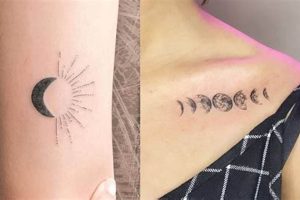



Tattoos related to suicide awareness, prevention, or remembrance often incorporate imagery such as the semicolon, a lifeline, or specific dates or names. These designs can serve as personal memorials, reminders of struggles overcome, or expressions of support for those affected by suicide. For example, a semicolon tattoo is widely recognized as a symbol of continuing one’s story despite mental health challenges.
Such body art can offer a powerful means of self-expression, healing, and raising awareness. They can provide a tangible reminder of personal strength and resilience, facilitating conversations about mental health and reducing stigma. Historically, body modification has served various cultural and personal purposes, including commemorating significant life events and expressing deeply held beliefs. In contemporary society, tattoos related to this sensitive topic continue this tradition by providing individuals with a visible and permanent way to process complex emotions and experiences.
The following sections will delve into specific design elements commonly chosen for these tattoos, exploring their symbolic meanings and offering resources for individuals considering such body art. Further discussion will address the importance of responsible tattooing practices, the potential impact of these designs on personal well-being, and alternative ways to support suicide prevention and mental health awareness.
1. Memorialization

Memorialization tattoos serve as permanent reminders of loved ones lost to suicide. These deeply personal designs offer a tangible connection to the deceased, providing solace and comfort during the grieving process. They can be a powerful expression of love, remembrance, and the ongoing impact of the loss.
- Portraits and Names
Incorporating a portrait or the name of the deceased is a common practice. This provides a direct and lasting visual representation of the individual, keeping their memory alive. The style can range from realistic depictions to stylized interpretations, depending on personal preference.
- Significant Dates
Birthdates, anniversaries, or the date of passing can be incorporated into the design. These dates hold particular significance, marking important milestones in the individual’s life and serving as poignant reminders of their presence. They can be combined with other elements, such as quotes or symbolic imagery.
- Symbolic Imagery
Symbols such as birds, butterflies, or feathers can represent the departed spirit or the concept of transcendence. These images offer a more abstract yet meaningful way to honor the deceased, reflecting personal beliefs or shared memories. They can also be combined with more literal elements like names or dates.
- Quotes and Lyrics
Meaningful quotes from literature, poetry, song lyrics, or personal expressions can be incorporated into the tattoo. These words can capture the essence of the individual’s personality, beliefs, or passions, offering a lasting tribute to their unique character. The selection of text can be deeply personal and reflective of the relationship with the deceased.
These memorialization tattoos provide a tangible and lasting way to honor the memory of those lost to suicide. While the pain of loss remains, these designs can offer a source of comfort, connection, and continued remembrance. They transform grief into a visible tribute, fostering healing and keeping the memory of the deceased alive.
2. Remembrance

Remembrance tattoos, distinct from memorialization, focus on honoring the broader struggle against suicide and acknowledging the ongoing impact of suicidal thoughts and behaviors. These designs often serve as personal reminders of strength, resilience, and hope, or as expressions of solidarity with others affected by suicide. They can be a powerful tool for healing, reflection, and advocacy.
- Personal Struggles
Tattoos can represent personal battles with suicidal ideation or attempts. Designs incorporating scars, symbolic imagery representing mental health challenges, or dates marking significant turning points can serve as reminders of strength, resilience, and progress in ones mental health journey. These highly personal designs often hold deep meaning for the individual, symbolizing their ongoing commitment to healing.
- Survival and Hope
Imagery such as the semicolon, the phoenix rising from ashes, or a lifeline can represent survival, hope, and the continuation of life’s journey despite challenges. These symbols offer a visual representation of overcoming adversity and finding strength in vulnerability. They can serve as a source of inspiration and encouragement during difficult times.
- Advocacy and Awareness
Some individuals choose tattoos to raise awareness and advocate for suicide prevention. These designs can incorporate ribbons, specific awareness colors (e.g., teal and purple), or phrases promoting mental health support. By making their personal stories visible, these individuals contribute to reducing stigma and fostering open conversations about mental health.
- Honoring Lost Potential
While not focused on a specific individual, remembrance tattoos can also acknowledge the tragic loss of potential associated with suicide. Designs incorporating abstract imagery, meaningful quotes, or symbolic representations of unfulfilled dreams can serve as a reminder of the devastating impact of suicide on individuals, families, and communities. These designs can be a powerful call for increased awareness and support for mental health initiatives.
Remembrance tattoos offer a powerful way to process complex emotions, promote healing, and advocate for change. By making these internal struggles visible, individuals can transform personal experiences into sources of strength, hope, and inspiration for themselves and others. These designs contribute to a broader conversation about mental health, fostering understanding, reducing stigma, and promoting a more supportive and compassionate society.
3. Prevention Awareness
Prevention awareness, in the context of suicide-related tattoos, utilizes body art as a vehicle for promoting mental health conversations and reducing stigma. These designs can serve as conversation starters, prompting discussions about suicide prevention and mental health resources. By making the topic visible, these tattoos contribute to a more open and understanding environment surrounding mental health challenges.
- Promoting Help-Seeking Behavior
Tattoos can incorporate imagery or text that directly promotes help-seeking behavior. Designs featuring hotline numbers, mental health organization logos, or phrases encouraging individuals to seek professional support can serve as a constant reminder of available resources. These tattoos can be particularly impactful for individuals struggling with suicidal thoughts, offering a readily accessible source of support.
- Challenging Stigma
By choosing to display a suicide-related tattoo, individuals actively challenge the stigma surrounding mental health. The visibility of these designs can normalize conversations about mental health struggles, encouraging others to share their experiences and seek help without shame. This can create a ripple effect, fostering a more supportive and accepting community.
- Solidarity and Support
Prevention-focused tattoos can also express solidarity and support for those affected by suicide. Designs featuring symbolic imagery representing hope, resilience, or remembrance can create a sense of community and shared understanding among those who have experienced similar struggles. This visual display of support can be particularly comforting for individuals feeling isolated or alone in their experiences.
- Educational Opportunities
Tattoos can serve as educational tools, prompting questions and discussions about suicide prevention. Designs incorporating statistics, facts, or resources related to mental health can raise awareness and provide valuable information to those who may be unaware of the prevalence and impact of suicide. This can lead to increased understanding and encourage individuals to learn more about how to support themselves and others.
These facets of prevention awareness demonstrate the potential of suicide-related tattoos to extend beyond personal expression and contribute to broader societal change. By fostering open dialogue, challenging stigma, and promoting help-seeking behavior, these designs can play a crucial role in creating a more supportive and informed environment surrounding suicide prevention and mental health. They transform personal experiences into opportunities for advocacy and education, ultimately contributing to a more compassionate and understanding society.
4. Personal Struggles
Personal struggles related to mental health, particularly experiences with suicidal ideation, self-harm, or grief associated with suicide loss, often find expression through deeply personal tattoos. These designs can serve as powerful reminders of resilience, healing, and the ongoing journey of navigating complex emotions. They offer a tangible and visible way to process trauma, commemorate personal growth, and express solidarity with others who have faced similar challenges.
- Self-Harm Scars
Tattoos can be used to reclaim and transform the physical reminders of self-harm. Individuals may choose designs that incorporate existing scars, covering them with imagery that represents healing, growth, or hope. This can be a powerful act of reclaiming one’s body and transforming a symbol of pain into one of strength and resilience. Examples include floral designs growing from scar tissue, or geometric patterns that create a sense of order and control.
- Symbolic Representation of Mental Illness
Abstract or symbolic imagery can represent the invisible struggles of mental illness. Designs incorporating elements like broken chains, unraveling knots, or semicolons can symbolize the breaking free from negative thought patterns, the complexity of mental health challenges, and the continuation of life’s journey. These designs offer a visual language for expressing internal experiences that may be difficult to articulate verbally.
- Dates of Significance
Incorporating significant dates related to personal struggles, such as the date of a suicide attempt, a turning point in recovery, or the anniversary of a loss, can serve as a permanent reminder of strength and resilience. These dates can be incorporated into larger designs or stand alone as a simple yet powerful testament to personal growth and overcoming adversity.
- Quotes and Lyrics
Meaningful quotes from literature, poetry, song lyrics, or personal affirmations can provide a source of strength and inspiration. These words can be incorporated into the tattoo design, serving as a constant reminder of hope, resilience, and the ongoing journey of healing. Examples include quotes about overcoming adversity, finding strength in vulnerability, or celebrating the beauty of imperfection.
These expressions of personal struggles through tattoo art offer a powerful means of healing, self-discovery, and reclaiming one’s narrative. By transforming personal experiences into visible symbols of strength and resilience, individuals can find solace, connect with others who have faced similar challenges, and contribute to a more open and understanding dialogue surrounding mental health. These tattoos become a testament to the enduring power of the human spirit to overcome adversity and find hope amidst darkness.
5. Support Symbolism

Support symbolism within the context of suicide-related tattoos represents a powerful expression of solidarity, empathy, and understanding for those affected by suicide. These designs can communicate support for individuals struggling with suicidal thoughts, honor the memory of those lost to suicide, and raise awareness about mental health issues. They serve as visible reminders of hope, resilience, and the importance of seeking help.
- Shared Symbols of Hope and Resilience
Symbols such as the semicolon, the lifeline, or a phoenix rising from ashes represent hope, resilience, and overcoming adversity. These shared symbols create a sense of community and understanding among individuals who have experienced similar struggles, offering a visual representation of support and encouragement. When incorporated into tattoo designs, these symbols communicate a message of solidarity and hope for continued healing.
- Memorial Ribbons and Colors
Specific colors and ribbons, such as teal and purple for suicide prevention awareness, can be incorporated into tattoos to express support for the cause and honor the memory of those lost to suicide. These visual cues signify a shared understanding of the complex issues surrounding suicide and demonstrate a commitment to raising awareness and reducing stigma. They can be combined with other elements, such as names or dates, to create a personalized tribute.
- Supportive Phrases and Quotes
Incorporating phrases like “You are not alone,” “Stay strong,” or other messages of hope and encouragement can communicate support and remind individuals struggling with suicidal thoughts that they are not alone in their experience. These textual elements can be combined with symbolic imagery or stand alone as a simple yet powerful statement of support. They offer a constant reminder of the availability of help and the importance of seeking support during difficult times.
- Matching or Coordinating Tattoos
Friends, family members, or support groups may choose matching or coordinating tattoos to express their shared commitment to supporting each other and raising awareness about suicide prevention. These designs can symbolize the strength of collective action and the importance of community in navigating mental health challenges. They serve as a visible reminder of the support network available to those struggling with suicidal thoughts.
These various expressions of support symbolism within suicide-related tattoos demonstrate the potential of body art to foster connection, understanding, and hope. By making these expressions of support visible, individuals can contribute to a more compassionate and informed environment surrounding suicide prevention and mental health, ultimately promoting healing and reducing stigma.
6. Mental Health Advocacy
Mental health advocacy and suicide-related tattoos intersect significantly. Tattoos can function as powerful tools for raising awareness, challenging stigma, and promoting help-seeking behavior. The act of choosing a permanent design related to suicide prevention or remembrance can transform a personal struggle into a public statement of support for mental health initiatives. This visibility can spark conversations, normalize discussions about mental health, and encourage individuals to seek help without shame. For example, Project Semicolon, a prominent suicide prevention organization, utilizes the semicolon tattoo as a symbol of continuing one’s story despite mental health challenges, fostering a sense of community and shared understanding among those affected by suicide.
The impact of these tattoos extends beyond individual expression. They can contribute to broader societal shifts in how mental health is perceived and addressed. By making the topic visible, individuals challenge societal taboos surrounding mental illness and suicide, creating opportunities for education and advocacy. These tattoos can prompt questions, leading to discussions about available resources, prevention strategies, and the importance of early intervention. The increased visibility can also encourage policymakers to prioritize mental health funding and implement programs that support those struggling with suicidal thoughts. Organizations like the American Foundation for Suicide Prevention benefit from this increased awareness, leveraging public interest to advocate for policy changes and improved access to mental health services.
While the potential for positive impact is significant, navigating the complexities of mental health advocacy through tattoos requires careful consideration. It’s crucial to prioritize responsible messaging, ensuring designs promote hope and help-seeking rather than glorifying or romanticizing suicide. Collaboration with mental health organizations can ensure accurate information and responsible representation. Ultimately, the effectiveness of these tattoos as advocacy tools relies on a combination of personal expression, community support, and ongoing efforts to destigmatize mental illness and promote access to life-saving resources.
Tips for Suicide-Related Tattoos
Careful consideration is crucial when contemplating a tattoo related to suicide awareness, prevention, or remembrance. These tips offer guidance for navigating this deeply personal and sensitive subject matter.
Tip 1: Reflect on Personal Meaning: Thorough reflection on the intended meaning and purpose of the tattoo is paramount. Clarity of purpose ensures the design resonates authentically with personal experiences and values. A clear understanding of the desired message helps guide design choices and ensures the tattoo remains meaningful over time.
Tip 2: Research Symbolism Carefully: Thorough research into the chosen symbolism is essential. Certain symbols may hold unintended meanings or cultural connotations. Understanding the full context of chosen imagery prevents misinterpretations and ensures the tattoo accurately conveys the intended message.
Tip 3: Choose a Reputable Artist: Selecting a skilled and reputable tattoo artist is critical. Experience with sensitive subject matter ensures respectful and professional handling of the design process. A skilled artist can also provide valuable input on design elements, placement, and technical execution.
Tip 4: Prioritize Placement and Size: Careful consideration of placement and size is vital. Visibility preferences and the design’s complexity influence these decisions. Placement can impact the tattoo’s visibility and how it interacts with other existing body art. Size affects detail and overall aesthetic impact.
Tip 5: Consider Long-Term Implications: Long-term implications should be carefully considered. Tattoos are permanent, and their visibility may impact social interactions or professional contexts. Reflection on potential future implications ensures the design remains appropriate and meaningful throughout life’s various stages.
Tip 6: Explore Alternatives to Permanent Ink: Exploration of alternatives, such as temporary tattoos or henna, allows experimentation with design and placement before committing to a permanent tattoo. This provides an opportunity to experience the visual representation of the chosen message without the permanence of traditional ink.
Tip 7: Seek Support and Guidance: Discussing the decision with trusted friends, family members, or mental health professionals can provide valuable support and guidance. Sharing the intended message and design can offer external perspectives and ensure the tattoo aligns with personal goals for healing, remembrance, or advocacy.
By following these tips, individuals can approach the process of choosing a suicide-related tattoo with thoughtful consideration, ensuring the design serves as a meaningful and impactful expression of personal experience, remembrance, or advocacy. These guidelines encourage responsible and informed decision-making, maximizing the potential for healing, support, and positive social impact.
The following conclusion synthesizes the key themes discussed throughout this exploration of suicide-related tattoos.
Frequently Asked Questions about Suicide-Related Tattoos
This section addresses common questions and concerns surrounding the sensitive topic of suicide-related tattoos, providing factual information and promoting thoughtful consideration.
Question 1: Are suicide-related tattoos appropriate?
Appropriateness depends entirely on individual intent and cultural context. These tattoos can offer powerful expressions of personal experience, remembrance, or advocacy. However, careful consideration of design and placement is crucial due to the sensitive nature of the subject matter.
Question 2: Do these tattoos romanticize suicide?
The intent behind these tattoos is generally not to romanticize suicide, but rather to express personal struggles, promote healing, or raise awareness. Responsible designs focus on hope, resilience, and remembrance, while avoiding imagery that glorifies or trivializes suicide.
Question 3: Can these tattoos be triggering for others?
While intended to raise awareness, these tattoos can potentially be triggering for some individuals, particularly those who have personally experienced suicidal thoughts or loss. Sensitivity to others’ experiences and careful consideration of placement and visibility are crucial.
Question 4: What resources are available for individuals struggling with suicidal thoughts?
Numerous resources exist, including the National Suicide Prevention Lifeline (988), the Crisis Text Line (text HOME to 741741), and the American Foundation for Suicide Prevention. These organizations offer confidential support, crisis intervention, and resources for individuals and families affected by suicide.
Question 5: How can one ensure a suicide-related tattoo is respectful and meaningful?
Thorough research, reflection on personal meaning, and consultation with mental health professionals or trusted individuals can ensure respectful and meaningful design choices. Collaboration with a reputable tattoo artist experienced in handling sensitive subject matter is also essential.
Question 6: What are alternatives to permanent tattoos for expressing support or remembrance?
Temporary tattoos, henna designs, or wearing awareness ribbons offer temporary ways to express support or remembrance. These alternatives allow individuals to explore visual representations without the permanence of a traditional tattoo.
Open and honest conversations about suicide are essential for promoting understanding and reducing stigma. These FAQs aim to provide information and encourage thoughtful consideration of the complex issues surrounding suicide-related tattoos. Responsible and informed decision-making ensures these designs contribute positively to individual healing, remembrance, and mental health advocacy.
For further information and support, please consult the resources listed above or connect with a local mental health organization.
Conclusion
Exploration of suicide-related tattoo designs reveals a complex interplay of personal expression, remembrance, healing, and advocacy. These permanent markings can serve as powerful reminders of strength, resilience, and hope for individuals navigating the challenges of suicidal thoughts, loss, and mental health struggles. Designs incorporating symbolic imagery like the semicolon, lifeline, or phoenix often represent survival and the continuation of life’s journey. Memorial tattoos offer tangible connections to loved ones lost to suicide, providing solace and a lasting tribute. Furthermore, these tattoos can function as potent tools for raising awareness, challenging stigma, and promoting open conversations about mental health.
The decision to acquire a suicide-related tattoo requires careful consideration of its personal meaning, potential impact on others, and long-term implications. Responsible design choices, informed by thorough research and consultation with mental health professionals, are crucial. Ultimately, these tattoos offer a unique medium for transforming personal experiences into powerful statements of hope, resilience, and advocacy, contributing to a more compassionate and understanding society surrounding the complex issue of suicide.