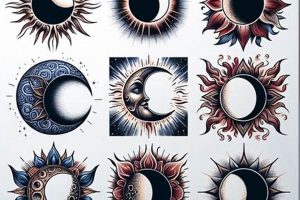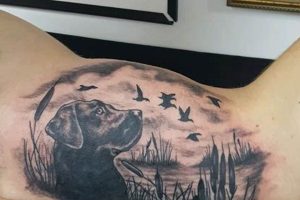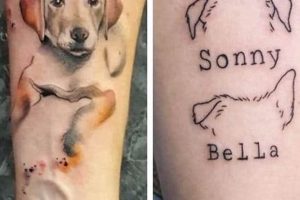



Small, concealed designs located on the nape of the neck represent a popular placement choice for body art. These can range from minimalist symbols and script to intricate patterns and portraits, often chosen for their discreetness and ability to be easily hidden by hair or clothing, yet readily displayed when desired. Examples include single-word affirmations, small floral designs, or geometric patterns.
This placement offers a unique canvas that allows for both subtle self-expression and bold statements. The curvature of the neck provides an interesting anatomical landscape for artists to work with, enhancing the visual appeal of the design. Historically, neck tattoos have held cultural significance in various societies, often symbolizing strength, protection, or spiritual beliefs. The contemporary appeal lies in the balance between visibility and privacy, offering a personalized and meaningful form of adornment.
Several factors influence design choices for this area, including pain tolerance, individual style, and long-term considerations. Exploring design size, placement variations, and artistic styles will provide a comprehensive understanding of this increasingly popular body art trend.
1. Placement

Placement is a crucial factor in the overall impact of neck tattoos. The nape offers a variety of locations, each influencing the visibility and aesthetic of the design. A high placement, closer to the hairline, allows for greater concealment, ideal for those seeking discretion. This placement often suits smaller, simpler designs. Conversely, a lower placement, extending down the spine, offers a larger canvas for more elaborate artwork, though it remains easily concealed by clothing. The curvature of the neck itself must be considered, as designs should complement the natural contours of the body. For instance, a vertically oriented design might follow the spine, while a horizontal band might encircle the neck just below the hairline.
Choosing the optimal placement depends on several factors. Individual preferences regarding visibility play a significant role. Practical considerations, such as professional dress codes, may also influence placement choices. The size and complexity of the chosen design also dictate appropriate placement. A large, intricate design requires more space and might be better suited to a lower placement, while a small, minimalist symbol can be effectively placed higher on the neck. The selected placement further impacts the overall composition and how the design interacts with the body’s movement.
Careful consideration of placement ensures the desired aesthetic and practicality of the tattoo. A well-placed design harmonizes with the individual’s anatomy, personal style, and lifestyle. This understanding is crucial for achieving a visually appealing and personally meaningful result, contributing to the enduring satisfaction with the chosen body art.
2. Size and Scale
Size and scale are critical considerations for nape tattoos due to the area’s unique anatomical characteristics. The available canvas is relatively small and curved, requiring designs to be proportionally appropriate. Larger designs risk appearing distorted or overwhelming on the neck, while excessively small designs may lack detail or become illegible over time. A successful tattoo considers the interplay between the design’s dimensions and the curvature of the neck, ensuring visual harmony. For example, a large, intricate mandala might be unsuitable, whereas a delicate, single-line design or a small cluster of symbols could be more aesthetically pleasing.
Practical implications also influence size and scale decisions. Larger designs typically require longer sessions and may be more costly. Pain tolerance is another factor, as larger pieces necessitate more extensive work on a sensitive area. Small, minimalist tattoos often serve as a suitable entry point for individuals new to body art or those with lower pain thresholds. A small design might be completed in a single session and allow for easier concealment if desired. Conversely, a larger, more complex design might be undertaken in stages, allowing for breaks between sessions.
Achieving a balanced size and scale is essential for a successful nape tattoo. The design should complement the individual’s anatomy and personal style without overwhelming the area. Understanding these factors allows for informed decisions that contribute to the longevity and aesthetic appeal of the chosen artwork. Careful planning in relation to size and scale ensures the tattoo remains visually appealing and meaningful over time.
3. Design Style
Design style significantly impacts the aesthetic and personal expression of nape tattoos. The chosen style should complement the individual’s personality, preferences, and the specific location on the neck. Understanding various design styles allows for informed decisions that contribute to a visually appealing and meaningful tattoo.
- Minimalism
Minimalist designs emphasize simplicity and clean lines. Often featuring geometric shapes, single words, or small symbols, they offer a subtle yet impactful aesthetic. These designs are well-suited to the nape’s limited space and can be easily concealed. Examples include delicate line drawings of flowers, arrows, or Roman numerals. The minimalist approach provides a timeless and understated elegance.
- Realism
Realistic designs aim to replicate images from the natural world with intricate detail and shading. Portraits, animals, or landscapes can be rendered in a realistic style. However, the small, curved canvas of the nape presents challenges for achieving high levels of detail. Careful consideration of size and placement is crucial for successful realistic tattoos in this area. Small, detailed portraits or individual animal features might be more suitable than large, complex scenes.
- Watercolor
Watercolor tattoos mimic the fluid, vibrant nature of watercolor paintings. This style often features soft color gradients and abstract shapes, creating a dreamlike and artistic effect. While visually striking, watercolor tattoos require skilled artists to achieve the desired effect and may be less suited to smaller areas like the nape. The flowing nature of the style can be effectively utilized to follow the contours of the neck, creating a dynamic and eye-catching piece.
- Geometric
Geometric designs employ precise lines and shapes to create intricate patterns and symmetrical forms. Mandala patterns, sacred geometry symbols, and tessellations are popular choices. This style adapts well to the nape’s curvature and can range from simple, minimalist patterns to complex, interwoven designs. Geometric tattoos often carry symbolic meanings, making them a thoughtful and personalized choice.
Selecting a design style that resonates with personal aesthetics and the nape’s unique characteristics is essential for achieving a visually appealing and lasting tattoo. The interplay between style, placement, and size ultimately determines the overall impact and personal significance of the artwork. Considering these factors ensures a harmonious and meaningful result that enhances individual expression.
4. Pain Management

Pain management is an essential consideration for nape tattoos due to the area’s heightened sensitivity. The back of the neck has a higher concentration of nerve endings compared to other body parts, making it more susceptible to pain during the tattooing process. Effective pain management strategies contribute significantly to a more comfortable and positive experience, allowing individuals to better tolerate longer sessions or more intricate designs. Understanding the physiological reasons for increased sensitivity in this area underscores the importance of addressing pain proactively.
Several factors influence pain perception during a nape tattoo. Individual pain thresholds vary, meaning some individuals experience greater discomfort than others. The size and complexity of the design also play a role, as larger, more detailed pieces require longer sessions and more extensive needle penetration. The artist’s technique and experience can also affect pain levels. A skilled artist utilizes techniques that minimize trauma to the skin. Pre-existing skin conditions or sensitivities may exacerbate pain in certain individuals. Open communication between the client and artist is crucial to address individual needs and concerns regarding pain management.
Various strategies can mitigate discomfort during the procedure. Topical anesthetic creams can numb the area before and during the tattoo, significantly reducing pain sensation. Over-the-counter pain relievers, such as ibuprofen or acetaminophen, may be taken prior to the session to manage discomfort. Deep breathing exercises and mindfulness techniques can help individuals relax and cope with pain more effectively. Proper aftercare practices, including keeping the tattoo clean and moisturized, contribute to minimizing discomfort during the healing process. Choosing an experienced and reputable artist who prioritizes client comfort is crucial for a positive tattooing experience. Effective pain management contributes significantly to a positive and successful outcome, enabling individuals to fully appreciate their new body art.
5. Aftercare Practices
Appropriate aftercare practices are crucial for preserving the vibrancy and longevity of nape tattoos. This area presents unique challenges due to its location, often subject to friction from clothing and exposure to sunlight. Diligent aftercare mitigates risks such as infection, fading, and scarring. Neglecting these practices can compromise the aesthetic integrity of the tattoo and potentially lead to health complications. Understanding the specific aftercare requirements for nape tattoos ensures optimal healing and long-term satisfaction with the chosen artwork.
Specific aftercare regimens typically involve keeping the tattoo clean and moisturized. Gentle cleansing with a mild, fragrance-free soap removes excess ink and debris, preventing infection. Application of a thin layer of unscented, antibacterial ointment keeps the area hydrated and promotes healing. Avoiding direct sunlight, especially during the initial healing phase, protects the tattoo from fading and discoloration. Loose-fitting clothing minimizes friction and irritation, allowing the skin to breathe and heal properly. Refraining from scratching or picking at the tattoo prevents scarring and damage to the design. Consistent adherence to these practices contributes to a healthy healing process and preserves the tattoo’s visual appeal.
Failure to adhere to recommended aftercare practices can have significant consequences. Infection, characterized by redness, swelling, and discharge, may occur if the tattoo is not kept clean. Excessive sun exposure can fade the ink, diminishing the vibrancy and clarity of the design. Scarring can result from picking or scratching the tattoo during the healing process, permanently altering the appearance of the artwork. These potential complications underscore the importance of diligent aftercare. Consulting with a reputable tattoo artist for personalized aftercare instructions ensures the chosen design retains its intended aesthetic and avoids potential health risks. Proper aftercare is not merely a recommendation but a vital component of maintaining the integrity and beauty of nape tattoos over time.
Tips for Nape Tattoos
Careful planning is essential for successful nape tattoos. The following tips provide valuable insights for individuals considering body art in this area.
Tip 1: Research Thoroughly
Thorough research is crucial before committing to a nape tattoo. Explore various design styles, research reputable artists specializing in the desired style, and understand the healing process and long-term care requirements. This preparation helps ensure informed decisions and minimizes potential regrets.
Tip 2: Consider Visibility and Concealment
Placement determines the visibility of the tattoo. Consider professional and social contexts when choosing a design and location. Higher placements offer greater concealment, while lower placements allow for larger, more visible designs.
Tip 3: Prioritize Scalability
The design should be appropriately scaled to the nape’s limited space. Overly large or complex designs may appear distorted or overwhelm the area. Smaller, simpler designs often translate more effectively on the neck.
Tip 4: Communicate Effectively with the Artist
Open communication with the chosen artist is essential. Clearly convey design preferences, discuss placement options, and address any concerns regarding pain management or aftercare. Collaboration ensures the final result aligns with individual expectations.
Tip 5: Prepare for the Pain
The nape is a sensitive area. Discuss pain management options with the artist and consider topical anesthetics or over-the-counter pain relievers to minimize discomfort during the procedure.
Tip 6: Commit to Aftercare
Diligent aftercare is vital for preserving the tattoo’s integrity. Follow the artist’s instructions meticulously regarding cleaning, moisturizing, and sun protection. Proper aftercare minimizes the risk of infection, fading, and scarring.
Tip 7: Think Long-Term
Tattoos are permanent. Careful consideration of design choices ensures long-term satisfaction. Choose a design that holds personal meaning and resonates with individual style, rather than following fleeting trends.
Careful consideration of these tips contributes to a positive and successful tattooing experience, resulting in a beautiful and meaningful piece of body art that can be enjoyed for years to come.
By understanding these factors and making informed decisions, individuals can embark on the process with confidence, ensuring a result that reflects their personal style and preferences. This preparation paves the way for a fulfilling experience and a lasting piece of art.
Frequently Asked Questions
This section addresses common inquiries regarding nape tattoos, providing factual information to assist individuals in making informed decisions.
Question 1: How painful are nape tattoos?
Pain levels vary based on individual pain thresholds. The nape is considered a more sensitive area due to a higher concentration of nerve endings. Various pain management techniques can mitigate discomfort.
Question 2: How long do nape tattoos take to heal?
Healing typically takes 2-3 weeks. Complete healing, including the fading of redness and scabbing, may take longer. Adhering to proper aftercare practices promotes efficient healing.
Question 3: Can nape tattoos be easily hidden?
Nape tattoos are easily concealed by hair or clothing. This discreet placement makes them a popular choice for those seeking a balance between self-expression and privacy.
Question 4: How much do nape tattoos cost?
Costs vary based on factors such as design complexity, size, artist experience, and geographic location. Consulting with prospective artists provides accurate pricing information.
Question 5: What are suitable design ideas for nape tattoos?
Design choices range from minimalist symbols and script to intricate patterns and small portraits. Design selection should consider individual preferences, anatomical factors, and desired visibility.
Question 6: How do I choose a reputable tattoo artist?
Research portfolios, review client testimonials, and seek recommendations. A reputable artist adheres to strict hygiene standards, possesses artistic skill, and prioritizes client comfort and safety.
Careful consideration of these frequently asked questions provides a comprehensive understanding of the practical and aesthetic considerations associated with nape tattoos. This information empowers informed decision-making and contributes to a successful and satisfying tattooing experience.
Further exploration of specific design styles and aftercare practices will provide a more in-depth understanding of this increasingly popular form of body art.
Back of Neck Tattoo Ideas
Careful consideration of placement, size, design style, pain management, and aftercare practices is crucial for successful nape tattoos. These factors significantly influence the aesthetic outcome, longevity, and overall satisfaction with the chosen artwork. Understanding individual pain thresholds, anatomical limitations, and proper healing procedures contributes to informed decision-making and a positive tattooing experience.
Nape tattoos offer a unique canvas for self-expression, allowing for both subtle and bold statements. Thorough research, open communication with a reputable artist, and a commitment to diligent aftercare ensures a meaningful and enduring piece of body art. This thoughtful approach transforms a simple design into a powerful symbol of personal style and identity.