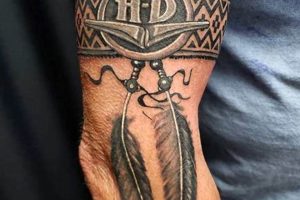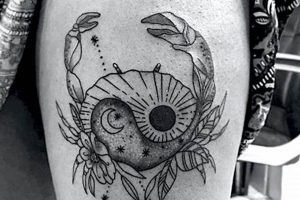



Representations of powerful female deities, drawn from various pantheons and mythologies, serve as potent sources of inspiration for body art. These designs can range from stylized depictions of well-known figures like Aphrodite or Athena to more abstract representations of feminine power and spirituality. Examples include intricate depictions of Hindu goddesses like Lakshmi or Durga, or powerful Celtic figures like the Morrigan. The chosen imagery often reflects personal beliefs, values, or desired qualities.
Tattoos featuring goddesses can hold deep personal meaning. They can symbolize strength, wisdom, beauty, fertility, or protection. Such designs can also represent a connection to specific cultural or spiritual traditions. Historically, body art featuring deities served as protective talismans or signified devotion. This practice continues to resonate today, as individuals seek meaningful designs that express their identity and beliefs.
Exploring specific pantheons and their associated goddesses offers a rich source of inspiration. Considering stylistic choices, placement on the body, and the symbolic significance of associated elements like animals, plants, or objects can further enhance the meaning and impact of the design.
1. Pantheon (Greek, Roman, etc.)

The choice of pantheon significantly influences the available goddesses and the associated symbolism within a tattoo design. Different cultures offer unique perspectives on feminine divinity, impacting both aesthetic and meaning. Understanding these cultural nuances is crucial for creating a resonant and accurate representation.
- Greek Pantheon
Known for its rich mythology and iconic figures, the Greek pantheon offers a wealth of options. From goddesses of wisdom like Athena to goddesses of love like Aphrodite, each deity embodies specific traits and domains. Greek-inspired tattoos often feature classical imagery and symbolism, drawing upon ancient art and literature.
- Roman Pantheon
Closely related to the Greek pantheon, Roman deities often share similar roles and attributes but possess distinct names and cultural significance. For instance, the Roman equivalent of Aphrodite is Venus. Roman-inspired tattoos can incorporate elements of Roman art and architecture, offering a slightly different aesthetic from Greek designs.
- Egyptian Pantheon
The Egyptian pantheon, with its powerful goddesses like Isis and Bastet, offers a distinct visual and symbolic language. Egyptian tattoos often feature hieroglyphs, stylized depictions of deities, and symbolic animals like cats or scarab beetles. These designs frequently emphasize themes of protection, magic, and the afterlife.
- Norse Pantheon
The Norse pantheon, featuring powerful figures like Freya and Valkyries, provides a source of strong and often fierce feminine imagery. Norse-inspired tattoos can incorporate runic symbols, depictions of mythical creatures, and elements of Norse mythology, emphasizing themes of strength, war, and fate.
Selecting a pantheon provides a framework for the entire design, influencing not only the choice of goddess but also the accompanying visual elements and overall aesthetic. This choice allows for a deeper exploration of specific cultural and symbolic themes, resulting in a more meaningful and personalized tattoo.
2. Specific Goddess (Athena, Isis, etc.)
The specific goddess chosen for a tattoo directly influences the design’s meaning and visual representation. Each deity possesses unique attributes, symbolism, and associated imagery. Understanding these nuances is crucial for creating a tattoo that accurately reflects the intended message. For example, a tattoo featuring Athena, the Greek goddess of wisdom and warfare, might incorporate an owl, a spear, or a helmet, symbolizing her domains. Conversely, a tattoo depicting Isis, the Egyptian goddess of magic and motherhood, might include an ankh, a lotus flower, or outstretched wings, representing her protective and nurturing qualities. The choice of goddess imbues the tattoo with specific connotations, shaping its overall significance.
Furthering this connection, the chosen goddess often dictates the artistic style and color palette. A tattoo of a fierce Celtic goddess like the Morrigan might utilize bold lines and darker colors, reflecting her association with war and fate. In contrast, a depiction of a benevolent goddess like Guan Yin, the Buddhist bodhisattva of compassion, might employ flowing lines and softer colors, emphasizing her gentle and merciful nature. The specific goddess chosen informs not only the symbolic elements but also the overall aesthetic of the tattoo, ensuring a cohesive and meaningful design.
Ultimately, the selection of a specific goddess provides the conceptual foundation for the entire tattoo. This choice determines the core symbolism, influences the visual elements, and dictates the overall aesthetic direction. Careful consideration of each goddess’s attributes and associated imagery is essential for crafting a tattoo that resonates with personal meaning and accurately reflects the chosen deity’s essence. This understanding ensures the tattoo becomes a powerful and personalized expression of one’s beliefs, values, or aspirations.
3. Symbolic Meaning

Symbolic meaning forms the core of goddess tattoo designs, imbuing them with depth and personal significance. The chosen goddess and associated elements carry specific connotations, reflecting individual beliefs, values, or aspirations. Understanding this symbolism is crucial for creating a tattoo that resonates deeply and serves as a powerful personal expression.
- Personal Empowerment
Goddess tattoos can represent personal empowerment, drawing upon the strength and resilience associated with specific deities. A depiction of Durga, the Hindu warrior goddess, might symbolize overcoming challenges and inner strength. Similarly, a tattoo featuring Artemis, the Greek goddess of the hunt, could represent independence and self-reliance. These symbolic connections transform the tattoo into a source of inspiration and a reminder of one’s own potential.
- Connection to Nature
Many goddesses are closely associated with natural elements, offering opportunities to express a connection to the earth and its cycles. A tattoo featuring Persephone, the Greek goddess of spring, might symbolize renewal and growth. Similarly, a depiction of Gaia, the Greek primordial deity of Earth, could represent environmentalism and reverence for the natural world. These connections to nature add layers of meaning, reflecting an appreciation for the earth’s power and beauty.
- Spiritual Growth
Goddess tattoos can also serve as symbols of spiritual growth and transformation. A depiction of Kuan Yin, the Buddhist bodhisattva of compassion, might represent a commitment to cultivating empathy and kindness. Similarly, a tattoo featuring Isis, the Egyptian goddess of magic and healing, could symbolize personal transformation and spiritual exploration. These symbolic associations infuse the tattoo with a deeper spiritual dimension, reflecting an individual’s journey of self-discovery.
- Cultural Heritage
For some, goddess tattoos represent a connection to their cultural heritage and ancestral traditions. A depiction of a Celtic goddess like Brigid might symbolize a connection to Celtic mythology and folklore. Similarly, a tattoo featuring a Native American goddess like Spider Woman could represent an individual’s indigenous heritage and spiritual beliefs. These tattoos serve as powerful reminders of cultural identity and ancestral lineage.
Ultimately, the symbolic meaning interwoven within a goddess tattoo elevates it beyond mere aesthetics. These symbolic layers transform the design into a powerful personal statement, reflecting individual values, beliefs, and aspirations. By understanding the rich symbolism associated with each goddess and accompanying elements, individuals can create tattoos that resonate deeply and serve as a constant source of inspiration and meaning.
4. Visual Representation

Visual representation plays a crucial role in translating the abstract concept of a goddess into a tangible tattoo design. The visual elements chosenpose, attire, accompanying symbols, and overall stylecommunicate specific attributes and narratives associated with the chosen deity. Careful consideration of these elements ensures the tattoo accurately reflects the intended meaning and resonates with the individual.
- Pose and Attire
A goddess’s pose and attire communicate essential aspects of her character and domain. A depiction of Athena in battle armor, spear in hand, emphasizes her role as a warrior goddess. Conversely, an image of Aphrodite draped in flowing robes highlights her association with beauty and grace. The chosen pose and attire establish the visual narrative, setting the tone for the overall design.
- Accompanying Symbols
Symbols associated with a specific goddess further enrich the visual narrative and add layers of meaning. An owl accompanying Athena signifies wisdom, while a lotus flower alongside Lakshmi represents prosperity and purity. These symbolic elements enhance the tattoo’s narrative depth, adding complexity and nuance to the visual representation.
- Artistic Style
The chosen artistic style significantly impacts the overall aesthetic and emotional impact of the tattoo. A realistic portrayal emphasizes detail and accuracy, while a stylized approach offers greater creative freedom and symbolic interpretation. Styles ranging from traditional Japanese to neo-traditional or minimalist can further personalize the design, reflecting individual preferences and artistic sensibilities.
- Color Palette
The color palette contributes to the overall mood and symbolism of the tattoo. Vibrant colors can evoke energy and power, while muted tones might suggest serenity and wisdom. The strategic use of color enhances the visual impact and strengthens the connection between the visual representation and the goddess’s attributes. For instance, gold often represents divinity, while red might symbolize passion or war.
The interplay of these visual elements creates a cohesive and meaningful representation of the chosen goddess. Careful consideration of pose, attire, symbols, artistic style, and color palette ensures the tattoo accurately reflects the intended meaning and resonates with the individual’s personal connection to the deity. This visual language transforms an abstract concept into a powerful and personalized piece of art.
5. Placement on Body

Placement on the body constitutes a significant element in goddess tattoo designs, influencing both aesthetic impact and symbolic resonance. The chosen location interacts with the tattoo’s imagery and the body’s natural contours, creating a dynamic interplay between art and anatomy. This deliberate placement can amplify the tattoo’s meaning and personalize its significance for the individual. For example, a tattoo of a winged goddess positioned on the back might evoke a sense of freedom and ascension, while the same design placed on the wrist could symbolize protection and guidance. This interplay between image and location adds another layer of depth to the tattoo’s narrative.
Practical considerations also influence placement choices. Size and complexity of the design often dictate suitable locations. Larger, more intricate depictions of goddesses might require broader canvases like the back, chest, or thigh, while smaller, minimalist designs can be effectively placed on the wrist, ankle, or behind the ear. Visibility preferences also factor into the decision-making process. Some individuals may choose prominent placements to showcase their devotion or make a bold statement, while others may prefer more discreet locations for personal reflection and intimacy. The body becomes a living canvas, and placement choices transform the tattoo into an integrated part of personal expression.
The relationship between placement and symbolism creates a powerful synergy. A tattoo of a goddess associated with protection placed over the heart emphasizes its safeguarding properties. Similarly, a goddess of creativity positioned on the hand might symbolize artistic expression and skill. This intentional placement amplifies the intended meaning, creating a visual and symbolic connection between the goddess, the individual, and the chosen location. Ultimately, understanding the interplay between placement, imagery, and personal symbolism allows individuals to create tattoos that resonate deeply and serve as powerful expressions of their beliefs and values. Careful consideration of these elements ensures the tattoo becomes a seamless integration of art, anatomy, and personal narrative.
6. Artistic Style
Artistic style significantly influences the overall aesthetic and symbolic impact of goddess tattoo designs. The chosen style dictates the visual language used to represent the deity, impacting how the tattoo’s message is conveyed and perceived. Style choices range from highly detailed realism to abstract minimalism, each offering unique advantages and influencing the final presentation. For example, a realistic portrayal of a goddess like Isis might emphasize her regal nature and intricate iconography, while a geometric, abstract representation could focus on core symbolic elements like the ankh, prioritizing simplicity and modern aesthetics. This connection between style and subject matter allows for a wide range of interpretations and personalized expressions.
Different artistic styles evoke specific cultural and historical associations, further enriching the tattoo’s meaning. A traditional Japanese style, with its bold lines, vibrant colors, and incorporation of natural elements, might be chosen for a depiction of Amaterasu, the Shinto sun goddess, enhancing the connection to Japanese mythology and artistic traditions. Conversely, a neo-traditional American style, characterized by bold outlines and a limited color palette, could be employed for a powerful portrayal of a Celtic goddess like the Morrigan, emphasizing her warrior aspect and connection to ancient Celtic art forms. Understanding the cultural and historical context of different artistic styles allows for a more nuanced and informed choice, adding layers of meaning to the visual representation.
Effective artistic style choices amplify the intended message and create a visually compelling representation of the chosen goddess. The style acts as a lens through which the deity’s essence is conveyed, influencing the emotional impact and overall aesthetic of the tattoo. Selecting a style that aligns with the goddess’s attributes and the individual’s personal aesthetic preferences ensures a cohesive and meaningful design. Whether prioritizing intricate detail, symbolic abstraction, or cultural resonance, the chosen artistic style ultimately shapes the narrative and visual impact of the goddess tattoo, transforming it into a powerful and personalized work of art.
Tips for Choosing Goddess Tattoo Designs
Careful planning ensures a meaningful and aesthetically pleasing design. These tips provide guidance for selecting and refining concepts related to depictions of powerful female deities in body art.
Tip 1: Research Thoroughly
Comprehensive research is essential. Explore various pantheons and goddesses to understand their attributes, symbolism, and associated imagery. This knowledge ensures an informed decision, aligning the chosen deity with personal values and desired message.
Tip 2: Consider Placement Carefully
Placement impacts both aesthetics and symbolism. The body’s contours and the tattoo’s size and complexity should inform placement choices. Consider visibility preferences and the relationship between placement and the goddess’s attributes.
Tip 3: Collaborate with a Skilled Artist
A skilled tattoo artist translates concepts into visually compelling designs. Discuss ideas, provide reference images, and be open to artistic suggestions. A collaborative approach ensures a personalized and well-executed tattoo.
Tip 4: Reflect on Personal Meaning
Infuse the design with personal meaning. Consider the desired message, values, or experiences to be represented. This personal connection enhances the tattoo’s significance and creates a lasting source of inspiration.
Tip 5: Explore Different Artistic Styles
Artistic style dramatically influences the tattoo’s aesthetic. Research various styles, from realism to abstract, to find one that complements the chosen goddess and personal preferences. Style choices impact visual impact and symbolic interpretation.
Tip 6: Prioritize Quality over Cost
A high-quality tattoo represents a lifelong investment. Prioritize finding a reputable artist with a strong portfolio, even if it involves a higher cost. Quality artistry ensures a well-executed and long-lasting design.
Tip 7: Plan for Aftercare
Proper aftercare is essential for preserving the tattoo’s vibrancy and longevity. Follow the artist’s instructions diligently to promote healing and prevent complications. Aftercare ensures the tattoo remains a source of pride and personal expression for years to come.
Following these guidelines ensures a well-planned and meaningful design, transforming a concept into a powerful and personalized piece of art. Careful consideration of each element contributes to a successful and enduring result.
These preparatory steps pave the way for a fulfilling experience, ensuring the chosen design resonates deeply and serves as a powerful expression of personal connection to the divine feminine.
Frequently Asked Questions about Goddess Tattoos
This section addresses common inquiries regarding tattoos featuring goddesses, offering clarity and guidance for those considering such designs.
Question 1: What are the most popular goddesses chosen for tattoos?
Popular choices include Greek goddesses like Athena, Aphrodite, and Artemis; Egyptian goddesses like Isis and Bastet; Hindu goddesses like Lakshmi and Saraswati; and Celtic goddesses like the Morrigan and Brigid. Selection often reflects personal connection to specific pantheons and associated symbolism.
Question 2: What factors should influence the choice of a specific goddess?
Consider personal values, desired symbolism, and connection to specific pantheons or cultures. Research each goddess’s attributes and associated imagery to ensure alignment with individual preferences and intended message.
Question 3: How does placement on the body affect the meaning of a goddess tattoo?
Placement interacts with both aesthetics and symbolism. Consider the body’s natural contours, the tattoo’s size and complexity, visibility preferences, and the relationship between placement and the goddess’s attributes.
Question 4: What are the different artistic styles to consider for goddess tattoos?
Styles range from realism and neo-traditional to watercolor, geometric, and minimalist. Each style evokes a different aesthetic and can influence the tattoo’s overall message. Select a style that complements the chosen goddess and personal preferences.
Question 5: What is the significance of accompanying symbols in goddess tattoos?
Accompanying symbols add layers of meaning and enhance the visual narrative. Animals, plants, objects, and geometric patterns associated with the chosen goddess can strengthen the tattoo’s symbolic resonance and personalize its message.
Question 6: How can one ensure the chosen tattoo artist is suitable for creating a goddess tattoo?
Review portfolios, seek recommendations, and schedule consultations. Discuss concepts, provide reference images, and assess the artist’s understanding of the desired style and symbolism. A strong portfolio demonstrating experience with similar subject matter is crucial.
Careful consideration of these frequently asked questions ensures informed decision-making, contributing to a meaningful and well-executed tattoo design. Thorough planning and open communication with a skilled artist pave the way for a successful and personally resonant outcome.
Understanding these foundational aspects will allow for better-informed decisions when designing a meaningful and aesthetically pleasing tattoo.
Goddess Tattoo Ideas
Representations of goddesses in tattoo art offer a powerful means of personal expression, connecting individuals to rich mythological and cultural traditions. Careful selection of the goddess, accompanying symbolism, artistic style, and placement on the body allows for a deeply personalized and meaningful design. Understanding the historical and cultural context surrounding each deity enhances the tattoo’s resonance, transforming it into a powerful statement of personal beliefs, values, and aspirations.
Ultimately, goddess tattoo designs serve as a testament to the enduring power of feminine divinity and its continued relevance in contemporary culture. These tattoos offer a tangible connection to ancient wisdom and archetypal energies, empowering individuals to embody the qualities they admire and seek to cultivate within themselves. The enduring appeal of these designs speaks to the human desire to connect with something larger than oneself, finding inspiration and meaning in the stories and symbolism of powerful female figures throughout history.