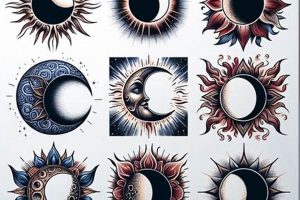



Tattoos inspired by Korean culture encompass a wide range of imagery and symbolism, drawing from traditional folklore, historical figures, modern pop culture, and the Korean alphabet (Hangeul). Examples include depictions of mythical creatures like the Dokkaebi or Haetae, symbolic flowers such as the Hibiscus syriacus (Mugunghwa, the national flower), and stylized calligraphy representing names, words, or phrases.
These designs offer individuals a powerful means of expressing their connection to Korean heritage, celebrating its artistic traditions, and conveying personal narratives. The growing popularity of Korean popular culture (K-Pop, K-Dramas) globally has also contributed to the increased interest in these tattoos, showcasing the dynamism and evolving nature of Korean aesthetics. Historically, tattoos in Korea held complex societal connotations, often associated with shamanistic practices or criminal activity. However, contemporary perspectives are increasingly embracing tattoos as a form of self-expression and artistic appreciation.
Further exploration of this topic will delve into specific categories of designs, discuss relevant cultural considerations, and address practical aspects such as finding reputable artists specializing in Korean-inspired tattoo work.
1. Symbolism

Symbolism plays a crucial role in Korean tattoo designs, imbuing them with cultural significance and personal meaning. Understanding the symbolism behind various motifs allows for informed choices that resonate deeply with the wearer’s identity and values. This exploration delves into several key facets of symbolism within Korean tattoo art.
- Mythical Creatures
Creatures from Korean folklore, such as the Dokkaebi (mischievous goblin) or Haetae (guardian lion), often symbolize protection, good fortune, or warding off evil spirits. These figures hold rich cultural significance and offer visually striking tattoo designs. A Dokkaebi tattoo might represent playfulness and trickery, while a Haetae could signify strength and righteousness.
- Floral Motifs
Flowers carry specific meanings in Korean culture. The Hibiscus syriacus (Mugunghwa), Korea’s national flower, represents immortality and resilience. The lotus flower symbolizes purity and enlightenment. Choosing a specific floral design adds layers of meaning and aesthetic beauty to a tattoo.
- Hangeul Calligraphy
Incorporating Hangeul, the Korean alphabet, allows for personalized tattoos with names, meaningful words, or phrases. The elegant script itself holds cultural value, and the chosen words can further express personal values or commemorate significant events. This offers a unique way to connect with one’s Korean heritage.
- Animals and Nature
Animals like tigers (strength and courage) and cranes (longevity and good fortune) hold symbolic weight in Korean culture. Natural elements like mountains and water can represent stability and the flow of life, respectively. These motifs offer diverse options for visually appealing and culturally relevant tattoos.
By understanding the rich symbolism associated with Korean tattoo designs, individuals can select imagery that reflects their personal narratives and appreciation for Korean culture. The combination of aesthetic beauty and symbolic depth makes these tattoos a powerful form of self-expression and cultural connection.
2. Aesthetics

Aesthetics play a pivotal role in Korean tattoo designs, influencing the overall visual impact and conveying specific cultural nuances. Understanding the aesthetic principles underlying these designs allows for informed choices that align with individual preferences and artistic sensibilities. This exploration delves into the diverse aesthetic facets of Korean tattoo art.
- Minimalism
Minimalist Korean tattoos emphasize clean lines, simple shapes, and often a limited color palette. This approach focuses on the essence of the subject matter, creating elegant and understated designs. Examples include small floral motifs, single Hangeul characters, or delicate line drawings of animals. Minimalist aesthetics offer a contemporary interpretation of traditional Korean imagery.
- Realism
Realistic depictions, often portraying portraits of historical figures or intricate nature scenes, showcase the artist’s technical skill and attention to detail. These tattoos prioritize accuracy and visual fidelity, capturing the likeness or essence of the subject matter with precision. Realistic Korean tattoos can be large-scale and visually striking.
- Watercolor
The watercolor aesthetic mimics the soft, diffused effect of watercolor paintings. This style lends itself well to floral designs and other nature-inspired imagery, creating a dreamlike and artistic impression. The fluidity and vibrant colors of watercolor tattoos offer a unique and visually appealing aesthetic.
- Neo-Traditional
Neo-traditional Korean tattoos blend traditional Korean motifs with contemporary tattooing techniques. This style often incorporates bold lines, vibrant colors, and stylized imagery, resulting in visually striking and culturally relevant designs. Neo-traditional tattoos offer a modern take on classic Korean symbolism.
The diverse aesthetic approaches within Korean tattoo art provide a wide range of options for individuals seeking to express their connection to Korean culture. From the understated elegance of minimalism to the vibrant dynamism of neo-traditional designs, the aesthetic choices reflect individual preferences and contribute to the overall impact and meaning of the tattoo.
3. Cultural Relevance

Cultural relevance holds paramount importance when considering Korean tattoo ideas. Designs must be approached with sensitivity and respect for the cultural heritage they represent. Careful consideration of historical context, symbolic meanings, and potential cultural appropriation ensures that tattoos honor and celebrate Korean culture rather than trivialize or misrepresent it. This exploration delves into the critical facets of cultural relevance within Korean tattoo art.
- Respect for Traditional Symbolism
Understanding the traditional meanings associated with various Korean symbols is crucial. For instance, certain symbols hold religious or spiritual significance and should not be used lightly or out of context. Misusing such symbols can be viewed as disrespectful or even offensive. Thorough research and consultation with knowledgeable individuals can prevent unintentional cultural missteps.
- Avoiding Cultural Appropriation
Cultural appropriation involves adopting elements of a culture without understanding or respecting their original context. In the context of Korean tattoos, this might involve using sacred imagery purely for aesthetic purposes without acknowledging its cultural significance. Respectful engagement with Korean culture requires acknowledging the historical and cultural context of chosen designs.
- Appreciating Historical Context
Tattoos have held varying connotations throughout Korean history. While historically associated with specific social groups or practices, contemporary views are evolving. Understanding this historical context helps inform design choices and ensures that tattoos are chosen with awareness and respect for the cultural nuances surrounding body art in Korea.
- Consulting with Korean Artists and Cultural Experts
Seeking guidance from Korean tattoo artists or cultural experts provides valuable insights into appropriate imagery, placement, and cultural sensitivities. This collaborative approach ensures that tattoos are created with respect and authenticity, fostering a deeper appreciation for Korean culture and artistic traditions.
By prioritizing cultural relevance, individuals seeking Korean-inspired tattoos demonstrate respect for the rich heritage and traditions that inform these designs. This mindful approach ensures that tattoos serve as a meaningful expression of cultural appreciation and personal connection rather than an act of cultural misappropriation or disrespect. Ultimately, cultural sensitivity enhances the aesthetic and symbolic value of Korean tattoos, fostering a deeper understanding and appreciation of the culture they represent.
4. Placement

Placement significantly impacts the overall aesthetic and cultural meaning of Korean tattoos. Consideration of design elements, body contours, and traditional Korean aesthetics influences placement choices. Larger, more intricate designs featuring mythical creatures or historical scenes might suit the back or chest, offering ample space for detailed artwork. Smaller, symbolic designs like floral motifs or Hangeul calligraphy can be placed on the wrist, ankle, or behind the ear, allowing for subtle yet meaningful expressions of cultural identity. For instance, a Haetae, traditionally a guardian figure, might be placed on the shoulder or upper arm, symbolically protecting the wearer. Similarly, a delicate cherry blossom branch on the forearm could represent beauty and ephemerality.
Traditional Korean aesthetics often emphasize balance and harmony. Placement choices can reflect these principles by considering the natural flow of the body and ensuring the design complements rather than disrupts its contours. Circular designs might be placed on rounded areas like the shoulder or upper arm, while elongated designs could follow the lines of the forearm or leg. Placement also influences visibility and personal preference; some individuals may prefer easily concealed tattoos, while others might choose locations that allow for prominent display. Practical considerations, such as clothing styles and professional environments, also factor into placement decisions.
Careful consideration of placement elevates Korean tattoo designs beyond mere body art, transforming them into meaningful expressions of cultural identity and personal narratives. Understanding the interplay between placement, design elements, and cultural context ensures that tattoos resonate with both aesthetic beauty and symbolic depth. The placement choice itself becomes an integral part of the tattoo’s overall narrative, adding another layer of significance and enhancing its visual impact.
5. Artist Selection
Selecting the right artist is paramount when realizing Korean tattoo ideas. A skilled artist bridges the gap between concept and execution, ensuring the final tattoo embodies both aesthetic excellence and cultural sensitivity. Artist selection directly impacts the quality, authenticity, and longevity of the tattoo, making it a crucial step in the process.
- Specialization and Portfolio
Artists specializing in Korean-inspired tattoos possess a nuanced understanding of the cultural symbolism and aesthetic principles involved. Their portfolios should demonstrate proficiency in specific styles, such as Hangeul calligraphy, realistic depictions of mythical creatures, or traditional Korean floral motifs. Examining an artist’s previous work provides insights into their technical skill, artistic style, and ability to translate Korean-inspired concepts into compelling tattoo designs.
- Cultural Sensitivity and Understanding
Beyond technical skill, artists should demonstrate cultural sensitivity and a genuine appreciation for Korean traditions. This ensures respectful representation of cultural symbols and avoids misappropriation or misinterpretation of traditional imagery. Open communication with the artist about the cultural significance of chosen designs is essential for ensuring a respectful and accurate representation.
- Hygiene and Professionalism
Maintaining high hygiene standards is crucial in tattooing. Reputable artists adhere to strict sterilization procedures and utilize single-use needles, ensuring a safe and hygienic tattooing environment. Professionalism extends beyond hygiene to encompass clear communication, respectful client interactions, and a commitment to providing quality service.
- Collaboration and Communication
A successful tattoo emerges from collaborative dialogue between the artist and the client. Open communication ensures the artist understands the client’s vision and can offer expert guidance on design elements, placement, and technical feasibility. This collaborative process ensures the final tattoo aligns with the client’s expectations and reflects their personal connection to Korean culture.
Careful artist selection ensures that Korean tattoo ideas are realized with artistic integrity and cultural sensitivity. Choosing an artist with relevant experience, cultural understanding, and a commitment to professionalism contributes to the creation of a meaningful and aesthetically compelling tattoo that honors the richness and depth of Korean culture.
6. Aftercare

Proper aftercare is essential for preserving the vibrancy and longevity of Korean tattoos, ensuring the intricate details and symbolic meaning remain intact for years to come. This diligent care not only protects the investment of time and resources but also demonstrates respect for the cultural significance embodied within the design. Neglecting aftercare can lead to infection, fading, and blurring, compromising both the aesthetic appeal and the cultural integrity of the tattoo.
- Initial Healing
The initial healing period, typically lasting several weeks, requires meticulous attention. Keeping the tattoo clean and moisturized promotes healthy skin regeneration and minimizes the risk of infection. Following the artist’s specific aftercare instructions is crucial during this phase. This may involve using specific antibacterial ointments, avoiding direct sunlight, and refraining from submerging the tattoo in water.
- Long-Term Maintenance
Long-term maintenance ensures the tattoo’s vibrancy and clarity over time. Regular moisturizing prevents the ink from fading and the skin from drying out, preserving the intricate details of Korean-inspired designs, particularly those featuring fine lines or delicate shading. Protecting the tattoo from prolonged sun exposure with sunscreen is vital to prevent ink degradation and maintain color saturation, especially important for vibrant colors often found in traditional Korean art-inspired tattoos.
- Lifestyle Considerations
Certain lifestyle choices can impact a tattoo’s longevity. Avoiding excessive friction from clothing or activities that might irritate the tattooed area helps prevent premature fading or blurring. Maintaining overall skin health through proper hydration and a balanced diet contributes to the long-term vibrancy of the tattoo. These considerations are particularly relevant for larger, more intricate Korean designs, ensuring they retain their visual impact over time.
- Professional Touch-Ups
Over time, even with diligent care, tattoos may require touch-ups to restore vibrancy or sharpen details. Consulting with the original artist, or another artist specializing in Korean tattoo styles, ensures consistency in technique and color matching. This professional maintenance helps preserve the artistic integrity and cultural significance of the tattoo, ensuring it remains a vibrant expression of Korean heritage.
Diligent aftercare practices safeguard the aesthetic and cultural value of Korean tattoos, demonstrating a commitment to preserving their intricate artistry and symbolic meaning. This dedication to proper care ensures that these tattoos remain powerful expressions of personal identity and cultural appreciation for generations to come.
Tips for Choosing Korean Tattoo Ideas
Selecting a Korean-inspired tattoo requires careful consideration of various factors, from cultural significance to aesthetic preferences. These tips offer guidance for navigating the process thoughtfully and ensuring a meaningful and well-executed tattoo.
Tip 1: Research Symbolism Thoroughly: Delve deep into the meaning behind chosen symbols. A seemingly simple image might hold profound cultural significance, requiring respectful consideration. For example, the placement of a Dokkaebi tattoo might change depending on its intended meaning protection or mischief.
Tip 2: Prioritize Cultural Sensitivity: Avoid appropriating sacred or culturally sensitive imagery. Engage with Korean culture respectfully, understanding the historical context and avoiding designs that could be perceived as disrespectful. Consult with cultural experts if uncertain about a design’s appropriateness.
Tip 3: Choose an Experienced Artist: Seek artists specializing in Korean-inspired tattoos. Their expertise ensures accurate representation of cultural symbols and aesthetic nuances. Review portfolios to assess their skill in specific styles like Hangeul calligraphy or traditional Korean painting techniques.
Tip 4: Consider Placement Carefully: Placement impacts both aesthetics and cultural meaning. Larger designs might suit the back or chest, while smaller, symbolic designs could be placed on the wrist or ankle. Consider the body’s natural contours and the visibility preferences.
Tip 5: Communicate Effectively with the Artist: Open communication ensures the artist understands the desired aesthetic and cultural significance. Discuss design details, placement, and any concerns regarding cultural sensitivity to ensure a collaborative and respectful process.
Tip 6: Plan for Proper Aftercare: Aftercare preserves the tattoo’s vibrancy and longevity. Follow the artist’s instructions diligently, protecting the tattoo from sun exposure and maintaining proper hygiene to ensure long-lasting beauty and prevent complications.
Tip 7: Reflect on Personal Meaning: A meaningful tattoo resonates with personal values and experiences. Connect the chosen design to a personal narrative, ensuring it holds significance beyond its aesthetic appeal. This connection enhances the tattoo’s value and strengthens its cultural relevance.
By considering these tips, individuals can approach Korean tattoo ideas with respect, understanding, and a commitment to creating meaningful and aesthetically compelling body art. This thoughtful approach ensures that the chosen tattoo becomes a cherished expression of personal identity and cultural appreciation.
The following section will offer a concluding perspective on the significance and enduring appeal of Korean tattoo art.
Frequently Asked Questions about Korean Tattoo Ideas
This section addresses common inquiries regarding Korean-inspired tattoos, offering clarity on cultural considerations, practical aspects, and design choices.
Question 1: What are some culturally appropriate Korean tattoo designs?
Appropriate designs often draw inspiration from traditional motifs such as floral patterns (Hibiscus syriacus, lotus), mythical creatures (Dokkaebi, Haetae), Hangeul calligraphy, and symbolic animals (tigers, cranes). It is crucial to research the symbolism thoroughly before committing to a design.
Question 2: Are there any Korean symbols considered taboo for tattoos?
Certain symbols associated with shamanistic rituals or specific religious practices might be considered inappropriate for casual use as tattoo designs. Consulting with cultural experts or individuals knowledgeable in Korean traditions is advisable to avoid unintentional disrespect.
Question 3: How can one avoid cultural appropriation when choosing a Korean tattoo?
Cultural appropriation can be avoided by thoroughly researching the historical and cultural context of chosen symbols. Using imagery solely for its aesthetic appeal without understanding its significance constitutes appropriation. Prioritizing respect and understanding of Korean culture is paramount.
Question 4: What are the typical costs associated with Korean tattoos?
Costs vary depending on the size, complexity, and artist’s experience. Larger, more intricate designs require more time and skill, thus increasing the cost. Consulting with several artists allows for comparison and informed decision-making.
Question 5: How does one find a reputable tattoo artist specializing in Korean designs?
Recommendations from individuals within the Korean community, online research focusing on artist portfolios and reviews, and attending tattoo conventions can assist in finding reputable artists experienced in Korean-inspired tattoo work.
Question 6: What is the significance of placement in Korean tattooing traditions?
While traditional placement conventions might not be as rigid as in some other cultures, placement still holds aesthetic and symbolic importance. Consulting with a knowledgeable artist can provide insights into placement choices that complement the design and resonate with Korean aesthetics.
Careful consideration of cultural context, artistic skill, and personal meaning ensures a respectful and meaningful tattoo that celebrates Korean heritage.
The concluding section will offer final thoughts on embracing Korean tattoo art.
Conclusion
Exploring Korean tattoo ideas necessitates a nuanced understanding of cultural symbolism, aesthetic principles, and historical context. From the mythical Dokkaebi to the delicate Hibiscus syriacus, each design element carries a weight of meaning, demanding respectful consideration. Placement choices, artist selection, and diligent aftercare further contribute to the creation of meaningful and enduring tattoos that honor Korean heritage. Navigating the rich tapestry of Korean tattoo art requires sensitivity, research, and a commitment to appreciating the cultural narratives embedded within these designs.
Korean tattoo art offers a powerful medium for expressing cultural identity and personal narratives. It serves as a bridge between tradition and modernity, allowing individuals to connect with Korean heritage in a dynamic and evolving way. By embracing the depth and symbolism inherent in these designs, individuals contribute to the ongoing narrative of Korean art, ensuring its continued vibrancy and cultural relevance for generations to come. The enduring appeal of Korean tattoo art lies in its ability to weave together aesthetic beauty, cultural significance, and personal meaning, creating a lasting testament to the power of art and cultural expression.