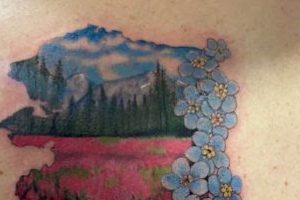



A foundational element in many tattoo designs involves creating a visually appealing backdrop that complements the main focal point. This can involve intricate patterns, subtle shading, or abstract designs that enhance the overall composition. For example, a realistic rose might be set against a background of delicately shaded leaves and thorns, or a bold tribal design might be framed by a geometric pattern.
Effective foundational elements provide depth and context to a tattoo, transforming it from a simple image into a cohesive piece of art. A well-chosen backdrop can emphasize the primary subject, create a sense of balance, and add a layer of symbolism or personal meaning. Historically, many cultures incorporated specific background motifs in their traditional tattooing practices, reflecting spiritual beliefs or social status. This attention to the surrounding design elements remains a vital aspect of contemporary tattoo artistry.
Factors influencing the choice of complementary design elements include the style of the primary image, placement on the body, and individual preferences. Exploring different artistic styles, understanding the impact of color and shading, and considering the long-term implications of a tattoo design are crucial steps in this process.
1. Complementary Styles

A fundamental aspect of successful background design lies in selecting a style that complements the main tattoo element. A disconnect between foreground and background can create a jarring visual experience, diminishing the overall impact. A realistic portrait, for instance, benefits from a background that enhances the three-dimensional effect, perhaps through subtle shading or a blurred background. Conversely, a bold, traditional style tattoo might be complemented by solid color blocks or geometric patterns. Matching styles ensures a cohesive and aesthetically pleasing composition.
Consider a Japanese-style dragon as the primary subject. A background featuring traditional Japanese waves or cherry blossoms would amplify the cultural significance and visual harmony. However, pairing the dragon with a realistic, biomechanical background would create a clash of styles, detracting from the intended aesthetic. Understanding these relationships allows for informed choices that elevate the entire tattoo design. Practical application involves researching different artistic styles and considering their visual impact in relation to the chosen subject matter.
Effective background choices contribute significantly to a tattoo’s overall impact. Harmonizing styles ensures the background supports rather than competes with the focal point. This principle applies across various tattoo genres, from minimalist linework to intricate realism. Challenges can arise when attempting to blend disparate styles, requiring careful planning and artistic expertise. Ultimately, complementary style selection is essential for achieving a unified and visually compelling tattoo.
2. Subtle shading/color gradients

Subtle shading and color gradients play a vital role in creating depth and dimension within background tattoo designs. These techniques can transform a flat, two-dimensional image into a dynamic and visually engaging element that complements the main tattoo subject. Effective use of shading and gradients adds realism, enhances visual flow, and contributes significantly to the overall aesthetic impact.
- Depth and Dimension
Shading creates an illusion of depth, making background elements appear recessed or raised, adding a three-dimensional quality. This is particularly effective in backgrounds featuring natural elements like flowers, leaves, or clouds. For example, a gradient from dark to light can mimic the natural curvature of a petal, giving it a lifelike appearance. This technique adds a sense of realism and visual interest to the overall design.
- Emphasis and Focus
Strategic use of shading can draw attention to the main subject of the tattoo. By darkening the background around the focal point, the artist can create contrast and make the main image pop. Conversely, a lighter background can make the main subject appear bolder and more prominent. This interplay of light and shadow guides the viewer’s eye and enhances the overall composition.
- Creating Mood and Atmosphere
Color gradients can contribute significantly to the mood and atmosphere of a tattoo. Warm tones like reds and oranges can evoke feelings of passion and energy, while cool blues and greens can create a sense of calmness and tranquility. A gradual shift between colors can create a visually appealing transition and evoke specific emotions related to the tattoo’s theme. For example, a gradient from dark blue to light blue could represent the depths of the ocean.
- Visual Flow and Cohesion
Subtle shading and color gradients can create a sense of visual flow and connect different elements within a tattoo. They can seamlessly blend the background with the foreground, creating a cohesive and unified design. This is particularly important in larger, more complex tattoos where multiple elements need to be integrated harmoniously. A smooth transition between colors can guide the eye across the design and create a sense of visual continuity.
Mastery of shading and color gradients elevates background designs from simple fillers to integral components of the overall tattoo narrative. These techniques contribute significantly to the depth, dimension, and emotional impact of the piece, enhancing its visual appeal and conveying the intended artistic expression more effectively. Careful consideration of these elements allows for a seamless integration of background and foreground, creating a harmonious and captivating work of art.
3. Geometric patterns

Geometric patterns offer a versatile and impactful approach to background tattoo design. Their inherent structure and visual appeal contribute significantly to the overall aesthetic of a tattoo, providing a framework that complements a variety of subjects and styles. The precision and regularity of geometric forms create a sense of balance and order, enhancing the visual impact of the main design elements. Furthermore, geometric patterns can be adapted and customized to fit individual preferences, offering a wide range of possibilities for creative expression.
The use of geometric patterns in tattooing has deep historical roots, appearing in various cultures across the globe. From the intricate knotwork of Celtic designs to the complex mandalas of Eastern traditions, geometric patterns often carry symbolic meaning, representing concepts like balance, harmony, and the interconnectedness of life. In contemporary tattooing, these patterns can be employed to create visual depth and texture, framing the main subject and adding a layer of complexity to the overall design. For example, a series of interlocking triangles can create a dynamic background for a central image, adding visual interest and a sense of movement. Similarly, a repeating honeycomb pattern can provide a subtle texture and backdrop for a floral design, enhancing its delicate beauty.
Understanding the principles of geometric design allows for a more informed and purposeful approach to background tattoo planning. Considerations include scale, symmetry, and the interplay of positive and negative space. Careful selection and application of geometric patterns contribute significantly to a tattoo’s overall visual impact, ensuring a cohesive and aesthetically pleasing final result. Challenges can arise in integrating complex geometric patterns with free-flowing or organic designs; meticulous planning and skilled execution are crucial for achieving a harmonious balance. Ultimately, the effective use of geometric patterns provides a powerful tool for enriching the narrative and visual appeal of a tattoo.
4. Natural elements
Natural elements provide a rich source of inspiration for background tattoo designs, offering a diverse range of motifs that can enhance the overall aesthetic and symbolic meaning of a tattoo. From flowing water and lush foliage to soaring birds and celestial bodies, incorporating natural elements into backgrounds can create a sense of harmony, movement, and connection to the natural world. The inherent beauty and symbolism of these elements add depth and complexity to tattoo designs, allowing for personalized expressions of individual connection with nature.
Specific examples illustrate the versatility of natural elements in background designs. A flowing river or waterfall can symbolize the passage of time and the continuous flow of life, serving as a dynamic backdrop for a koi fish, representing perseverance. Leaves and branches can frame a portrait, adding a touch of elegance and grounding the image in the natural world. Celestial elements, such as stars and constellations, can evoke a sense of wonder and connection to the cosmos, providing a striking background for a spiritual or mythological figure. These examples demonstrate how natural elements can be incorporated to enhance the narrative and symbolism of a tattoo.
Successful integration of natural elements requires careful consideration of design principles, including scale, composition, and the interplay of elements. Challenges can arise in balancing realism with artistic interpretation, particularly when depicting complex natural scenes. A skilled tattoo artist can effectively translate the beauty and symbolism of nature into a cohesive and visually compelling background design, enhancing the overall impact and personal significance of the tattoo. Ultimately, incorporating natural elements provides a powerful means of connecting personal narratives with the enduring power and beauty of the natural world.
5. Abstract designs

Abstract designs offer a unique approach to background tattoo ideas, providing a canvas for creative expression and personalized symbolism. Unlike representational imagery, abstract art relies on form, color, and composition to evoke emotions and create visual interest. This flexibility allows for a wide range of interpretations and applications within tattoo art, making it a compelling choice for backgrounds that complement diverse subjects and styles.
- Form and Composition
The interplay of lines, shapes, and patterns forms the foundation of abstract design. Geometric shapes, fluid lines, and dynamic compositions can create a sense of movement, depth, and visual harmony. For example, a background composed of intersecting lines and geometric shapes can create a sense of structure and order, complementing a minimalist or geometric foreground element. Conversely, flowing, organic shapes can create a sense of movement and dynamism, enhancing a more fluid or expressive subject.
- Color and Texture
Color palettes and textural effects play a crucial role in conveying mood and emotion in abstract backgrounds. Bold, contrasting colors can create a vibrant and energetic backdrop, while muted tones can evoke a sense of calm and introspection. Textural effects, achieved through techniques like stippling or brushstrokes, add depth and visual interest. A background featuring a gradient of cool colors and subtle textural variations can create a calming and ethereal backdrop for a spiritual or nature-themed tattoo.
- Symbolism and Personal Meaning
While abstract designs may not depict recognizable objects, they can still hold significant personal meaning. The arrangement of shapes, colors, and patterns can evoke specific emotions, memories, or concepts. An abstract background featuring swirling lines and warm colors might represent personal growth and transformation, while a composition of sharp angles and cool colors could symbolize strength and resilience. This allows individuals to imbue their tattoos with deeply personal symbolism that resonates with their individual experiences.
- Versatility and Adaptability
Abstract designs offer exceptional versatility in tattooing. They can be adapted to complement a wide range of subjects and styles, from minimalist linework to intricate realism. Abstract backgrounds can serve as a unifying element in complex tattoo designs, connecting disparate elements and creating a cohesive overall composition. This adaptability makes abstract art a powerful tool for enhancing the visual impact and narrative depth of a tattoo.
By embracing the principles of abstract art, individuals can create background tattoo designs that are not only visually striking but also deeply meaningful. The interplay of form, color, and personal symbolism allows for a unique and expressive approach to tattoo art, transforming the background into an integral component of the overall narrative. This approach encourages creative exploration and empowers individuals to express themselves through visually compelling and deeply personal body art.
Tips for Effective Background Tattoo Design
Careful consideration of background elements is crucial for a successful tattoo. These tips offer guidance for creating a cohesive and visually appealing design.
Tip 1: Research and Gather Inspiration: Thorough research is essential before committing to a design. Explore various artistic styles, cultural motifs, and natural elements to gather inspiration. Consider how different background elements interact with potential foreground subjects.
Tip 2: Prioritize Harmony and Balance: The background should complement, not compete with, the main subject. Strive for visual balance and harmony between foreground and background elements. Avoid overly busy or distracting backgrounds that detract from the focal point.
Tip 3: Consider Placement and Body Flow: The placement of the tattoo on the body significantly influences background choices. Backgrounds should flow with the natural contours of the body and enhance the overall composition. A large, flowing background might be suitable for a back piece, while a smaller, more intricate design might be better suited for a wrist or ankle.
Tip 4: Consult with a Skilled Artist: Collaboration with a skilled tattoo artist is essential. Discuss ideas, explore options, and seek professional guidance on design elements, placement, and technical execution. An experienced artist can provide valuable insights and help bring your vision to life.
Tip 5: Think Long-Term: Tattoos are a permanent form of self-expression. Consider the long-term implications of your design choices. Avoid trends and opt for timeless elements that will resonate with you for years to come. Discuss colorfastness and aging with your artist.
Tip 6: Plan for Proper Aftercare: Proper aftercare is crucial for preserving the vibrancy and longevity of a tattoo, especially those with intricate backgrounds and shading. Follow your artist’s instructions diligently to ensure proper healing and prevent complications.
Tip 7: Visualize the Complete Design: Before finalizing the design, visualize the complete tattoo, including the interplay of foreground and background elements. Consider how the tattoo will look from different angles and in different lighting conditions. This helps ensure a cohesive and visually satisfying result.
By following these tips, individuals can ensure that background elements enhance the overall aesthetic and meaning of their tattoos, creating a lasting work of art that they will cherish for years to come.
Ultimately, a well-designed background elevates a tattoo from a simple image to a cohesive and meaningful piece of art.
Frequently Asked Questions about Background Tattoo Designs
This section addresses common queries regarding the selection and implementation of effective background elements in tattoo designs.
Question 1: How does background choice impact the overall look of a tattoo?
Backgrounds significantly influence the overall aesthetic and narrative of a tattoo. A well-chosen background complements the main subject, adding depth, dimension, and visual interest. Conversely, a poorly chosen background can detract from the focal point and diminish the tattoo’s overall impact.
Question 2: What are some popular background styles?
Popular background styles include geometric patterns, floral designs, natural landscapes, abstract art, and traditional cultural motifs. The choice of style depends on individual preferences, the main subject of the tattoo, and the desired aesthetic.
Question 3: Can backgrounds be added to existing tattoos?
Incorporating a background into an existing tattoo is often possible. A skilled tattoo artist can assess the existing design and recommend suitable background elements that complement the current artwork. This requires careful planning and execution to ensure a seamless integration.
Question 4: How does placement on the body influence background design?
Body placement plays a crucial role in background design. Backgrounds should flow with the natural contours of the body. Larger areas, like the back or chest, offer more space for elaborate backgrounds, while smaller areas, like wrists or ankles, might require simpler designs.
Question 5: How does one choose the right background for a specific tattoo subject?
Selecting a suitable background involves considering the style, symbolism, and overall aesthetic of the main subject. Researching different artistic styles and cultural motifs can help individuals identify background elements that resonate with their vision and enhance the narrative of their tattoo.
Question 6: What are the long-term considerations for background tattoos?
Long-term considerations include colorfastness, aging, and potential fading. Choosing high-quality inks and following proper aftercare instructions are crucial for preserving the vibrancy and integrity of the background design over time.
Careful consideration of these frequently asked questions enables informed decisions regarding background design choices, ensuring a cohesive and visually compelling tattoo that stands the test of time.
For further inquiries or personalized guidance, consulting with a skilled tattoo artist is highly recommended.
Conclusion
Effective foundational design constitutes a crucial aspect of successful tattoo artistry. Exploration of complementary styles, subtle shading techniques, geometric patterns, natural elements, and abstract designs reveals the diverse possibilities for enhancing a tattoo’s visual impact and narrative depth. Careful consideration of placement, body flow, and long-term implications ensures a cohesive and enduring work of art. Collaboration with skilled artists remains essential for realizing individual visions and achieving technically proficient execution.
Ultimately, thoughtful selection and implementation of background elements elevates tattooing beyond mere surface decoration, transforming it into a powerful medium for personal expression and storytelling. This enduring art form continues to evolve, driven by creative exploration and a deeper understanding of the interplay between technical skill and artistic vision.